Summary
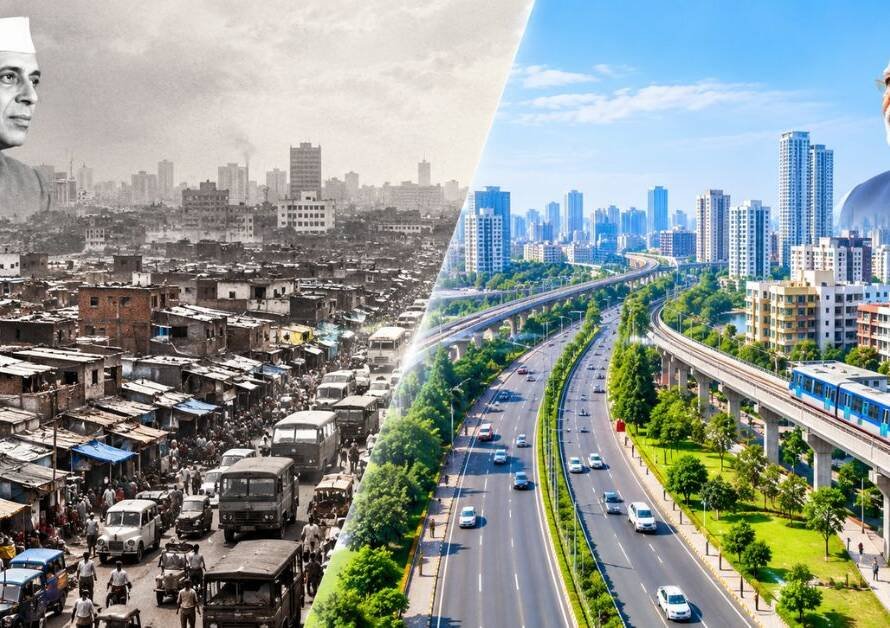
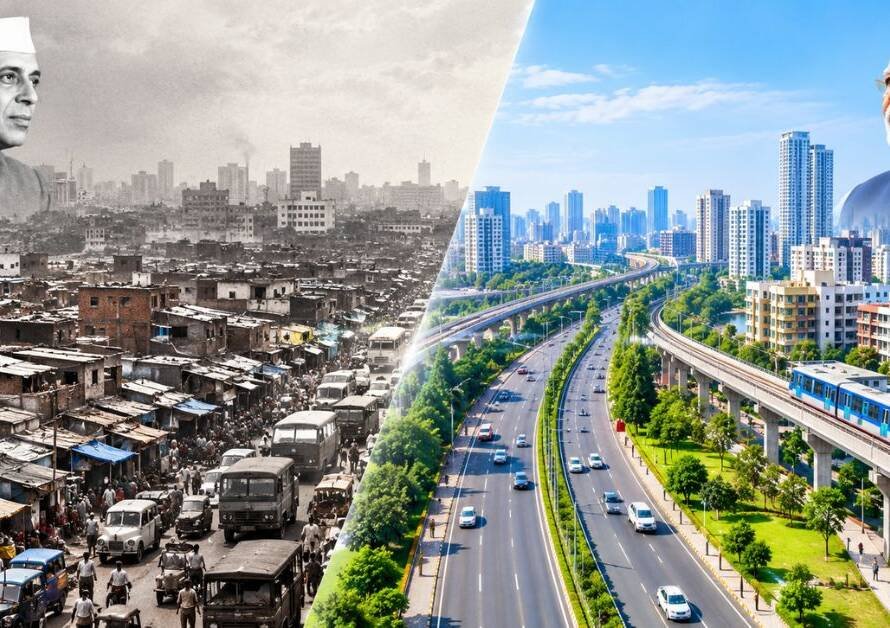
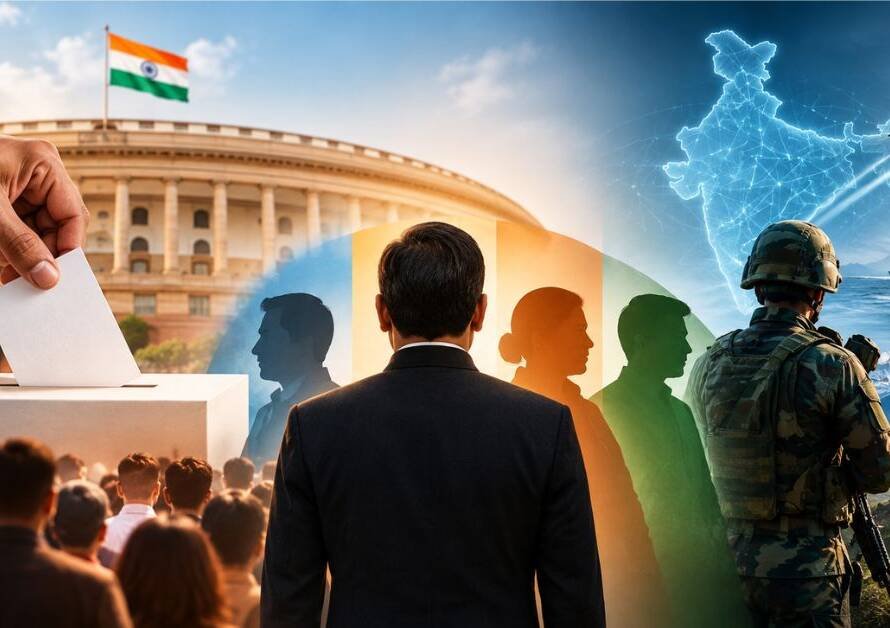
- This comprehensive narrative provides a comparative analysis of two eras in Indian politics: the pre-2014 era of “dynastic rule and corruption” and the post-2014 “Golden Age of Nationalism and Transparency.”
- The article highlights the personal sacrifice and simplicity of Prime Minister Narendra Modi and Chief Minister Yogi Adityanath, answering critics who question the call for national reform and personal sacrifice.
- Furthermore, it analyzes how the Congress and its allies (the “Thugbandhan”) kept the country in a state of policy paralysis for decades and why they are now resorting to fake narratives on losing their relevance.
- Through election results—from Haryana to the most recent state elections—it is proven that the Indian public has rejected dynastic politics in favor of the vision of a “Developed India.”
The need for a civilizational renaissance in India
I. The Pinnacle of Sacrifice: Personal Simplicity and Public Service
When opposition leaders and certain “intellectual” journalists question Prime Minister Modi’s sacrifice, they ignore facts of his life that are rarely seen in Indian politics.
- Total Dedication of Savings: Before leaving for Delhi in 2014, Narendra Modi donated his entire personal savings accumulated as Chief Minister (approximately ₹21–22 lakhs) for the education of the daughters of Class IV employees. This is a rare example of selflessness upon departing from power.
- Absence of Private Property: Despite being at the pinnacle of power for over two decades, Modi owns neither a palatial mansion, nor luxury cars, nor any private business. His life is an open book, representing a unique blend of a “mendicant’s spirit” (Fakiri) and “national service.”
- Donation of Salary and Gifts: The proceeds from the auction of mementos received as Prime Minister, amounting to crores of rupees, have been dedicated to national missions like ‘Namami Gange.’ He also continues to donate a significant portion of his monthly salary to social causes.
II. Dignity of Leadership: Attire and Global Impact
A section of critics labels his attire and foreign trips as luxury, which is a reflection of their narrow mindset.
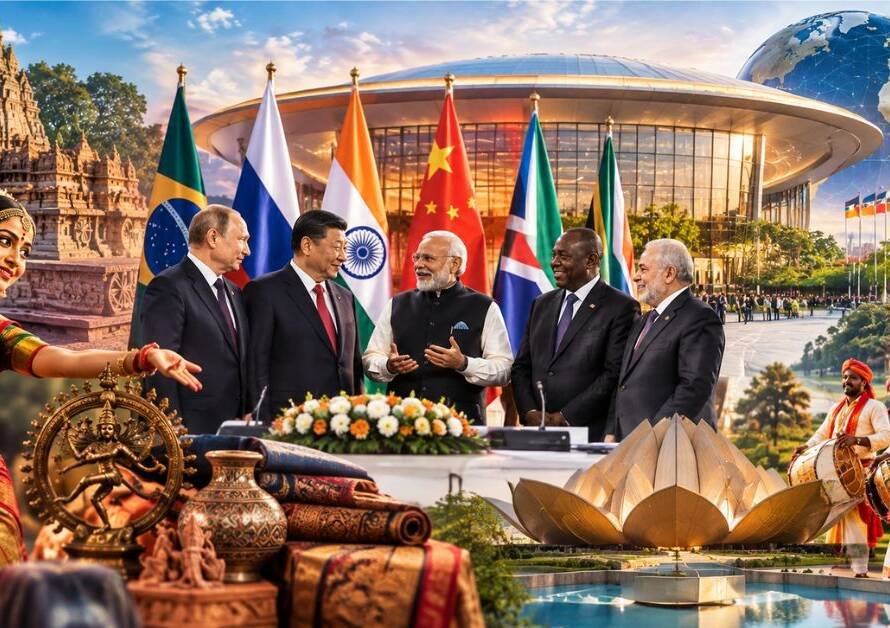
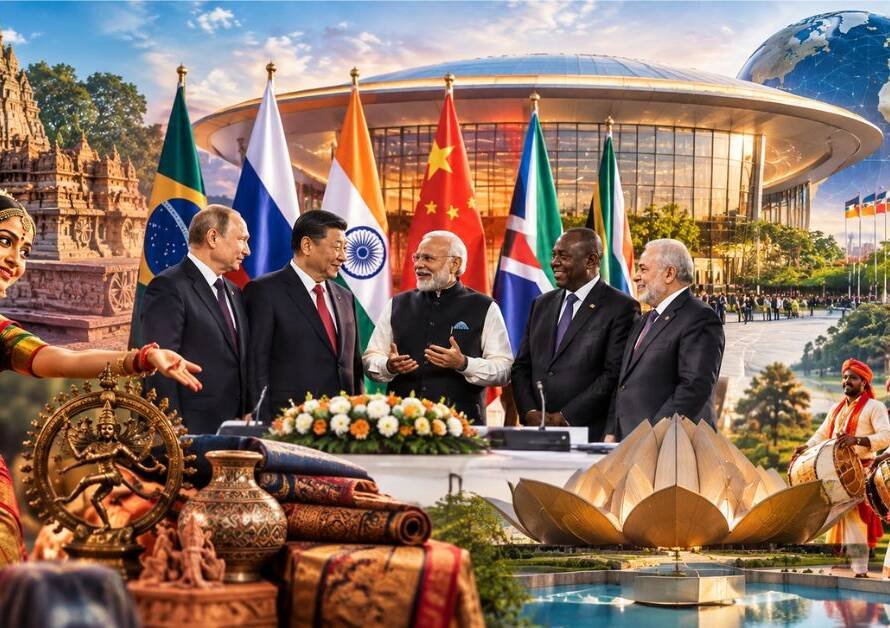
- National Self-Respect: The leader of a great and ancient nation like India cannot represent the country on the world stage in a state of “inferiority” or dressed like a “beggar.” His dignified presence is a symbol of the confidence and pride of 140 crore Indians.
- Strategic Foreign Visits: His trips are not for vacations but to establish India as a hub for energy security, defense deals, and global investment. These visits have established India as a ‘Vishwa-Mitra’ (Global Friend), ensuring India’s voice is prioritized during global crises.
III. The Pre-2014 Era: A Legacy of Dynasticism and Corruption
Every economic and social challenge India faced post-independence is directly linked to the policies of the Congress and the “Thugbandhan.”
- The Grip of Dynasticism: For decades, the nation’s power remained the fiefdom of a single family. This stifled merit and fostered a culture of sycophancy, hollowing out institutions from within.
- The Ecosystem of Corruption: Countless scams like 2G, the Coal scam, and the Commonwealth games pushed the Indian economy into the ‘Fragile Five’ category. Middlemen thrived while the rights of the poor were trampled.
- Politics of Appeasement: Dividing society based on caste and community for the sake of ‘vote banks’ remained the permanent policy of opposition parties, causing severe damage to national unity.
IV. The Modi Rule: Honesty, Transparency, and Development
After 2014, a transformation occurred in Indian politics where both ‘Policy’ and ‘Intent’ became dedicated to national interest.
- A Strike on Corruption: Through Direct Benefit Transfer (DBT), middlemen were eliminated, saving lakhs of crores of rupees. Today, ₹1 sent by the government reaches the poor person’s account directly.
- Bold and Decisive Actions: By taking decisions on issues like the abrogation of Article 370, the construction of the Ram Temple, and Triple Talaq, the government proved it is here to change the country, not just win elections.
- Economic Self-Reliance: The Prime Minister’s appeal to save fuel and reduce unnecessary imports is an exercise in ‘Economic Discipline’ for one year. Its objective is to strengthen foreign exchange reserves and lead the Indian economy toward the $5 trillion mark.
V. Opposition’s Desperation and the Game of Fake Narratives
Seeing their political ground slip away, the Congress and the “Thugbandhan” have chosen the path of unethical warfare.
- Promotion of Negativity and Lies: Since they cannot compete with Modi on the fronts of development and good governance, they attempt to mislead the public through fake news and false narratives on social media.
- Insulting Institutions: Blaming EVMs after losing elections, questioning the judiciary, and seeking intervention from foreign powers is proof of their desperation. They reject the public mandate by labeling it as ‘polarization.’
- State of Alienation: They have failed to understand the pulse of the people. The more they defame the government and institutions, the further the public moves away from them.
VI. The Public Mandate: From Haryana to Recent Elections
Recent election results have made it clear that the Indian voter is now alert and aware.
- The Message of Haryana: Despite all the misleading narratives of the opposition in Haryana, the public chose the nationalistic government.
- Recent Elections (May 2026): The results of the five state elections held earlier this month prove that the politics of dynasticism and “Thugbandhan” is breathing its last. The public has chosen development, honesty, and cultural pride.
VII. Two Ideals: Modi and Yogi – Examples of Simplicity
In Indian politics today, there are only two individuals who, while holding the highest offices, have kept their families away from the shadow of power.
- Freedom from Nepotism: The close relatives of Modi and Yogi still live in the same small houses and perform ordinary jobs. They never used their positions to “fit” their relatives into the ‘System.’
- The Nation is Family: For them, the entire country is their family. This sacrifice creates unbreakable trust among the masses.
VIII. Suggestions for the Opposition: The Need for a Healthy Democracy
If the Congress and opposition parties want to survive, they must undergo a radical change in their functioning.
- Accept the Mandate: They must accept that India has changed. The public no longer votes based on ‘surnames’ alone.
- Constructive Role: The role of the opposition is not just to oppose, but also to support policies linked to national interests. Obstructing progress without any solid basis is considered an anti-national act.
- Abandon Dynasticism: They should restore internal democracy within their parties and keep national interest supreme.
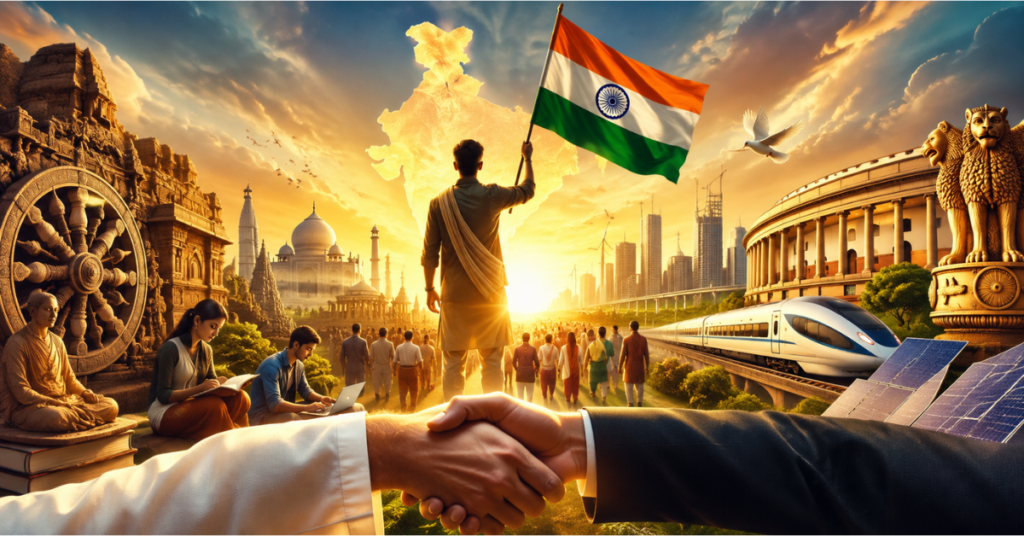
The Resolve for a New India
- India has now emerged from the darkness of dynasticism and corruption.
- Under the leadership of Prime Minister Modi, the country is on the path to becoming ‘Self-Reliant’ and ‘Developed.’
- The public is repeatedly giving a fitting reply to those who try to hurt the nation’s progress for their own political survival.
- This is the time to rise above personal interests and contribute to this great sacrifice for the nation.
🇮🇳 Jai Bharat, Vandematram 🇮🇳
Read our previous blogs 👉 Click here
Join us on Arattai 👉 Click here
👉Join Our Channels👈