Summary
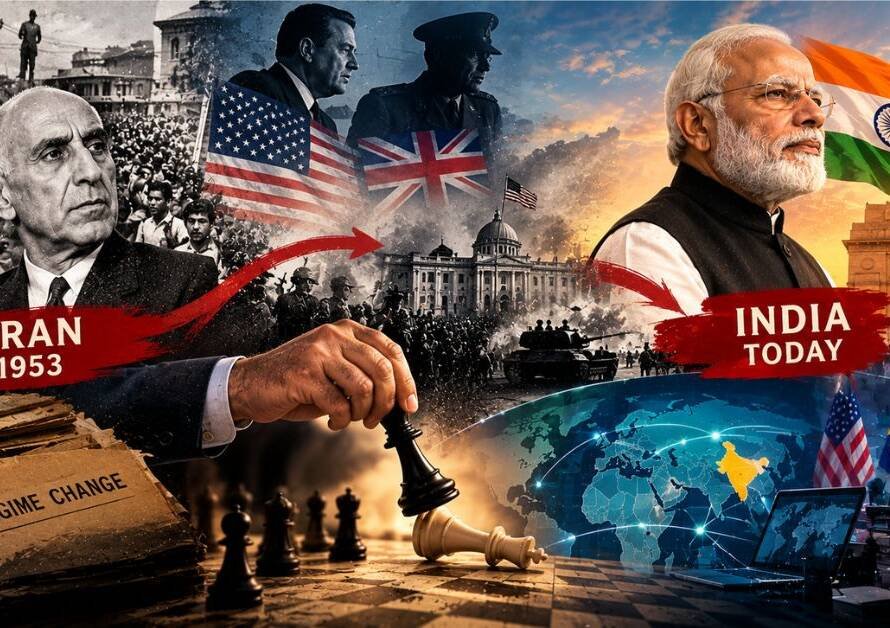
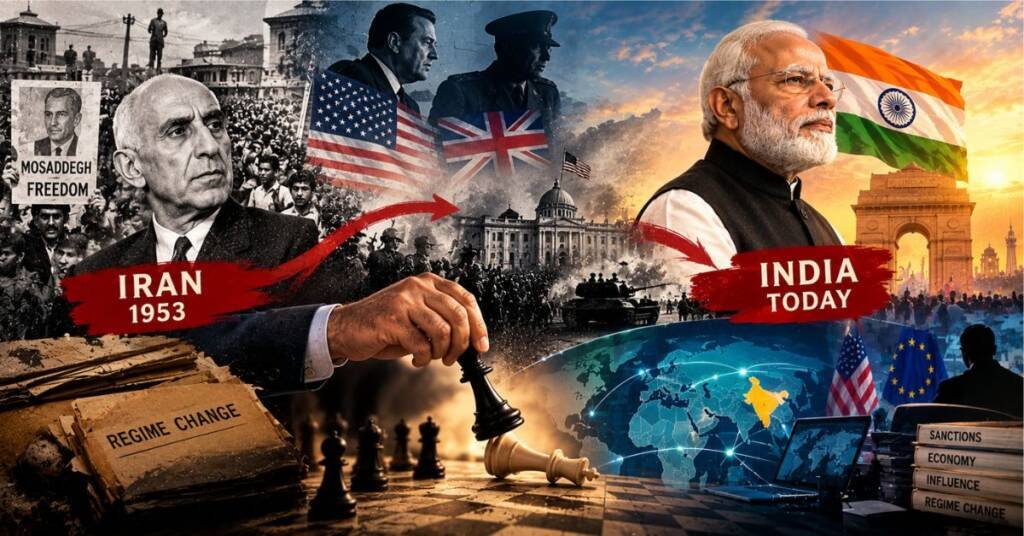
- This comprehensive narrative and geopolitical analysis bridges the historical precedent of covert foreign interference—beginning with Operation Ajax in Iran (1953)—with modern regime-change strategies across Venezuela, Pakistan, Sri Lanka, Bangladesh, and the ongoing international pressures against India.
- When sovereign developing nations prioritize national interests, strategic autonomy, resource nationalization, and economic self-reliance over foreign hegemony, global giants deploy organized toolkits to destabilize them internally.
- By weaponizing media narratives, branding democratically elected leaders as “dictators,” bribing local factions, and activating an internal anti-national ecosystem, external forces attempt to install compliant puppet regimes.
- As India expands its economic and diplomatic footprint on the world stage, recognizing these historical patterns and maintaining internal social cohesion becomes vital.
- For patriots and Sanatanis, remaining vigilant against global toolkits and standing firm with a progressive, nationalist government is essential to safeguarding sovereignty and ensuring the future of coming generations.
1. The Blueprint of Interference: Lessons from Iran 1951–1953
To understand how modern regime change and narrative warfare operate, one must examine history’s most documented covert intelligence operation: Operation Ajax in Iran.
- Nationalization of Natural Resources: In 1951, Dr. Mohammad Mosaddegh was elected Prime Minister of Iran on a patriotic platform. At the time, Britain held a virtual monopoly on Iranian oil, taking 84% of the profits while leaving only 16% for the host nation. On March 15, 1951, Iran’s parliament passed a landmark bill nationalizing its oil industry so its natural wealth could benefit its own citizens.
- The Covert Intelligence Strategy: When diplomatic and economic pressure failed to reverse Mosaddegh’s patriotic decision, foreign intelligence agencies (the CIA and British Intelligence) launched Operation Ajax in 1953 to overthrow him—not through a direct military invasion, but through internal destabilization:
- Media Warfare & Narrative Shaping: Massive funding was funneled to local journalists, editors, and commentators to run character assassination campaigns, shape negative public perception, and delegitimize the elected leadership.
- Orchestrated Social Unrest: Bribes were paid to orchestrate staged protests and street violence, turning different religious, political, and social factions of society against one another.
- Fabricated Autocracy Narratives: External economic blockades were imposed, and Mosaddegh was systematically framed in the international press as an autocrat ruining his country.
- The Devastating Outcome: In August 1953, Mosaddegh was overthrown, placed under house arrest, and Iran’s oil wealth was partitioned among foreign consortia. Decades of political instability followed. The core lesson of 1953 is clear: A nation’s sovereign trajectory was altered because internal divisions and media narratives were successfully weaponized from the outside.
2. The Modern Regime-Change Playbook Across the Globe
The fundamental blueprint executed in Iran in 1953 has been modernized through digital channels and deployed across multiple nations whenever foreign economic and geopolitical interests are threatened:
- Venezuela (2024): Following President Nicolás Maduro’s election victory, international toolkits instantly launched global digital trends alleging “vote theft” and “election fraud.” Western media outlets synchronized narratives branding the government a “dictatorship,” paving the way for foreign sanctions while elevating opposition leader María Corina Machado as the favored replacement.
- Pakistan: When former Prime Minister Imran Khan attempted to pursue an independent foreign policy, a relentless narrative labeling his administration a “dictatorship” was pushed by international media and political networks. The resulting instability led to his imprisonment and the installation of a compliant government aligned with external interests.
- Sri Lanka: Economic vulnerabilities were amplified through targeted digital narratives, street protests were coordinated, and social unrest was leveraged to force a complete collapse of the government and a total regime change.
- Bangladesh: A sustained global narrative campaign labeled Sheikh Hasina an autocrat. With the support of local operatives and amplified international pressure, her government was ousted, placing Nobel laureate Muhammad Yunus at the helm of an interim administration closely aligned with Western priorities.
3. The Target on India: Pressure, Narratives, and Internal Traitors
India’s rise as an economic superpower and its firm stance on strategic autonomy—purchasing discounted Russian oil, strengthening BRICS, expanding infrastructure, and putting India First—has made it a prime target for geopolitical engineering.
When global giants realize their economic and geopolitical hegemony is challenged by a strong India, they activate an internal anti-national ecosystem:
- Internal Traitors and the Anti-National Ecosystem: External powers leverage domestic puppets, compromised political elements, and ideologically driven groups to attempt to destabilize the democratically elected Modi government from within.
- Synchronized Narrative Toolkits: Coordinated campaigns regularly deploy targeted slogans and claims—such as “Modi is a dictator,” “EVMs are hacked,” “Democracy is in danger,” or asserting that the Indian economy is “dead”—to delegitimize democratic mandates and weaken public trust.
- Exploiting Social Fault Lines: Foreign-funded networks continuously attempt to weaponize domestic issues, caste divisions, regional differences, and social friction to create street-level disruption.
- Economic Pressures and Tariff Games: Threats of 25% to 50% tariffs and diplomatic pressure have been weaponized to force India to cut energy and trade ties with long-standing strategic partners like Russia.
- Resilience Under Strong Leadership: Despite severe international pressure and internal narrative warfare, India’s leadership has refused to compromise, backed firmly by a vigilant, patriotic, and Sanatani citizenry.
4. Imperatives for Patriots and Sanatanis to Protect Our Future
The historical parallels from 1953 Iran to modern-day global events offer critical takeaways for every patriotic citizen:
- Awareness of Global Toolkits: Patriots and Sanatanis must study history and remain alert to the global toolkits deployed by foreign powers to destabilize developing countries whenever their vested interests are hurt.
- Exposing the Dirty Game: We must recognize the insidious tactics of internal traitors and anti-national networks attempting to install a compliant puppet government, and instead stand tall with our patriotic and progressive leadership.
- Preserving Strategic Autonomy: A sovereign nation’s economic assets, natural resources, energy choices, and foreign policy must remain strictly in the hands of its elected leadership and its people.
- Strengthening National Unity: Internal divisions—whether based on religion, caste, language, or party ideology—are the primary vulnerabilities exploited by foreign adversaries during geopolitical rivalries.
- Protecting Future Generations: A single lapse in vigilance or a moment of foolishness will cost the nation dearly. There will be no second chance, and our future generations will pay the ultimate price if we allow foreign agendas to fragment our society.
- History teaches us that whenever a society allows itself to be divided by external agendas and internal traitors, the consequences affect every citizen, regardless of background or belief.
- To prevent India from being dragged into foreign-engineered instability, citizens must see through these coordinated toolkits, reject anti-national narratives, and remain united.
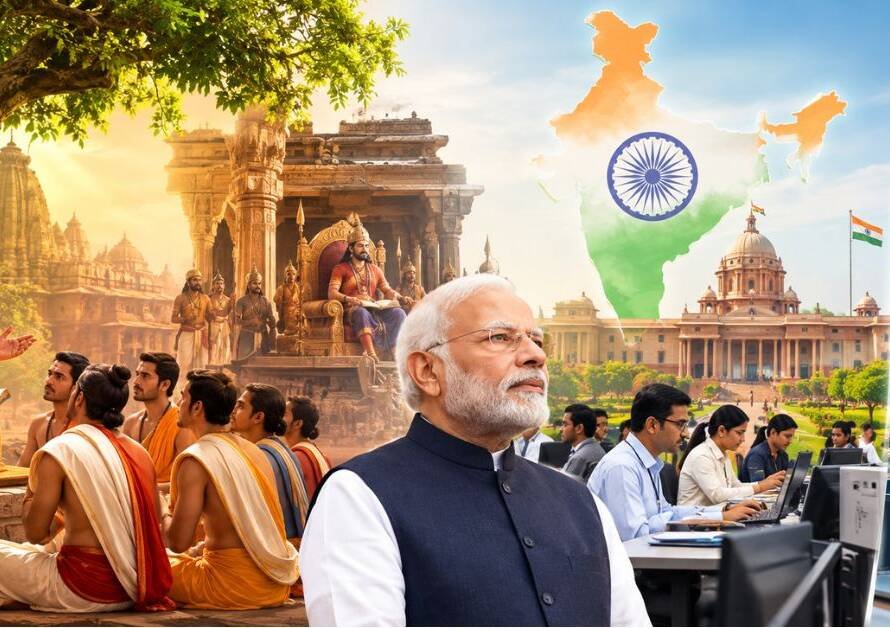
- Standing firm with a strong, nationalist, and progressive government is the only way to safeguard our country, protect our future generations, and ensure India fulfills its destiny as a global superpower and Vishwaguru.
Think, evaluate, and stay informed.
🇮🇳Jai Bharat, Vandematram 🇮🇳