Summary
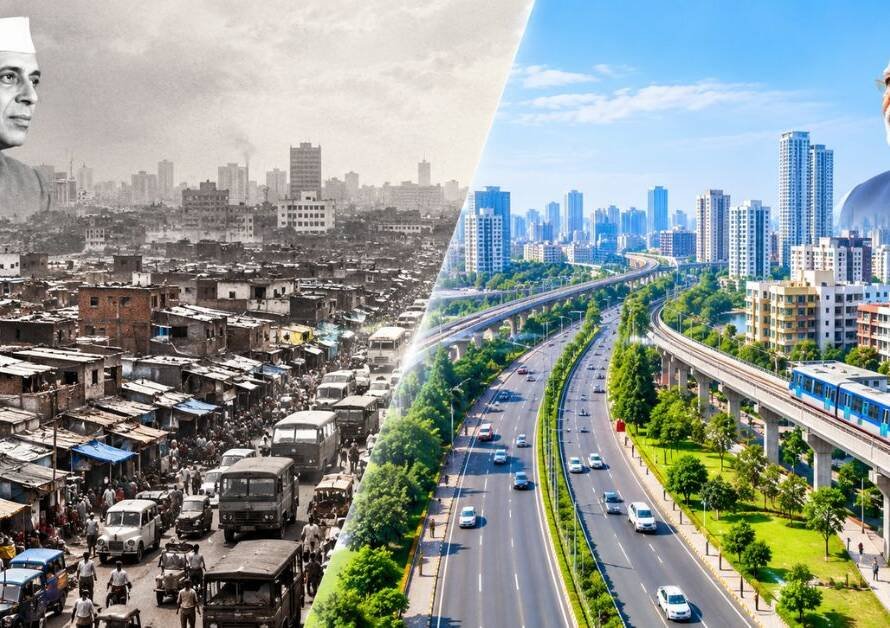
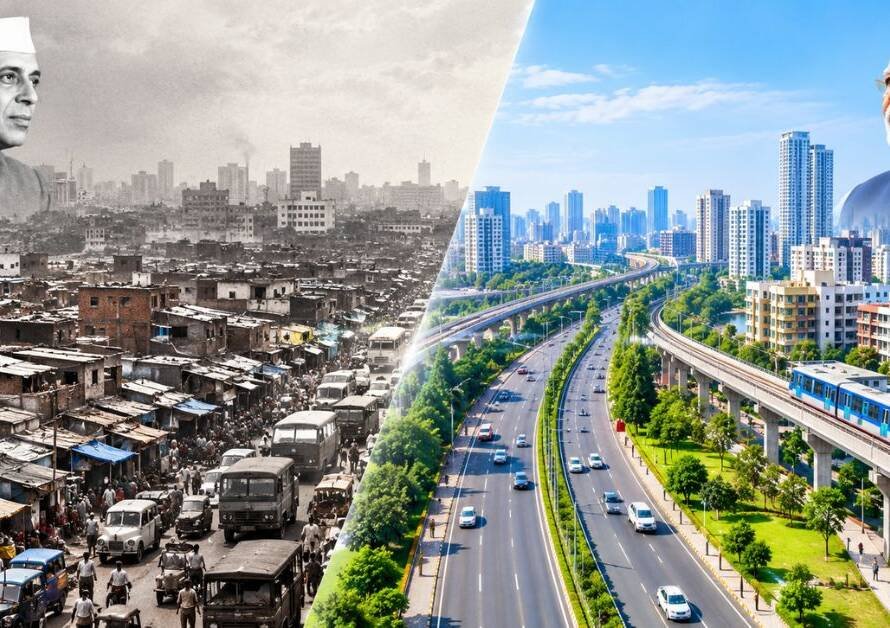
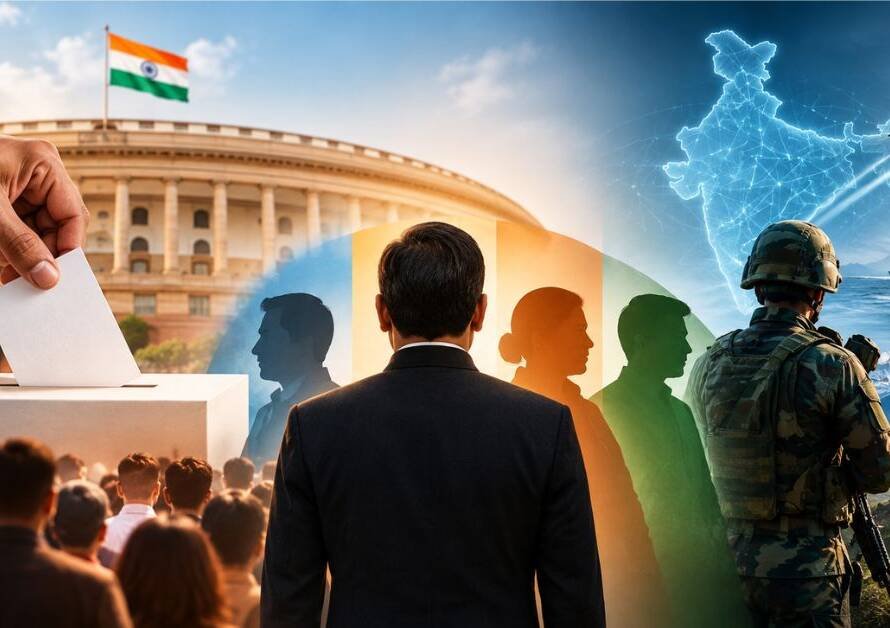
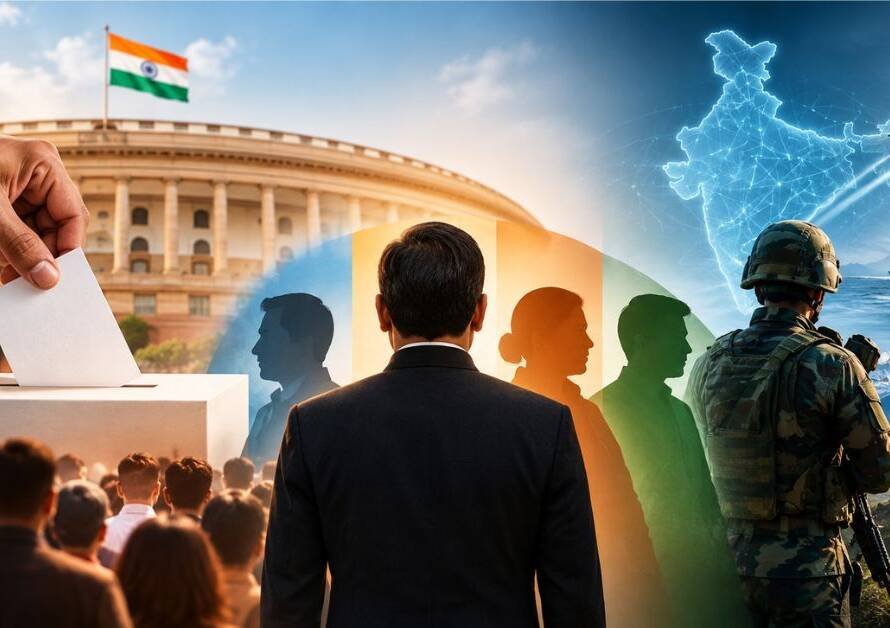
- This extensive narrative explores the monumental transformation of the Indian political and civilizational landscape from the era of “Adharma” and systemic corruption prevalent before 2014 to a modern revival rooted in ethical governance.
- It highlights the strategic imperative of ‘Krishna Neeti’—the synthesis of sophisticated diplomacy and righteous action—to dismantle traitorous and anti-national ecosystems.
- The discourse posits that the survival of the Hindu society and the protection of global humanity against extremism and nuclear brinkmanship depend on the unconditional political and social unification of the people under the eternal principles of Sanatana Dharma.
1. The Historical Abyss: The Pre-2014 Era of Decay
Before 2014, the Indian state was often described as being in the grip of an “Adharmic” ecosystem. This was a period where the foundational interests of the nation were consistently traded for short-term political survival and personal enrichment.
- The Ecosystem of Thieves and Dacoits: Politics was largely a sanctuary for anti-social elements. Legislative bodies were increasingly populated by individuals with criminal backgrounds, ranging from financial fraudsters to violent offenders. This created a culture of fear that effectively barred the young, educated, and ethical segments of society from entering public service.
- Bleeding the National Interest: An intricate network of “anti-national” and “anti-Hindutva” forces worked in tandem to weaken the country from within. Corruption was not merely a byproduct but the primary objective of governance. Public funds intended for infrastructure, healthcare, and defense were systematically siphoned off, leaving the nation vulnerable and the common citizen disillusioned.
- The Suppression of Intellectualism: True intellectuals and patriots were marginalized. In their place, a “pseudo-intellectual” class was promoted—one that prioritized foreign ideologies and colonial mindsets over indigenous wisdom. This led to a profound “identity crisis” where the country was being led by people who were culturally and spiritually disconnected from the soil of Bharat.
2. The Great Purification: The Last Twelve Years
The arrival of the Modi-led administration marked the beginning of a relentless “Shuddhikarana” (purification) of the political landscape. The last twelve years have been defined by a systematic purging of the old, corrupt structures to make way for a mission-driven governance model.
- Restoring Ethical Foundations: The transition from “entitlement-based” politics to “performance-based” politics has been the hallmark of this era. By leveraging technology and transparency, the government has dismantled the “middleman culture” that once defined the corridors of power in Delhi.
- The Rise of the Professional Politician: There is a visible shift toward bringing “Subject Matter Experts” and ethical professionals into the fold of leadership. This has encouraged a new generation of youth to view politics not as a “dirty game” but as a high calling for national service.
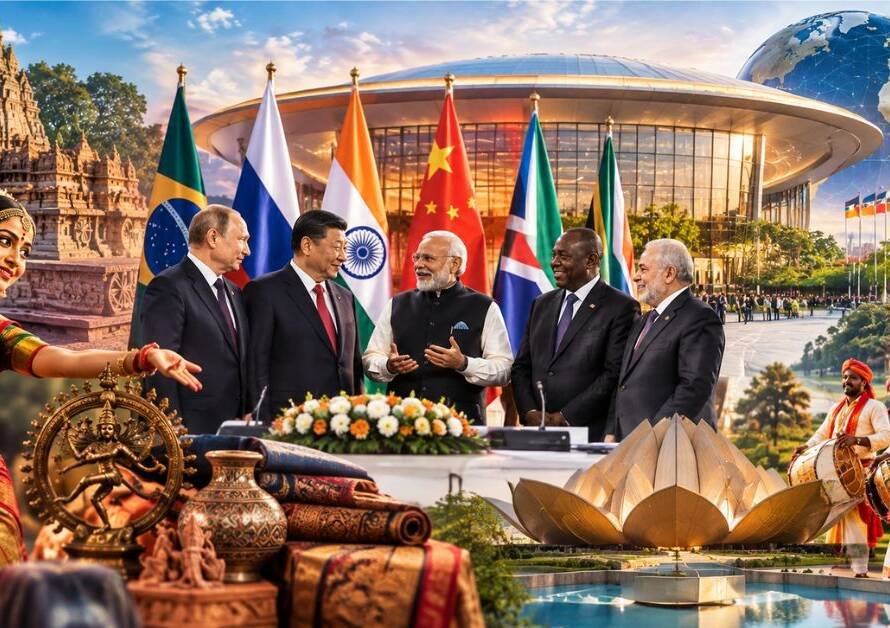
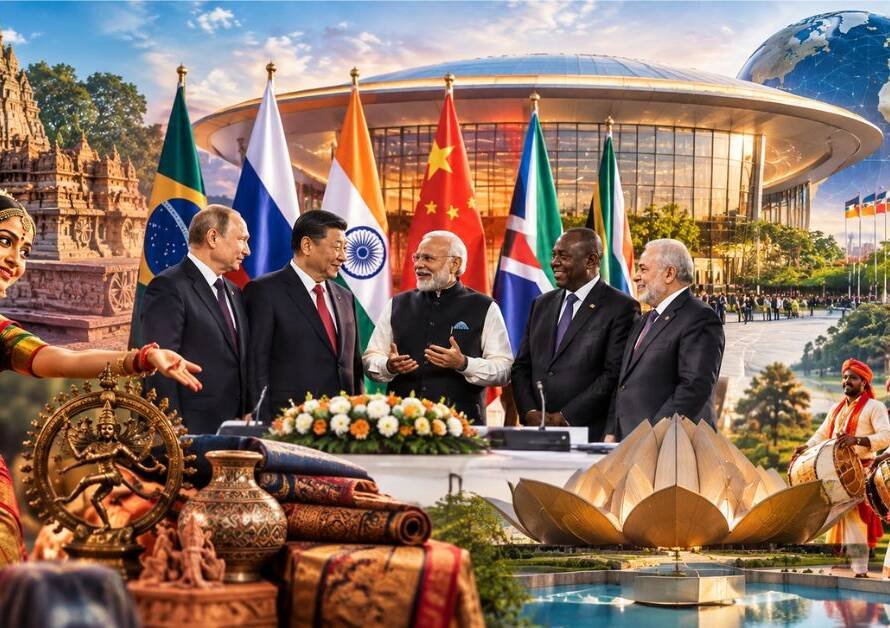
- Security and Sovereignty: The focus has shifted from being a “soft state” to a “smart and strong state.” Whether through surgical strikes against terror or the push for “Atmanirbhar” (Self-Reliance) in defense and digital sectors, the nation is reclaiming its sovereign right to protect its interests without seeking permission from external powers.
3. The Strategic Imperative: Implementing ‘Krishna Neeti’
To secure the total victory of Sanatana Dharma over the “Adharmic” ideological and traitorous elements, India must move beyond conventional frameworks and adopt the strategic rigor of Krishna Neeti.
- Righteous Warfare and Diplomacy: As expounded by Lord Krishna in the Bhagavad Gita, Dharma is not a call to passive submission but a mandate for righteous action. Krishna Neeti teaches that when dealing with forces committed to the destruction of society, one must use sophisticated strategy, psychological depth, and decisive strength.
- Dismantling the Internal Ecosystem: There are elements within the country—often referred to as “sleeper cells” of an anti-national ideology—who work to stall India’s progress. Krishna Neeti dictates that these traitors must be identified, exposed, and neutralized within the legal and dharmic framework to ensure the body politic remains healthy.
- Strategic Deception and Absolute Truth: Krishna demonstrated that the ultimate truth (Satya) is protected through tactical brilliance. India must employ this “Neeti” on the global stage—protecting its civilizational identity while outmaneuvering those who use international institutions to target Hindu society.
4. The Survival and Duty of Hindu Society
The current global climate is one of extreme volatility. For the Hindu society, Sanatana Dharma, and the nation of Bharat to survive and thrive, a new level of social and political consciousness is required.
- Unconditional Political Unification: The time for fragmented voting and internal bickering is over. If the Hindu society wishes to avoid the fate of lost civilizations, it must provide unconditional political support to the forces that are actively working to restore the glory of Sanatana Dharma.
- Social Cohesion as a Shield: The “Divide and Rule” tactics used by colonial powers are still being employed by modern anti-national elements. Social unity across all strata of society is the only way to create an impenetrable shield against ideological subversion.
- Leading the National Agenda: The society must not be reactive but proactive. It must lead the charge in making the country a superpower, ensuring that the “Objective of Becoming a Vishwaguru” is supported by every household through the practice of Dharmic values in daily life.
5. Countering Global Ideological Extremism
India stands as the last great bastion of an ancient, continuous civilization. It is currently the only power capable of offering a counter-narrative to the looming dangers of extremist ideologies.
- The Threat of Radicalism: The world is currently grappling with the expansionist philosophies of Jihad, extremism, and the desire for a global Khilafat. These ideologies are fundamentally incompatible with the pluralistic and harmonious nature of Sanatana Dharma.
- The Nuclear Brink and Material Greed: On the other end of the spectrum, the “war-torn world” is being pushed to the brink of nuclear annihilation by the geopolitical greed of expansionist powers—both religious and economic. The obsession with “expansion” at any cost has left the globe fractured.
- Sanatana as the Harmonious Alternative: Unlike expansionist creeds, Sanatana Dharma does not seek to “convert” or “conquer” for the sake of ego. It seeks to “balance.” By applying the eternal principles of Dharma, India can offer the world a model of coexistence that is safer and more sustainable than the current materialist-extremist binary.
6. The Road to Vishwaguru: Protecting Humanity
The rise of India is not merely a nationalist project; it is a humanitarian one. A strong, Dharmic India is a prerequisite for a safer world.
- The Moral Compass of the Globe: In a world lost in “geopolitical greed,” India acts as the moral compass. The principle of Vasudhaiva Kutumbakam (The World is One Family) is not a sign of weakness but a vision for a world where every culture is respected under the overarching law of Dharma.
- Protecting Global Humanity: By defeating “Adharmic” forces at home, India gains the strength to protect humanity abroad. This includes leading in areas of environmental ethics, spiritual hygiene, and ethical technology.
- The Final Resolution: The objective of becoming a “Superpower” is not to dominate, but to serve as a “Vishwaguru”—a teacher that leads the world from the darkness of conflict to the light of harmony (Tamuso Ma Jyotirgamaya).
7. The Dawn of a New Civilization
- This is the “Amrit Kaal”—the decisive era where the efforts of the last twelve years must be consolidated. The purge of the “dirty politics” of the past is nearly complete, but the construction of the future requires the active participation of every ethical and intellectual citizen.
- We must embrace the wisdom of the Bhagavad Gita, applying the strategic depth of Krishna Neeti to secure our borders, our minds, and our cultural heritage.
- The unconditional unity of the Hindu society is the fuel that will propel the “Bharat Rath” forward. By standing firm in our eternal principles, we will not only protect ourselves from the threats of extremism and nuclear war but also lead the entire world toward a safer, more harmonious future.
The victory of Sanatana Dharma is the victory of humanity itself.
🇮🇳 जयभारत, वन्देमातरम 🇮🇳
Read our previous blogs 👉 Click here
Join us on Arattai 👉 Click here
👉Join Our Channels👈