Summary
- The current global crisis is rooted in the aggressive pursuit of ideological dominance, sectarian expansionism, and the corrosive influence of political ego and commercial greed.
- Historical rivalries—such as those between Catholics and Protestants or Shias and Sunnis—illustrate how internal fractures and the drive for conversion destabilize humanity.
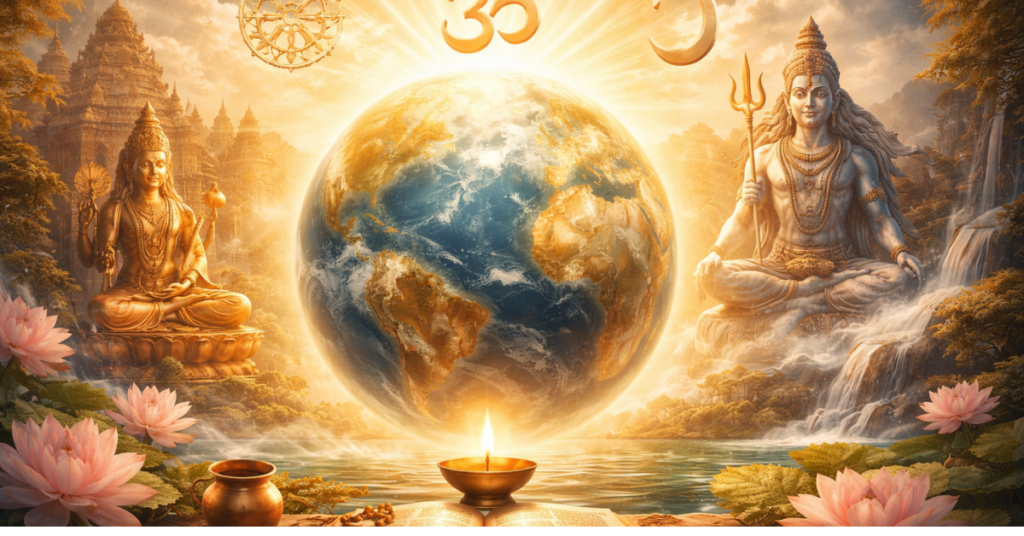
- In contrast, the Sanatana Dharma tradition provides a blueprint for harmony through the synthesis of Shaivism and Vaishnavism, proving that pluralism can be institutionalized.
- The ultimate solution to prevent human destruction lies in the philosophy of Vasudhaiva Kutumbakam, which replaces the “othering” of expansionist ideologies with a vision of the world as one family, prioritizing collective welfare over dominance.
The Need for Global Harmony and the Current Context
1. The Modern Crisis: Ideological Dominance and the “Othering” of Humanity
The world today is facing an existential threat not just from physical weapons, but from the mental constructs of “dominance” and “exclusion.” When ideologies—whether religious or political—seek to eliminate diversity in favor of a singular, forced narrative, humanity suffers.
- The Missionary Impulse: The drive for missionary conversion fundamentally views the “other” as someone who is “wrong” or “incomplete.” This creates a spiritual hierarchy that naturally leads to friction and the erosion of indigenous cultures.
- The Political Khilafat: The pursuit of a Khilafat or any theocratic political dominance turns faith into a tool for territorial expansion. It prioritizes the state over the soul and uses religious identity as a weapon for geopolitical leverage.
- The Cult of Personality and Ego: Modern politics is often driven by the egos of leaders who view power as an end in itself. These leaders frequently form “Thugbandhan” (alliances of convenience) to protect their interests, labeling any movement for national resurgence as undemocratic to mask their own self-serving agendas.
- Destructive Commercialism: When “greed is good” becomes the operating manual for society, the environment and human dignity are sacrificed. Commercialism treats people as consumers rather than conscious beings, fueling a cycle of never-ending desire and global inequality.
2. Historical Sectarianism: A Legacy of Internal Friction
A significant portion of world history has been defined by blood spilled between subgroups of the same parent religion. This internal rivalry proves that without a philosophy of synthesis, even shared core beliefs cannot prevent conflict.
The Christian Schism: Catholics vs. Protestants
- The Thirty Years’ War: One of the most destructive conflicts in European history, it was fueled by the inability of two Christian sects to coexist. It treated theology as a zero-sum game.
- The Aftermath: Peace was eventually found through secular exhaustion—the realization that neither side could be completely annihilated. However, the scars of this rivalry influenced centuries of colonial competition and social division.
The Islamic Schism: Shias vs. Sunnis
- The Struggle for Legitimacy: Rooted in early disputes over succession, this divide has been weaponized by modern states to fuel proxy wars across the Middle East.
- Geopolitical Impact: The rivalry has often overshadowed the core spiritual message of the faith, turning religious interpretation into a boundary for political loyalty and exclusion.
3. The Sanatana Solution: Harmonizing Shaivism and Vaishnavism
While other traditions struggled with internal fragmentation, Sanatana Dharma developed a unique mechanism to reconcile its two largest traditions: Shaivism (devotees of Shiva) and Vaishnavism (devotees of Vishnu). This wasn’t a forced merger but a philosophical realization of unity.
- The Principle of Harihara: The creation of the deity Harihara—half Vishnu, half Shiva—served as a literal representation of non-duality. It taught the masses that the Preserver and the Destroyer are two sides of the same cosmic coin.
- The Trimurti Framework: By defining a functional Trinity (Brahma, Vishnu, Shiva), the tradition ensured that no single deity could be “superior” because the cosmic cycle (Creation-Preservation-Dissolution) requires all three to function.
- Adi Shankara’s Synthesis: Through Advaita Vedanta, it was established that while the Ishta Devata (chosen deity) might differ based on an individual’s temperament, the underlying Brahman (Ultimate Reality) is identical.
- The Puranic Interplay: The scriptures themselves are filled with narratives where Shiva praises Vishnu and Vishnu worships Shiva, fostering a culture where the followers of one were encouraged to respect the other.
4. Vasudhaiva Kutumbakam: The Only Way Out
The philosophy of Vasudhaiva Kutumbakam (The World is One Family) is the antidote to the destructive forces of ego, greed, and dominance. It shifts the paradigm from “conquering the world” to “embracing the world.”
- Universal Kinship: When the world is viewed as a family, the concept of a “stranger” or an “enemy” disappears. A family thrives on the success of all its members, not just the dominance of one.
- Sarve Bhavantu Sukhinah: This prayer for the welfare of all beings—regardless of their faith or nationality—is the ultimate rejection of expansionist zeal. It prioritizes the “Happiness of All” over the “Conversion of All.”
- The End of Greed: By integrating the principles of mental stability and contentment (as explored in your research on consciousness), society can move away from the “greed” that drives conflict. When success is measured by internal balance, the urge to exploit others for material gain vanishes.
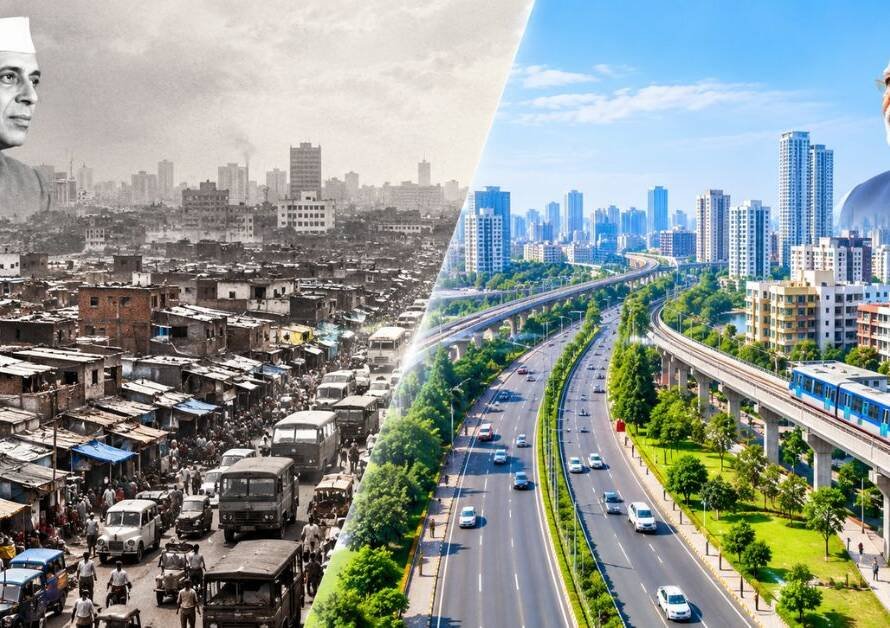
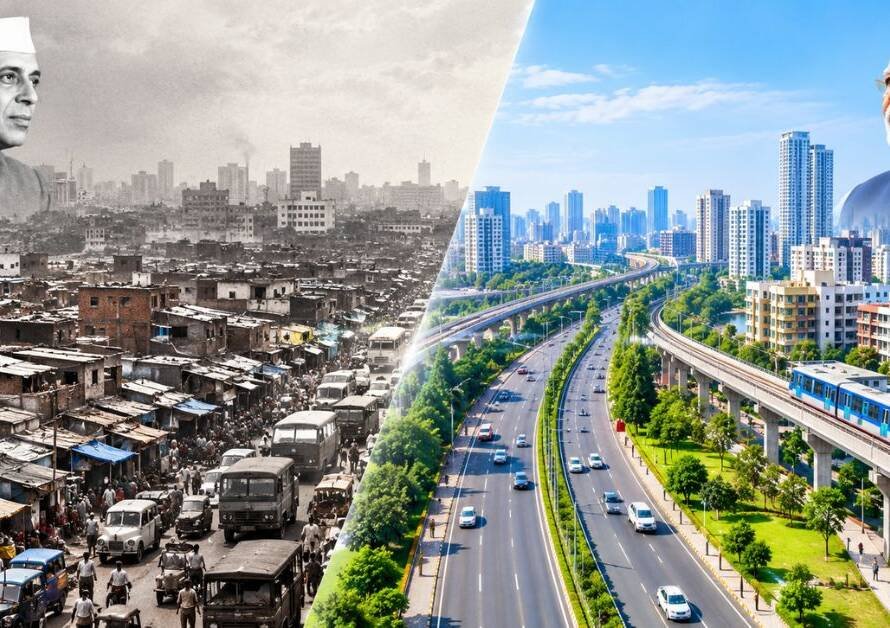
- National Resurgence and Progress: True progress occurs when a nation moves past the manufactured outcries of those who fear change. Under principled leadership, the focus shifts to national integrity, legal transparency, and the upliftment of every citizen, making the country a beacon of pride on the global stage.
5. From Conflict to Coexistence
If humanity is to survive though the 21st century, the era of religious and ideological expansionism must end.
- Christians must move beyond the mandate of missionary conversion to respect the spiritual sovereignty of others.
- Muslims must transition from the concepts of Jihad and Khilafat toward a focus on internal spiritual struggle and peaceful pluralism.
- Hindus must guard against the secular traps of commercialism and ego, returning to the core Vedantic truth of universal unity.
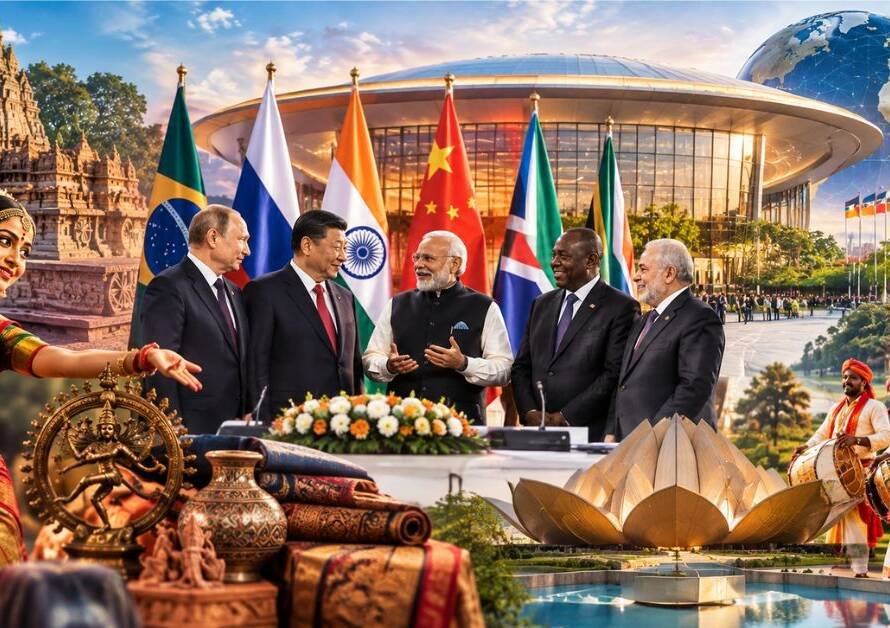
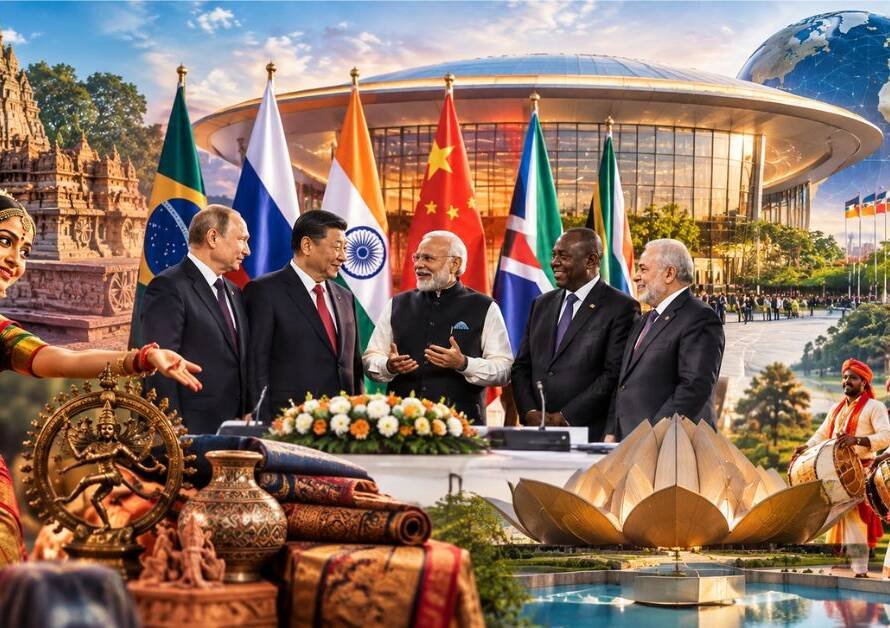
By adopting the Sanatana principle of peaceful coexistence, the world can move away from the “Thugbandhan” of power-hungry politicians and toward a future where diversity is celebrated as a manifestation of a single, underlying Truth.
- The progress of the nation and the world is not found in dominance, but in the harmonious welfare of the entire human family.
🇮🇳Jai Bharat, Vandematram 🇮🇳
Read our previous blogs 👉 Click here
Join us on Arattai 👉 Click here
👉Join Our Channels👈