Summary:
- This article highlights the internal contradictions of contemporary Indian society, specifically the Hindu community. While the government has made unprecedented and successful efforts over the last 12 years to uplift the nation and its culture through administrative and policy measures, a large section of society remains trapped in personal selfishness, ego, and a “complaining mindset.”
- The narrative emphasizes that the government can only be a facilitator; the ultimate responsibility for social reform and cultural preservation lies with the citizens, spiritual leaders, and social organizations.
- Until the society embraces self-reform and unity, achieving the nation’s full glory remains an impossible dream
Hindu Society in the Darkness of Selfishness: Confronting Social Inertia and the Challenge of Resurrection
1. Introduction: The Fall from ‘Vasudhaiva Kutumbakam’ to Personal Greed
Today, we stand at a crossroads where a deep chasm exists between our glorious past and a challenging future. The Hindu society, which once taught the world the lessons of ‘Sarve Bhavantu Sukhinah’ (May all be happy) and ‘Vasudhaiva Kutumbakam’ (The world is one family), is now withdrawing into its own shell.
- The Erosion of Ideals: A society once known for its altruism has now lost its way in the fog of “Self” and “Selfishness.”
- Moral Crisis: Our collective consciousness is fragmented. It has been replaced by an individualistic mindset where a “neighbor’s pain” is no longer shared but conveniently ignored.
2. Twelve Years of Perseverance: The Role and Success of the Government
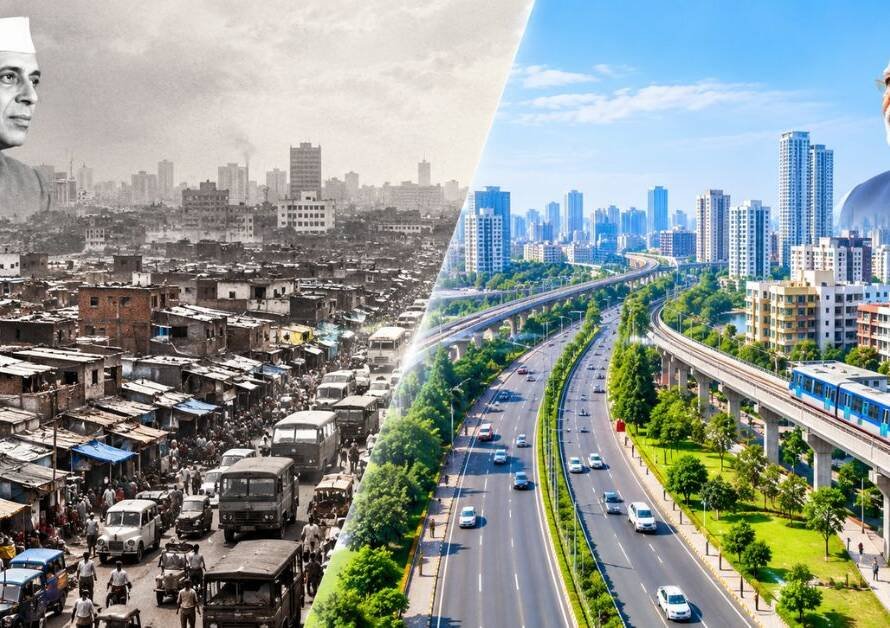
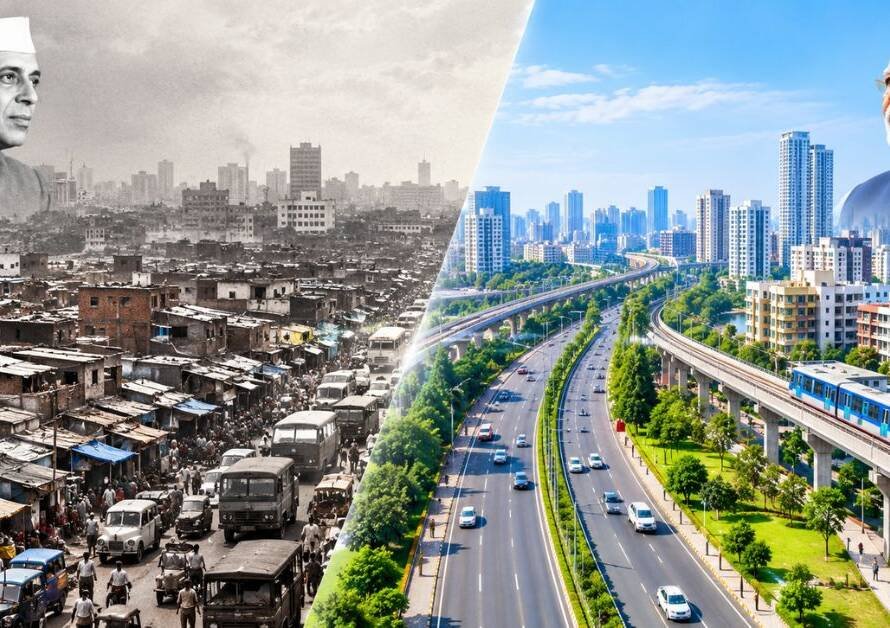
It is an indisputable truth that over the last 12 years, the government has worked tirelessly and successfully to awaken the national consciousness. Decisions have been made at the policy level that have reinstated Hindu identity and India’s global image.
- Cultural Resurgence: The construction of the grand Ram Mandir in Ayodhya, the transformation of the Kashi Vishwanath Dham, and the rejuvenation of various cultural centers are testaments to the government’s political will.
- Policy Courage: The abrogation of Article 370 and stringent steps in internal security demonstrate a commitment to making the nation powerful.
- Global Recognition: The prestige gained by Yoga, Ayurveda, and Indian knowledge systems on international platforms is the result of successful diplomatic and cultural efforts over the last decade.
3. The Irony: Governmental Proactivity vs. Social Apathy
This is where the greatest contradiction begins. While the administration and power are pouring their heart and soul into the nation, a large section of society remains passive and indifferent.
- Complaints Without Cooperation: A significant portion of society constantly chants the mantra that “the government is doing nothing for us.” The bitter truth is that these are often the same people who neither pay taxes honestly nor contribute to any social cause.
- The Dependency Mindset: We have assumed that protecting religion, preserving values, and maintaining social cleanliness is strictly the government’s job. Society has become a mere “silent spectator,” busy only in criticism.
- A Sense of Ingratitude: Even when long-pending changes are successfully implemented, a section of society wastes its energy finding faults instead of celebrating it as a collective victory.
4. The Malignant Cankers Within: Ego and Internal Conflict
Our society is currently less wounded by external invasions and more by internal jealousy.
- Litigation and Intrafamily Feuds: It is deeply unfortunate that more than half of Hindu families are fighting legal battles in courts against their own kith and kin. Blood relations are being shredded for small pieces of land or money.
- Clash of Egos: People talk about “unity” on public platforms, but when it comes to working together, egos like “Why isn’t my name on top?” or “Why is my dominance not established?” act as massive hurdles.
- Desensitization: Compassion is dying. The way private hospitals trade on the helplessness of patients is a glaring example of our moral decay.
5. Institutional Failure: The Silent Selfishness of Spiritual Leaders and Organizations
The spiritual institutions and Dharmagurus, who were tasked with guiding society, are failing to do justice to their roles.
- Commercialization: Puja, Yagyas, and religious rituals have ceased to be paths of spiritual practice and have instead become tools for display of power and wealth accumulation.
- The Race for Branding: Various spiritual organizations are busy “branding” themselves and increasing their follower counts rather than collaborating for the national interest.
- Lack of Grassroots Impact: Most religious leaders have limited themselves to preaching from stages rather than working on the ground to eradicate social evils like dowry, drug abuse, or resolving community disputes.
6. Cultural Servitude: The Crisis of Education and the Next Generation
Convent schools and English-medium education have made our new generation mentally enslaved.
- Indian in Body, Western in Mind: Today’s generation has begun to view its roots as “old” and “backward.” Instead of understanding the scientific basis of Hinduism, they dismiss it as superstition.
- Lack of Sanskaras (Values): Convent culture has made children competitive, but not “cultured.” The result is the increasing number of old-age homes and broken families.
- Limitations of Government: The government can change the education policy, but providing values at home and taking children to temples or mentors is the job of parents and society—a task we have forgotten.
7. The Path to Resolution: Social Self-Reform
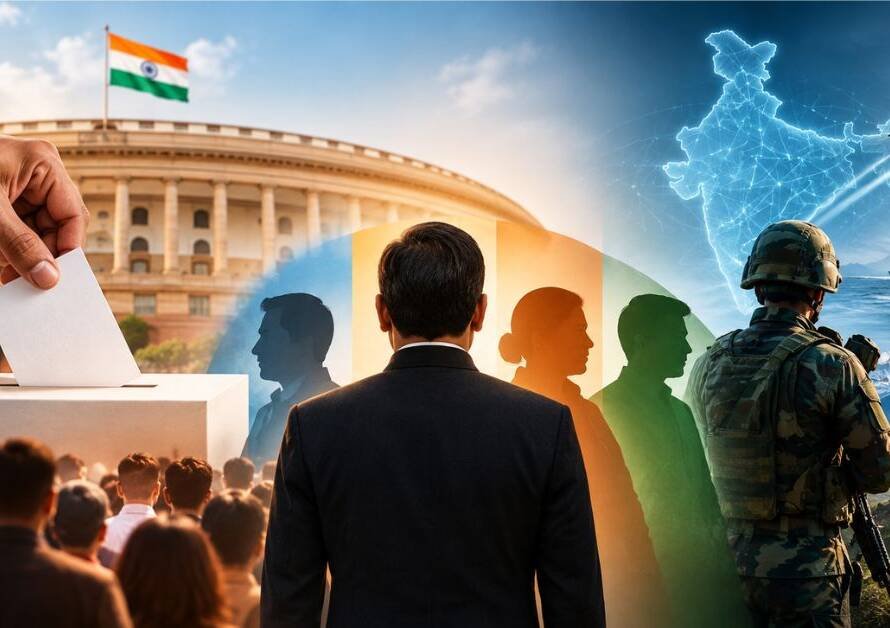
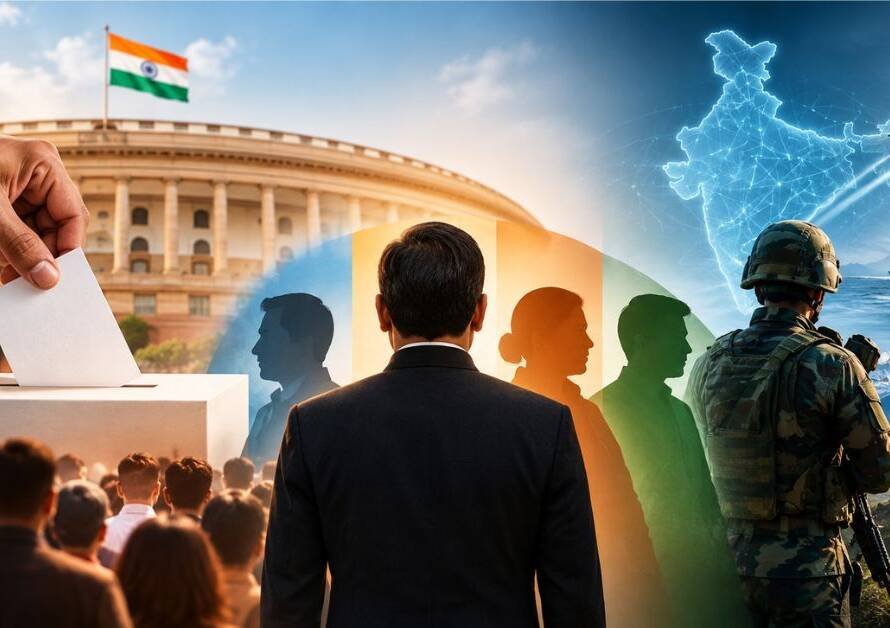
We must accept the truth that the government is only a ‘Facilitator’; it cannot be a substitute for society. The country will only succeed when the society reforms itself.
- Stop Complaining, Start Supporting: We must provide unconditional support to the government that has been fighting for our existence for the last 12 years. We must abandon the tendency to look toward the administration for every minor issue.
- Reduce the Burden on the Judiciary: Resolve small disputes through mutual dialogue and family mediation. Stop wasting energy and money in courts; invest it in nation-building instead.
- Make Religion a Practice (Sadhana): Free rituals from the clutches of showmanship and make them the foundation of the society’s spiritual strength.
- Organized Hindu, Capable Bharat: Abandon the ego of castes and minor differences and start thinking as a unified “Hindu Entity.”
8. Conclusion: The Vow of Resurrection
- If we truly wish to see India as the ‘Jagadguru’ (World Leader), we must cast away our inertia.
- When the society awakens, only then does the nation shine.
- The 12 years of penance by the government will only reach fruition when we stand as disciplined, cultured, and cooperative citizens.
- We must pierce through the “Darkness of Selfishness” and move toward the “Light of Duty.”
Ultimately, just like the “Gilheri” (Squirrel), small individual contributions will build the bridge upon which India will march toward its ultimate glory.
🇮🇳जय भारत, वन्देमातरम 🇮🇳
Read our previous blogs 👉 Click here
Join us on Arattai 👉 Click here
👉Join Our Channels👈