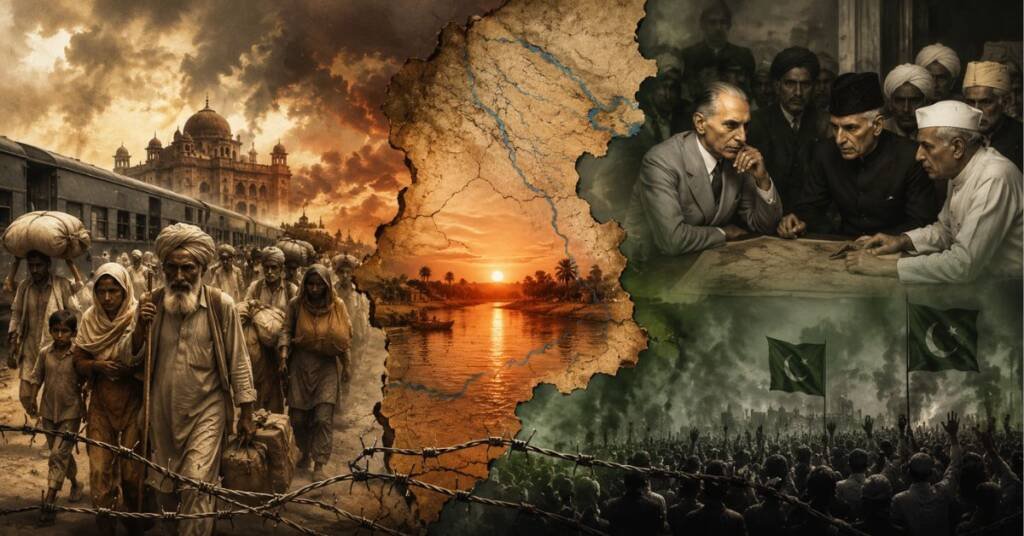
Summary:
- This detailed commentary serves as a historical and ideological document detailing the terrible tragedy of the 1947 Partition of India, as well as the organized, brutal atrocities committed against Hindus and Sikhs in West Pakistan (Punjab, Sindh, NWFP) and East Bengal.
- The article highlights how, on one hand, Hindus and Sikhs (particularly the Sindhi and Punjabi communities) who were displaced and lost everything arrived in India to rebuild their lives with self-respect and hard work without begging. On the other hand, it critiques seven decades of one-sided vote-bank politics and appeasement that led to the marginalization of the majority Hindu community in their own country.
- The piece directly addresses pseudo-liberal historical narratives and emphasizes the resolve to acknowledge historical truth and reclaim the cultural heritage of ‘Sindh’.
The Historical Truth of Appeasement
Introduction: The Trauma of 1947 and a Civilization’s Wound
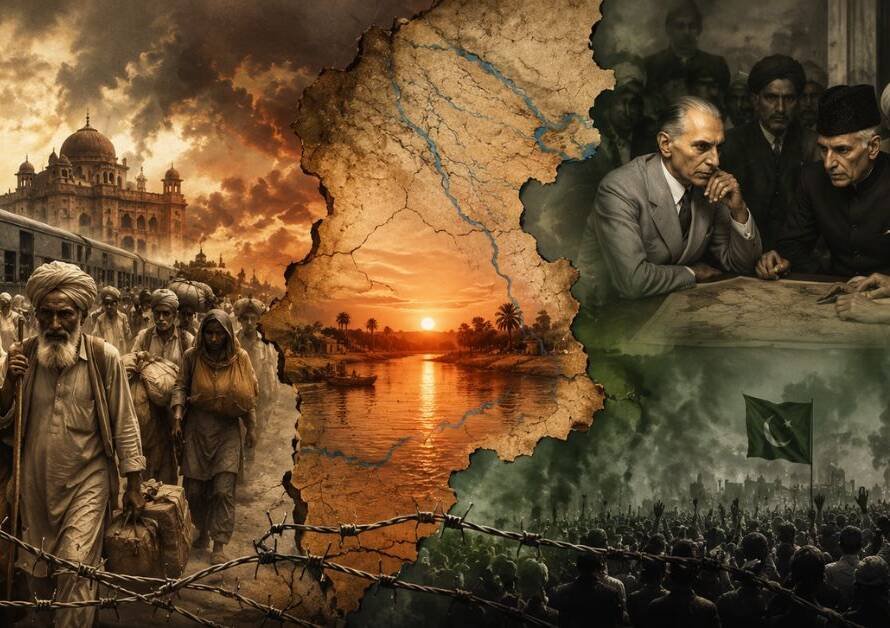
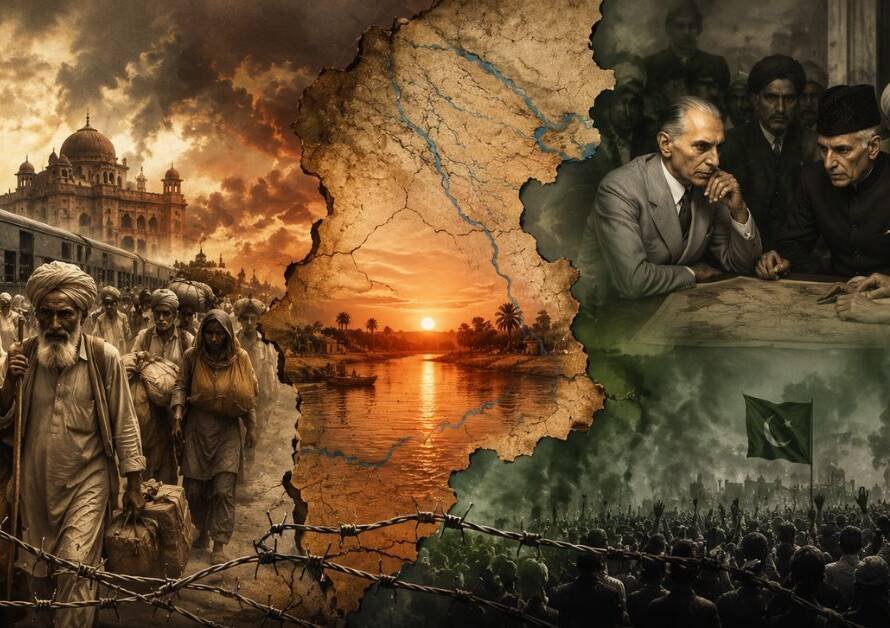
- August 14 and 15, 1947, were not merely dates marking the transfer of power; they marked the announcement of one of the most horrific tragedies in modern human history. The bloodshed following the division of British India along religious lines tore apart civilizational values.
- Driven by Lord Mountbatten’s haste and the political shortsightedness of the leadership at the time, an unprecedented wave of brutality was unleashed against non-Muslims in West Pakistan (Punjab, Sindh, NWFP) and East Bengal.
- In the process of Partition, an estimated 15 to 18 million people were displaced, and historical estimates suggest between 500,000 and 2 million innocent Hindus and Sikhs were brutally killed.
- It was not merely a division of land, but an assault on the lives, dignity, and faith of millions—a deep wound whose pain lingers in India’s collective consciousness to this day.
The Carnage of 1947: Brutal Atrocities Against Hindus
The cruelty displayed during the Partition riots shamed humanity. On both the Western and Eastern fronts, Hindus and Sikhs were systematically targeted:
- Massacres and Trains Laden with Corpses: Entire villages were burned to ashes, and homes and shops were torched to the ground. Massacres were carried out amidst violent extremist slogans. On August 15, when a train from Lahore arrived in Amritsar, it was filled with dead bodies, carrying a message written on the compartments: “With compliments to Independent India from Pakistan.”
- Assaults on the Honor of Women: An estimated 75,000 to 100,000 Hindu and Sikh women were abducted, raped, and forcibly converted. Thousands of women sacrificed their lives by jumping into wells, consuming poison, or committing mass self-immolation (Jauhar) to protect their dignity and faith from mob violence.
- Targeted Violence from Noakhali to the Border: The violence began well before August 1947. Following the Muslim League’s “Direct Action Day” in 1946, massacres, rapes, and forced conversions were carried out against Hindus in Kolkata and across the Noakhali and Tippera districts of East Bengal. Demographic studies indicate that approximately 840,000 Hindus and Sikhs were reported “missing” from West Pakistan—meaning they were killed or forcibly converted.
Historical Injustice to Sindh: Lost Everything, but Kept Their Self-Respect
During Partition, the Sindhi community faced severe injustice. While Punjab and Bengal were partitioned and the Muslim-majority Sylhet district of Assam was given to Pakistan, the Tharparkar district of Sindh (which had an over 80% Hindu majority) was not merged into India.
- Failure of Leadership: Prominent Sindhi leaders such as Acharya Kripalani, Jairamdas Daulatram, and Dr. Choithram Gidwani held major leadership positions during the freedom struggle, yet failed to secure even a single district of Sindh for India.
- The Saga of 12 Lakh Sindhis: Over 1.2 million Sindhis arrived in India having lost all their wealth and belongings. They lived in refugee camps, facing hunger and severe hardship, but not a single Sindhi resorted to begging. They rejected government doles, worked hard, rebuilt their lives from scratch, and stood on their own feet. Though they lost their homeland, they never compromised their faith or self-respect.
The Political Paradox of Partition: Appeasement and Vote-Bank Politics
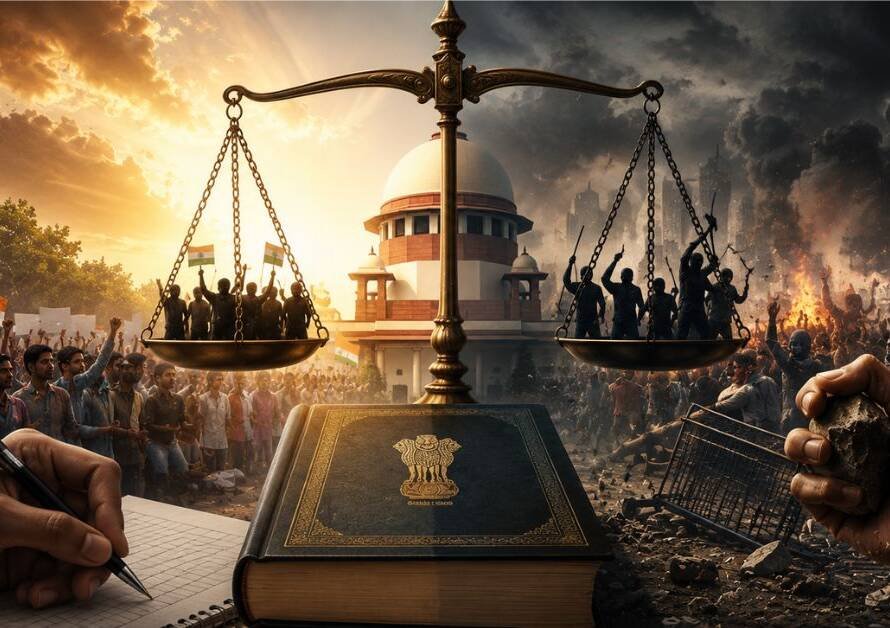
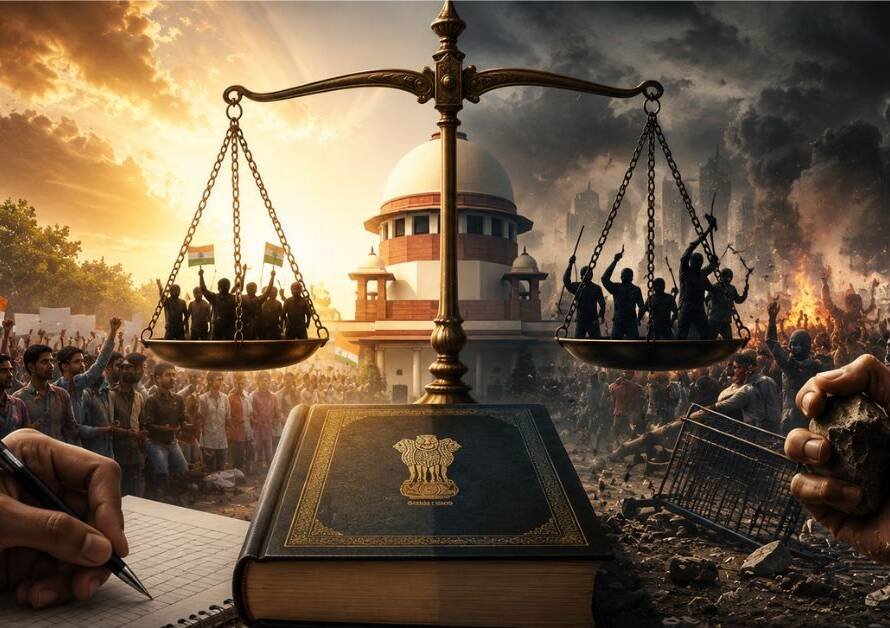
When Pakistan was carved out as a separate nation on religious grounds in 1947, the expectation was that Partition would bring lasting peace to the subcontinent. However, subsequent history turned into a narrative of deep political and social paradoxes:
- One-Sided Displacement and Appeasement: Almost the entire Hindu and Sikh population was forced to flee Pakistan and East Pakistan (now Bangladesh) to save their lives. Conversely, in India, political parties used the remaining minority populations as a consolidated ‘vote-bank’ for nearly seven decades.
- Marginalization of the Majority: The majority Hindu community, which bore the brunt of Partition and lost its ancestral lands and countless lives, often found itself sidelined in political discourse. Under the guise of minority appeasement, special constitutional and financial privileges were extended selectively, while the majority community had to fight social and legal battles for its own cultural rights.
- Rise of Extremism: Political protection and vote-bank strategies allowed radical elements to find footing in various regions, posing continuous challenges to internal security decades after independence.
Pseudo-Liberal Narratives and Historical Distortion
Following Partition, significant intellectual distortions occurred as certain leftist and pseudo-liberal historians, journalists, and writers obscured the truth of the events to gain patronage, awards, and political favors:
- Trading Truth for Favors: A section of writers who migrated to India chose to remain silent about the atrocities committed in Pakistan, opting instead to promote one-sided peace narratives (Aman ki Asha) to secure state patronage and benefits.
- The Uncomfortable Question: If conditions in Pakistan were as harmonious as claimed, why did millions abandon their homes, farmlands, and ancestral properties to seek refuge in India?
- Lapse in Cultural Memory: Overlooking historical sacrifices—such as the martyrdoms of the Sikh Gurus, the Sahibzadas, and historic warriors—in favor of political appeasement represented a severe civilizational lapse. Accepting historical truth without hesitation remains essential for national integrity.
Resolve: “Next Time We Meet in Sindh”
- It remains a profound historical and geographical irony that ‘Sindh’—the land and river that gave identity to the terms ‘Hindu’ and ‘Hindustan’—is not within the political borders of modern India. Without Sindh, the historical geography of Hindustan remains incomplete.
- August 14, observed as ‘Sindh Smriti Divas’ (Sindh Remembrance Day) and ‘Partition Horrors Remembrance Day’, is not merely a day of mourning. It is a day to acknowledge historical truth, reject divisive vote-bank policies, and renew a strategic cultural resolve.
- Regardless of the ideological and cultural effort required, preserving the memory and heritage of Sindh remains vital. Let us honor this day with the resolve: “Next time, we shall meet in Sindh!”
🇮🇳 Jai Bharat, Vandematram 🇮🇳
Join us on Arattai 👉 Click here
👉Join Our Channels👈