Summary
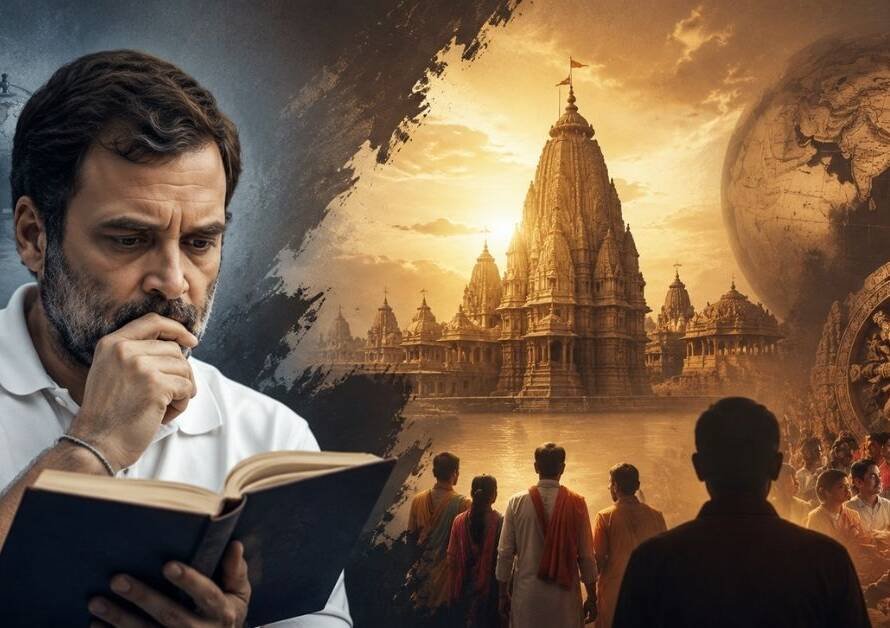
- This article presents an in-depth analysis of the ideological, political, and cultural conflicts facing modern Indian society and the majority Hindu community.
- Decades of one-sided narratives, appeasement politics, and persistent attempts to induce cultural inferiority have raised serious questions regarding security and existence in the public consciousness.
- However, the lasting solution to this predicament does not lie in despair, victimhood, or unguided aggression.
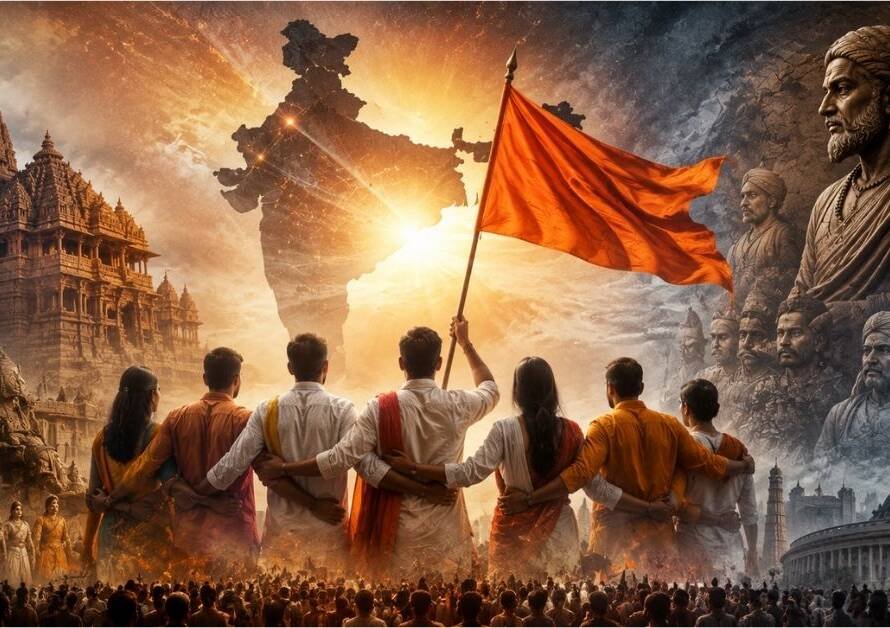
- The true path forward rests in returning to one’s cultural roots, intellectual empowerment, fostering social harmony, and actively contributing to nation-building as conscious, self-respecting citizens.
Democracy, Nation-Building & Self-Respect
1. Historical and Social Analysis of Ideological and Political Siege
- The War of Terminology and Devaluation of Identity: For decades, the tolerance and open-ended nature of Indian culture and Sanatan philosophy were mistaken for weakness under a calculated strategy. Manufactured labels such as ‘Brahminism’, ‘Manuvism’, ‘intolerance’, or ‘terrorism’ were weaponized across various platforms to push this tradition onto the defensive. The foundational identity of the very civilization that gave the world the message of Vasudhaiva Kutumbakam (the world is one family) and peace was repeatedly brought into question.
- Pseudo-Secularism and the Politics of Appeasement: Following independence, one-sided policies were pursued under the guise of secularism for several decades. The entire burden of brotherhood and tolerance was placed solely on the shoulders of a single community. When state policies, laws, and social opportunities are not equitable for all citizens, feelings of discontent, insecurity, and inequality naturally take root in society.
- Institutional and Cultural Infiltration: Sections of the media, cinema, academia, and prominent universities presented Indian history, traditions, and symbols in a distorted light. Persistent efforts were made to instill doubt, guilt, and a sense of inferiority in the minds of the youth regarding their own cultural heritage, leading successive generations away from their core identity.
- Targeted Narratives and Social Fragmentation: Divisive narratives were actively promoted by various ideological and political factions. Whenever the majority community asserts its constitutional and cultural rights, it is labeled as extremist, whereas aggressive elements elsewhere are shielded under the banner of freedom of expression.
2. Self-Introspection: The Missteps of Inaction and Internal Disunity
- Confining Oneself to Personal Security and Business: The average citizen frequently limits themselves to their home, family, career, and business, distancing themselves from public affairs, policy debates, social responsibilities, and intellectual discourse. However, history demonstrates that when sensible, peace-loving, and law-abiding individuals remain silent, the direction of society falls into the hands of negative, radical, and disruptive forces.
- Distinguishing Peacefulness from Cowardice: Indian philosophical traditions never endorse cowardice or helplessness. Ahimsa (non-violence) does not mean relinquishing the capacity to protect oneself, stand for truth, or oppose injustice. The lives of Sri Ram and Bhagavan Sri Krishna demonstrate that both capability and vigilance are essential to protect peace and dharma.
- The Heavy Cost of Internal Fragmentation: The greatest vulnerability of society has been its internal division along caste, regional, linguistic, and sub-group lines. Political entities have exploited these divisions for short-term gain. As long as society remains internally divided, external ideological and political attacks will persist.
- Ignorance of Constitutional and Democratic Rights: Law-abiding citizens often remain passive regarding their constitutional rights, civic duties, and democratic power. This passivity leaves a significant portion of the population politically neglected and helpless.
3. The Path Forward: Living with Existence, Dignity, and Self-Respect
A. Cultural and Ideological Renaissance
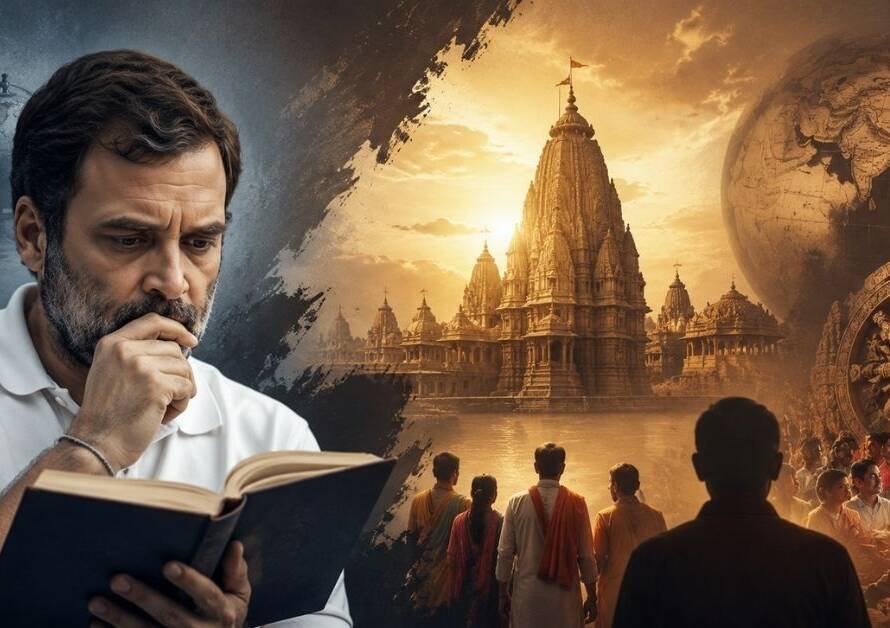
- Do not limit the upbringing of future generations strictly to modern schooling, academic degrees, and corporate careers. Provide them with a logical and practical understanding of Indian philosophy, history, Sanskrit, and dharma.
- Clearly teach the youth that taking pride in their roots, traditions, and identity does not equate to hating any other community; rather, it is an essential act of self-respect and self-preservation.
- Initiate regular value-driven discussions at home and within social groups so that children do not fall prey to external propaganda and ideological indoctrination.
B. Intellectual, Legal, and Fact-Based Discourse
- Respond to negative narratives, false allegations, or cultural insults through facts, logic, the constitution, the law, and articulate writing—rather than through street outrage.
- Effectively utilize digital media, social platforms, articles, books, and research papers to present your perspective to the world clearly, fearlessly, and systematically.
- Encourage the younger generation to enter media and academic fields to build an objective, strong, and self-sustained narrative for society.
C. Cultivating Social Harmony and Integrity
- Eliminate narrow caste and regional barriers to establish an integrated, self-respecting, and empathetic civic society.
- Engage and support underprivileged, weak, and marginalized sections of society by addressing their education, health, and dignity. A nation’s foundation cannot be strong until the last individual feels connected to the mainstream.
- Transform cultural festivals and social gatherings from mere rituals into instruments of harmony and constructive dialogue.
D. Conscious, Organized, and Empowered Citizenship
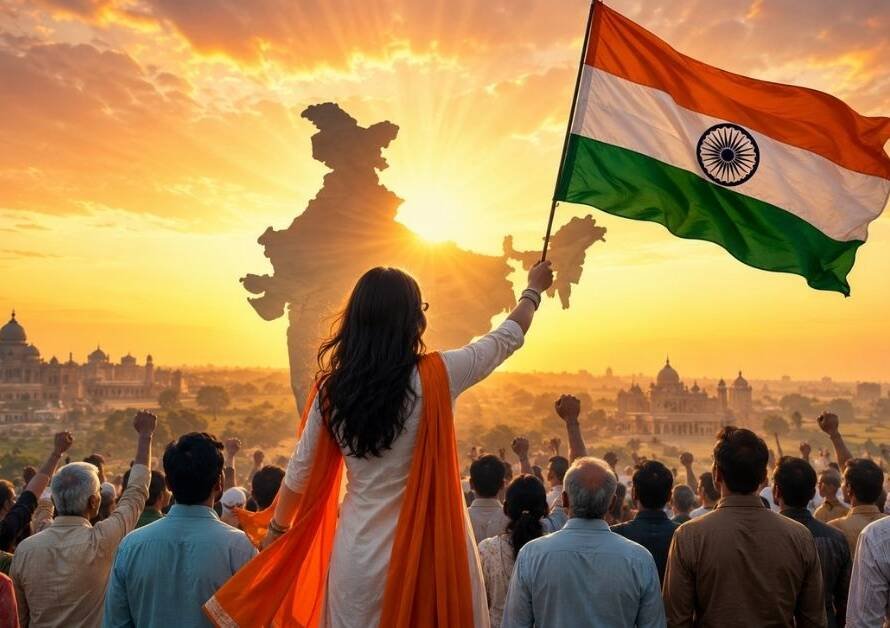
- Refuse to remain a passive spectator in democratic processes. Cast your vote not for personal or momentary gains, but for leadership that prioritizes national interest, cultural preservation, equal laws, security, and integrity.
- As law-abiding and tax-paying citizens, remain fully conscious of your rights and demand equal justice and security from administrative and political institutions.
- Establish local civic groups, study circles, and community support networks capable of assisting one another during times of crisis.
4. Conclusion: Resolving Toward a Fearless and Awakened Nation
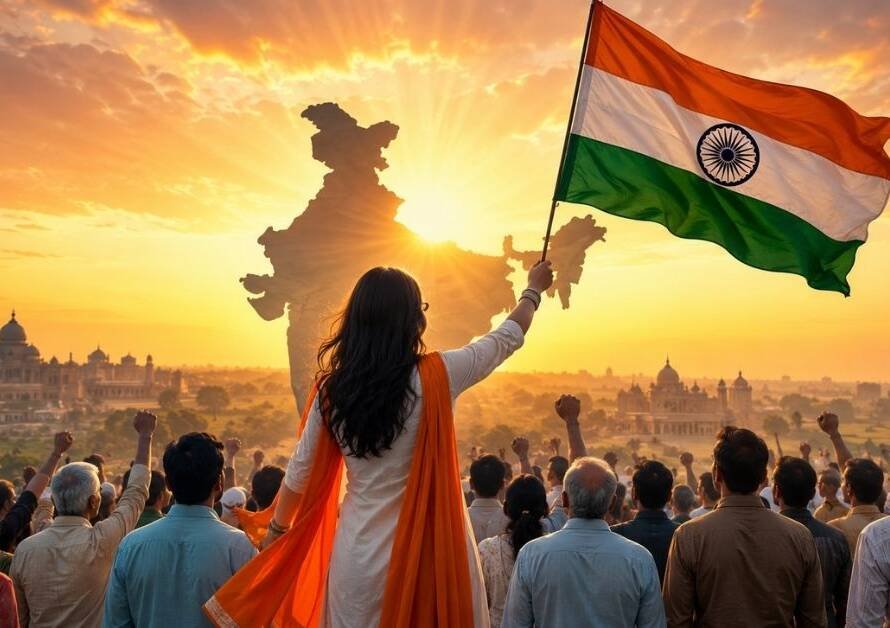
- In modern India, the path to living with self-respect and security does not lie in spreading hatred or outrage, but in recognizing one’s own inner strength, character, and unity.
- When a society sheds its self-doubt, embraces its cultural heritage, and unites intellectually, socially, and morally, no opposing force can undermine its existence.
- The sole answer to freedom from fear is awakening, self-respect, social harmony, and an unwavering national resolve.
“History never forgives a society that slumbers through its cultural identity, self-respect, and national duties. The primary condition for permanent security and honor is awakening, organization, character, and unshakeable commitment to dharma.”
🇮🇳Jai Bharat, Vandematram 🇮🇳
Read our previous blogs 👉 Click here
Join us on Arattai 👉 Click here
👉Join Our Channels👈
Reads & Views: 30