Summary:
- This analytical essay provides an in-depth factual evaluation of the multifaceted ideological, social, legal, and political challenges facing the majority Sanatani Hindu society in India.
- It examines how post-independence one-sided appeasement under the banner of “secularism,” institutional bias, and narrative warfare pushed the majority community into a phase of self-doubt and silence.
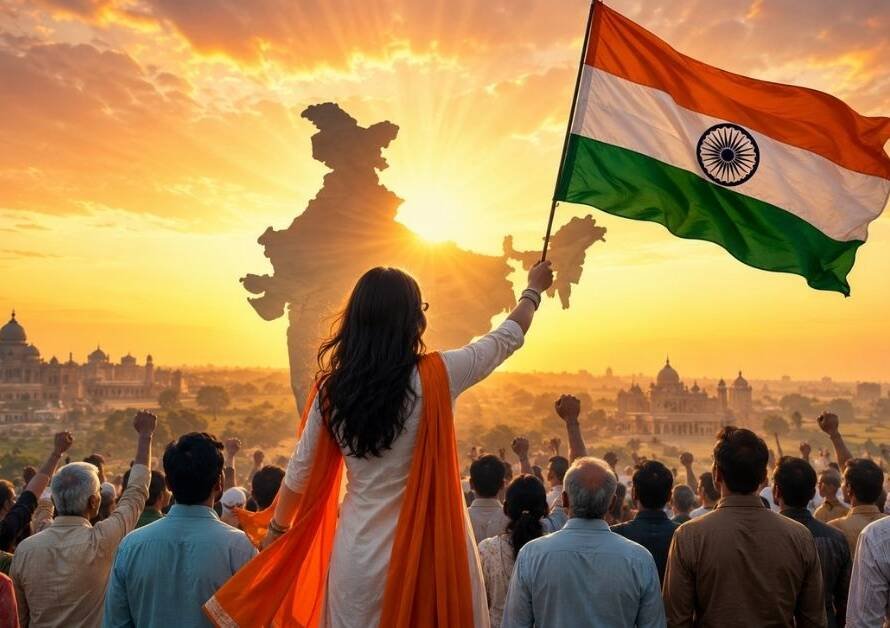
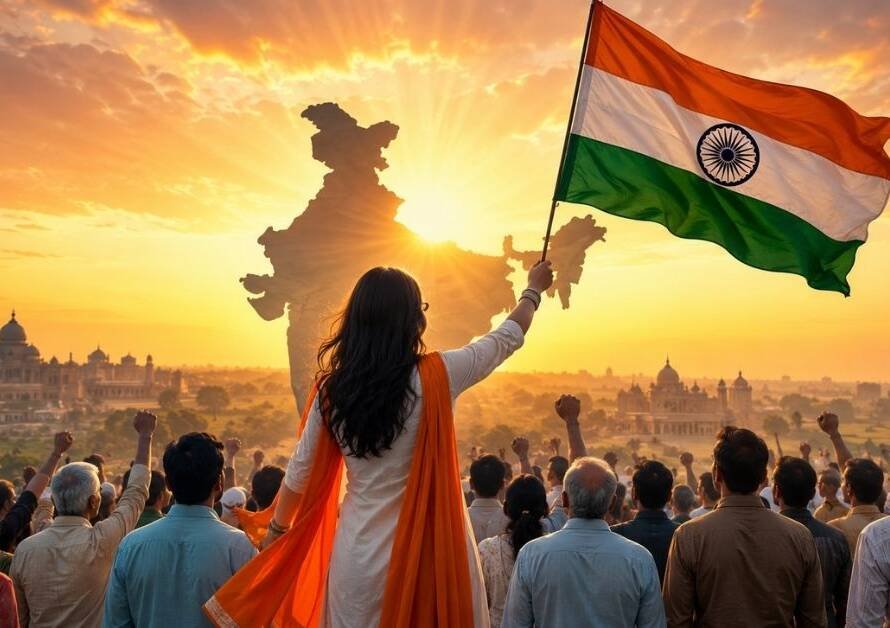
- The goal of this article is not to spread despair or anger, but to steer Hindu society away from caste and regional divides toward linguistic, social, and cultural unity—guiding them toward acting as empowered, self-respecting, and vigilant citizens in nation-building.
Ideological Assaults, and the Path for an Awakened Hindu Society
1. The Landscape of Multifaceted Ideological and Institutional Siege
The Sanatan tradition in the Indian subcontinent has always championed coexistence, equal respect for all spiritual paths (Sarva Dharma Sambhava), and the philosophy of ‘Vasudhaiva Kutumbakam’ (the world is one family). Despite this, in the modern political and ideological landscape, the majority community finds itself surrounded by an unspoken yet systematic siege.
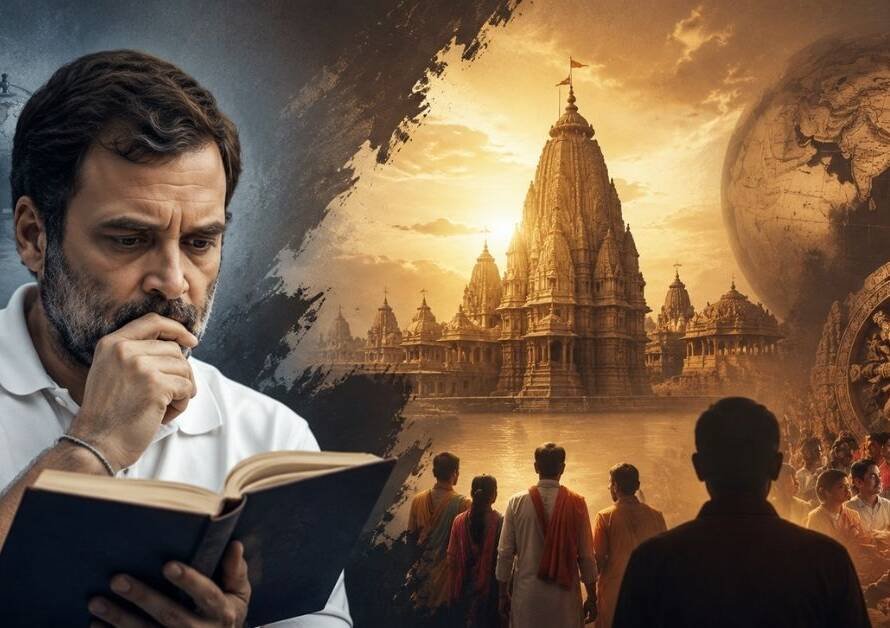
- Academic and Intellectual Assaults: For decades following independence, a specific left-liberal ideology dominated India’s mainstream history, school textbooks, and premier academic institutions (such as JNU and other universities). Terms like “Brahminism,” “Manuvad,” or “intolerance” were weaponized to constantly put Sanatani lifestyle, ancient sciences, and philosophy on the defensive.
- Cultural and Media Narratives: Mainstream cinema (Bollywood) and sections of the media spent decades ridiculing traditional Hindu characters, monks, and symbols, while glorifying other cultures as inherently tolerant. This calculated narrative created self-doubt and an inferiority complex among the younger generation regarding their own roots.
- International and Separatist Networks: Leftist ideology, anti-India networks across the border (such as Pakistan’s ISI), and separatist elements (such as Khalistani extremism and Kashmiri separatism) have persistently sought to strike at India’s internal integrity. They recognize that fragmenting Hindu society is the easiest path to destabilizing India.
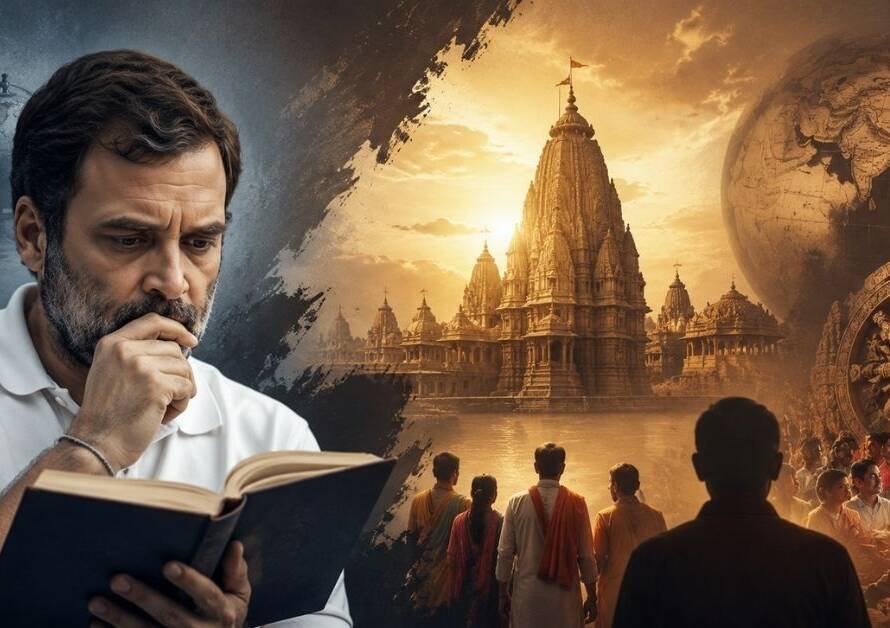
- Institutional Capture: Rather than researching Sanatan philosophy in universities and research centers, it was routinely dismissed as “regressive,” leaving Sanatani youth ignorant of their own rich intellectual heritage.
2. Political Appeasement and the Politics of ‘One-Sided Brotherhood’
The framework of “secularism” established over the 70 years following independence gradually eroded constitutional principles of equality and damaged social cohesion.
- Unbalanced Social Lessons: The majority Hindu society was continuously preached lessons of peace, tolerance, non-violence, and compromise. In contrast, political leaders turned a blind eye to radicalism, organized conversions, and extremist tendencies for electoral gain and vote-bank arithmetic.
- Vote-Bank Politics and Caste Fragmentation: Political forces such as the Congress, SP, BSP, RJD, TMC, and Left parties engaged in caste-based division (forward, backward, Dalit, Mahadalit) to retain power. As a consequence, the collective Sanatani identity was fractured, reducing Hindus to mere caste-based vote banks.
- Legal and Administrative Disparities: State governments took control over the management and donations of majority religious institutions and famous temples (such as Tirupati, Vaishno Devi, and Guruvayur) via the HRCE Act, while granting immense autonomy and powers to minority institutions and bodies like the Waqf Board. This dual standard raised major questions about equality before the law.
- Distortion of History: School curricula glorified invaders while marginalizing the immense contributions of great Sanatani warriors like Chhatrapati Shivaji Maharaj, Maharana Pratap, Lachit Borphukan, and the rulers of the Chola Empire.
3. Familial, Social, and Demographic Disruption
This crisis is not confined to political speeches or courtroom battles; it directly impacts the daily lives of Hindu families, the mindset of children, and the broader social fabric.
- Ideological Indoctrination of Future Generations: The systematic exclusion of Sanatan values, epics (Ramayana, Mahabharata), and authentic history from modern education and digital media alienated the youth from their roots, making them susceptible to pseudo-secular propaganda.
- Demographic Imbalance and ‘Love Jihad’: Organized conversion drives, illegal infiltration, and deceptive practices like ‘Love Jihad’ have repeatedly surfaced as calculated attempts to alter demographic balances in several regions.
- Mistaking Tolerance for Cowardice: A tendency within the majority community to isolate itself within the bounds of household, career, and business rendered it socially vulnerable. Anti-social elements exploited this reluctance to engage in conflict to assert dominance over society.
- Hesitation Over Cultural Symbols: Subtle social pressure was created among youth to view sporting a tilak, tying a kalawa, or celebrating traditional festivals as “outdated,” thereby weakening cultural identity.
4. The Path Forward: From Despair to Awakening and Unity
The core question is no longer “How will you live here?”, but rather: “How will you live with dignity while protecting your rich cultural heritage and national identity?” To overcome this crisis, Sanatani society must take concrete, actionable steps:
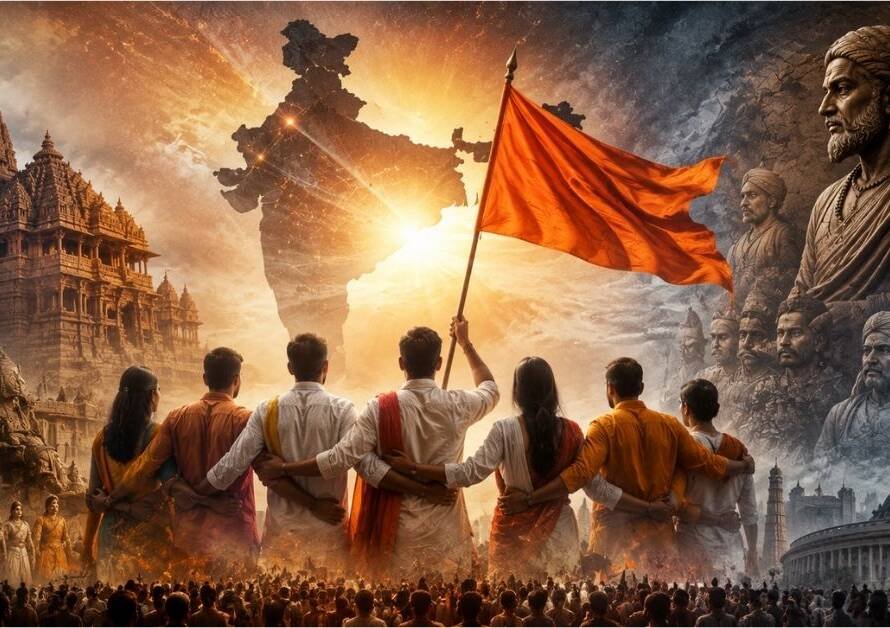
- Cultural Unity Over Caste Divisions: Sanatani society must transcend internal caste divides and unite under an unbroken ‘Sanatan identity.’ As long as Hindu society remains fractured along caste lines, political entities will continue to exploit these fault lines.
- Active Engagement in Narrative Warfare: Educate the younger generation on Sanatan history, the Vedas, the Upanishads, and real Indian heroes. Leverage technology, social media, literature, and art to articulate facts confidently on global platforms.
- Political and Civic Awareness: Voting alone is insufficient; citizens must stay informed about their constitutional rights and duties. Support policies, institutions, and leaders advocating national security, cultural preservation, a Uniform Civil Code (UCC), and impartial governance.
- Vigilance and Self-Respect Within the Law: Tolerance does not mean cowardice or surrender. Remaining vigilant, organized, and fearless in protecting civil rights, families, daughters, and culture—strictly within the framework of the law—is the need of the hour.
- Economic and Social Self-Reliance: Sanatani entrepreneurs, business owners, and youth must build a mutually supportive economic ecosystem, fostering self-reliance and community strength.
5. The Resolve of an Awakened Sanatani
- Sanatan Dharma is the world’s oldest living civilization, having survived millennia of brutal invasions, colonial rule, and ideological assaults while remaining resilient.
- The challenge lies not in external threats, but in the internal apathy, inertia, and fragmentation of the majority community.
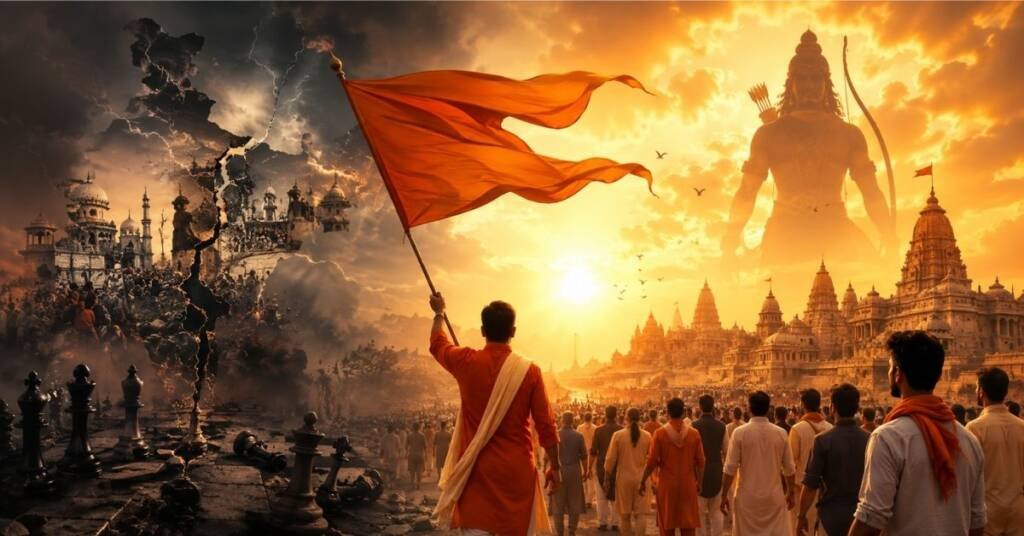
- The time for defensiveness on one’s own land has passed; it is time to shed illusions and awaken—so that future generations can live not in fear, but as proud, self-respecting, and fearless ‘Sachha Sanatanis.’
🇮🇳 Jai Bharat, Vandematram 🇮🇳
Read our previous blogs 👉 Click here
Join us on Arattai 👉 Click here
👉Join Our Channels👈