Summary
- This article presents an analytical examination of India’s political landscape, the devaluation of dynastic leadership, and the strategic direction of opposition alliances.
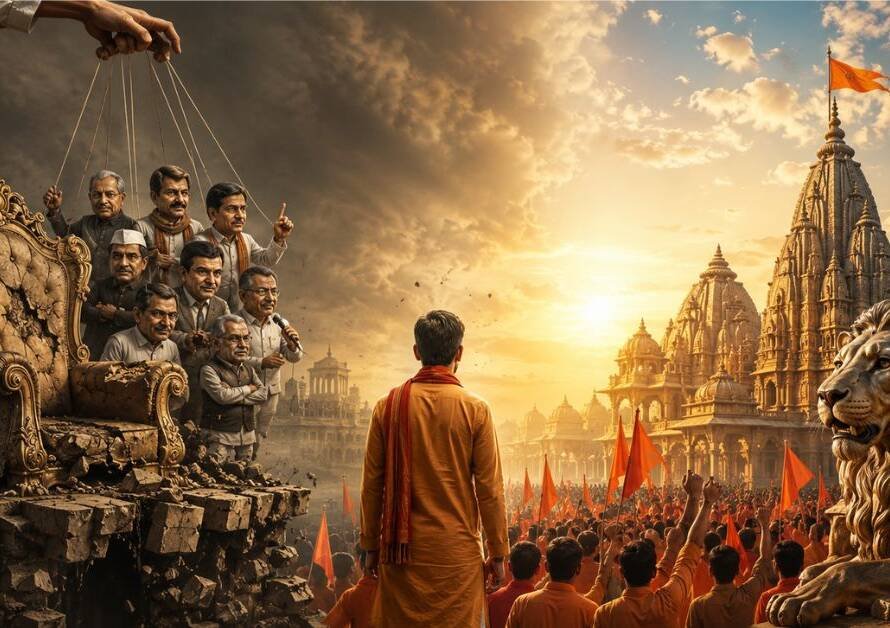
- It reviews the conduct of long-standing political families who risk tarnishing their heritage through unseasoned rhetoric and superficial arguments.
- The piece examines the tactics associated with various coalitions and their broader ideological ecosystems—such as attributing electoral setbacks to Electronic Voting Machines (EVMs), pursuing appeasement for vote-bank considerations, and creating ambiguity around national security issues.
- In the context of upcoming political developments across key states like Uttar Pradesh, Punjab, and Uttarakhand, this article highlights a discerning electorate that increasingly rejects unfulfilled claims in favor of national priority, economic stability, and civilizational self-respect.
A Civilizational and Political Analysis
1. Introduction: Devaluation of Heritage and Political Immaturity
“Position and title may be inherited, but competence, public trust, and character must be earned through one’s own dedication.”
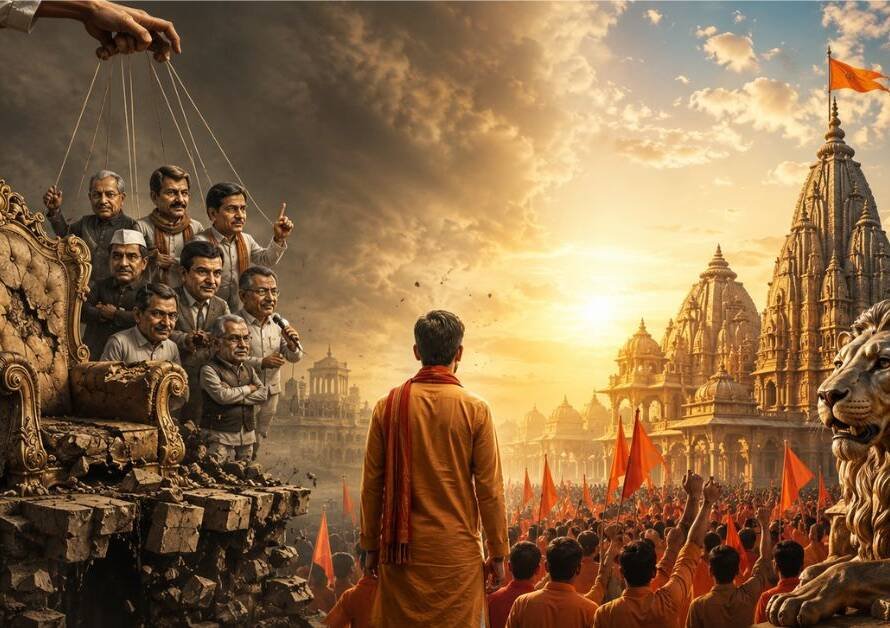
In any democratic nation, the history of established political families and the contributions of past generations command respect. However, the primary duty of subsequent generations in public life is to uphold the credibility of that legacy. The current scenario visible in India’s political arena extends beyond mere policy disagreements; it represents an example of the moral and ideological decline within dynastic leadership.
- Disregard for Ancestral Contributions: When political heirs repeatedly draw public skepticism due to inadequate preparation, unseasoned conduct, and unrestrained statements, it reflects not only a personal shortcoming but also a devaluation of the political legacy built by their predecessors.
- Superficial Language and Unsubstantiated Arguments: Relying on simplistic metaphors and superficial reasoning rather than presenting a practical blueprint for nation-building on critical national, economic, and diplomatic issues sends a concerning signal to the general public and dampens cadre morale.
- Crisis of Credibility: When depth of thought and seriousness of leadership erode in public life, the remaining trust and respect held by the public toward that organization and its leadership diminish accordingly.
2. Opportunistic Political Alliances and Institutional Strain
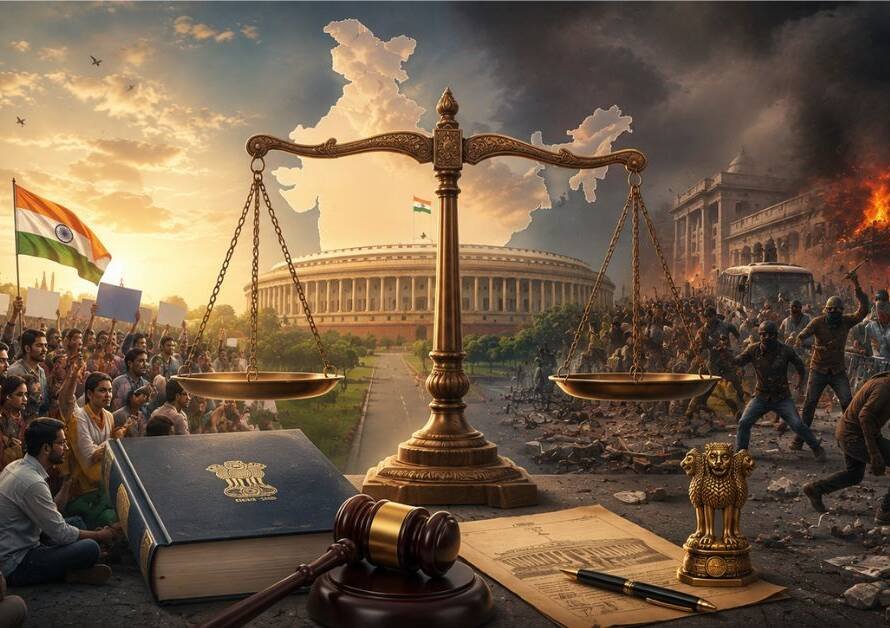
The current phase in Indian politics is not merely an electoral contest; it is a direct choice between principled governance models and opportunistic coalitions formed primarily for power acquisition.
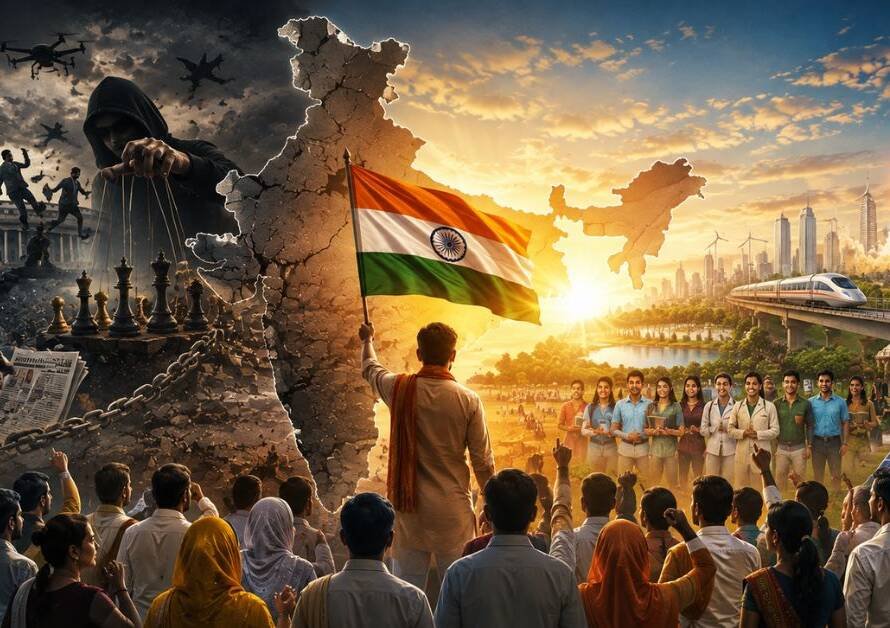
- Character of Unprincipled Coalitions: When political factions with contrasting ideologies unite solely to displace a popular, nationalist leadership, the electorate perceives such arrangements as opportunistic alliances. These coalitions often lack a shared vision or an integrated policy framework for national development.
- Legacy of Governance Setbacks: The historical record of past multi-party arrangements has frequently been marked by policy paralysis, institutional strain, and governance challenges. This history reminds voters that entrusting governance to such arrangements risks returning the nation to periods of economic stagnation and resource misallocation.
- Power as an End in Itself: For such alliances, national interests, internal security, and public welfare can become secondary, while power acquisition turns into the primary vehicle for sustaining dynastic influence.
3. Ideological Ecosystems and Narrative Building
Beyond direct political campaigns, an indirect ecosystem involving specific ideological streams, commentator groups, and media outlets actively operates. This ecosystem frequently seeks to question India’s growing global standing, cultural resurgence, and national security measures.
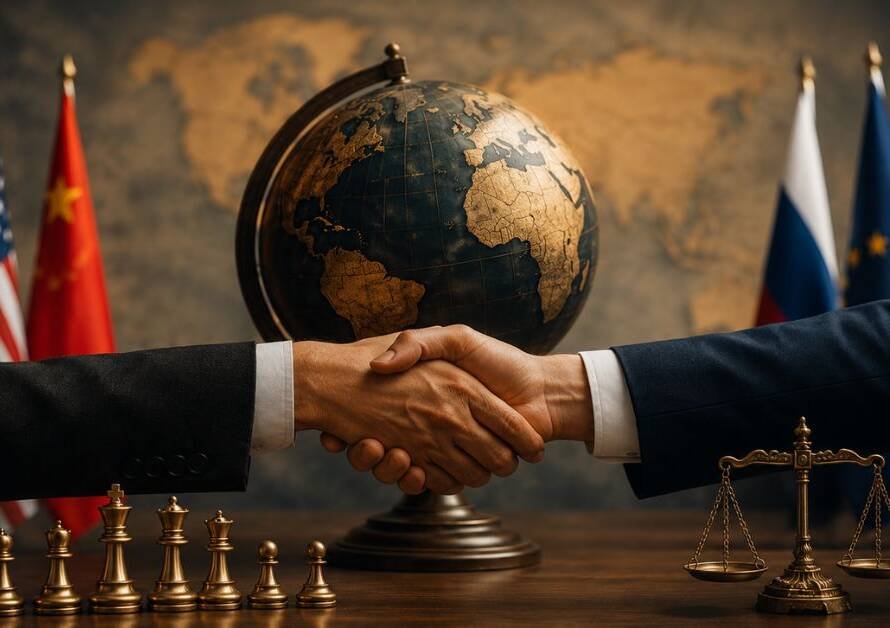
- Undermining International Standing: Whenever the nation achieves significant milestones in defense, technology, diplomacy, or the economy, this ecosystem often projects narratives on international platforms that question domestic democratic frameworks and constitutional institutions.
- Appeasement and Selective Protection: To secure narrow vote-bank interests, this ecosystem has at times trivialized the sentiments of the majority community while extending direct or indirect protection to separatist or extremist elements.
- Resistance to Civilizational Revival: Opposing initiatives aimed at cultural restoration—from major temple heritage projects to the revitalization of historic cultural centers—has remained a defining trait of this ecosystem.
4. The Wisdom of the Electorate: EVM Claims vs. Ground Realities
In a democracy, the mandate of the people is not a single-day event; it is the culmination of years of observation, experience, and comparative evaluation.
- Continuous Public Scrutiny: Prior to elections, voters evaluate the statements, daily conduct, stance on national security, and seriousness of political leaders. When citizens observe dedicated leadership on one side and inconsistent rhetoric on the other, their choice becomes clear.
- Reluctance to Accept Defeat: Rather than engaging in introspection regarding strategic shortcomings and ideological gaps after an electoral defeat, casting blame on Electronic Voting Machines (EVMs), questioning the election commission, or alleging vote theft has become a recurring pattern.
- Expression of Public Mandate at the Ballot: When opposition groups consistently deflect accountability and remain disconnected from public concerns, citizen dissatisfaction manifests on election day as voters cast their ballots in favor of nationalist and performance-oriented leadership.
5. Upcoming State Contexts: Focus on Key Regions
The same public sentiment and strategic clarity are set to reflect across the political landscapes of key states such as Uttar Pradesh, Uttarakhand, and Punjab.
- Direction of Uttar Pradesh: The governance model in Uttar Pradesh—centered on law and order, infrastructure development, and cultural pride—has rendered identity-driven appeasement politics increasingly irrelevant. Citizens recognize that safety, order, and growth require firm and dedicated leadership.
- Uttarakhand and Border Security: In a strategically and culturally sensitive state like Uttarakhand, voters understand the necessity of consistent, nation-first policies to safeguard borders and preserve the sanctity of the region.
- Punjab and Internal Challenges: Addressing cross-border narrative challenges, illicit networks, and regional security in Punjab demands strong central coordination and stable governance, which fragmented coalitions struggle to deliver.
6. Looking Ahead: Continuity in Leadership and National Resolve
At this historic juncture, India must ensure that the economic, defense, and cultural strides achieved over the past decade are maintained without interruption.
- Natural Progression of Leadership: Individuals in politics change over time, but the continuity of vision and core purpose must endure. While current leadership has driven progress, a pipeline of firm, dedicated, and ideology-driven leaders stands ready to advance this civilizational journey in the future.
- Risk of Instability: Allowing unprincipled alliances to assume power creates a risk of returning to periods of governance stagnation and fiscal mismanagement, which could destabilize national momentum within a matter of decades.
- Distinguishing Means from Ends: Political organizations serve as a “means” (Sadhan), whereas the ultimate “goal” (Sadhya) remains a unified, prosperous, self-reliant, and secure India rooted in its foundational values.
7. “Nation First” and the Role of the Conscious Citizen
- To fulfill the enduring aspiration of building a strong and noble society (Krinvanto Vishwam Aryam), citizens must exercise active strategic prudence rather than remaining passive observers.
- In the presence of available political choices, supporting leadership that demonstrates commitment to national security, economic sovereignty, and civilizational pride remains a pragmatic path toward securing a prosperous future for coming generations.
🇮🇳 Jai Bharat, Vandematram 🇮🇳
Join us on Arattai 👉 Click here
👉Join Our Channels👈