Summary
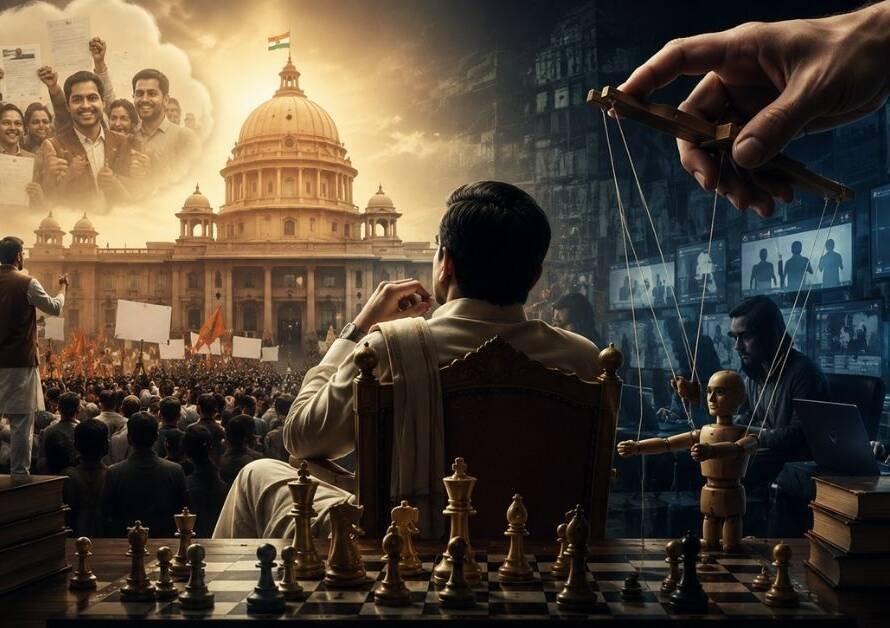
- This comprehensive essay presents an in-depth, integrated analysis of the current conduct of the ‘Leader of the Opposition’ (LOP) and the opposition alliance (INDIA Alliance) in Indian democracy, alongside the political discourse surrounding Rahul Gandhi.
- It outlines how the politics of opposition has moved beyond merely criticizing government policies to impacting national interests, the armed forces, constitutional institutions, and the social fabric.
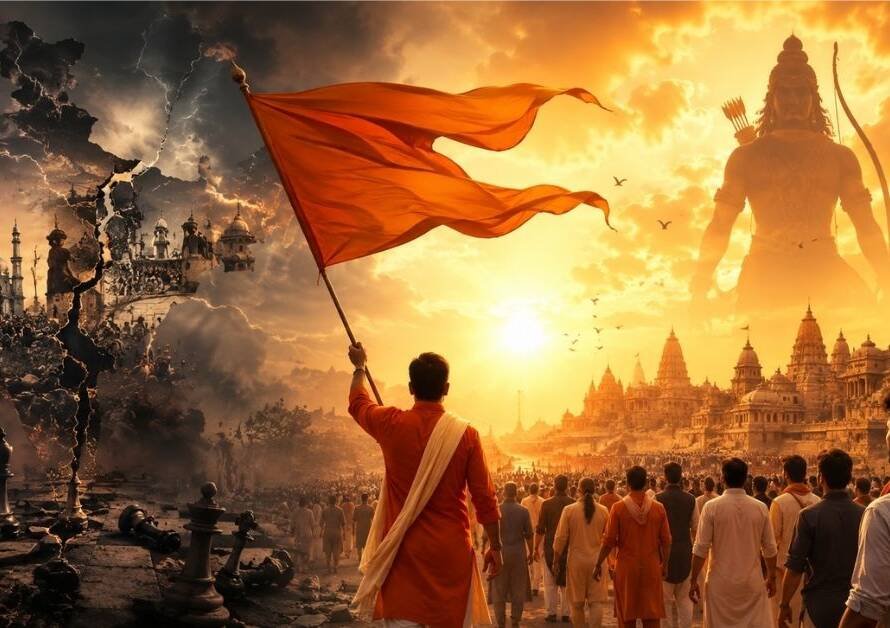
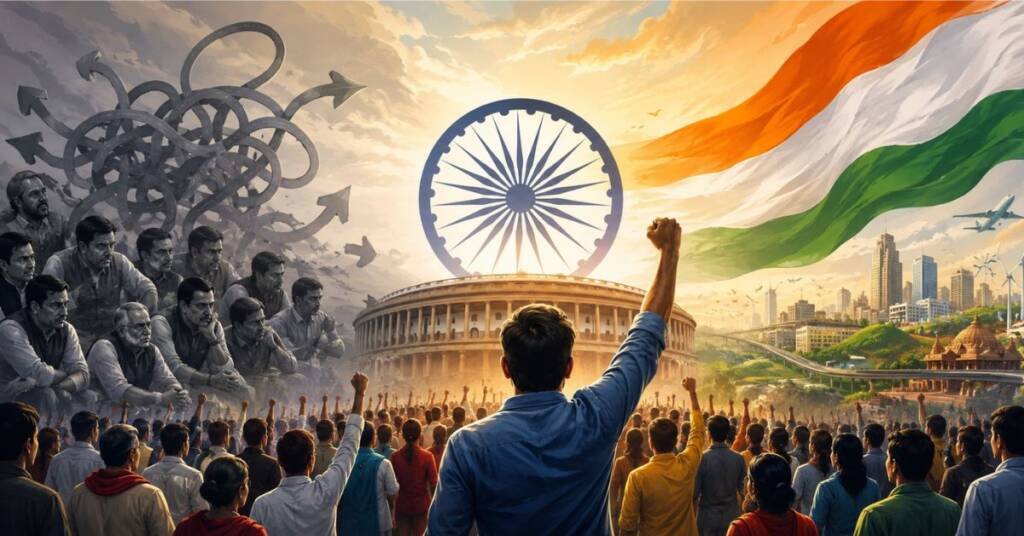
- The essay highlights that while attempts are being made to create an atmosphere of discontent, misinformation, and anarchy for political gain, the awakened Indian electorate continues to strengthen the foundations of political stability and national development through its wisdom, maturity, and the power of the vote.
The Democratic Resolve of an Awakened India
1. Reflection on the Dignity and Conduct of the ‘Leader of the Opposition’
- In the Indian democratic system, the position of the ‘Leader of the Opposition’ (LOP) is not merely a political designation, but a highly responsible, dignified, and constitutional duty equivalent to that of a ‘Shadow Prime Minister.’ A strong and accountable opposition is essential in a democracy, with its primary function being to constructively criticize government policies, raise public interest issues, and ensure transparency in governance.
However, in the current scenario, the conduct of not only Leader of the Opposition Rahul Gandhi but also various constituent parties of the ‘INDIA Alliance’ appears to stray from this dignified boundary.
- Debate on Public Persona and Communication Style: Critics and political analysts contend that the speeches and public style of the Leader of the Opposition lack policy depth and seriousness. His rhetoric is often characterized as aggressive, unstructured, and populist. Conversely, supporters view his uninhibited approach as authentic, citing his direct engagement with youth and workers through campaigns like the Bharat Jodo Yatra.
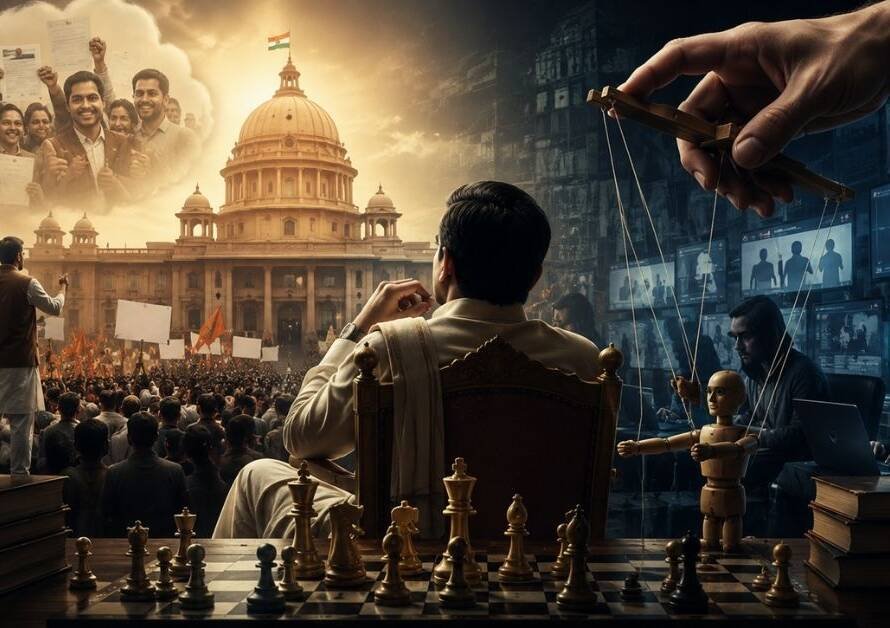
- Misinformation and Fake Social Media Campaigns: Digital media campaigns surrounding the opposition narrative have also seen the use of fabricated content. A prominent example includes viral posts from a fake handle named “Professor N John Camm,” which made sharp personal attacks. A subsequent fact-check revealed that the handle was a fraudulent account impersonating a distinguished UK-based professor.
- Crisis of Parliamentary Dignity and Conduct: Parliament is the nation’s supreme policy-making institution. Making undignified gestures inside the House, rushing into the Well to create commotion, tearing documents, and stalling parliamentary proceedings through political stalemates waste precious national time and taxpayers’ money.
- Distancing from National Ceremonies and Symbols: Staying away from formal national functions organized by the President on Independence Day (August 15) and Republic Day (January 26), or displaying reluctance toward national symbols and songs like ‘Vande Mataram,’ reflects a lack of commitment to constitutional values.
2. National Security, Foreign Policy, and the ‘Nation First’ Principle
Every responsible opposition leader is expected to stand like a rock alongside the government and the armed forces during foreign crises or border disputes.
- Soft Stance Toward Hostile Nations: Standing with the official statements of countries like China and Pakistan and justifying their perspectives—rather than supporting India’s official stance during events like the Doklam standoff or border tensions—raises serious concerns.
- Denting the Morale of the Armed Forces: The armed forces are the guardians of the nation’s sovereignty and integrity. Using derogatory language for the Army Chief, demanding proof of courageous operations like surgical strikes and airstrikes, and spreading confusion regarding defense readiness adversely affect the morale of frontline soldiers.
- Encouraging Foreign Interference and Agendas: Giving momentum to foreign thinkers, foreign media, and anti-India foreign organizations (such as agendas associated with George Soros) regarding the internal affairs of India—the world’s largest sovereign democracy—indicates that the nation’s international standing is being gambled for political gain.
- Opaque and Mysterious Foreign Visits: Transparency in foreign travel is essential for a public representative. Undertaking secret and opaque foreign trips amidst sensitive national security situations or while subject to legal proceedings (bail) goes against the principles of public accountability.
3. The Historic 70-Year Governance Legacy vs. Modern Progress
The comparison between past and present governance models remains a primary point of debate in Indian politics:
- Historical Critique of Congress Governance: Critics argue that during the decades of Indian National Congress rule following independence, the country’s full economic potential was not realized due to the “License Raj,” centralized executive power, and various corruption scandals. According to critics, policies from this era delayed national defense modernization, infrastructure development, and border region connectivity.
- Historical Defense of Nation-Building: Supporters contend that early post-independence leadership kept a diverse nation united and laid the groundwork for heavy industry, premier technical and management institutions (IITs, IIMs), the Green Revolution, and the landmark 1991 economic liberalization reforms.
4. Economic Models: Corporate Monopoly Allegations vs. Structural Development
Perspectives on economic policy and the national development model differ fundamentally between both sides:
- Allegations of Crony Capitalism: Rahul Gandhi and opposition parties repeatedly accuse the government of collusion with major industrial conglomerates. They claim policies and resources have been concentrated among a few large private groups, harming small and medium enterprises (MSMEs) and widening income inequality.
- Focus on Macroeconomic Growth and Poverty Alleviation: Advocates of the current administration point to large-scale economic expansion, digital public infrastructure (such as UPI and direct benefit transfers), and massive physical infrastructure development. According to NITI Aayog reports, transparent and targeted welfare schemes have helped lift approximately 250 million (25 crore) people out of multidimensional poverty.
5. Impact on Constitutional Institutions, Social Fabric, and Economic Standing
- Attacks on the Credibility of Constitutional Institutions: A democracy remains robust as long as public trust in its foundational institutions—such as the judiciary, the Election Commission of India, and investigative agencies—remains intact. Remaining silent upon winning elections but leveling misleading allegations against the Election Commission, EVMs, and democratic processes upon facing defeat undermines the democratic framework
- Divisive and Appeasement Politics: Resorting to appeasement politics for vote-bank polarization and continuously ridiculing the faith, culture, and Sanatan traditions of the majority community creates unnecessary societal tension.
- Shielding ‘Tukde-Tukde’ Ideology: Standing alongside elements that challenge India’s integrity or make anti-national statements, and providing them ideological cover under the guise of freedom of expression, is concerning from an internal security standpoint.
- Harming the Economy on Global Platforms: Portraying India’s economy as weak or a ‘dead economy’ before international forums or foreign investors negatively impacts Foreign Direct Investment (FDI) inflows and the pace of development.
6. Politics of Discontent vs. Political Wisdom of the Electorate
A segment of the opposition and its ecosystem continues to make efforts to create an atmosphere of confusion, discontent, and anarchy in the country to disturb political stability.
- Framework of Constitutional and Legal Order: The rule of law is supreme under the Constitution of India. Whenever any activity violates national peace, security, or legal provisions, the judicial and administrative systems operate strictly within their established framework.
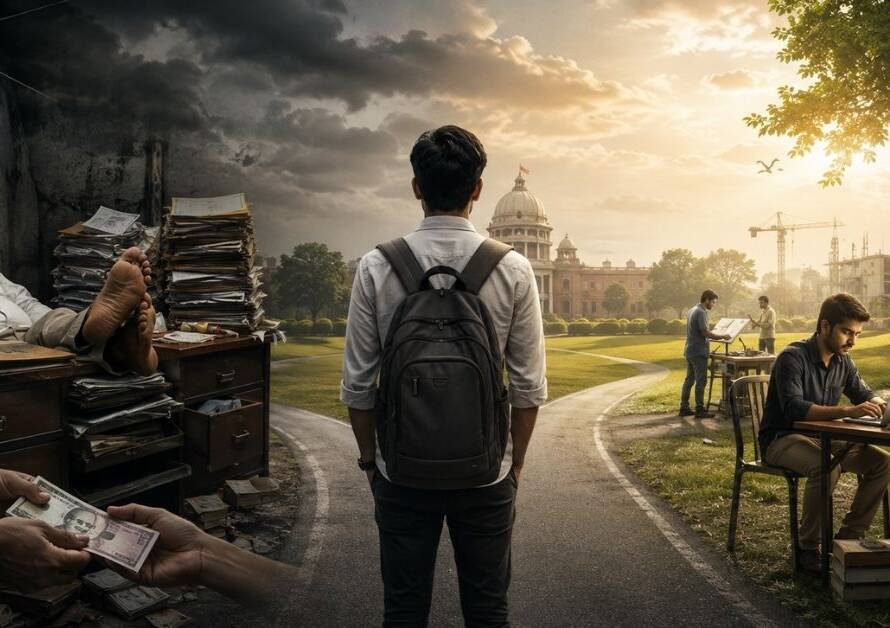
- Aware Voters and Democratic Mandate: The average citizen and voter in India has become highly aware and mature. They clearly distinguish between genuine nation-building work and political maneuvers aimed solely at acquiring power. Refusing to be misled by false propaganda or chaotic environments, the electorate continuously uses its franchise across elections to strengthen the democratic system and political stability.
- In a democracy, the right to protest is paramount, but that protest should be limited to evaluating government policies and governance—not extending to opposition against national sovereignty, the valor of the armed forces, the dignity of the Constitution, or national identity.
- When political opposition begins to take the form of compromising national interests, the enlightened citizenry responds through its own wisdom. Ultimately, the true strength of Indian democracy lies in its Constitution, robust institutions, and aware voters.
🇮🇳Jai Bharat, Vandematram 🇮🇳
Read our previous blogs 👉 Click here
Join us on Arattai 👉 Click here
👉Join Our Channels👈