Summary
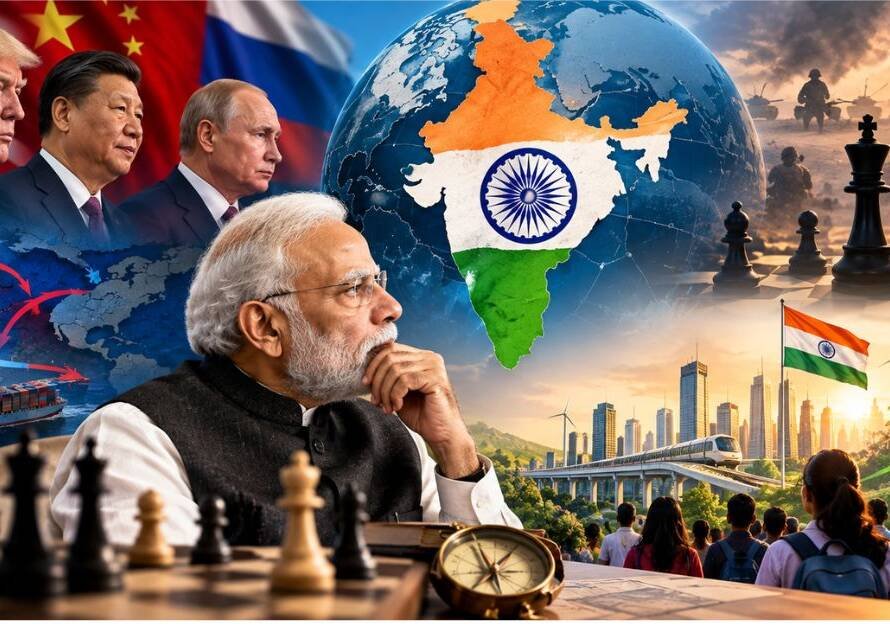
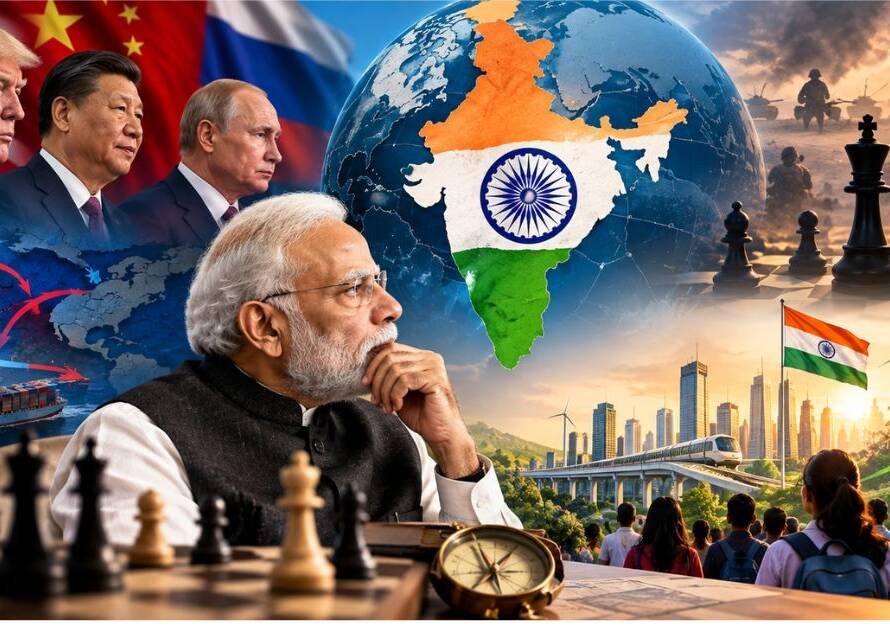
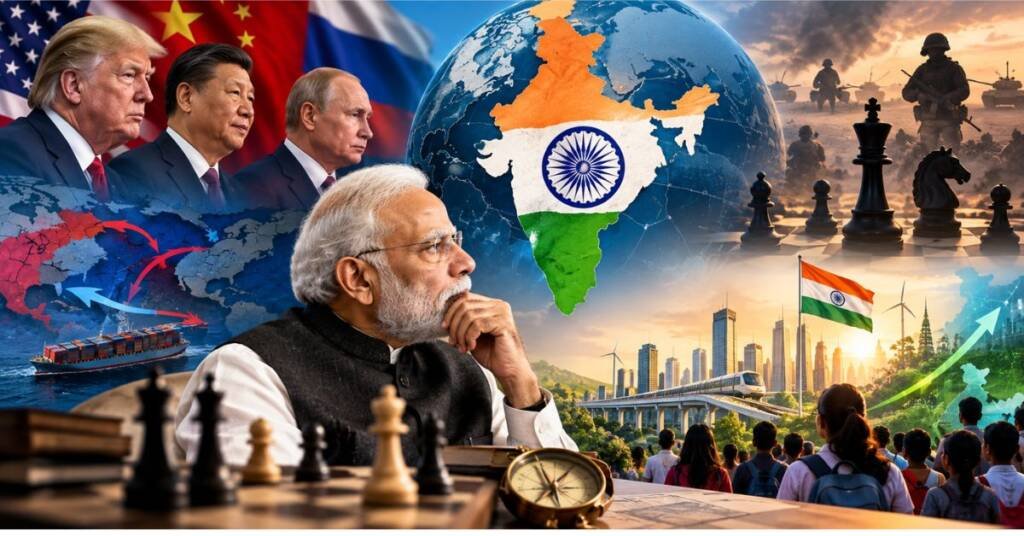
- In the current global and regional landscape, India stands at a highly sensitive and decisive crossroads.
- The Ukraine-Russia conflict, Pakistan’s economic and social collapse, Bangladesh’s recent political chaos, and Sri Lanka’s economic crisis serve as direct proof that short-sighted, inexperienced leadership—or one acting as a puppet of foreign powers—can push any thriving nation into devastation.
- Over the past 12 years, India has achieved historic milestones in national security, Sanatan resurgence, economic fortitude, and global stature. However, several political figures and anti-national ecosystems remain active within the country, willing to compromise national interests for personal ambition, ego, and an unyielding lust for power.
- In the process of clearing away 70 years of historical mismanagement and colonial remnants, temporary dissatisfaction or unresolved issues may naturally surface. Yet, if Indian voters and patriots fail to learn from history and repeat the same mistakes due to internal differences, India risks sliding toward a failed state rather than ascending as a global superpower.
- To safeguard national integrity, sovereignty, and civilizational existence, understanding the conspiracies of foreign powers and the ‘deep state’ while standing firm with strong, visionary leadership is the need of the hour.
A Comprehensive Analytical Study
1. Introduction: Immediate Discontent vs. Civilizational Existence
The ultimate test of political consciousness lies in a citizen’s ability to distinguish between temporary grievances and long-term national interests.
- Limits of Democratic Discontent: In a democracy, disagreements over administrative policies, tax structures, or local issues are entirely natural. They represent the vibrancy of democratic life.
- The Question of Existence: When the challenge expands beyond administrative policies to threaten the nation’s integrity, sovereignty, and civilizational identity, prioritizing internal differences over national interest proves fatal.
- Metaphor of the ‘Home Lion’: Despite ‘a million differences’, do not destroy the ‘home lion’, or the external jackals will tear you apart. If a society weakens its own guardians and strong pillars over internal frustration, external disruptive forces will lose no time in fragmenting the nation.
2. The Ukraine Tragedy: Geopolitical Short-Sightedness and the Reality of Foreign Crutches
The current crisis in Ukraine is not merely a military conflict; it exemplifies the heavy toll a nation pays when its leadership indulges in populist rhetoric and illusions of foreign promises.
- The Price of Illusory Dreams: By projecting the hypothetical dream of NATO membership, the entire nation was plunged into the fires of war. Consequently, the country’s foundational infrastructure stands completely shattered.
- Irreparable Damage: Nearly 30% of the nation’s territory has fallen under Russian control, with virtually no prospect of recovery. Over 400,000 citizens have lost their lives, and millions wander as refugees.
- Diplomatic Disillusionment: As Western powers and the United States stepped back from granting formal NATO membership and left Ukraine to face pragmatic terms, it became clear that national security cannot be built on foreign crutches.
- Pranking vs. Governance: Wearing T-shirts, seeking media publicity, or whipping up emotional hysteria is no substitute for governance. Leading a nation requires profound policy understanding and long-term strategic vision.
3. Global and Neighboring Lessons: The Cost of Failure
If a nation refuses to learn from history and relies on foreign powers or self-absorbed leaders, the consequences are catastrophic, as evidenced by surrounding examples:
(A) Pakistan: Collapse of Appeasement and Military Dominance
- Path to a Failed State: Radicalism, appeasement politics, and mortgaging national sovereignty to foreign powers (the US and China) have pushed Pakistan to the brink of becoming a failed state.
- Internal Ruin: Destitution, skyrocketing inflation, and civil war-like conditions prove that playing with national security and the economy leads inevitably to ruin.
(B) Bangladesh: Political Instability Crisis
- Unrest and Chaos: Even a fast-growing economy can plunge into chaos overnight if it fails to maintain internal security, stable leadership, and control over anti-national ecosystems.
(C) Afghanistan and Sri Lanka
- Afghanistan (2021): The moment Ashraf Ghani—who relied heavily on foreign security forces—fled, the nation fell into the hands of extremists, and the entire system collapsed like a house of cards.
- Sri Lanka (2022): Suicide economic decisions lacking long-term foresight and the trap of foreign debt (China) bankrupted a prosperous nation.
4. Unprecedented Successes of the Last 12 Years and the Cleanup Drive
Over the past 12 years, India has fulfilled historical priorities that remained neglected for 70 years.
- National Security and Firm Action Against Extremism: Insurgency in the Northeast, Naxalism, and sponsored terrorism in Kashmir have been decisively contained. The doctrine of ‘Active Defense’ has been enforced through surgical and air strikes.
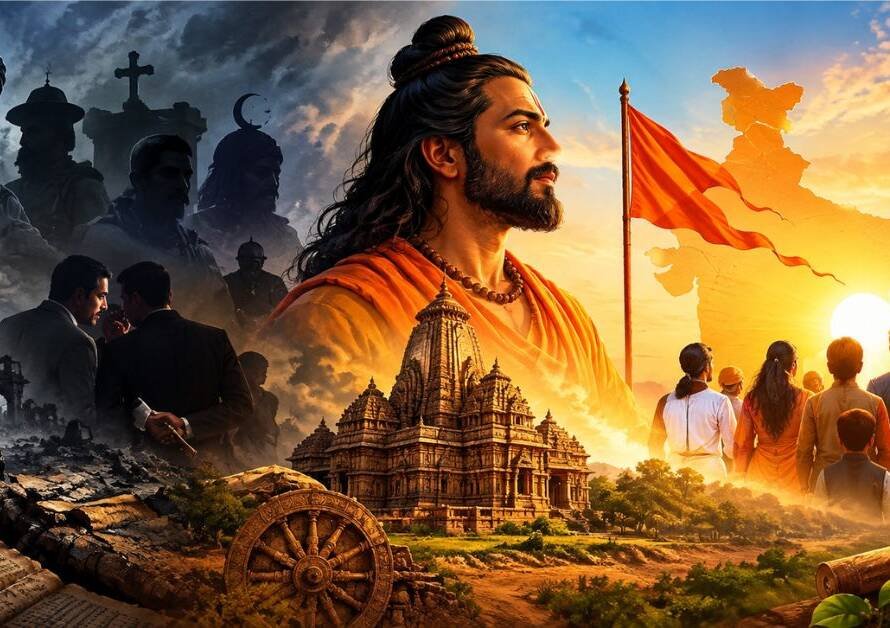
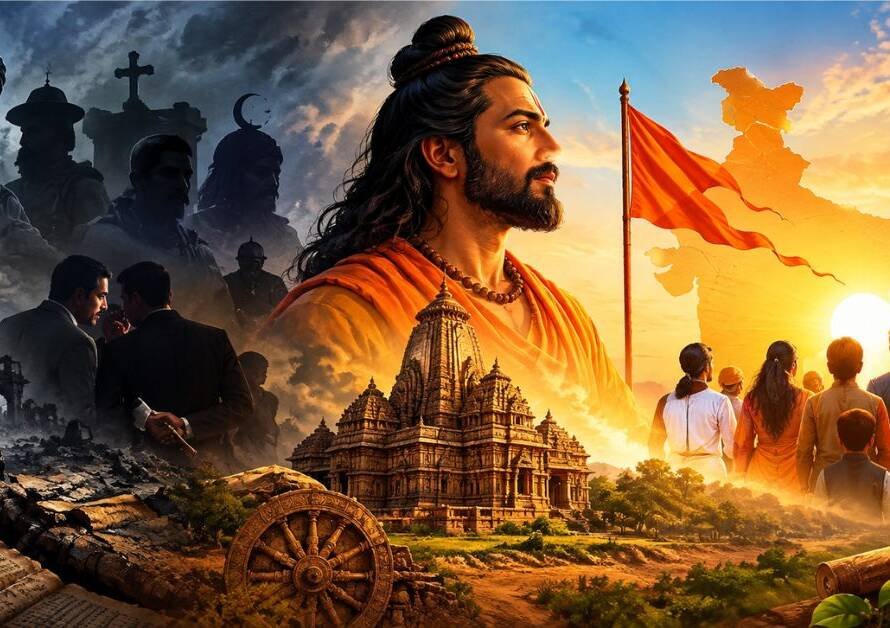
- Sanatan Resurgence and Cultural Pride: Breaking free from colonial mental slavery, India’s cultural soul has been rejuvenated through symbols like the Shri Ram Janmabhoomi Temple, Kashi Vishwanath Dham, and Ujjain Mahakal Lok.
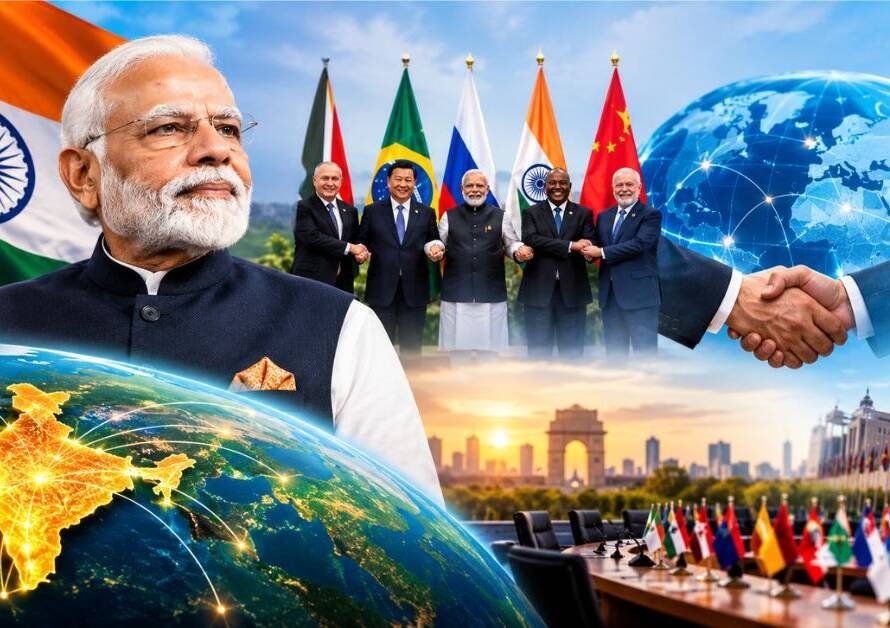
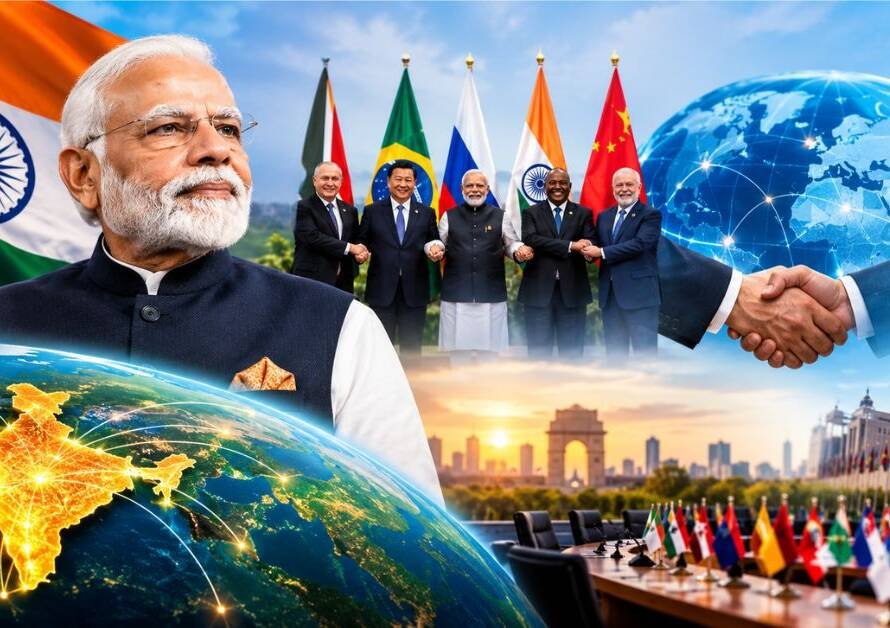
- Economic Fortitude and Global Stature: India has secured its position among the world’s top economies. Digital public infrastructure (UPI) and defense self-reliance (Make in India) have elevated the nation’s global standing.
- Clearing 70 Years of Mismanagement: Oppressive British-era laws are being replaced with the Bharatiya Nyaya Sanhita, the National Education Policy (NEP) is restoring Indian knowledge systems, and law enforcement is tightening its grip on anti-social elements.
5. The Indian Context: Personal Ego, the ‘Deep State’, and Anti-National Conspiracies
Within India, characters and networks similar to those in Ukraine remain active, ready to stake the nation’s future for their blind lust for power.
(A) Personal Ambition and Power Struggles
- The ‘Me Before Country’ Mindset: Certain political figures operate under the premise that if they cannot rule, the country may as well burn. They place personal egos and ambitions above national interest.
- Pleading for Foreign Intervention: Venturing onto international platforms to demean Indian democracy and soliciting foreign intervention to regain power reflect this disruptive mindset.
(B) Foreign ‘Deep State’ and Narrative Warfare
- Plots to Halt Progress: The global ‘deep state’ and anti-India foreign-funded organizations dread the rise of a strong, self-reliant, and culturally conscious Indian superpower.
- Divisive Agendas: Systematic attempts are underway to divide Indian society along lines of caste, language, region, and religion, aiming to destabilize the country and derail India’s growth trajectory.
6. Chanakya’s Neeti and the Duty of Indian Voters
The timeless principles of the ancient strategist Acharya Chanakya carry heightened relevance today.
- Roots in the Soil: Chanakya explicitly warned that an individual whose roots are not deeply embedded in the land’s native culture, history, and Sanatan traditions will not hesitate to compromise national interest during a crisis.
- Risk of Foreign Influence: When a leader’s ties or family background align with foreign roots, the risk of policies being dictated by external forces remains perpetually high.
- Responsibility of Voters: Indian patriots must learn from history. If we repeat past mistakes due to political differences, the dream of becoming a superpower will remain unfulfilled, pushing the nation into chaos similar to its neighbors.
- History bears witness that nations failing to honor their guardians or falling for foreign narratives eventually forfeit their existence. The fates of Ukraine, Pakistan, and Sri Lanka stand as stark warnings.
- It is the primary duty of Indian citizens and patriots to identify internal conspiracies, reject politicians willing to trade national dignity for personal ego, and stand united for India’s impregnable security, development, and Sanatan resurgence.
🇮🇳 Jai Bharat, Vandematram 🇮🇳
Read our previous blogs 👉 Click here
Join us on Arattai 👉 Click here
👉Join Our Channels👈