SUMMARY:
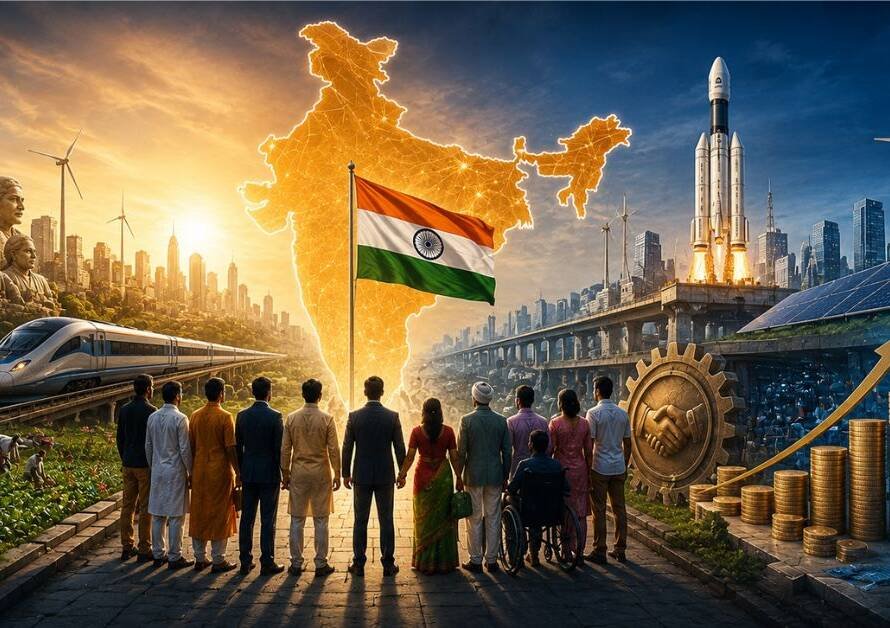
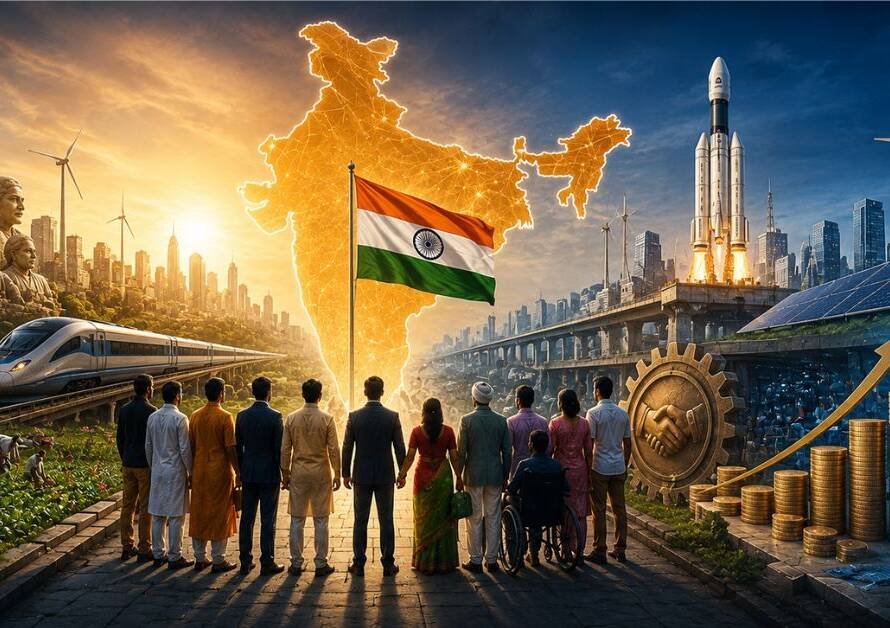
- This detailed analysis presents an integrated, facts-based overview of India’s current social, political, and administrative landscape.
- It highlights how post-independence decades of state-controlled economic policies (socialism) and appeasement-driven discourse impacted the nation’s meritocracy and potential.
- Furthermore, this document outlines the historical plots to internally divide the majority community (Swarnas, Pichdas, and Dalits), the shift from the ‘Pichda-Dalit’ card to invoking ‘Swarna’ discontent over sensitive issues like UGC guidelines and reservation, the legal-judicial standing on these matters, and practical reforms to link reservation entirely to ‘economic status’ and the ‘Exclusion Principle for affluent classes’.
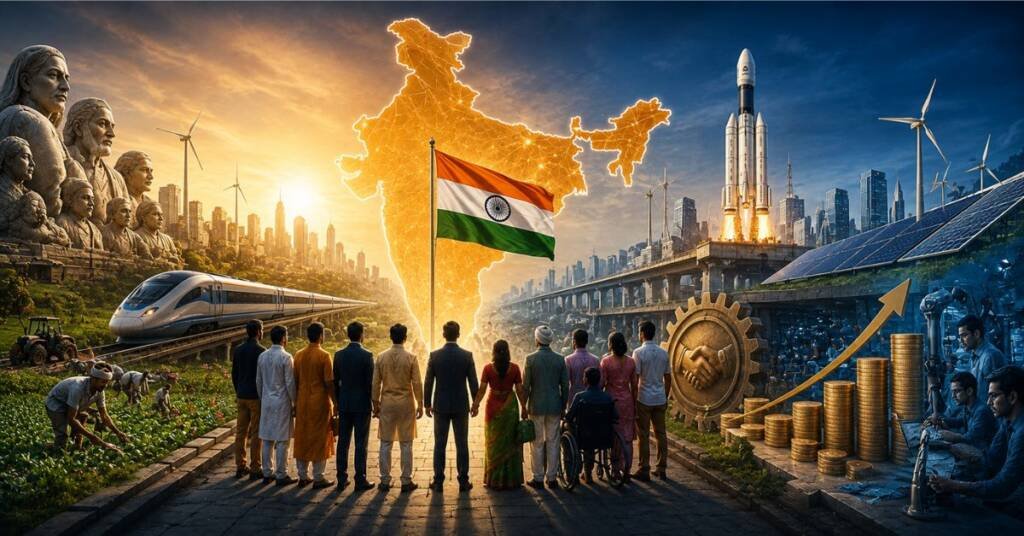
- Finally, the analysis provides a roadmap for building a secure, prosperous India as a ‘Vishvaguru’, drawing critical lessons from pre-2014 eras and global/regional challenges.
Economic-Structural Reforms in Reservation, and the Resolve for ‘Vishvaguru’
1. Historical Background: The Impact of Socialism, Appeasement, and Internal Division
An examination of the seven decades following independence clearly reveals several practical contradictions in the country’s policy and political discourse:
- Limitations of the Socialist Model and Economic Growth:
- License-Permit Raj: In independent India, long-standing ‘socialist structures’ and excessive state control constrained private enterprise, research, and industrial progress.
- Inefficient Resource Allocation: Taxpayer money was expended on sustaining loss-making public sector undertakings rather than constructing modern universities, world-class infrastructure, and healthcare facilities, severely hindering national economic growth for decades.
- Appeasement Politics and Social Fragmentation:
- Caste-Based Polarization: Under the guise of ‘pseudo-secularism’ and vote-bank politics, the majority community was fragmented into castes and sub-castes to keep a specific group consolidated while prioritizing its appeasement.
- Neglect of the Impoverished Swarna Community: Decades of caste-centric debate completely ignored economically underprivileged (Impoverished) families within the Swarna (general) category.
- Historicity of the 10% EWS Reservation:
- Constitutional Recognition of Economic Distress: The central government’s implementation of the 10% Economically Weaker Section (EWS) reservation was a landmark policy measure. For the first time, it established that poverty is not confined to any specific caste and that poor families within the general category deserve policy protection.
2. Shift in Narrative: From the ‘Pichda-Dalit’ Card to Exploiting ‘Swarna’ Discontent
Recent political developments indicate that as traditional caste and regional cards lose their efficacy, new avenues are explored to engineer discontent within the majority community:
- Strategy of the Divisive Ecosystem:
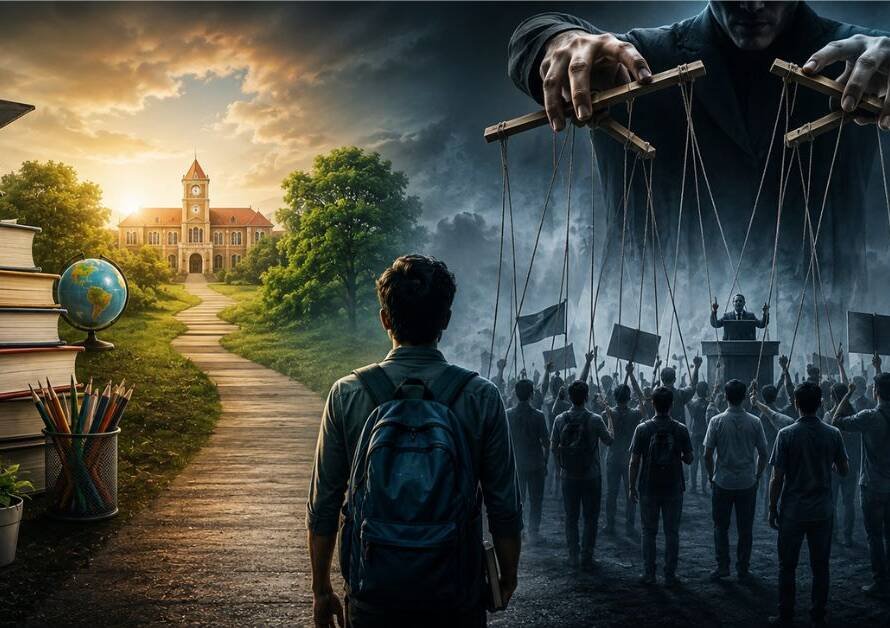
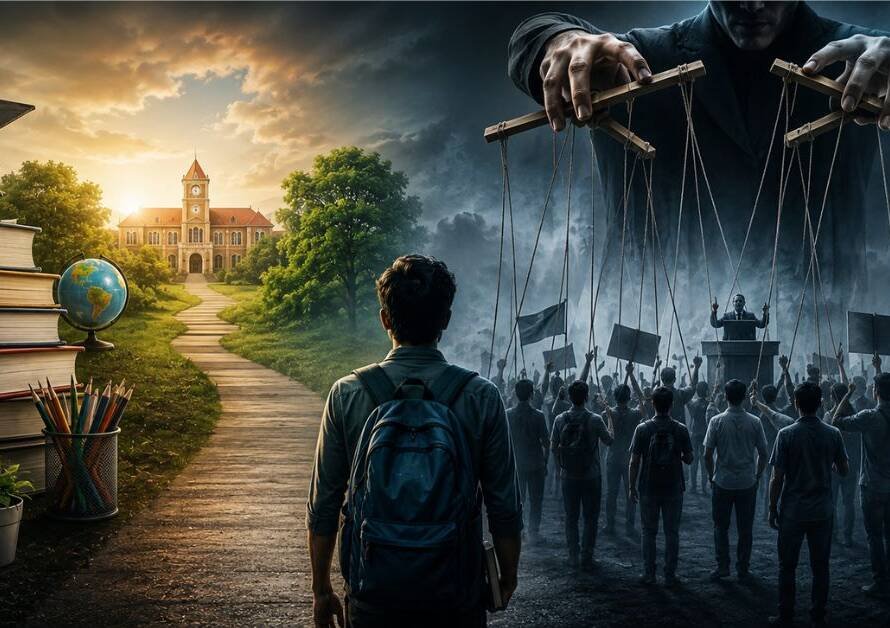
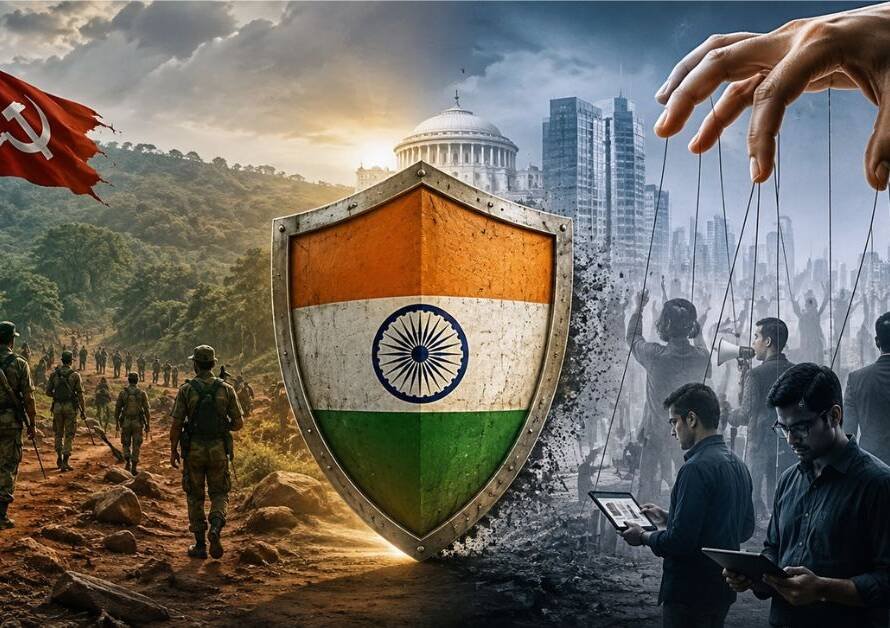
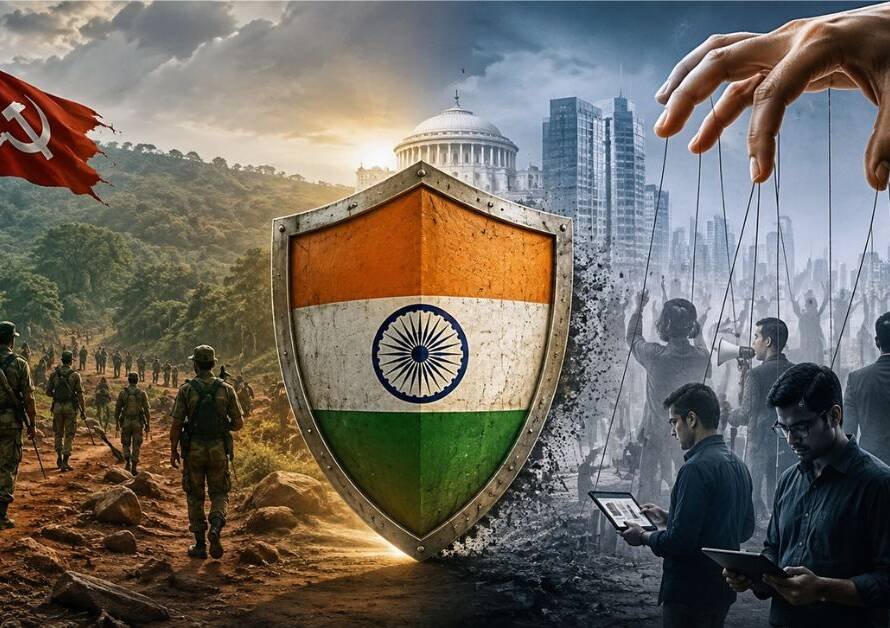
- A Seven-Decade Agenda: Left-wing ideologies, extremist elements, and anti-India networks have consistently aimed to keep the majority community (Swarnas, Pichdas, Dalits) entangled in internal conflicts. When society remains consumed by internal strife, core priorities like national security, cultural preservation, and administrative excellence are sidelined.
- Strategic Exploitation of Sensitive Issues:
- Fanning Discontent: Sensitive topics such as UGC guidelines, reservation policies, the SC/ST Act, and examination paper leaks are being weaponized to instigate deep dissatisfaction among Swarnas and the General Category.
- The Opposition’s New Gambit: As political gains from the ‘Pichda and Dalit’ cards began to wane, the frustration of the Swarna community is now being exploited to build an anti-government narrative.
- The Need for Awareness and Vigilance:
- Legitimate Demands vs. Political Traps: While demanding exam transparency, merit protection, and policy corrections is a legitimate democratic right, the Swarna community must discern who is driving this anger and to what end. Falling prey to emotional manipulation and creating internal unrest ultimately benefits forces seeking to destabilize the nation.
3. Judicial Review and Legal Balance: UGC and the SC/ST Act
A continuous process of review and balance between the judiciary and the executive exists to ensure proper policy implementation and prevent legislative misuse:
- UGC 2026 Guidelines and the Judicial Stance:
- Policy Re-evaluation: The Supreme Court’s stance on controversial UGC rules and the government’s affidavits confirm that administrative reviews of disputed points and regulations remain ongoing.
- Supreme Court Precedent on the SC/ST (Prevention of Atrocities) Act:
- Preventing Misuse of Law: Concerns over the potential misuse of the SC/ST Act have long been raised. The Supreme Court’s benchmark ruling on August 20—clarifying that the Act cannot be directly invoked in private or closed-door settings where no public insult or physical abuse occurred—represents a crucial step toward preventing misuse and maintaining procedural balance.
4. Structural Reforms in Reservation Policy: Birthright vs. Economic Empowerment
Abolishing caste-based reservation overnight is neither practical nor feasible within the current constitutional and political framework. Therefore, the most prudent and sustainable approach is the Structural Reform of the reservation system:
- Establishing Economic Status as the Primary Criterion:
- Reaching the Truly Needy: Applying sustained democratic pressure to transition reservation entirely to an ‘Economic Basis’ is the only permanent solution, ensuring state assistance reaches solely the genuinely poor.
- Amending Standards for the OBC Non-Creamy Layer (NCL):
- Income Limits and Salary Adjustment: Clear and equitable rules must govern the inclusion or exclusion of salary income when calculating the Non-Creamy Layer, ensuring the middle class is not unduly burdened.
- Implementation of the Exclusion Principle for Affluent Classes:
- Group A, B, and C Government Employees: Families of officers serving in these categories should be excluded from reservation benefits.
- Political Representatives: A constitutional amendment should be introduced to exclude the families of former and current Municipal Councilors, Members of the Legislative Assembly (MLAs), Members of the Legislative Council (MLCs), and Members of Parliament (MPs) from reservation benefits.
- Directing Benefits to the Marginalized: This Exclusion Policy will ensure government resources reach those standing at the very last mile of society who remain deprived and underprivileged.
5. Meritocracy and Administrative Accountability for a ‘Vishvaguru’ Superpower
If India is to establish itself as a global technological, military, and economic superpower in the 21st century, ‘Excellence’ must be placed at the apex of national priorities:
- Zero Compromise on Critical Infrastructure and Public Safety:
- Quality Control: Fields such as medicine, civil engineering, defense research, avionics, and nuclear energy must adhere strictly to supreme technical competence and merit. Compromising on standards in these domains directly endangers citizen safety and national security.
- Academic Discipline and Timely Degree Completion:
- Protecting Taxpayer Funds: When students in state-subsidized universities take excessive years to complete fixed-duration courses or turn academic campuses into perpetual centers for political agitation, it causes a severe depletion of the nation’s human capital.
- Stemming Brain Drain:
- Honoring Talent: When highly talented and qualified youth fail to find opportunities matching their merit domestically, they migrate abroad. India must retain its finest talent to contribute directly to nation-building.
6. Electoral Decisions, Historical Lessons, and Future Responsibilities
In a democracy, exercising the right to vote is not merely a tool for expressing temporary frustration; it determines the nation’s long-term ideological and administrative trajectory:
- Remembering the Pre-2014 Era:
- Risk of Instability and Policy Paralysis: If Swarnas, Pichdas, and Dalits become entangled in internal divisions and make emotional electoral choices, the country risks sliding back into the policy paralysis, corruption, and anti-heritage mindsets characteristic of the pre-2014 period.
- Regional Precedents and Warnings:
- Historical Lessons: The historical and contemporary realities of majority and minority populations in neighboring countries (such as Pakistan and Bangladesh) serve as a grave warning. When a society loses its cultural unity and strategic foresight, future generations pay a heavy price.
- The Path of Balanced Democratic Engagement:
- Judicious Decision-Making: Swarnas and the General Category must unite to exert policy pressure on the government for legitimate demands—such as protecting merit, ensuring exam transparency, expanding EWS, and transitioning to economic-based reservation—without allowing emotional reactions to compromise the nation’s broader strategic direction.
🇮🇳 Jai Bharat, Vandematram 🇮🇳
Read our previous blogs 👉 Click here
Join us on Arattai 👉 Click here
👉Join Our Channels👈