Summary:
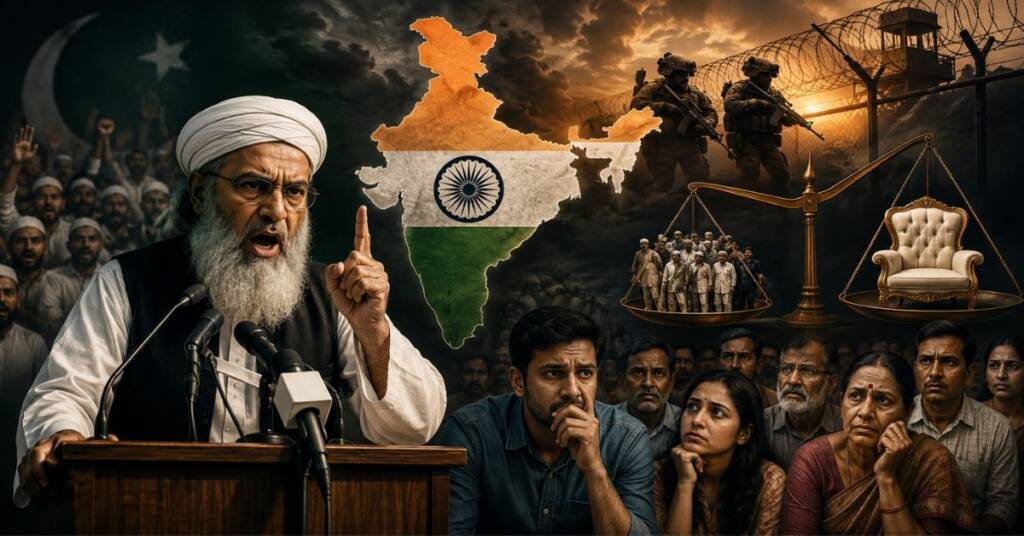
- Recent political discussions and revelations by a Maulana in a widely discussed podcast have intensified debate in the country’s strategic and political circles.
- This discourse exposes the reality that opposition coalitions and opportunistic Muslim leaders used the Muslim community merely as a ‘vote bank’ for seven decades, whereas the current government’s welfare schemes have empowered ordinary citizens without discrimination.
- This article presents a concise and clear analysis of the podcast’s revelations, the weak security record of the UPA era, the emerging ideological awareness within the Muslim community, the revival of Sanatana Dharma under Narendra Modi’s leadership, and the underlying irony observed within the majority Hindu society despite these developments.
National Security, the Deception of Appeasement, and the Irony of the Majority Society
Podcast Revelations and National Security Risks
Statements in the podcast exposed the policies of opposition parties and the vulnerability of the national security apparatus:
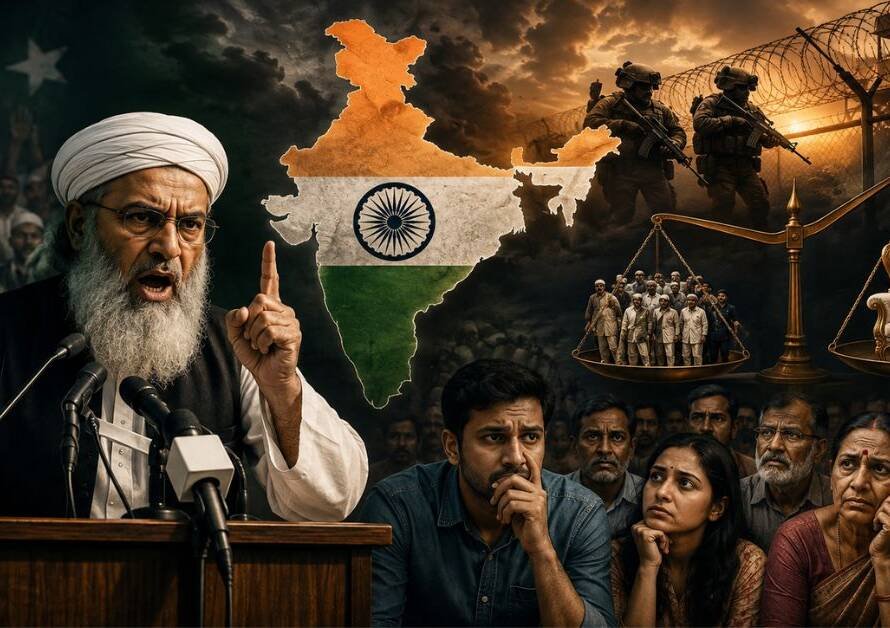
- Dynastic Priorities over National Interests: The opposition alliance prioritizes dynastic ambitions over national interest. According to the Maulana’s disclosures, weak pre-2014 policies created an environment favorable to Pakistan. Such opportunistic compromises risk pushing the country toward severe political and economic instability.
- Internal Security and Resurgent Terrorism: Recalling pre-2014 frequent bomb blasts in major cities and leniency shown for vote-bank politics, concerns were raised that a change in power could reinstate appeasement policies, threatening internal security once again.
Awareness Among the Minority Community: Moving from Appeasement to ‘Nation First’
- Social media trends and ground realities indicate a shifting mindset within the Muslim community:
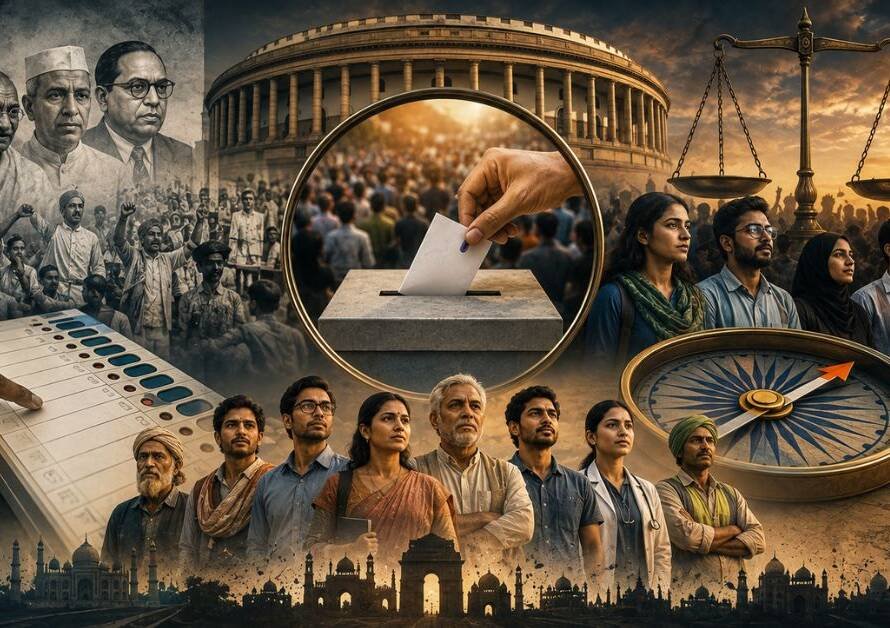
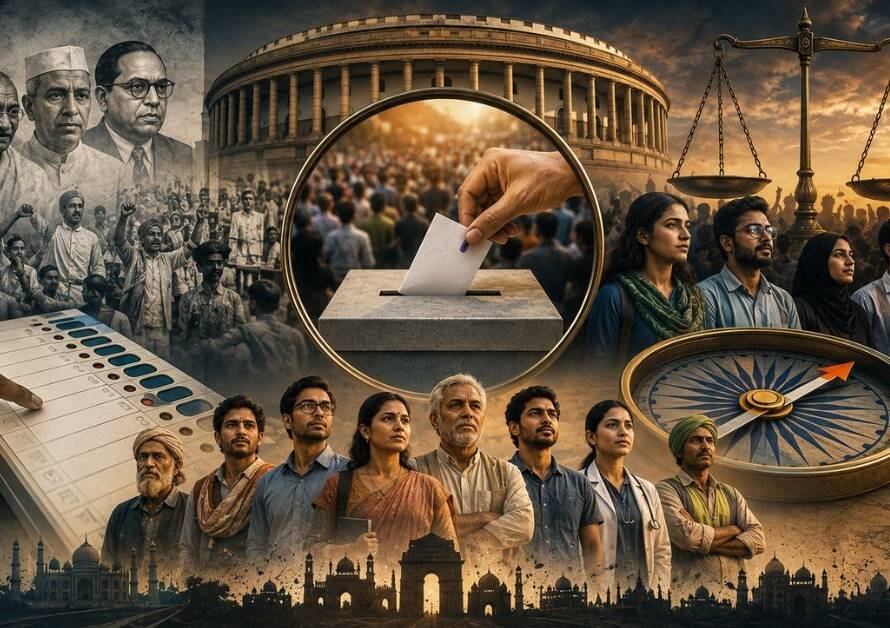
- Realization of Seven Decades of Exploitation: Educated members of the Muslim community now recognize that over the past seven decades, Congress, regional parties, and opportunistic Muslim leaders used them merely for rallies, protests, and anti-social activities while neglecting their education and economic growth.
- Impact of Inclusive Schemes and Neutralization of the ‘Muslim Card’: Welfare programs—such as housing, free rations, Ayushman healthcare, and Ujjwala cooking gas—have reached citizens directly without religious bias. Consequently, traditional ‘Muslim card’ tactics and fear-mongering narratives are proving ineffective in elections, leading a large segment of the community to support PM Modi’s leadership.
Historic Revival of Sanatana Dharma and Hindu Culture:
- Following decades where Hindu heritage was sidelined under pseudo-secularism, a new era of cultural pride began post-2014 under the vision of “Virasat Bhi, Vikas Bhi” (Heritage alongside Development):
- Transformative Corridors and Sacred Sites: The construction of the Ram Janmabhoomi Temple in Ayodhya, the Kashi Vishwanath Dham Corridor in Varanasi, the Mahakal Lok in Ujjain, and redevelopments in Kedarnath and Badrinath have restored key spiritual hubs.Legislative Rights and Global Recognition: The CAA provided sanctuary to persecuted refugees, and the abrogation of Article 370 enabled the reopening of hundreds of closed temples in Kashmir. Internationally, over 600 stolen ancient idols were repatriated, and the inauguration of the BAPS Hindu Mandir in Abu Dhabi highlighted global respect for Sanatana Dharma.
- Accessible Pilgrimages: Initiatives like the PRASHAD scheme and the Char Dham All-Weather Road Project have made pilgrimages safer while strengthening local cultural economies.
The Paradox and Lack of Gratitude in the Majority Society:
- Despite these historic cultural revivals, a section of the majority society continues to ask, “What has Modi actually done for Hindus?” This highlights a significant societal irony:
- Short Public Memory and Shifting Baselines: Society quickly forgets seven decades of cultural neglect and takes newly secured rights for granted. Historic milestones like the Ram Mandir are rapidly normalized, leading people to immediately focus on remaining unresolved demands.
- Influence of Opposition Narratives: Counter-narratives framing cultural preservation strictly as electoral tactics sow confusion, leading some to overlook major structural achievements due to pending institutional reforms.
Past Leniency vs. Present Security Framework:
- UPA-Era Soft Policies: Security management under former Home Ministers (Shivraj Patil, Sushilkumar Shinde, P. Chidambaram) lacked decisive policy firmness, keeping security forces in a defensive posture against separatism.
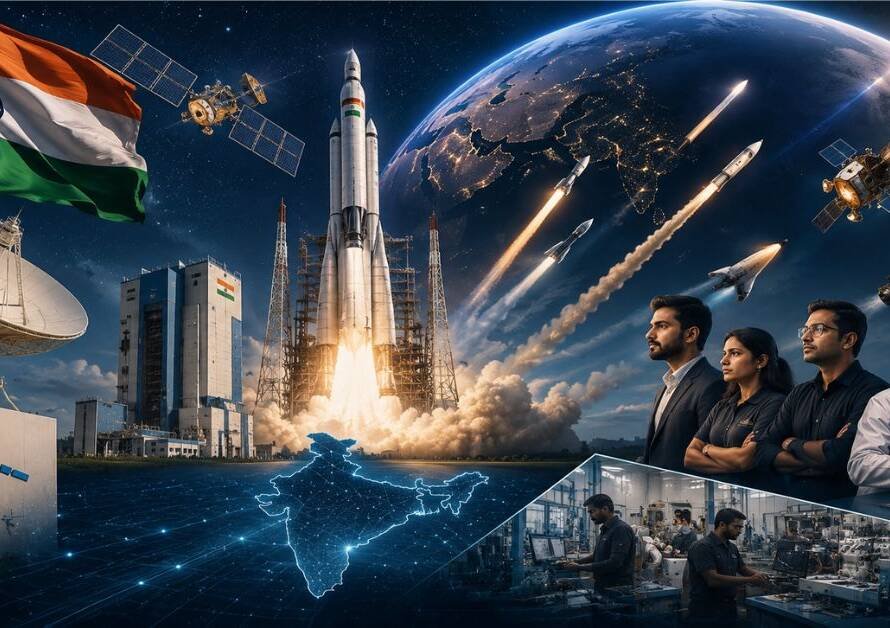
- Present Decisive Security: A policy of zero tolerance toward terrorism dismantled separatist ecosystems. Removing Article 370 ended stone-pelting and strike cultures, transforming the Kashmir Valley into a safe and thriving tourism hub.
- Internal Division vs. The Resolve of ‘Nation First’:
- The Trap of Caste Division: While the minority community moves toward development-oriented politics, efforts to divide the majority community along caste and regional identities continue. Splintering for short-term gains poses a major risk to national unity.
- Core Conclusion: Today’s imperative is to break free from political confusion and appeasement traps. Every citizen must rise above caste and creed to embrace the principle of ‘Nation First’ while recognizing and supporting ongoing cultural revival efforts.
🇮🇳 Jai Bharat, Vandematram 🇮🇳
Read our previous blogs 👉 Click here
Join us on Arattai 👉 Click here
👉Join Our Channels👈
Reads & Views: 32