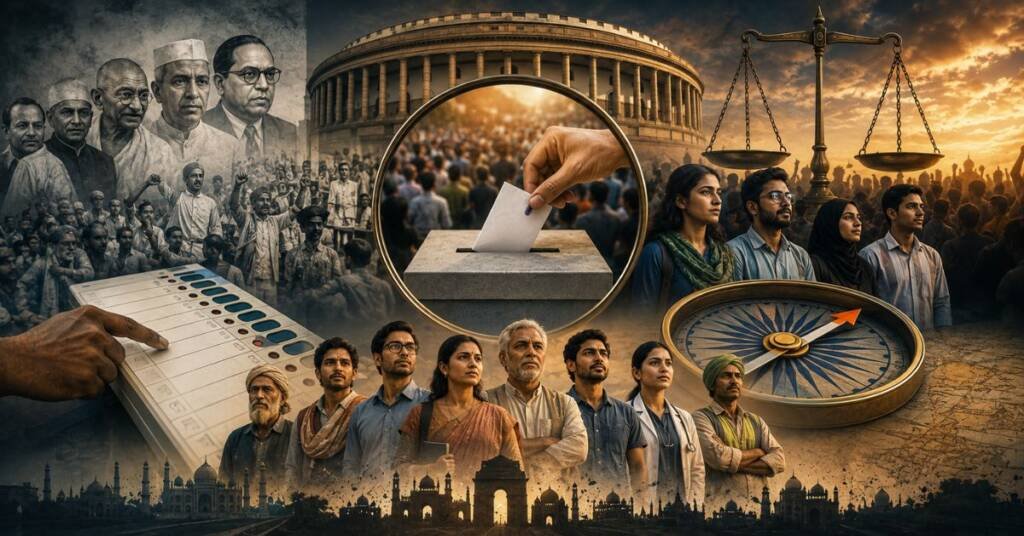
Summary:
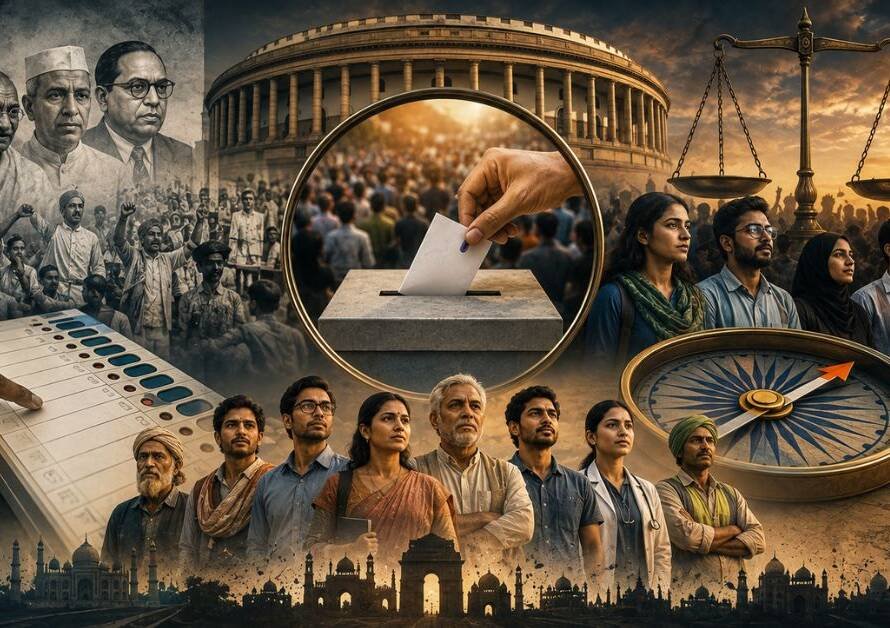
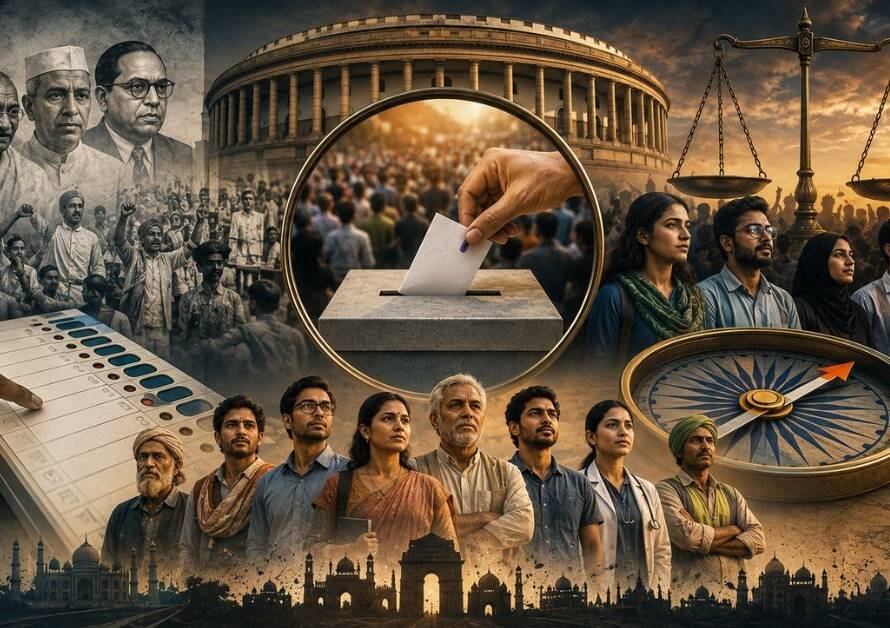
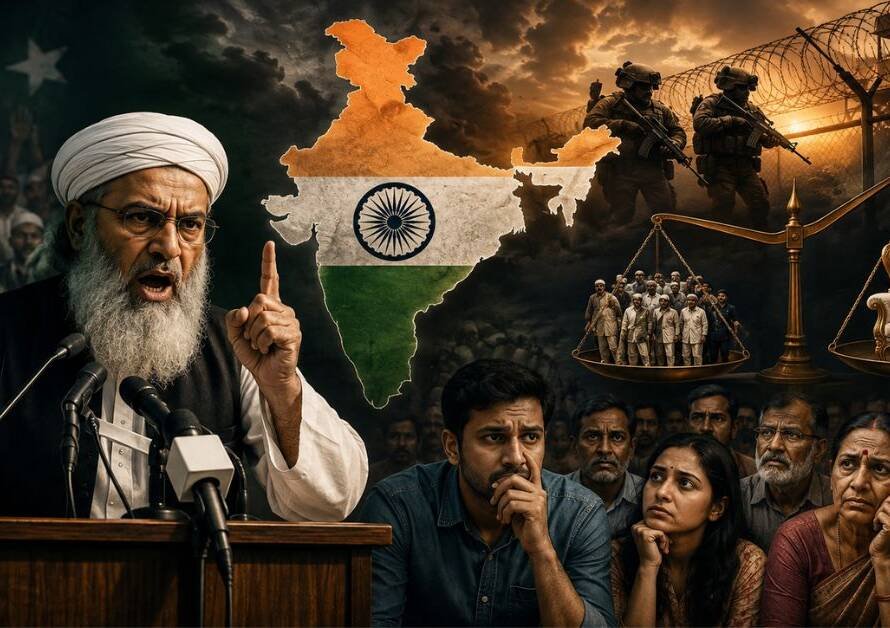
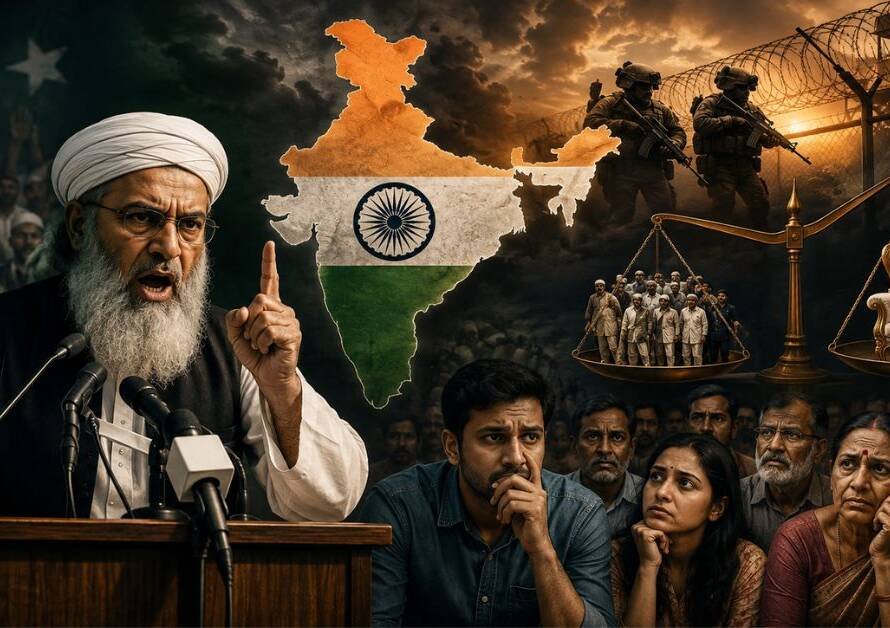
- This extensive political analysis critically examines India’s post-independence democratic journey, focusing on systemic political choices, policy oversights, and ideological compromises spanning multiple decades.
- Rather than confining its scope to standard party-level commentary, this narrative addresses the pivotal role of the electorate in repeatedly empowering specific governance models despite historical controversies.
- These controversies encompass national security lapses, territorial compromises, institutional excesses, economic mismanagement, and cultural alienation.
- By providing a detailed examination of key historical milestones, institutional vulnerabilities, and the societal impact of electoral behavior, this commentary serves as a call for enhanced civic awareness, democratic accountability, and a “Nation-First” perspective in the voting process.
Systemic Missteps, and Electoral Choices in India
1. Geopolitical Vulnerabilities, Strategic Defense Policies, and Territorial Compromises
A rigorous examination of critical post-independence historical moments reveals a recurring pattern where tactical military advantages and national security interests were severely compromised due to policy shortsightedness or diplomatic oversights.
- The 1962 Sino-Indian War and Territorial Losses: Despite India possessing substantial military potential and brave personnel, the lack of strategic foresight, inadequate logistics, unequipped high-altitude troops, and a refusal to deploy airpower effectively resulted in the loss of thousands of square kilometers of Indian territory in Aksai Chin and NEFA (now Arunachal Pradesh).
- The 1971 Simla Agreement and POW Release: Following a decisive military victory in the 1971 war that led to the creation of Bangladesh, India held over 90,000 Pakistani Prisoners of War (POWs) along with strategic territory in Western Pakistan. However, the diplomatic negotiations surrendered these powerful bargaining leverage points without securing a permanent resolution to the Kashmir dispute or guaranteeing the repatriation of 54 missing Indian Defense Personnel (POWs).
- The Indian Peace Keeping Force (IPKF) Deployment in Sri Lanka (1987–1990): The decision to deploy the IPKF to Sri Lanka under the Indo-Sri Lanka Accord drew the Indian Armed Forces into a complex, foreign counter-insurgency conflict. This strategic misstep led to the sacrifice of over 1,100 Indian soldiers, alienating both the local Tamil population and the Sri Lankan government before forcing a eventual withdrawal.
- The Displacement of Kashmiri Pandits (1989–1990): The targeted violence, intimidation, and systemic exile of nearly 300,000 Kashmiri Hindus from the Kashmir Valley during the late 1980s and early 1990s represented an unparalleled collapse of internal security and state protection, leaving an enduring scar on the country’s domestic security record.
2. Institutional Excesses, Civil Liberties Suspensions, and Governance Failures
Certain eras of governance were defined by severe civil rights violations, the centralization of executive power, and administrative oversights that strained the core foundations of Indian democracy.
- The Internal Emergency (1975–1977): During the 21-month Emergency period, fundamental constitutional rights under Article 21 were suspended, over 100,000 political dissidents, journalists, and activists were imprisoned without trial, press censorship was imposed, and executive power was centralized via sweeping constitutional amendments.
- Coercive Family Planning Campaigns: Driven by unconstitutional centers of power during the Emergency era, state machinery was used to carry out forced sterilizations across the country, representing a grave violation of individual liberty and administrative excess.
- The 1966 Gau Raksha (Anti-Cow Slaughter) Agitation: The handling of peaceful demonstrations outside Parliament in November 1966 marked an unprecedented use of force against traditional ascetics and citizens, resulting in tragic casualties and deepening cultural alienation.
- The Bhopal Gas Tragedy Mismanagement (1984): Following the industrial disaster at the Union Carbide plant in Bhopal, which resulted in thousands of deaths and generational health complications, the state failed to enforce immediate legal retribution, allowing key corporate executives safe passage out of the country.
3. Economic Governance, Resource Misallocation, and Financial Scandals
Decades of restrictive economic frameworks combined with high-profile corruption scandals stalled national development and eroded public trust in state institutions.
- The License-Raj and the 1991 Economic Crisis: Decades of central planning, restrictive industrial licensing, and fiscal misgovernance brought India’s foreign exchange reserves down to barely two weeks of imports in early 1991, forcing the government to pledge tons of gold as collateral to international institutions for a financial bailout.
- The Bofors Defense Procurement Scandal: Allegations of kickbacks in the procurement of Bofors howitzers during the late 1980s not only created political turmoil but also stalled defense procurement and artillery modernization for the Indian Army for nearly two decades.
- Resource Allocation Scandals of the 2000s: Systemic financial irregularities, such as the 2G spectrum allocation case and the Coal Block allocation scandal, highlighted how natural national resources were misallocated, causing vast loss estimates to the public exchequer and damaging investor confidence.
4. Cultural Alienation, Social Engineering, and Identity Politics
The narrative examines how narrow identity politics, selective secularism, and electoral engineering were repeatedly utilized to maintain power blocks at the expense of national cohesion.
- Ideological Stances on Civilizational Heritage: Certain administrative actions and judicial filings—such as the official affidavits submitted in court questioning the historical existence of Lord Ram and the Ram Setu—alienated large sections of society who viewed these stances as an attack on India’s ancient civilizational heritage.
- Caste-Based Mobilization: Electoral strategies frequently relied on caste-based division, splitting society into narrow vote banks to secure short-term electoral victories rather than fostering a unified national consciousness (Rashtriya Chetna).
- Unequal Regulation of Institutions: Administrative frameworks often created institutional asymmetries, such as maintaining state control over Hindu temples and their revenues while granting complete financial and administrative autonomy to minority educational and religious institutions.
5. Electoral Amnesia and the Philosophy of Voter Responsibility
The central argument shifts the responsibility from political leadership back to the voting public, examining how electoral choices directly shape the quality of governance.
- The Voter’s Dilemma – Freebies vs. Long-Term Growth: Voters have frequently prioritized short-term financial incentives, subsidised welfare schemes, and narrow caste alignments over long-term structural reforms, robust defense spending, and infrastructure development.
- Electoral Amnesia: The tendency of the electorate to forget major governance failures, financial corruption, and constitutional violations after short time horizons allowed compromised governance models to repeatedly regain power.
- The Need for Civic Vigilance: A mature and resilient democracy requires an informed public that evaluates political entities based on concrete performance, institutional integrity, defense readiness, and cultural respect rather than emotional or short-term inducements.
6. Moving Toward a Nation-First Governance Model
Democracy ultimately reflects the collective wisdom, priorities, and vigilance of its citizens. Recognizing past governance mistakes is essential for building a resilient, self-reliant (Atmanirbhar), and culturally grounded nation.
- Prioritizing National Integrity: Citizens must remain vigilant against political narratives or administrative policies that risk weakening national security, internal harmony, or defense preparedness.
- Institutional Transparency: Sustained national progress requires demanding accountability, rule of law, and transparent governance across all levels of administration.
- Cultural Confidence and Modernity: True development occurs when economic modernization and technological advancement are anchored in civilizational pride and a unified national identity.
🇮🇳 Jai Bharat, Vandematram 🇮🇳
Read our previous blogs 👉 Click here
Join us on Arattai 👉 Click here
👉Join Our Channels👈