Summary:
- This analysis highlights the shifting nature of Indian politics, where ‘opposition’ has transformed from constructive suggestion into a weapon of ‘negative narratives.’
- The report explores how, prior to 2014, a strong opposition protected the national interest, whereas the current opposition is perceived as prioritizing dynastic and political survival by attempting to hinder the country’s image and development.
- The article focuses on the misuse of social media, the politics of confusion, and the resolve of ‘Nation First.’
Negative Politics and the Crisis of Democratic Values
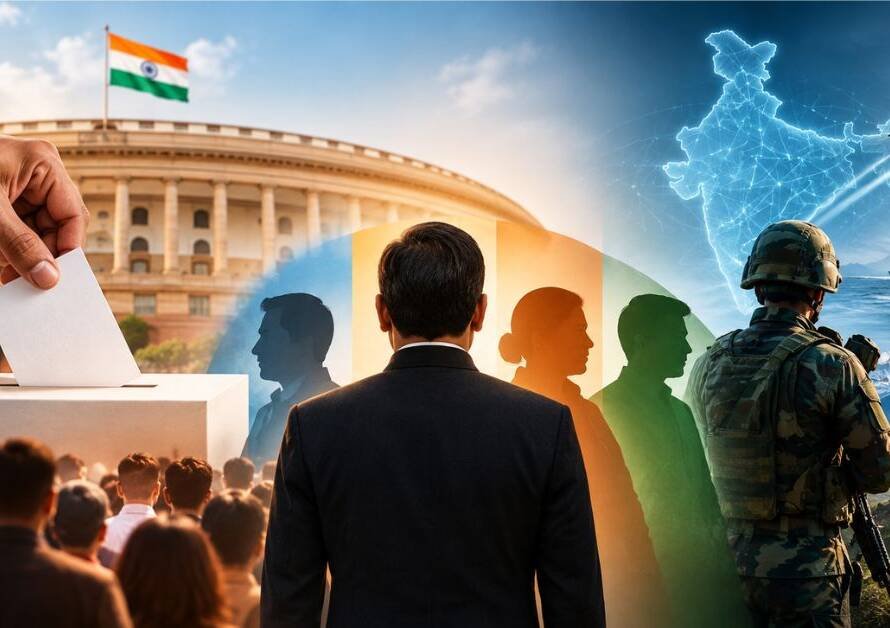
In the history of Indian democracy, criticism has always been regarded as ‘life-giving.’ However, in the current era, the level of political discourse has fallen from policy-based opposition to a ‘Negative Narrative’ where opposing the government has become synonymous with attacking the country’s achievements and prestige.
1. A Historical Paradox: The 2014 Milestone
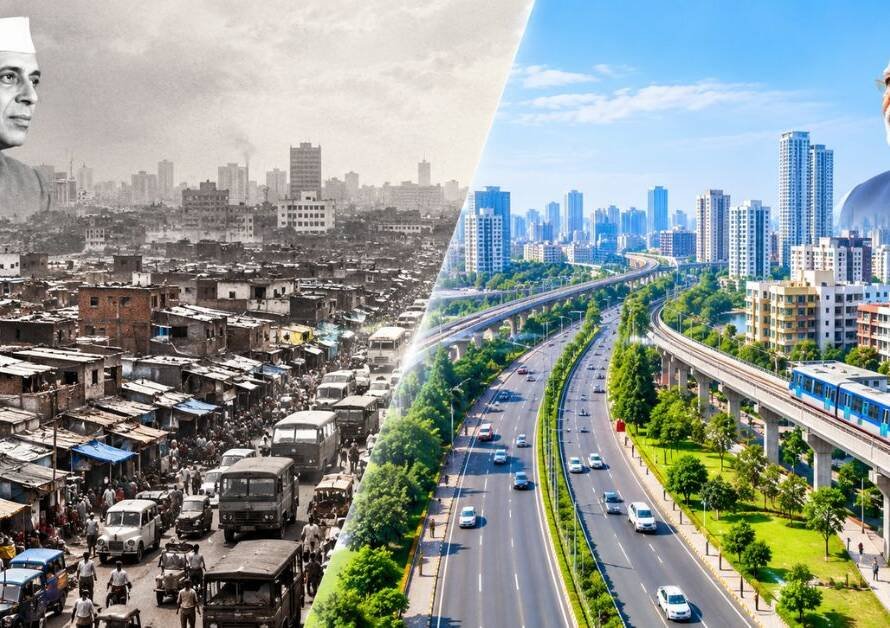
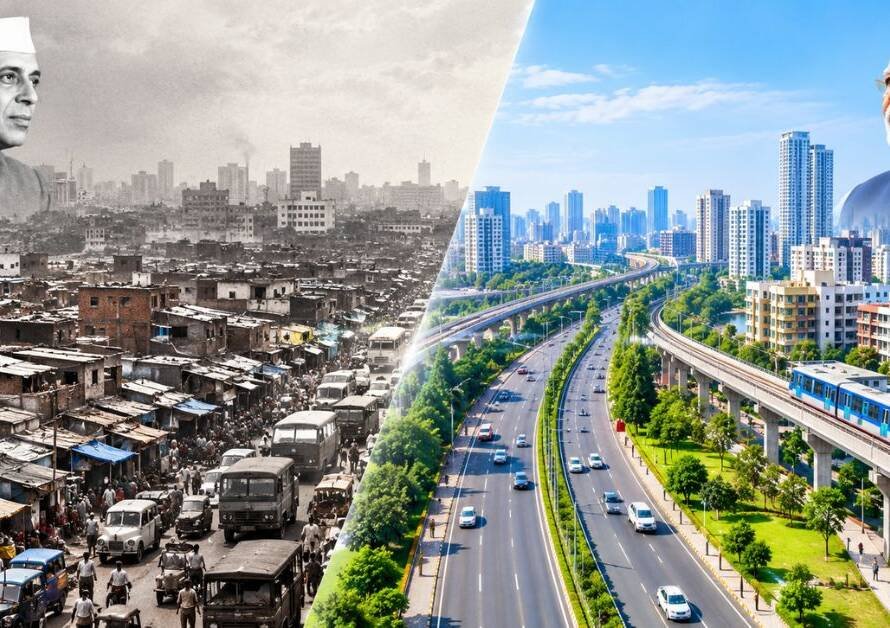
A comparison of two distinct eras in Indian politics reveals a deep irony that questions the health of our democracy:
The Pre-2014 Era (Strong Opposition, Compromised Government):
- During that time, the central government was often composed of coalitions that were forced to make compromises on various fronts due to ‘alliance politics’ and selfish ends.
- However, the greatest feature of that era was a ‘Powerful Opposition.’ The opposition of that time never compromised on issues of corruption, internal security, or national interest.
- While the opposition’s role was to corner the government, its ultimate goal remained the protection of the nation’s security and interests.
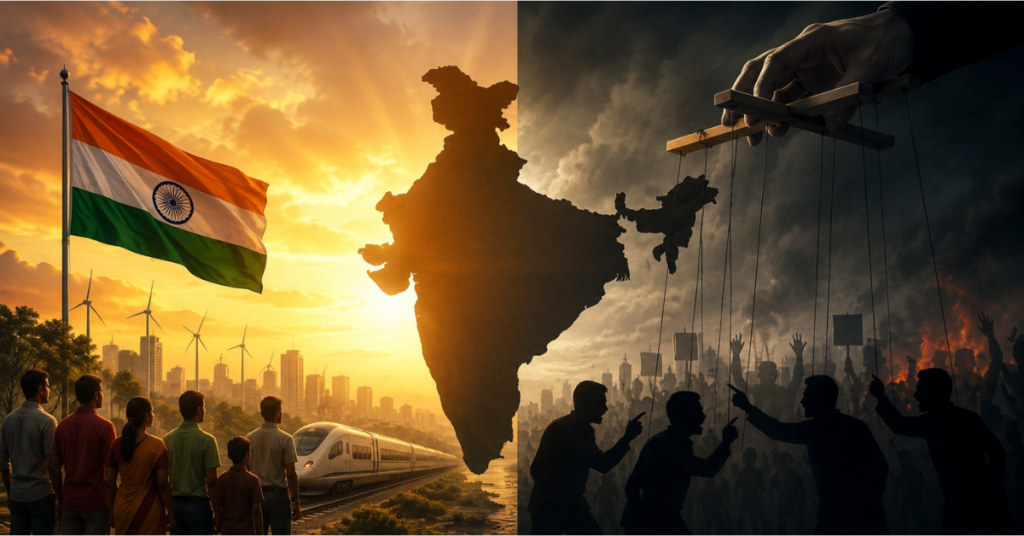
The Post-2014 Era (Strong Government, Confused Opposition):
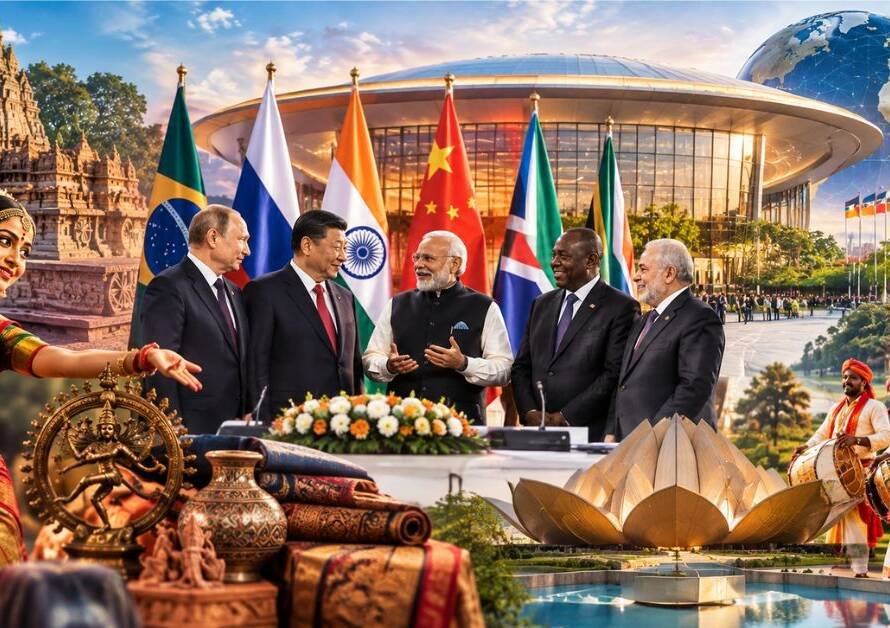
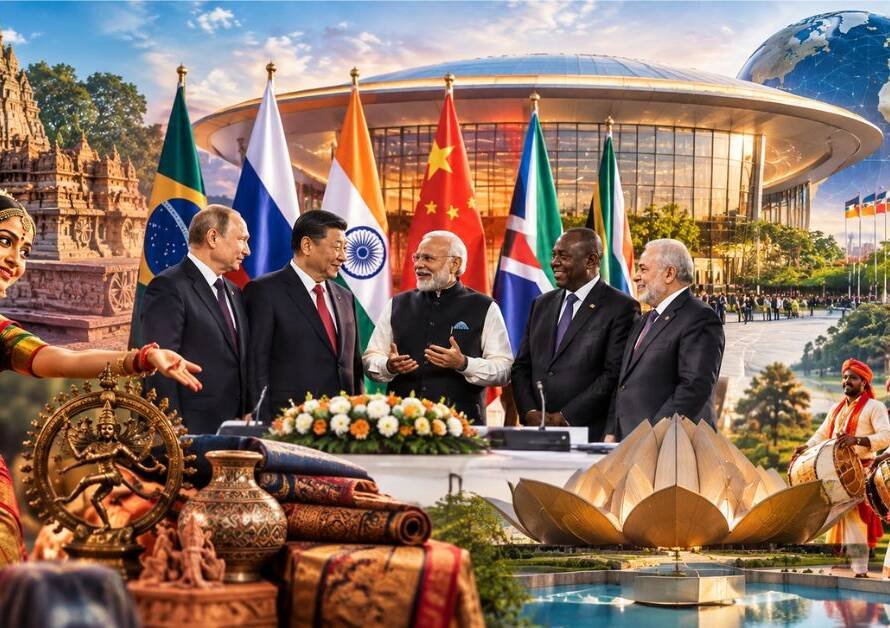
- After 2014, a government emerged with a full majority, working on the principle of ‘Nation First.’ India’s stature on the international stage has grown, along with the capacity to take tough decisions for the country’s benefit.
- But today’s opposition suffers from a strange irony. In its blind hatred for the government, it has lost the ability to distinguish between national interest and political rivalry.
- Instead of being constructive, today’s opposition has become a ‘Hub of Negativity,’ aimed solely at creating confusion among the public to regain power.
2. The Politics of ‘Dynasty’ and ‘Self-Interest’
In today’s political discourse, it is evident that the unity of the opposition is not based on a shared ideology or an alternative development model, but on the preservation of private and political interests.
- Protecting Dynastic Interests: For many political parties, politics is no longer a service but a ‘family legacy.’ When this legacy is threatened, they attempt to turn the entire national atmosphere negative.
- Selfish Alliances: The coming together of parties with vastly different ideologies for a single agenda (anti-Modi) shows that they are more concerned about their political survival than the country’s future.
- Masking Corruption: It is frequently observed that whenever strict action is taken against corruption, it is branded as the ‘murder of democracy’ to mislead the public.
3. Weapons of Negative Narratives: Misuse of the Digital Age
Today’s political battles are fought more on smartphone screens than on the ground, with ‘falsehood’ being used as the primary weapon.
Fake News and Edited Videos:
- Opposition supporters and certain IT cells present government statements in a distorted manner to send the wrong message to the public.
- Showing ‘selective excerpts’ instead of the full context is a core part of their strategy.
Politics of Fear:
- Spreading narratives that “rights will be taken away” or “the Constitution will be destroyed” regarding public interest schemes (such as CAA or new education policies) is a deliberate attempt to frighten the public.
- International Conspiracies: Using foreign platforms and media to belittle one’s own government is a new and dangerous trend. It is an attempt to defame internal politics at an international level.
4. National Interest vs. Political Opposition
While healthy criticism is welcome in a democracy, politics rooted in ‘hatred’ and ‘anti-national’ sentiment is fatal to society.
- Mourning Success: When India plants its flag in space, successfully hosts international events like the G-20, or becomes the world’s fifth-largest economy, the opposition looks for ‘flaws’ instead of celebrating.
- Questioning the Military: Demanding proof or questioning the bravery of the country’s army—whether during surgical strikes or border tensions—goes against the standards of ‘healthy politics.’
- Hinderance to Development: Creating unnecessary movements against infrastructure projects simply so the government doesn’t get the credit is a direct attempt to stop the country’s progress.
5. Public Expectation and the Future of Politics
The citizens of today are not the citizens of the 1980s or 90s. Today’s citizen knows how to verify facts.
- Development-centric Politics: The public no longer wants empty promises or mere protests. They want to see what better alternatives the opposition has to offer compared to the government.
- Need for a Positive Opposition: The country needs an opposition that corrects the government on its mistakes but stands with the government on the country’s achievements.
- Vow for Clean Politics: Politics should not just mean attaining power; it should mean service and nation-building. Healthy democracy remains an illusion until politics rises above dynastic and personal interests.
6. Nation First, Politics Second
- Today’s anti-Modi politics has proven that they lack a solid agenda. In the process of opposing the government, they have begun to oppose India’s progress.
- A strong opposition is vital for democracy, but that strength should not come at the cost of weakening the nation.
- The time has come for the public to recognize these negative narratives and support only those who work with the spirit of ‘Nation First.’
Clean politics is essential in the national interest.
🇮🇳Jai Bharat, Vandematram 🇮🇳
Read our previous blogs 👉 Click here
Join us on Arattai 👉 Click here
👉Join Our Channels👈