Summary
- Over the past decade and more, Indian politics has witnessed a significant shift. On one side, the government has continued to emphasize development, national security, and India’s growing global standing. On the other side, certain political and ideological groups have persistently opposed nearly every initiative, attempting to create a negative atmosphere around governance and national achievements.
- Despite more than eleven years of constant criticism and opposition, the electorate has repeatedly delivered a clear message through elections. From Haryana to the recent BMC elections, voters have indicated that politics based solely on accusations, confusion, and negative narratives cannot sustain long-term public support.
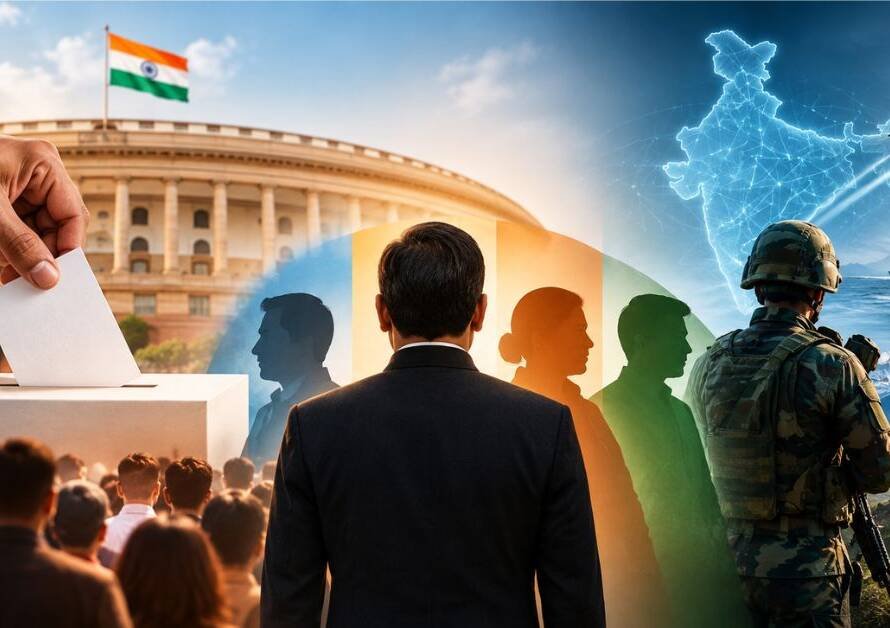
- Today’s Indian voter is far more aware and informed than before. Decisions are increasingly made not on slogans or noise, but on development outcomes, stability, and national interest. Time and again, democratic verdicts suggest that constructive politics and credible governance receive public trust.
Eleven Years of Politics, Repeated Public Verdicts, and the Limits of Negative Campaigning
1. The Continuous Campaign of Negative Narratives
- For several years, efforts have been made to shape a political atmosphere where almost every government initiative is viewed with suspicion.
Key features of this narrative approach
- Attempting to downplay or dismiss government achievements
- Turning nearly every policy decision into a controversy
- Amplifying criticism through media and social media platforms
- Raising doubts internationally about the country’s direction and policies
This strategy appears to rely on the assumption that continuous criticism can influence public perception. However, over time it has become clear that constant noise does not necessarily change ground realities.
2. The Political Context of the Last Eleven Years
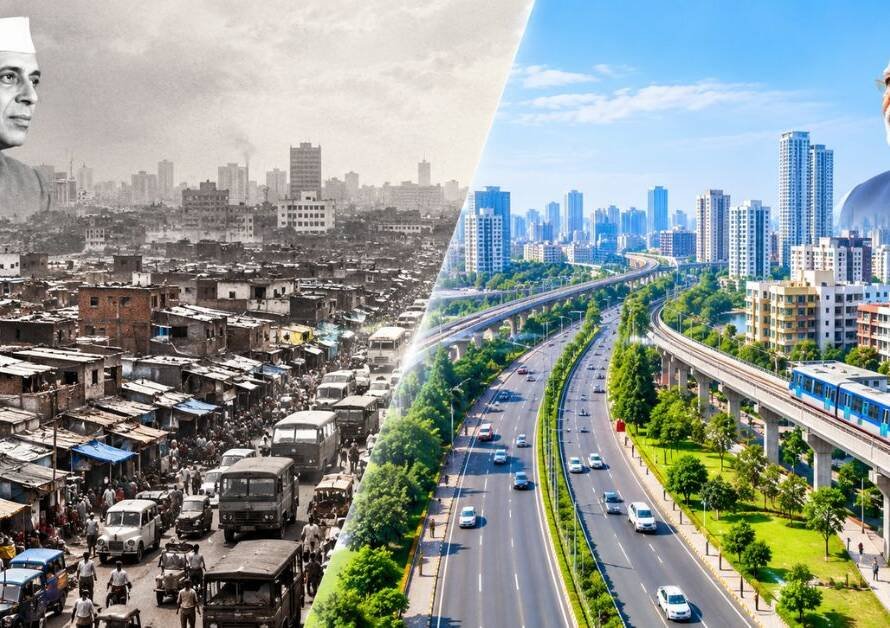
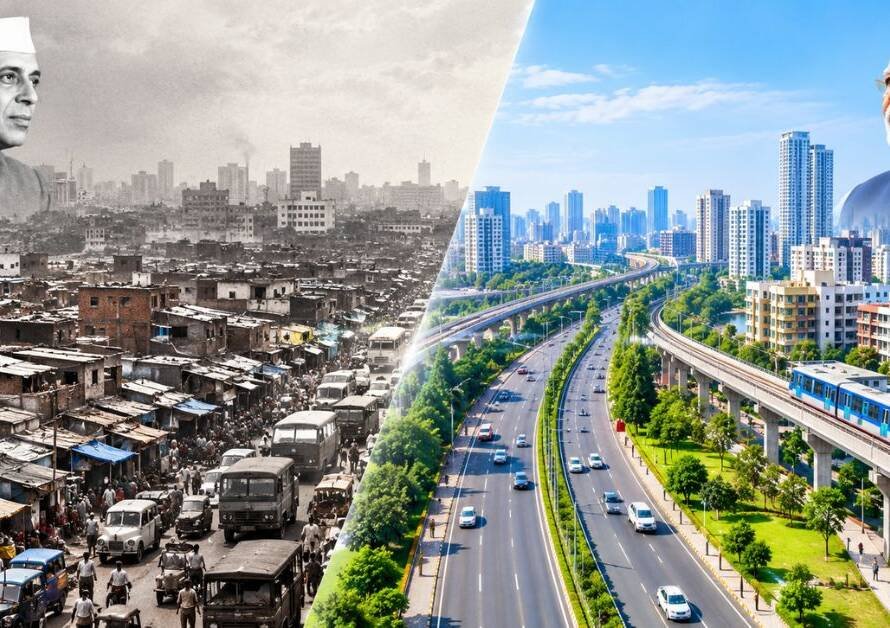
- Over the past eleven years, India has witnessed several structural and policy developments.
Major developments include
- Rapid expansion of infrastructure across the country
- Significant growth in digital and technological sectors
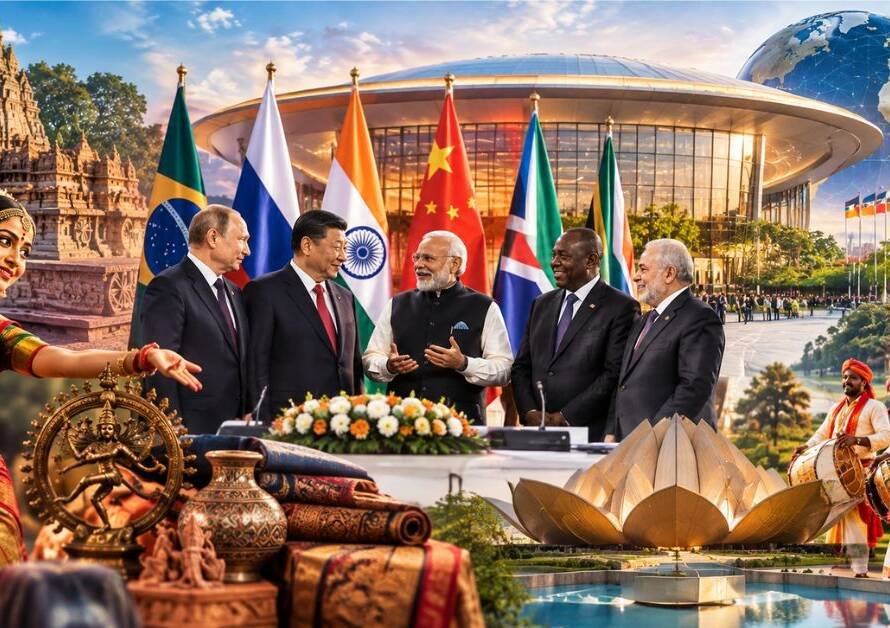
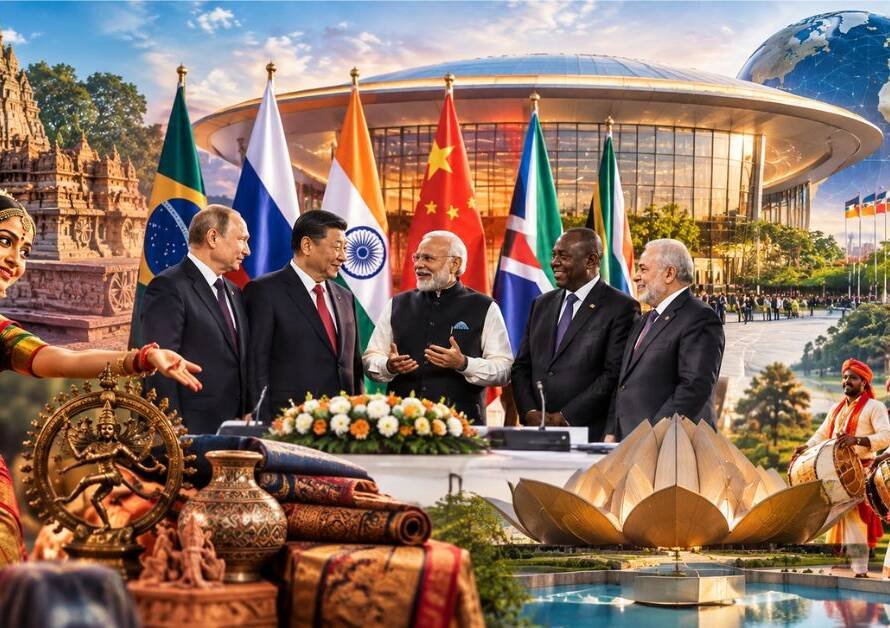
- Increasing influence of India on global diplomatic platforms
- Proactive policies in national security and foreign relations
These developments have allowed citizens to compare narrative claims with visible outcomes.
3. Repeated Messages from the Electorate
- In a democracy, the final judgment rests with the people. Over recent years, elections have consistently reflected voter sentiment.
Electoral signals
- Haryana elections indicating support for stable governance
- Delhi and other state elections highlighting evaluation based on policies and leadership
- Local body elections reinforcing similar trends
- Recent BMC elections reflecting public opinion at the grassroots level
These results demonstrate that voters are not influenced solely by accusations or political noise.
4. Consequences of Persistent Negative Politics
- Continuous negative campaigning can also create broader consequences.
Potential impacts
Risk of damaging the country’s image internationally
- Erosion of trust in institutions
- Confusion and unnecessary divisions within society
- Diversion of attention from substantive policy issues
When politics becomes limited to opposition without constructive engagement, it risks losing its ability to play a productive democratic role.
5. The Rise of a More Informed Electorate
- Today’s Indian voter is significantly more informed and aware than in earlier decades.
Reasons behind this shift
- Easier access to information through digital platforms
- Availability of diverse sources of analysis and opinion
- Greater public capacity to compare claims with real-world outcomes
As a result:
- Exaggerated or misleading narratives do not sustain influence for long
- Criticism alone does not build trust
- Voters increasingly support leadership that offers stability, development, and clear direction
6. The Role of the Opposition in a Democracy
- In a healthy democracy, the opposition plays a critical role alongside the government.
For a balanced democratic system
- Constructive criticism is essential
- Policy alternatives should be presented
- Public concerns should be responsibly articulated
- Political dialogue should remain solution-oriented
If opposition politics becomes limited only to negative campaigns, voters may gradually disengage from it.
7. The Greatest Strength of Democracy – The People
India’s democracy remains strong because:
- Citizens regularly express their views through elections
- Governments derive legitimacy from public support
- Voters evaluate both ruling parties and opposition equally
Ultimately, it is the people who determine the direction of political discourse and governance.
- The political experience of the last eleven years clearly shows that continuous negative campaigning and attempts to create confusion cannot sustain public confidence indefinitely.
- India’s electorate today is more informed, analytical, and outcome-oriented. Voters increasingly differentiate between political noise and tangible results. Ultimately, the public supports politics that promotes development, stability, and national interest.
- This remains the central message of democracy:
the people decide which ideas and leadership will shape the nation’s future.
🇮🇳 Jai Bharat, Vandematram 🇮🇳
Read our previous blogs 👉 Click here
Join us on Arattai 👉 Click here
👉Join Our Channels 👈