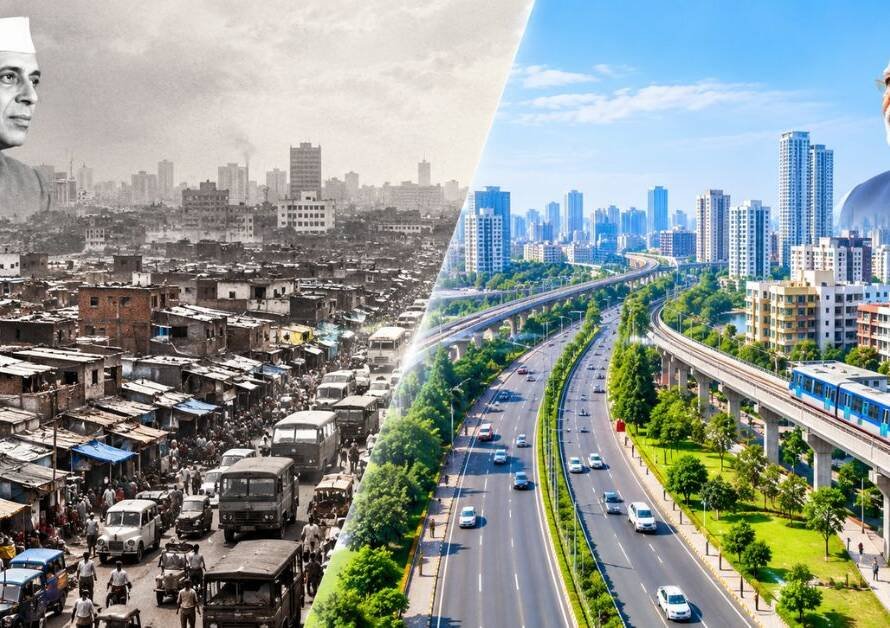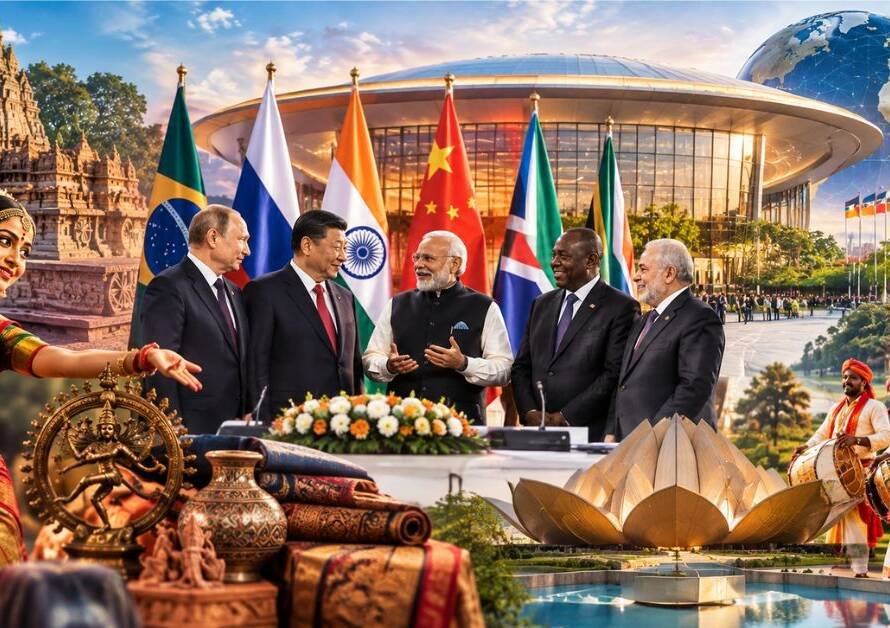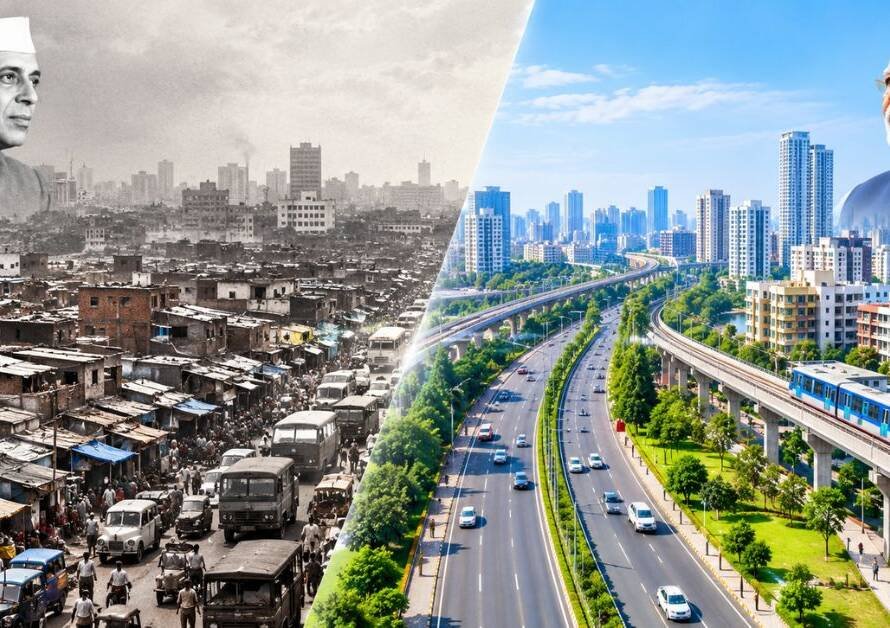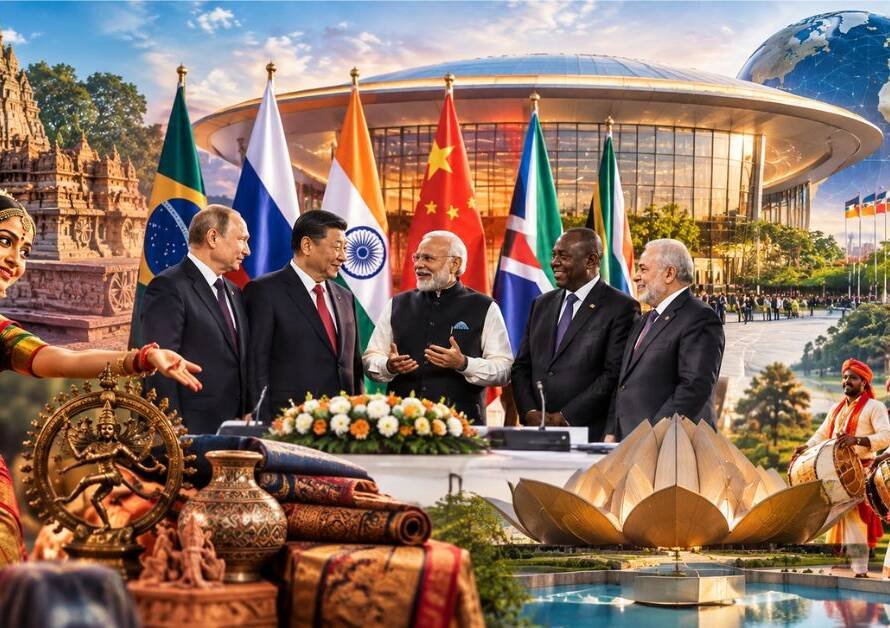
- This comprehensive political analysis highlights a monumental paradigm shift within Indian governance and electoral politics. At the core of this discourse is the historic event of April 16, 1999, a day when the Congress party crossed all boundaries of political ethics to pull down the nationalist government of the revered Atal Bihari Vajpayee by a solitary vote.
- This analysis establishes how the contemporary BJP leadership (Narendra Modi and Amit Shah) has completely dismantled the defensive, self-defeating idealism of the past in favor of Strategic Realism.
- Today, opportunists and destabilizers are being paid back in their own coin. This piece maps the collapse of the old appeasement ecosystems and reflects the collective resolve of Indian citizens to propel the nation back to its 2,000-year-old status as ‘Vishvaguru’ (Global Leader) through political stability and absolute transparency.
Part 1: Strategic Realism Over Self-Defeating Idealism
Today, whenever a regional coalition or a Congress-led government collapses due to its own internal contradictions and misdeeds, their top leadership and friendly media ecosystem instantly cry foul. From social media feeds to press conferences, a well-rehearsed chorus lamenting the “death of democracy” and “constitutional crises” echoes uniformly. However, history bears witness that this outrage is merely the panic of losing power, completely divorced from political morality.
- The Law of Historical Karma: The wheel of political history has come full circle, delivering a precise counter-response to the Congress party in its own signature style. The current national leadership leverages the same level of strategic aggression that the opposition once used to backstab nationalists. This is practical realism and historical retribution in its purest form.
- The End of One-Sided Morality: For decades, nationalist forces suffered immense setbacks due to being ‘overly defensive’ and ‘bound by rigid idealism’ while facing an adversary that played by no rules. New India has redrawn the lines: if the rules of engagement are dictated by unprincipled forces, they will be neutralized using those exact rules under a pragmatic, modern statecraft.
- The Collapse of False Narratives: The opposition’s constant victimhood card has completely lost its efficacy among the masses. The Indian electorate clearly remembers who pioneered ‘Aya Ram, Gaya Ram’ politics, weaponized the misuse of Article 356 to subvert state mandates, and institutionalized corruption for over five decades.
Part 2: April 16, 1999 – The True Subversion of Indian Democracy
Delving into the memoirs of eyewitness journalists and contemporary political archives, April 16, 1999, stands out as one of the darkest chapters in independent India’s parliamentary history. It was the day the nation witnessed a deeply honest and beloved leader face blatant betrayal.
- Vajpayee’s Unwavering Trust: The then Prime Minister, Shri Atal Bihari Vajpayee, was fully confident that his 13-month administration had worked phenomenally for national interests and would easily prove its majority on the floor of the House. The entire nation stood behind his integrity, the courage of the nuclear tests, and his development-centric policies.
- The Backroom Conspiracy: Behind the scenes, the opposition leadership orchestrated a web of manipulation to seize power, permanently staining the sanctity of parliamentary traditions. Coercion and political inducements were unleashed to fracture the NDA coalition.
- The Violation of Party Whips: Disgruntled factions within coalition partners were lured away with political promises, openly violating their own party directives to vote against the Vajpayee government.
- The Exploitation of Personal Oaths: In a display of pure opportunism over ideological commitment, key swing voters were coerced into switching sides at the absolute eleventh hour through high-pressure backroom deals, marking a absolute low in political ethics.
Part 3: The Giridhar Gamang Episode – The Pinnacle of Opportunism
The most unconstitutional and egregious act of the 1999 parliamentary drama stunned even the country’s neutral intellectuals. This episode remains an indelible blot on the institutional integrity of the Congress party.
- The Constitutional Anomaly: Giridhar Gamang had already sworn an oath as the Chief Minister of Odisha on February 15, 1999. Basic democratic convention and political morality dictated that upon assuming the Chief Minister’s office, he should have immediately resigned his Lok Sabha parliamentary seat.
- A Deliberate Delay: Under direct orders from the party high command, Gamang deliberately withheld his resignation from February through April. The sole objective of this delay was to utilize a sitting state Chief Minister as an active voting Member of Parliament to pull down the federal government.
- Vajpayee’s Historic Floor Appeal: Moments before the voting commenced, Vajpayee stood up in Parliament and, with his characteristic grace, made an appeal to the house:
“I leave it to the conscience of the leadership and Giridhar Gamang to decide if what they are doing is morally correct… I trust that listening to his inner voice, Giridhar Gamang will abstain from voting since he has already assumed the office of a state Chief Minister.”
- Betrayal Wins by One Vote: Driven by an absolute hunger for power, the opposition leadership dismissed this ethical appeal. Gamang was directed to cast his vote. Consequently, India’s most popular and clean government fell by a single vote. As Vajpayee walked out of the parliamentary lobby, his eyes were heavy—not with the sorrow of losing office, but with profound shock at how far a party could go to strip democracy of its dignity.
Part 4: The Modi-Shah Era – Absolute Stability Over Defensive Politics
The trauma of 1999 taught nationalist thinkers a foundational lesson: when fighting a ruthless, unprincipled, and power-hungry ecosystem, you cannot survive on pure, passive idealism alone.
- An Era of Strategic Assertiveness: The contemporary leadership of Narendra Modi and Amit Shah represents the living antidote to those historical wounds. They have permanently discarded the old defensive and apologetic posture. The policy is now explicit: “If you illegitimately target a mandate given by the people, your own political survival will be put at risk.”
- The End of Political Blackmail: In the old era, tiny regional satraps and opportunistic factions constantly held the central government hostage, threatening to collapse coalitions and paralyzing national policy. Today’s robust leadership has established such an ironclad stability from Parliament to the states that political extortionists have been rendered completely obsolete.
- Historical and Natural Justice: Today, the forces of appeasement are shrinking across the political map. Whenever these opportunistic networks collapse under their own weight, it gives ordinary citizens a profound sense of closure, viewing it as the ultimate natural justice for the betrayal of 1999.
Part 5: An Awakened Electorate and the Vision of ‘Vishvaguru’
The opposition and its externally funded echo chambers continue to make the mistake of treating the Indian voter as gullible and easily manipulated. They fail to realize that the India of 2026 is ideologically conscious and highly vigilant.
- Dismantling the Divisive Toolkit: India’s youth, its middle class, and its conscious citizens are no longer swayed by manufactured narratives. The public is fully aware of how certain factions hollowed out the nation for decades through unchecked appeasement, caste-based polarization, and by giving a free pass to subversive internal elements.
- The Ultimate Democratic Purge: The electorate has resolved to systematically marginalize corrupt dynasties that trifled with national sovereignty. This process of political purification is being executed silently and decisively by the power of the ballot in every single election.
- A Long-Term Compact for a Global Superpower: The absolute trust reposed by citizens in the current progressive administration is not for short-term freebies. It is a long-term mandate aimed at securing India’s economic, technological, military, and cultural dominance as a Global Superpower. The objective is to reclaim the seat of ‘Vishvaguru’—a legacy that was ours 2,000 years ago when the world looked to our knowledge systems and strength with respect.
Conclusion: The Arc of Time and Final Justice
History proves that time never forgets an institutional crime. The cosmic ledger of political actions is being balanced on this very soil, on this very political chessboard. Those who once laughed in arrogance find themselves on the fringes of relevance; while the values of those who once wept for the nation now guide the destiny of India.
🇮🇳Jai Bharat, Vandematram 🇮🇳
Read our previous blogs 👉 Click here
Join us on Arattai 👉 Click here
👉Join Our Channels👈