Summary
- This extensive ideological analysis uses the brutal murder of Anand in Sant Kabir Nagar, Uttar Pradesh, as a lens to evaluate the broader internal and external security threats facing India.
- It exposes how structured extremist conspiracies, radical operations, and selective violence are continuously deployed to disrupt national peace—all while being shielded by a decades-old pseudo-secular and anti-national ecosystem.
- This analysis alerts citizens to the hidden agendas of opposition factions aiming to derail India’s phenomenal economic and strategic progress over the last 12 years, concluding that unconditional support for nationalist policies is the only viable path for the nation’s survival, security, and prosperity.
Internal Security Challenges, Selective Outrage, and the Global Plot
- The Sant Kabir Nagar Tragedy: The daylight murder of Anand, an innocent Dalit youth, by Mohammad Nasir Ali in Uttar Pradesh is not an isolated local crime. It is a symptoms of a deeper socio-political and security crisis where vulnerable sections of society are targeted under the false sedation of manufactured harmony.
- The Silence of Self-Proclaimed Messiahs: Following this bloody retribution, politicians and self-styled champions who campaign around the ‘Bheem-Meem’ (Dalit-Muslim) unity slogan have maintained absolute silence. This silence is a calculated political strategy that calibrates outrage based on the religion of the perpetrator.
- The Mechanics of Selective Outrage: While minor incidents are routinely weaponized by a pseudo-secular ecosystem to tarnish India’s global image on international platforms, the brutal execution of an underprivileged youth is met with complete media apathy. This selective outrage acts as a primary threat to internal security by emboldening radical elements.
1. Deconstructing the Sant Kabir Nagar Murder Case
- The Radical Motive and Retribution: The perpetrator, Nasir Ali, had been systematically harassing Anand’s niece. When Anand fiercely intervened and confronted Nasir to protect his family, the act of defiance wounded Nasir’s radical sense of entitlement. In response, Nasir and his associates ambushed Anand late at night, publically slitting his throat with a sword.
- Public Outrage and Law Enforcement Response: As news of the brutality spread, immense anger erupted among local residents. Thousands of villagers blocked national highways, demanding immediate, absolute retributive action from the administration. To maintain order and prevent communal escalation, heavy police reinforcements were deployed to secure the zone.
- The Illusion of Harmony: Investigations revealed that the victim and the perpetrator shared a casual acquaintance as neighbors. However, the moment radical ideological dominance was challenged, old ties were discarded. This incident demonstrates that for certain radical mindsets, communal harmony is used as a one-sided political tool to keep the majority population compliant.
2. Statistical Realities: The Exploitation of Vulnerable Communities
- The Data Over the Four-Month Window (2026): Official administrative data recorded between January and April 2026 reveals a stark reality. Under the SC/ST (Prevention of Atrocities) Act, 1,983 authentic cases involving harassment, assault, rape, and homicide have been registered against perpetrators belonging to the minority community targeting Dalit citizens.
- The Collapse of Political Narratives: Factions like the Samajwadi Party and the Congress party consistently push a manufactured narrative of unity among backward classes, Dalits, and minorities. However, these verified government metrics fully expose the emptiness and hypocrisy of this artificial political alliance.
- The Ground Reality: The data conclusively proves that at the grassroots level, the most severe institutional and physical exploitation of the Dalit community originates from the very demographic that political coalitions shield and patronize for consolidated electoral gains.
3. The Historical Record of the Samajwadi Party’s Governance
- Institutional Exploitation: Historical trends and data compiled by the National Crime Records Bureau (NCRB) confirm that whenever the Samajwadi Party held the reins of power in Uttar Pradesh, the state witnessed the institutionalized exploitation of lower socio-economic classes.
- The 2012–2017 Administration: During Akhilesh Yadav’s five-year tenure, Uttar Pradesh recorded over 15,130 authenticated cases of crimes against Dalits—the highest across the entire nation during that timeframe. The horrific 2014 Badaun case, where two minor Dalit sisters were brutalized and hung from a tree, remains a historical testament to that era of administrative lawlessness.
- The Era of Mulayam Singh Yadav: In rural pockets, vulnerable communities were viewed merely as an opposition vote bank. Local police stations routinely refused to register their First Information Reports (FIRs) due to direct pressure from ruling-party strongmen.
- The Guest House Incident: This hostility reached its peak on June 2, 1995, during the infamous Lucknow State Guest House incident, where Samajwadi Party operatives launched a violent, life-threatening assault on Mayawati, the state’s most prominent Dalit leader.
4. The Institutional Hypocrisy of ‘Bheem-Meem’ Politics
- Opportunistic Human Rights: The operational framework of this specific political alliance is entirely selective. If an incident occurs where the accused is associated with a nationalist organization or belongs to the majority community, these political actors immediately launch highly funded social media campaigns to vilify the country.
- The Vote Bank Filter: Conversely, when confronted with a horror like the Sant Kabir Nagar execution—where the victim is an underprivileged youth and the attacker is Mohammad Nasir Ali—the humanitarian empathy of these leaders vanishes. The fear of alienating a consolidated, radicalized bloc overrides basic human justice.
5. Ideological Operations and Internal Destabilization
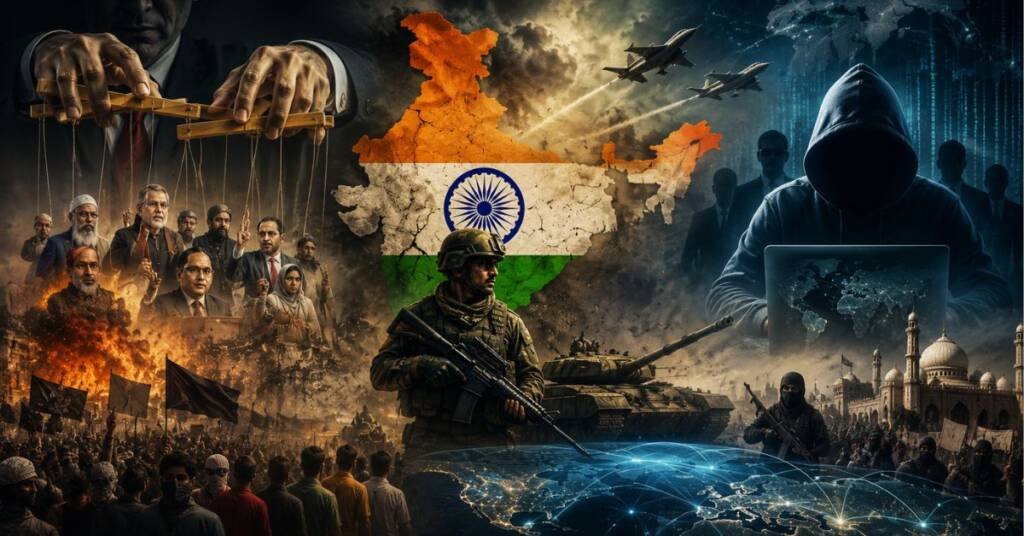
- A Continuous National Pattern: This crisis is not confined to a single criminal act or a specific geography. Across the country, highly coordinated incidents reflecting a distinct ideological framework surface every few weeks.
- The Asymmetric Conflict Cycle: Structured operations, demographic manipulation, illegal land encroachments, and radical terror plots are continuously exposed by intelligence agencies. Extremist elements within specific groups actively foster social tension and communal friction to fracture the domestic fabric of the nation.
- The Anti-National Ecosystem: These severe national security vulnerabilities are systematically downplayed, normalized, or ignored by an entrenched internal ecosystem composed of radical left intellectuals, biased media houses, and power-hungry political factions. For decades, this ecosystem has traded national safety for political longevity by offering legal and narrative cover to extremist entities.
6. The Global and Domestic Plot to Restrain India’s Growth
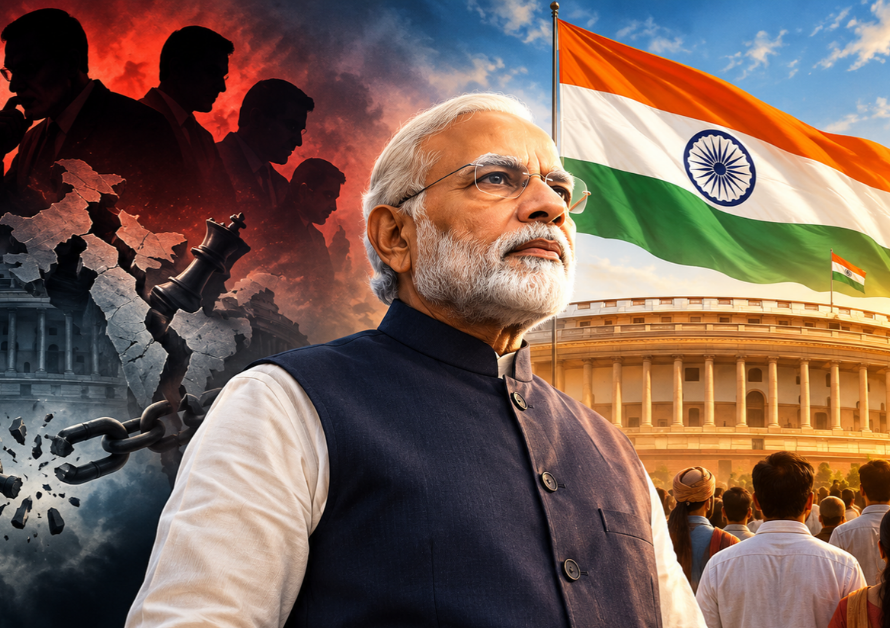
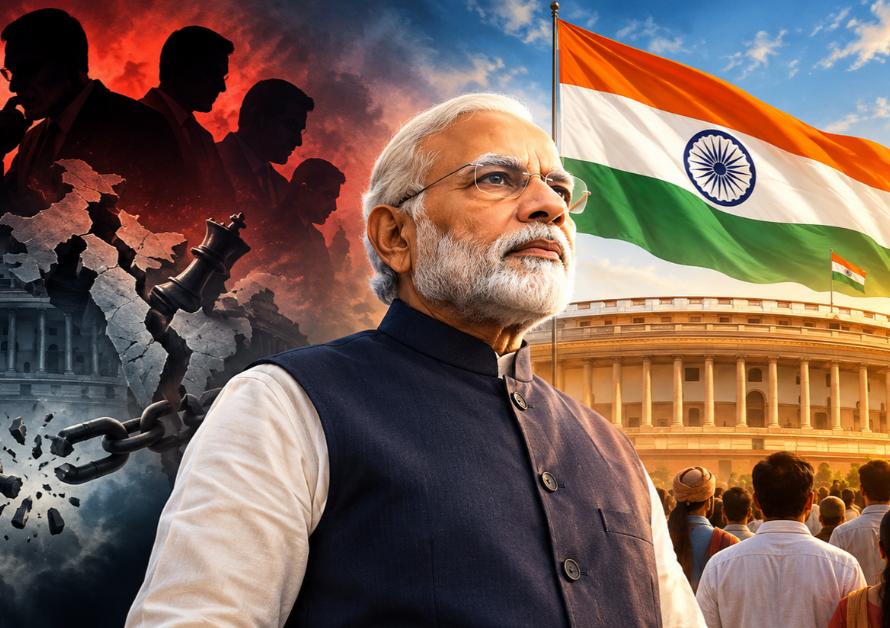
- Derailing the Indian Rise: Over the last 12 years, India has achieved unprecedented economic, technological, military, and strategic breakthroughs. Rising to the position of the world’s 5th largest economy, India’s aggressive path toward absolute self-reliance has disrupted the traditional global balance of power.
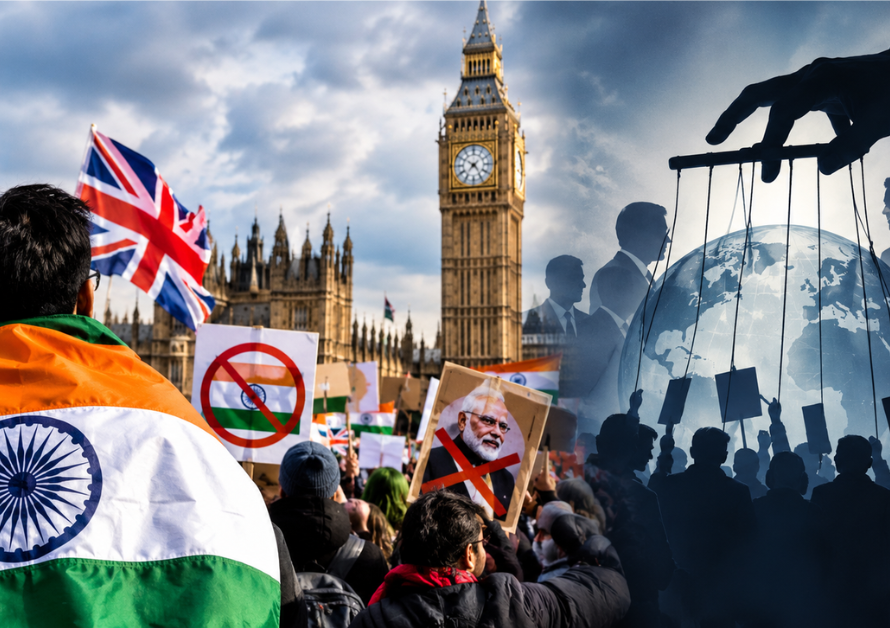
- The External-Internal Nexus: India’s rapid ascent is viewed with deep hostility by adversarial foreign powers, international think-tanks, and anti-India syndicates. Realizing they cannot defeat a strong India on the global stage, they have deployed strategy focused on triggering internal chaos.
- The Sabotage Agenda: The primary objective of the political opposition’s alliance is to provide covert support to anti-national elements, illegal infiltrators, and radical groups. By instigating internal riots, artificial protests, and caste-based animosity, they aim to destabilize the central government, freeze foreign investment, and derail the nation’s economic momentum.
Unconditional Nationalism as the Only Path Forward
- The Imperative of Security: If India is to survive as a prosperous, secure, and successful civilization, there is no room for compromise. History shows that nations that tolerate internal radicalism in the name of political appeasement are eventually erased from the map.
- Sovereignty Over Politics: For the preservation of civilizational identity and internal stability, it is imperative that citizens rise above narrow sectarian divides and unconditionally back nationalist policies that strengthen the state’s security apparatus.
- The Final Awakening: The time has come to dismantle the networks of political deception. National security, border defense, and cultural sovereignty must always remain paramount—political parties, election manifestos, and opportunistic slogans come second.
🇮🇳 Jai Bharat, Vandematram 🇮🇳
Read our previous blogs 👉 Click here
Join us on Arattai 👉 Click here
👉Join Our Channels👈
Reads & Views: 153