Summary
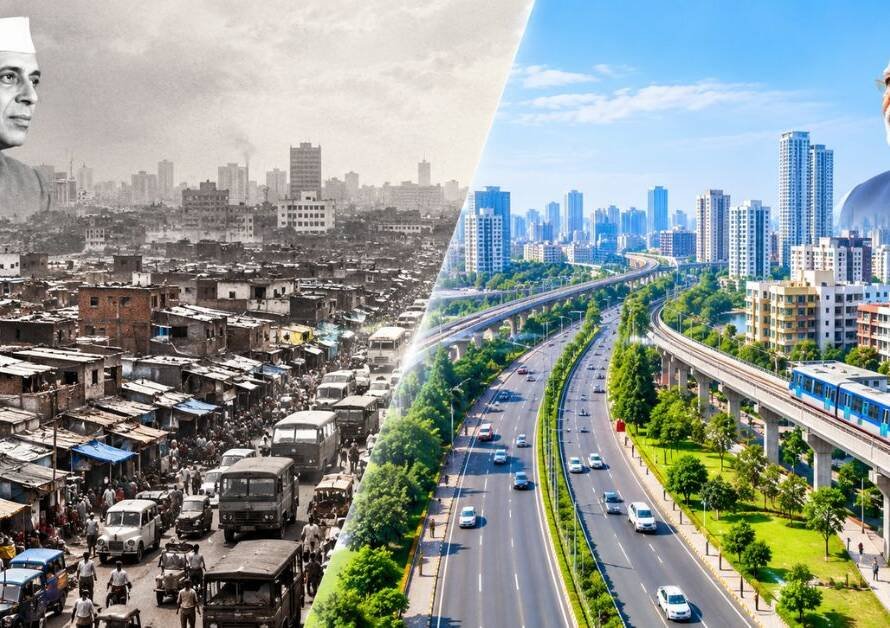
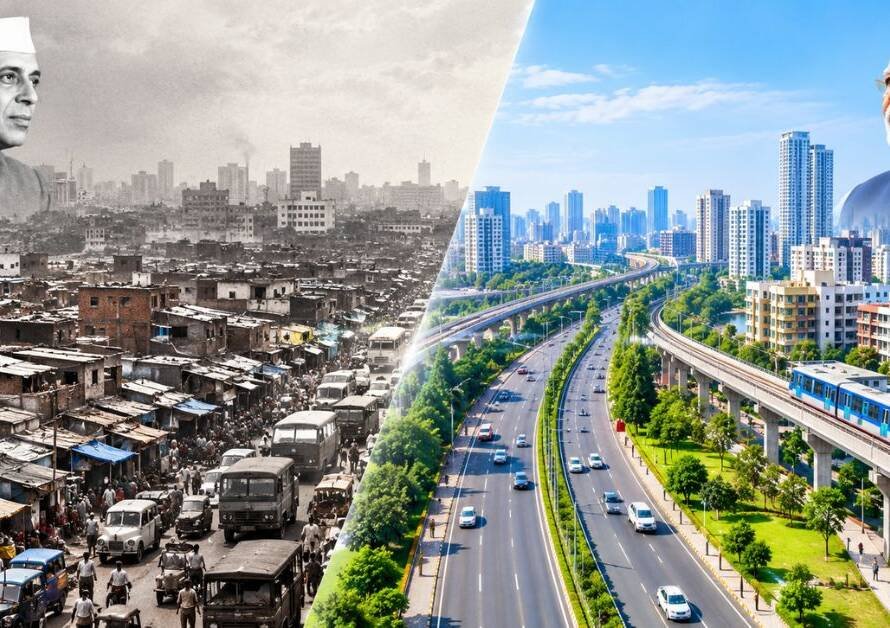
- The state assembly elections of May 2026 mark an epochal shift in India’s political, cultural, and administrative landscape. By dismantling decades-old regional monopolies in West Bengal and Tamil Nadu, the electorate has signaled a structural transition.
- This shift moves away from patronage-based, identity-driven governance toward rule-based digital systems, direct benefits, and aspirational leadership.
- In West Bengal, the平Bharatiya Janata Party (BJP) secured a decisive victory with 207 seats, ending fifteen years of All India Trinamool Congress (AITC) dominance. Meanwhile, Tamil Nadu witnessed the rise of actor Vijay’s Tamilaga Vettri Kazhagam (TVK), which won 108 seats, disrupting the long-standing DMK-AIADMK duopoly.
- This analysis examines the systemic failure of entrenched regional regimes, the structural impact of digital welfare mechanisms, the role of post-ideological voters, and the strategic imperatives for national security and economic integration.
The New Architecture of Governance
1. The Anatomy of Political Disruption: Bengal and Tamil Nadu
The 2026 verdicts demonstrate that traditional regional narratives—whether centered on defensive sub-national identity or localized patronage networks—are yielding to demands for institutional accountability and administrative modernization.
- The Bengal Realignment: The BJP’s ascent to 207 seats represents a major reordering of the state’s political landscape. Decades of institutionalized state rent-seeking, persistent leakages in local distribution, and systemic political violence eroded the credibility of the AITC’s grassroots apparatus. The consolidation of both rural and urban voters toward an administrative alternative shows a growing preference for structural development over tactical welfare politics.
- The Tamil Nadu Breakthrough: For over half a century, Tamil Nadu’s political discourse was defined by the binary competition between Dravidian majors. The emergence of the TVK as the single largest party with 108 seats reflects a generational fatigue with legacy political organizations. By building a grassroots base focused on governance delivery rather than historical ideological battles, the TVK mobilized an aspirational youth demographic seeking a post-ideological alternative.
- The Rejection of Legacy Left-Liberal Formations: The complete marginalization of the Left-Congress combine in West Bengal (retaining only three seats combined) highlights a broader structural reality. Ideological positions decoupled from visible infrastructure development and economic opportunities no longer resonate with an increasingly practical electorate.
2. Digital Welfare Ecosystems vs. Patronage Networks
A key driver of this political shift is the transition from human-mediated patronage to automated, rule-based digital administration.
- Disintermediation of the State: Legacy regional regimes historically relied on local party intermediaries to distribute welfare benefits, extract political rents, and enforce local loyalty. The expansion of central digital infrastructure—built on direct-benefit transfers (DBT), unified verified identity databases, and real-time electronic auditing—has bypassed these traditional middlemen.
- De-risking the Citizen: When welfare delivery is automated, access to state support no longer depends on local political affiliation or compliance. This institutional shift has quietly empowered vulnerable demographics, allowing them to exercise their franchise independent of local enforcement or coercion.
- The Failure of Tactical Populism: The election outcomes demonstrate that short-term state-level cash transfers often fail to counter systemic economic stagnation. When regional governments prioritize recurring doles over structural capital expenditure, industrial development slows and youth unemployment rises. Voters increasingly recognize that long-term economic security requires durable infrastructure, industrial investment, and formal job creation rather than localized patronage.
3. Geopolitical Stability and Institutional Security Challenges
The political transition in critical border and maritime states carries significant implications for internal security, regional stability, and national sovereignty.
- Border Management and Demographic Stabilization: As a vital frontier state, West Bengal’s administrative stability directly impacts national security along the eastern border. Decades of local complicity in undocumented migration, cross-border cattle smuggling, and illicit networks have complicated border management. A governance model aligned with national security priorities can accelerate comprehensive border fencing, enforce strict demographic verification, and neutralize transnational criminal syndicates.
- Neutralizing Political Violence as an Administrative Tool: For decades, parts of India’s regional politics have been shaped by localized intimidation and post-poll violence. The post-election clashes in locations like Madhyamgram emphasize the urgent need to decouple local law enforcement from partisan interests. Transitioning to rule-based digital monitoring can help dismantle partisan control over local police forces and restore institutional law and order.
- Maritime Governance and Strategic Alignment: Tamil Nadu’s lengthy coastline is central to India’s maritime security strategy in the Indian Ocean Region and its neighborhood policy with Sri Lanka. A state leadership focused on economic integration can improve coordination with central defense and coast guard agencies, secure critical maritime infrastructure, and counter external strategic entry into regional waters.
4. The Economic Blueprint: From Freebies to Capital Expenditure
The new political mandates reflect a clear economic demand: the transition from high-subsidy, consumer-focused state budgets toward investment-driven, long-term capital expenditure.
- Reigniting Industrialization in the East: West Bengal’s economic landscape has long been impacted by historical de-industrialization, union-driven disruption, and capital flight. Restoring economic growth requires structural reforms, including automated single-window clearances, transparent land acquisition frameworks, and dedicated industrial corridors designed to attract domestic manufacturing and global supply chains.
- Expanding Southern Manufacturing Leadership: Tamil Nadu remains a crucial hub for advanced automotive manufacturing, electronics assembly, and global SaaS development. Maintaining this competitive advantage requires upgrading urban infrastructure, expanding specialized renewable energy grids, and investing in high-tech research clusters to move up the global value chain.
- Fiscal Responsibility and Debt Rationalization: Offloading un-targeted subsidies can free up state fiscal capacity to invest in high-multiplier public assets. Building deep-water ports, dedicated freight expressways, and high-speed digital connectivity can generate sustainable state revenue and foster long-term private sector job creation.
5. Rise of the Post-Ideological Aspirational Electorate
The changing demographic profile of the Indian voter is reshaping traditional political calculus and institutional communication strategies.
The Youth Voter Demographic: Over half of the active electorate is unattached to the historical grievances, language debates, or identity struggles of the 20th century. This demographic prioritizes digital connectivity, transparent employment opportunities, ease of doing business, and global standard infrastructure over legacy political narratives.
The Female Voter as an Independent Economic Actor: While legacy analysts often treat women as a uniform voting bloc responsive to targeted household subsidies, the 2026 data indicates a more complex shift. As women achieve greater financial autonomy through digital banking and micro-enterprise, they increasingly vote for structural public safety, educational quality, and formal employment options.
The Demand for Professionalized Leadership: The modern voter expects political executives to function more like accountable administrators and less like traditional ideological leaders. Political survival increasingly depends on quantifiable project execution, measurable development metrics, and transparent public communication.
Strategic Roadmap for National Integration and Social Governance
To consolidate these mandates into sustainable development models, the newly formed administrations can focus on key strategic areas:
- Implementing Institutional Transparency: Transitioning all state procurement, land registries, and municipal services to verified digital architectures can systematically reduce corruption and enhance business confidence.
- Modernizing Internal Security and Police Systems: Standardizing police operations, deploying advanced civic monitoring technology, and separating law enforcement duties from political control can foster safer investment environments.
- Fostering Collaborative Federalism: Aligning state development projects with national infrastructure frameworks—such as dedicated freight corridors, port-led development initiatives, and regional semiconductor clusters—can accelerate economic growth and enhance national competitiveness.
🇮🇳Jai Bharat, Vandematram 🇮🇳
Read our previous blogs 👉 Click here
Join us on Arattai 👉 Click here
👉Join Our Channels👈