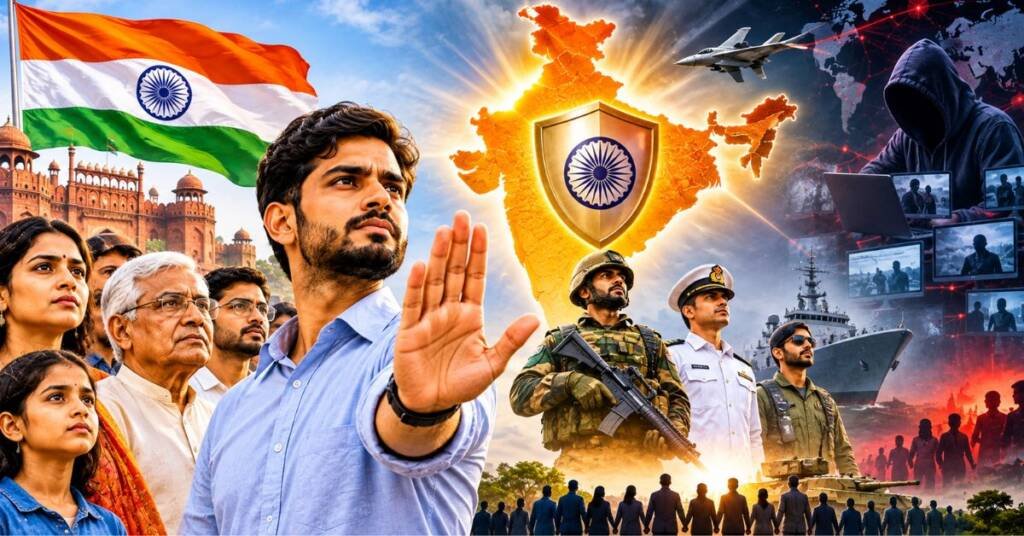
Summary:
- This detailed analytical essay examines the internal and external security challenges, ideological conflicts, and the operational methodology of the anti-national ecosystem currently facing modern India.
- The document analyzes how certain political and ideological forces seek to disrupt the country’s progress through appeasement, fragmentation, and a mindset of historical revenge.
- Through historical examples—such as Partition, the Emergency, and the anti-Sikh riots—this article cautions readers about the necessity of vigilance and an ‘India-first’ mindset during the current era of national leadership and cultural renaissance.
- Ultimately, this text provides a clear roadmap for rising above caste divisions, uniting under the identity of Sanatana and Indianness, countering digital disinformation, and building a strong and secure India.
Citizen Vigilance and India’s National Security
1. The Present Historical Challenge Facing Nation and Culture
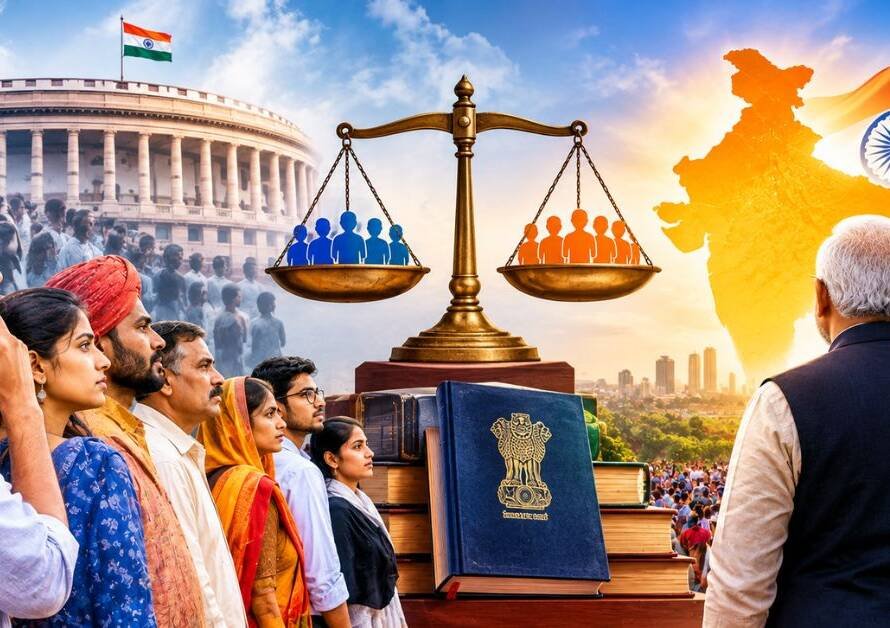
Today, India stands at one of the most decisive and sensitive turning points in its history. On one hand, the nation is emerging as a powerful superpower through nationalism, cultural renaissance, economic self-reliance, and global prominence; on the other hand, an extremely organized, multi-layered, and ideologically toxic “anti-national and anti-Sanatana ecosystem” is actively working against it.
- Nature of Proxy Warfare: This is not merely an electoral competition between ordinary political parties; rather, it is a calculated proxy war waged against India’s social fabric, national security, and cultural existence.
- Conspiracy to Disrupt Progress: To weaken the nation’s sovereignty, this ecosystem continuously crafts narratives that undermine both internal security and economic momentum. It includes every element that feels uneasy about India’s progress.
- Assault on Internal Stability: Alongside cross-border enemies, certain ideological and political elements hidden within the country strive to ensure India never becomes a stable, confident, and globally leading nation.
2. The True Face of the Destructive Network and Threats of Regime Change
This ecosystem comprises radicals, separatists, proponents of appeasement, supporters of Naxalite ideology, and lobbies dependent on foreign powers.
- Forces Desperate for Return to Power: Various organizations and vocal opponents tied to this ecosystem are constantly heard issuing threats like, “Let the BJP go, then we will teach such a lesson that Hindus will never be able to rise again.” These statements are clear proof of their deep frustration and vengeful mindset.
- Historical Patterns and History of Repression: History bears witness that whenever people from this ideological background held power, the country paid a heavy price. Their political forebears partitioned India, resulting in the massacre of millions of Hindus, imposed an Emergency to strip citizens of fundamental rights, and orchestrated the brutal massacre of thousands of Sikhs. That exact same mindset is restless to regain power today.
- The Analogy of Muhammad Ghori: Just as Muhammad Ghori exploited mutual division and the disunity of local rulers to conquer India, today’s destructive elements are similarly weaving a plot to destabilize India once again and completely eradicate Sanatana culture.
3. New Weapons of Social Fragmentation: The Politics of Caste and Identity
To crush national and cultural consciousness, the largest and most dangerous weapon of this ecosystem is “social fragmentation.”
- Spreading Caste Poison: Whenever the country attempts to unite culturally, this ecosystem immediately fans caste, linguistic, and regional disparities. Its primary objective is to divide society along caste lines and prevent the formation of a strong, unified nationalist entity.
- Attempt to Cut Off Cultural Roots: Sanatana culture, festivals, traditions, and historical symbols are continuously targeted so that the younger generation becomes severed from its glorious heritage and filled with an inferiority complex.
- Preservation of Institutional Bias: Preserving unequal laws like the Waqf Board and historically imposed partisan provisions is part of this strategy, designed to make the majority society feel like second-class citizens in their own land.
4. Ongoing Conflict on Judicial, Administrative, and Ideological Fronts
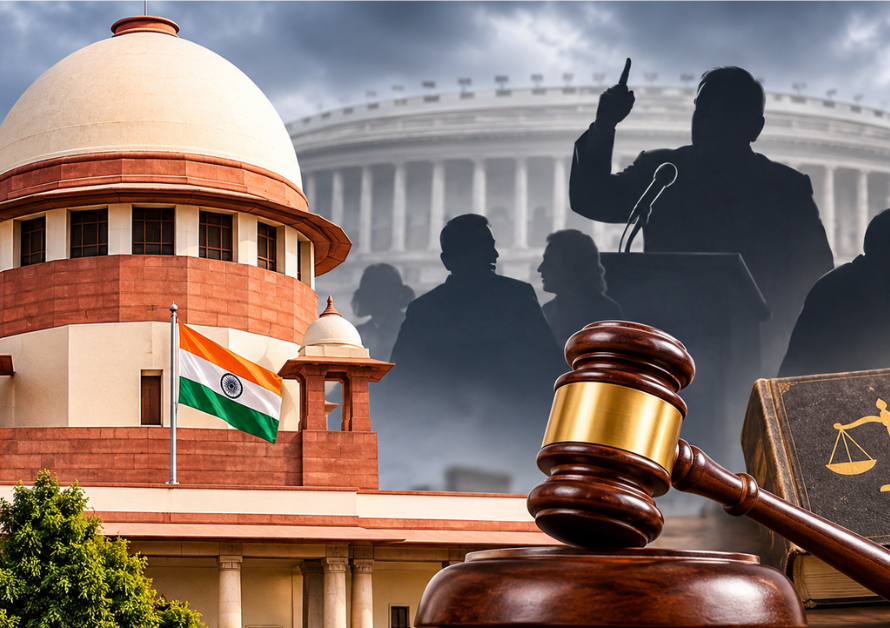
Despite nation-first decisions at the implementation and policy levels, opposing elements hidden within the system continue to create hurdles.
- Institutional Inertia and Opposition: Certain old-minded elements sitting within the judiciary and administrative machinery still protect forces that obstruct the country’s development.
- Information Warfare: Fake news and negative agendas against India are systematically propagated through global platforms, select media houses, and social media algorithms to tarnish the country’s image internationally.
- Support for Appeasement: Ignoring the rights of the majority society while continuing to give undue priority to a specific section of society under vote-bank politics persists through this legacy system.
5. The Perspective of 2026: The Role of Citizens and the Importance of Vigilance
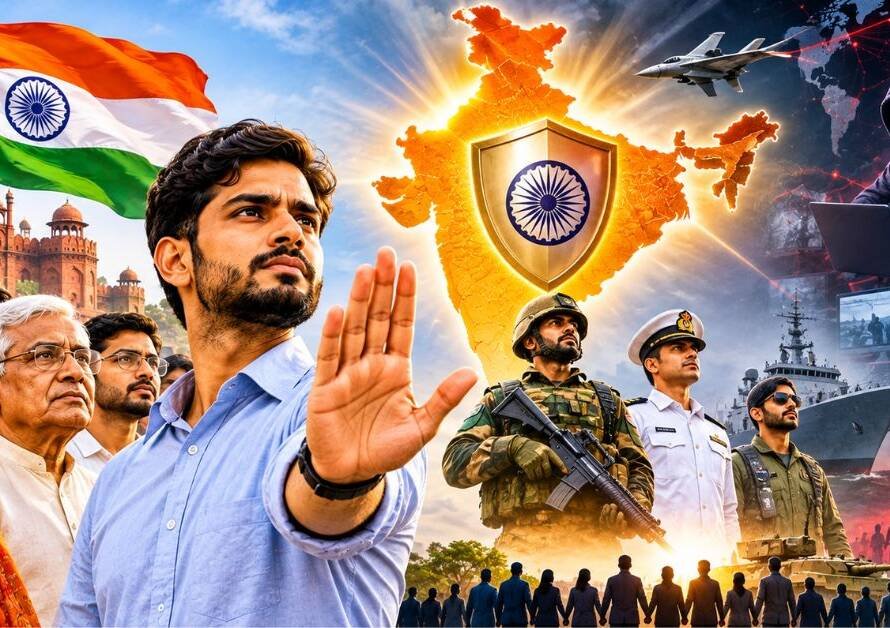
This is the India of 2026, where unprecedented work has been done on the fronts of security and sovereignty, yet activities of enemies on the internal front have also intensified. In such a scenario, citizen awareness is the greatest shield.
- Vigilance is Security: Recognizing the deep agendas hidden behind every disinformation campaign, fake narrative, and anti-national discourse is the responsibility of every citizen.
- Ideological Counter to Deception: It is essential to strongly counter anti-national statements and disinformation on social media and public platforms with facts so the general public is not misled.
Guarantee of Future Security: Our political and ideological awareness today will determine whether future generations breathe in a secure, self-reliant, and powerful India or suffer the consequences of the same old mistakes.
6. The Grand Call for Nation-First and Sanatana Unity
If India is to continue its journey as an undivided, secure, and global leader (Vishwaguru), we must dismantle our internal ideological and social walls.
- Nation Above Caste: The only option is to cast aside narrow identities and caste prejudices and bind ourselves in the thread of “Nation First” and “Sanatana Identity.”
- Prudent Use of the Power to Vote: Exercise your voting franchise with utmost caution—ensuring power remains in hands that never compromise national borders, internal security, and cultural heritage.
- Respect for Labor and Service: Build a self-reliant nation while respecting every skilled individual, worker, and entrepreneur who contributes to the country’s economic and social development.
Conclusion:
- Freedom is not a permanent gift; keeping it alive and secure requires every generation to pay the constant price of vigilance.
- If we remain indifferent today and become entangled in internal divisions, future generations will pay the price of this unforgivable mistake by losing their freedom and existence.
- The defense of national security, just governance, and cultural pride is the true guarantee of a sovereign India—and this is the supreme duty of every conscious citizen.
🇮🇳Jai Bharat, Vandematram 🇮🇳
Read our previous blogs 👉 Click here
Join us on Arattai 👉 Click here
👉Join Our Channels👈