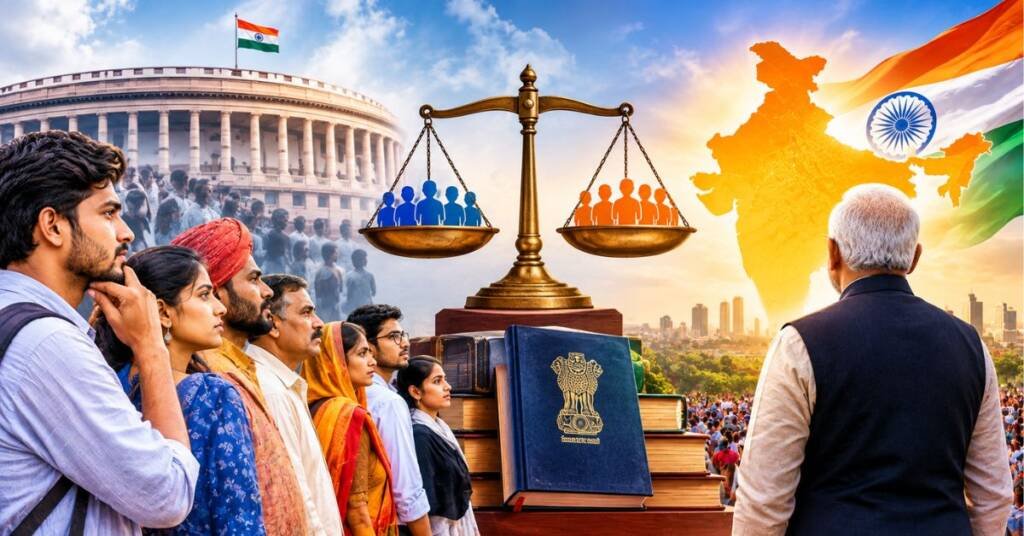
Summary
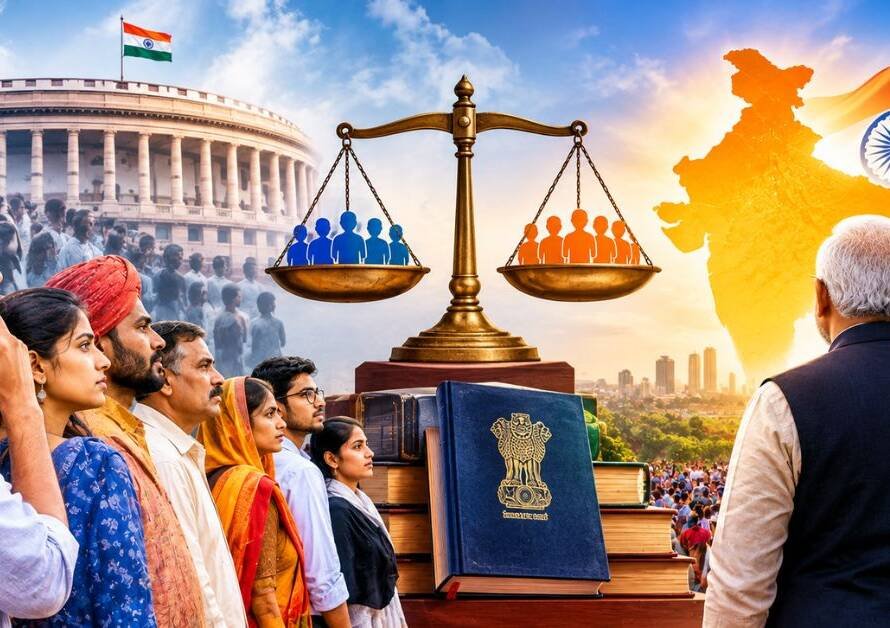
- Political Constraints on Social Reforms: Amending or removing reservation policies in India represents a major political liability. Any attempt to alter affirmative action risks immediate electoral defeat for nationalist parties, opening the door for radical policy shifts by opposition blocs.
- Consequences of Opposition Power: A political transition under opposition coalitions could lead to the expansion of quotas into the private sector, the introduction of religion-based reservations, and aggressive wealth redistribution models affecting private property.
- External Influence and Subversion: Foreign interest groups and hostile deep-state actors actively exploit internal caste fault lines to engineer domestic instability, fragment the majority demographic, and weaken India’s geopolitical rise.
- Civilizational Realism: Protecting long-term national security, cultural continuity, and economic growth requires pragmatic social cohesion over ideological rigidity regarding reservation frameworks.
Caste Dynamics and India’s Political Future
1. The Pragmatic Political Constraints of Reservation Policies
- Electoral Viability as a Reality: Affirmative action is deeply embedded in India’s socio-political fabric. Any political movement seeking to modify or abolish quotas faces an insurmountable electoral disadvantage across key states.
- The Arithmetic of Governance: Maintaining social equilibrium through existing constitutional frameworks is essential for sustaining a stable nationalist government. Without political power, broader civilizational and security goals cannot be pursued.
- Preventing Electoral Self-Sabotage: Demands from the general category to dismantle reservations ignore the mathematical realities of Indian elections. Alienating backward classes guarantees the return of coalition politics centered on appeasement and division.
- Strategic Patience Over Ideological Purity: Navigating complex social policies requires long-term pragmatic statecraft rather than emotional reactions that undermine political stability.
2. The Opposition Agenda: Radical Expansion and Economic Risks
- Private Sector Quotas: Opposition leaders have repeatedly signaled intent to extend reservation mandates to private corporations, potentially impacting economic competitiveness, merit-based hiring, and foreign direct investment.
- Religion-Based Reservations: Political alliances led by the Congress party have historically pushed for sub-quotas benefiting minority communities, diverting resources away from constitutionally designated social groups.
- Wealth and Property Redistribution: Rhetoric surrounding national wealth surveys and land redistribution poses a direct challenge to individual property rights, targeting middle-class savings and inherited land assets.
- Fiscal Reallocation: Under identity-centric governance models, state developmental funds are frequently diverted toward targeted welfare schemes designed to secure specific vote banks rather than building long-term infrastructure.
3. External Influence, Deep-State Manipulation, and Social Subversion
- Exploitation of Internal Fault Lines: Foreign intelligence apparatuses and hostile non-governmental organizations historically target domestic social divides—such as caste and regional identities—to create internal chaos.
- Amplification of Social Protest: Anti-reservation and pro-caste agitational movements are often funded, amplified, and coordinated through foreign-backed narrative ecosystems to destabilize governance.
- The Modern Divide-and-Rule Strategy: Global powers seeking to curtail India’s economic and geopolitical ascent benefit directly when the country is consumed by internal social conflict.
- Subversion of National Unity: Creating animosity between general categories and backward communities breaks the broader cultural consensus necessary for a strong national defense and resilient statehood.
4. The Imperative of Internal Cohesion and Civilizational Security
- Unity Against Demographic Challenges: Fragmenting society along caste lines exposes all sections of the population to targeted political engineering and long-term demographic shifts.
- Protecting Institutional Stability: Maintaining a stable political framework ensures that national security, border defense, and counter-terrorism measures remain uninterrupted by domestic upheaval.
- Focus on Economic Growth: Internal harmony allows the state to focus on high-growth economic policies, industrialization, and infrastructure expansion that ultimately benefit all social strata.
- Collective Survival: Recognizing the broader existential challenges facing the nation requires setting aside narrow grievances in favor of structural solidarity and national strength.
5. Conclusion: Strategic Realism for National Preservation
- Recognizing the Trap: Protests and agitations that pit one community against another play directly into the hands of political forces seeking to weaken national institutions.
- Preserving Political Ground: Safeguarding national sovereignty requires supporting a governance structure that balances social welfare with firm national security and economic progress.
- A Vision for the Future: India’s civilizational resilience depends on social harmony, economic strength, and an unwavering focus on national security above political fragmentation.
🇮🇳Jai Bharat, Vandematram 🇮🇳
Read our previous blogs 👉 Click here
Join us on Arattai 👉 Click here
👉Join Our Channels👈
Reads & Views: 120