Summary
- Recent developments on the international diplomatic front—highlighted by high-level US outreach to major Indian refining hubs—underscore a massive shift in global energy equations.
- As Western nations seek to stabilize oil markets while navigating complex sanctions and supply realignments, India’s unmatched capacity as a refining superpower has placed it at the center of global trade calculations.
- This comprehensive analysis synthesizes the geopolitical realities surrounding heavy crude processing (such as Venezuelan and Russian grades), external attempts to influence domestic policy, and the underlying truth: India’s technical scale, economic resilience, and strategic autonomy now give it unprecedented leverage to shape the multi-polar world order on its own terms.
Global Energy Politics and India’s Strategic Power
1. The Global Energy Conundrum and India’s Refining Monopoly
The 21st-century global economy operates on secure, affordable energy, yet shifting geopolitical fault lines have narrowed down global refining options:
India Narrative
- The World’s Search for Complex Refining: Processing heavy, high-sulfur crude grades—such as those from Venezuela or complex Russian blends—requires billions of dollars in specialized, high-pressure infrastructure. Most Western refineries lack this capability or face prohibitive operational constraints.
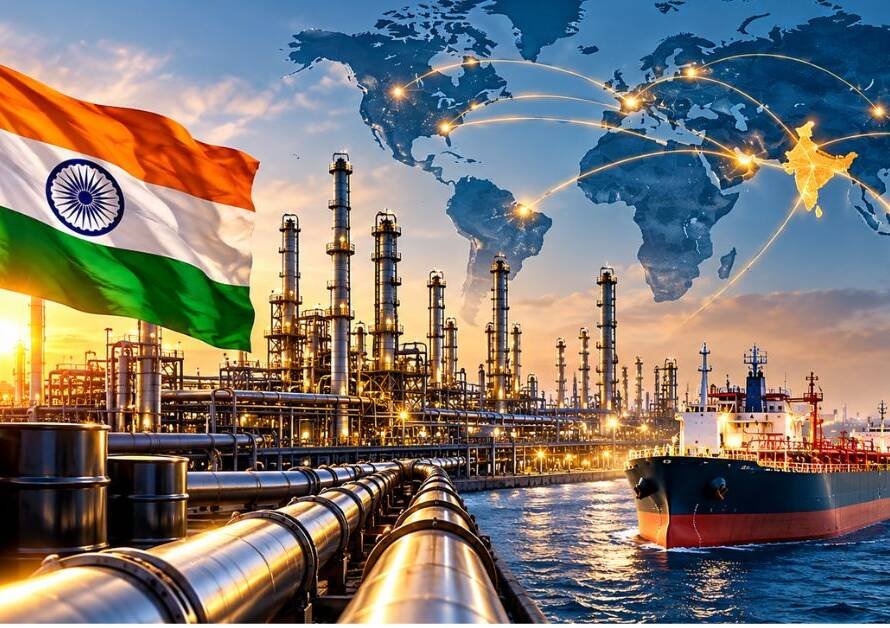
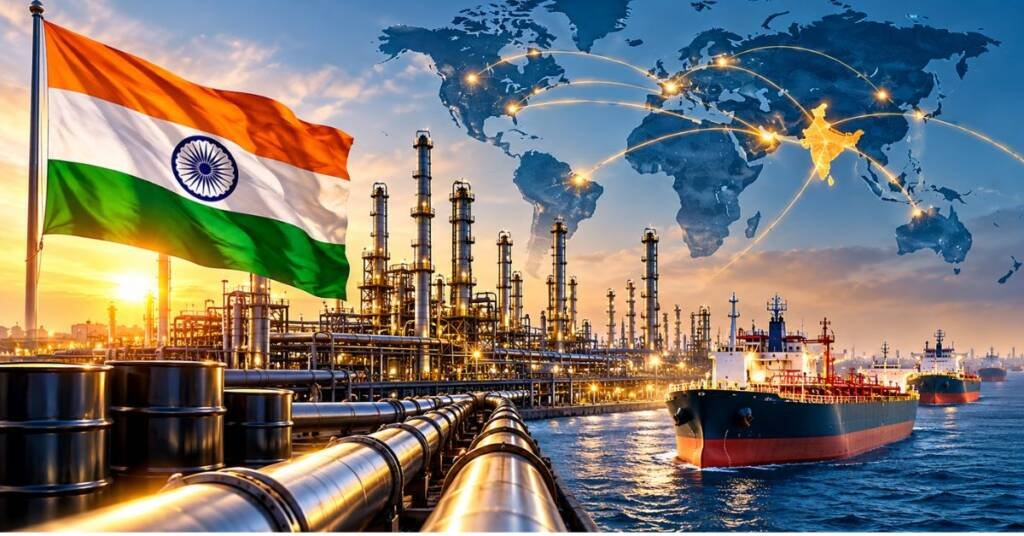
- India’s Unmatched Capability: World-class facilities along India’s western coast (such as Jamnagar, Vadinar, and Mundra) represent the world’s most advanced refining complexes. They are uniquely engineered to process viscous, heavy crude at scale, transforming low-grade raw oil into high-value fuels for global distribution.
- Geopolitical Necessity Over Ideology: Global superpowers cannot stabilize international energy markets without Indian refining capacity. This industrial reality forces external powers to engage directly with India, proving that technical infrastructure creates diplomatic leverage.
2. Sponsored Protests, Regime-Change Narratives, and Media Manipulation
As India’s strategic autonomy grows, external interest groups and internal political ecosystems have repeatedly attempted to challenge national stability:
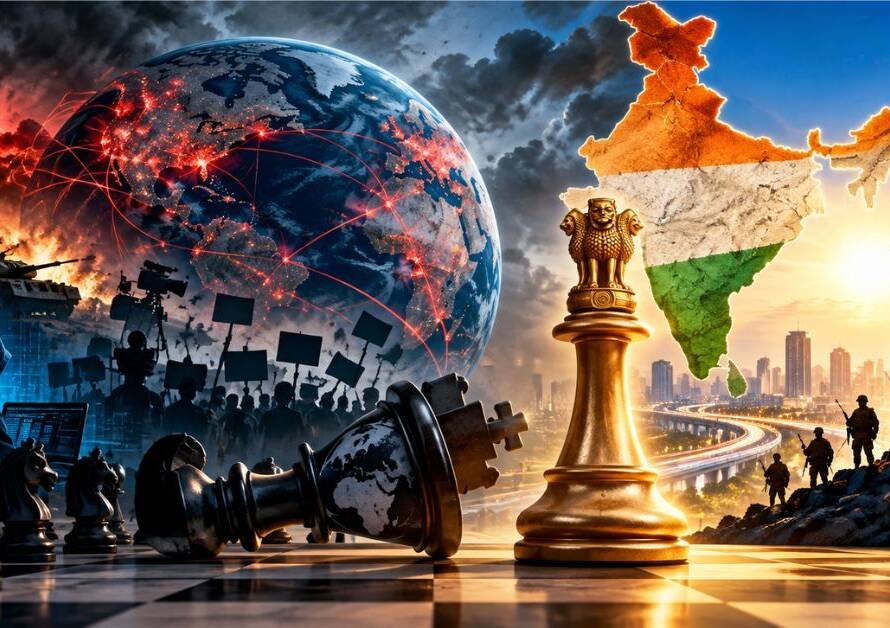
- The Hybrid Warfare Model: When global actors realize they cannot pressure a strong government through diplomatic channels alone, they often resort to indirect tactics—funding narratives, amplifying social media outrage, and encouraging political coalitions to push for regime change.
- Amplified Digital Disinformation: Algorithms, paid digital PR networks, and foreign-backed platforms are frequently deployed to suppress patriotic viewpoints while inflating artificial protests to create an impression of domestic chaos.
- Resilience of the Citizenry: Despite coordinated efforts by opposition coalitions, leftist networks, and foreign influencers to engineer unrest, the Indian electorate has consistently rejected artificial narratives. The public recognizes strong, visionary leadership and prioritizes stability, growth, and national security above political gimmicks.
3. Tariff Pressures, Sanction Dynamics, and Strategic Bargaining
Economic tools like tariffs and sanction waivers are regularly used by global powers as leverage, but India’s economic scale has turned the tables:
- Crude Sourcing Flexibility: Western attempts to dictate where India buys its oil have consistently failed. Whether sourcing discounted Russian barrels or evaluating Venezuelan crude options, India makes decisions based strictly on national interest, freight logistics, and economic viability.
India Narrative
- Fading Sanction Realities: Recognizing India’s indispensable role in preventing global energy price spikes, Western powers have had to grant implicit green lights, roll back tariff threats, and seek long-term trade deals rather than attempt enforcement.
- The Ultimate Bargaining Chip: By controlling crucial refining bottlenecks and maintaining open trade channels across both Eastern and Western blocs, India holds global energy supply chains by the collar, transforming potential vulnerabilities into strategic strength.
4. The Deepening Coalition of Internal and External Opponents
India’s surge toward self-reliance (Atmanirbharta) has disrupted decades-old illicit networks and geopolitical arrangements:
- Western & Regional Competitors: Old-world superpowers and regional adversaries (like China and Pakistan) prefer an indecisive, weak government in New Delhi—one that can be pressured on border issues, trade agreements, and defense procurement.
- Dismantled Syndicates: The rapid growth of India’s domestic defense production (Make in India) has inflicted billions in losses on the global arms mafia. Concurrently, strict enforcement against illegal foreign funding has crippled anti-national NGOs, radical networks, and partisan ecosystems.
- Opposition Desperation: Political factions that previously profited from corruption, policy paralysis, and foreign patronage now find themselves politically bankrupt as the nation advances through modern infrastructure, digital governance, and economic growth.
5. Historical Achievements and the Road Ahead
The past decade has established the foundation for a sovereign, self-reliant India through decisive governance:
- Strategic & Cultural Sovereignty: Abrogation of Article 370, cultural revival through major heritage corridors, and a zero-tolerance policy against cross-border terrorism.
- Economic & Industrial Supremacy: Rising to the top ranks of global economies, achieving 100% railway electrification, expanding modern highways, and establishing world-class scientific, educational, and medical institutions.
- Assertive Foreign Policy: Standing firm during border standoffs, refusing external interference in internal affairs, and emerging as the undisputed voice of the Global South.
Conclusion: Securing National Sovereignty for Future Generations
- The intersection of energy refining hegemony, economic expansion, and political stability marks a golden era in India’s modern history.
- The lesson of recent geopolitics is clear: when a nation builds real industrial power and its society remains vigilant against foreign-sponsored narratives, no global syndicate can dictate its destiny.
- To ensure a safe, prosperous, and sovereign future for generations to come, the citizens of India must remain united, back national self-reliance, and reject all attempts to undermine the nation’s momentum.
- India is no longer a bystander in global geopolitics—it is shaping the world order.
🇮🇳Jai Bharat, Vandematram 🇮🇳
Read our previous blogs 👉 Click here
Join us on Arattai 👉 Click here
👉Join Our Channels👈