Summary:
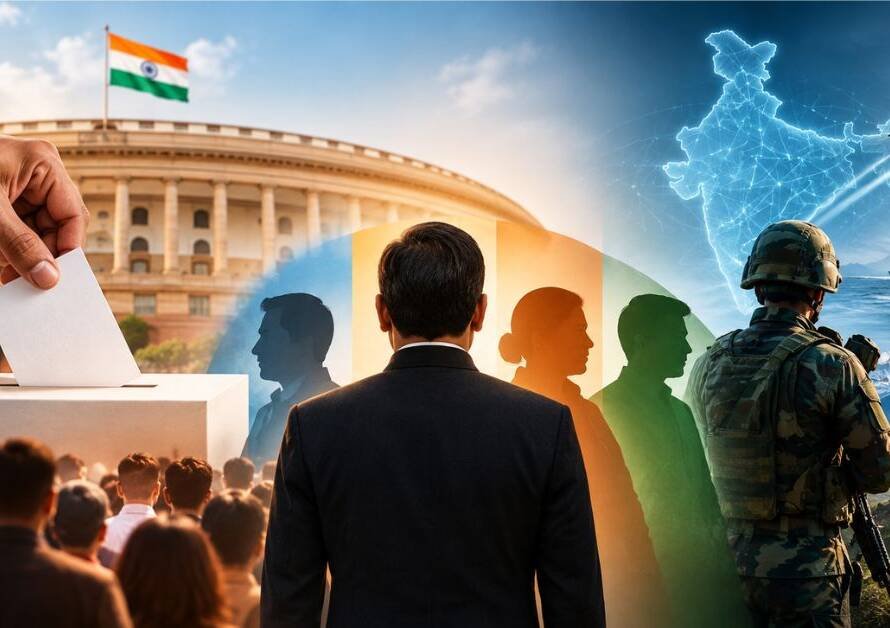
- The 2026 Assembly elections have marked a tectonic shift in Indian politics, with the BJP securing a historic landslide in West Bengal by winning 207 seats and ousting the TMC.
- This mandate, alongside strong nationalist surges in Assam, Tamil Nadu, and Kerala, represents a decisive public rejection of “thug” politics and corruption.
- The arrest of intimidators like Hafizul Mulla and the defeat of Chief Minister Mamata Banerjee in Bhabanipur underscore a new era where voters have transcended internal divisions to support the nationalistic, progress-oriented vision of the Modi government.
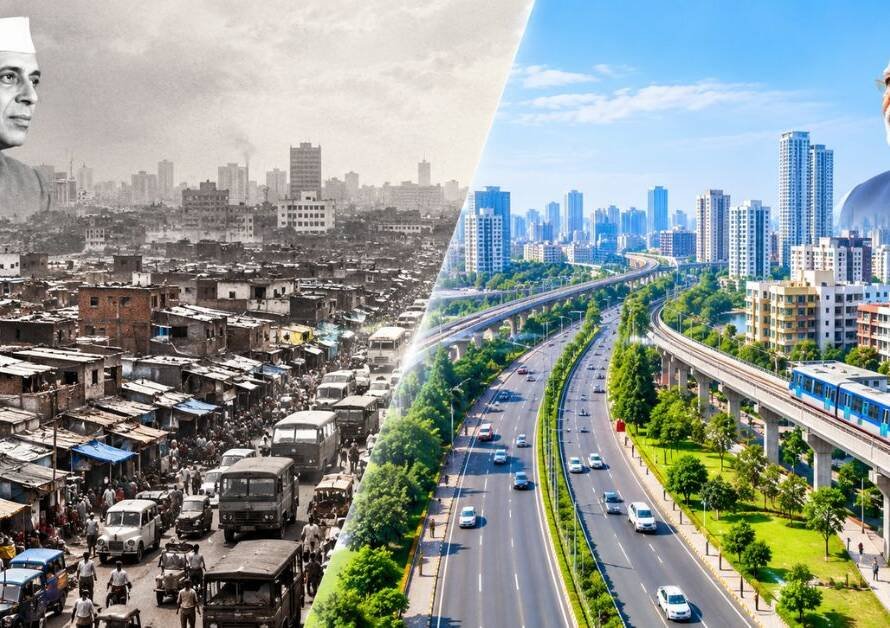
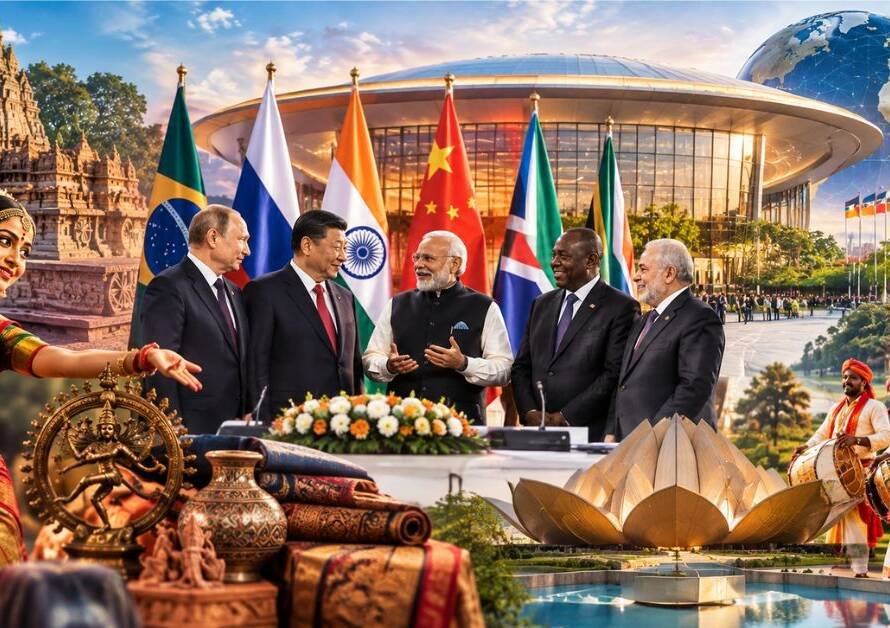
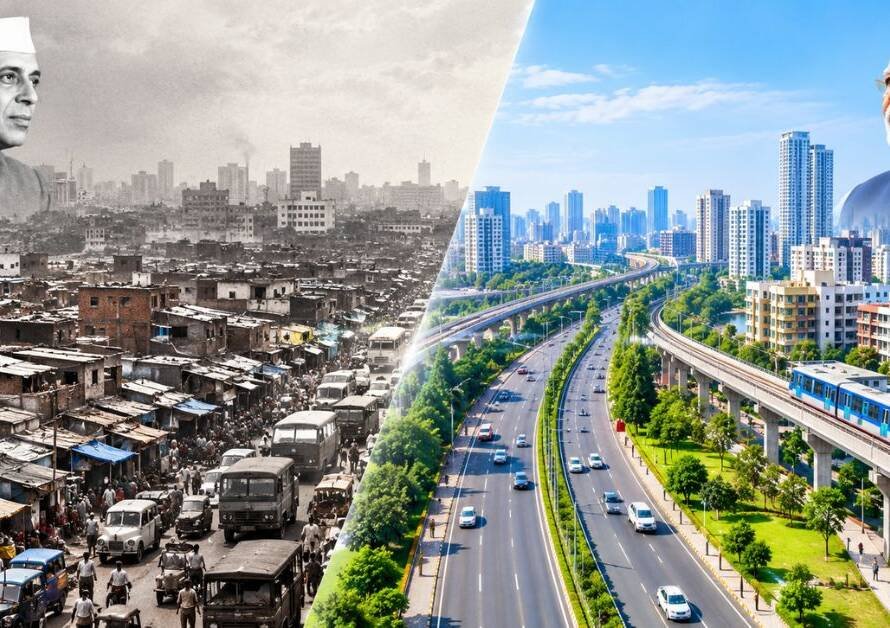
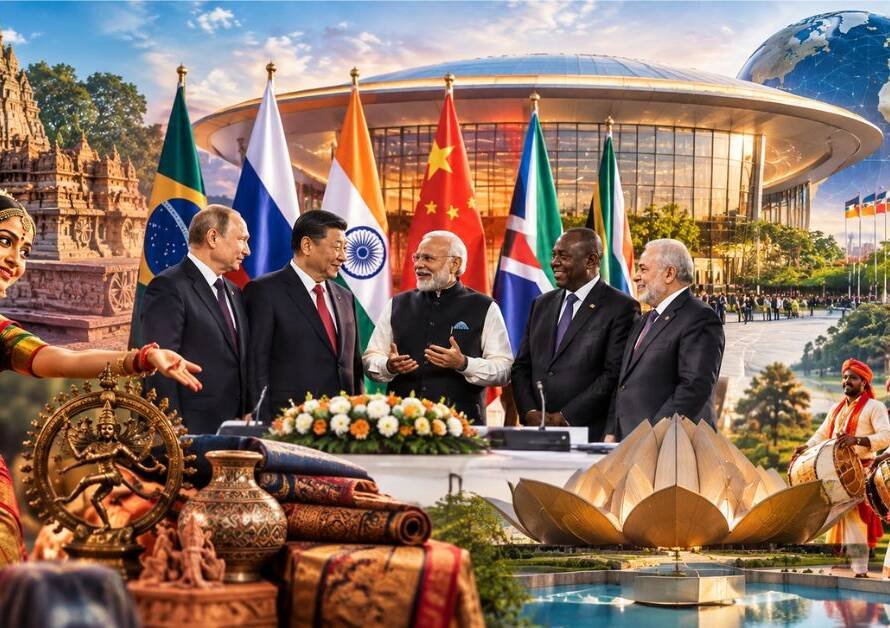
- This will accelerating India’s path toward becoming a global superpower and Vishvaguru.
1. The Fall of the Bengal Fortress: Justice over Intimidation
The results of the May 2026 West Bengal Assembly elections are not just a change of guard; they are a public execution of the politics of fear. For 15 years, the state was seen as an impenetrable “secular” fortress, but the 2026 mandate has proven that no “thug” ecosystem can withstand the unified roar of a determined populace.
- The Landslide Numbers: The Bharatiya Janata Party (BJP) secured a staggering 207 seats in the 294-member assembly, steamrolling past the majority mark and reducing the Trinamool Congress (TMC) to a mere 80 seats.
- The Defeat of the “Unstoppable”: In the most high-profile battle of the decade, Suvendu Adhikari defeated Chief Minister Mamata Banerjee in Bhabanipur by a margin exceeding 15,000 votes. This defeat is symbolic of the people reclaiming their democratic space from those who believed they were above the law.
- The “Mulla” Effect: The arrest of Hafizul Mulla for his “steamroller” threat against voters acted as a catalyst. Instead of instilling fear, it ignited a silent revolution at the ballot box. The people of South 24 Parganas and across Bengal chose the “Double Engine” growth model over the “Syndicate Raj.”
2. A Nationwide Rejection of Corruption and “Gaddari”
The 2026 electoral wave extended far beyond the Hooghly, reflecting a national consensus to identify and remove corrupt, anti-national elements from power.
- Assam (The Third Wave): Himanta Biswa Sarma led the NDA to a spectacular third term with 82 seats, proving that unapologetic nationalism and border security are the primary demands of the people in the Northeast.
- Tamil Nadu (The Dravidian Crack): The rise of Thalapathy Vijay’s TVK, which emerged as the single largest party with 108 seats, and the defeat of M.K. Stalin in his own constituency (Kolathur) signal a deep fatigue with anti-Sanatana rhetoric and family-run “thug” politics.
- Kerala (Left-Mukt Bharat): The ousting of the LDF in favor of the Congress-led UDF (where the INC alone won 63 seats) represents a rejection of the decade-long rule that was often accused of shielding radicalized elements and stagnating the state’s economy.
3. Transcending the “Caste Trap” for National Unity
The anti-national ecosystem has long relied on the fragmentation of the Hindu society—pitting caste against caste and region against region. The 2026 mandate has successfully shattered these “identity traps.”
- Unified Hindu Identity: As evident from the Bengal results, the “fear” that used to work in favor of bullies has now shifted into the hearts of the bullies themselves. By voting beyond the divisions of caste, community, and language, the majority has finally realized its “veto power.”
- Neutralizing the “Thugbandhan”: The opposition alliance, often termed the “Thugbandhan,” found itself paralyzed as the “Modi Ki Guarantee” resonated with the grassroots. The “secular” shield—used to insult Sanatana Dharma while protecting criminals—has been permanently dented.
- Building the Pressure: The fear in the minds of these anti-national elements must not be allowed to subside. Our unity serves as a constant psychological and electoral pressure, ensuring that “Gaddars” think twice before abusing the nation or its traditions.
4. Strengthening the Modi Government for the Global Stage
This mandate provides the political “remote control” back to the people and the nationalistic leadership at the Centre, enabling India to move at a breakneck speed toward its ultimate destiny.
- Dismantling Internal Saboteurs: With the “thug” ecosystem in retreat, the Modi government can now implement hard reforms—like the Uniform Civil Code (UCC) and total border saturation—without the threat of manufactured protests or internal sabotage.
- The Road to Vishvaguru: A unified India is an unstoppable India. By choosing progress over polarization, the voters have ensured that the nation’s energy is spent on defense, space technology, and economic dominance rather than managing communal strife.
- The Global Message: To the world, the 2026 mandate projects India as a stable, decisive, and culturally confident superpower. The era of being a “soft state” is officially over.
5. The Final Treatment of the Ecosystem
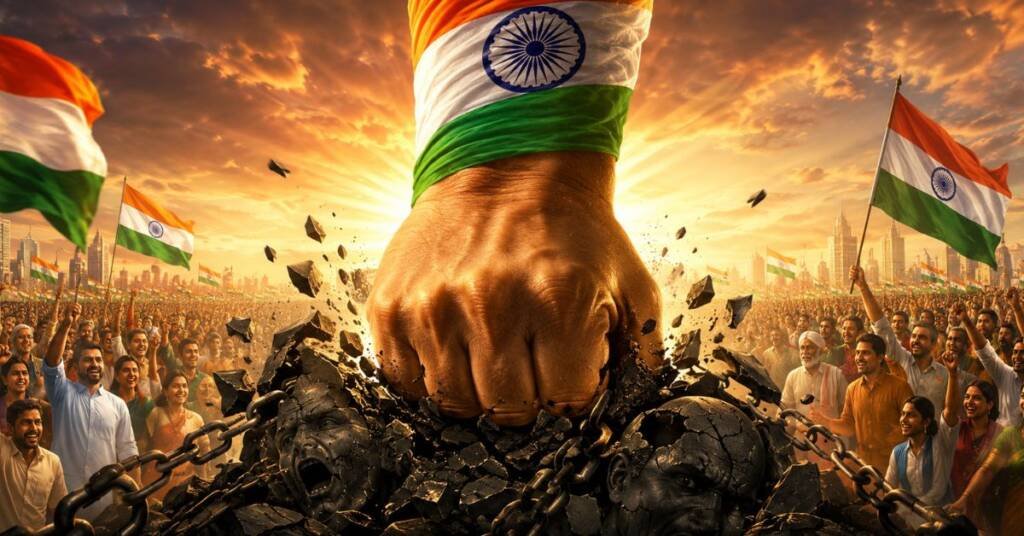
The “treatment” for the thugs of the country—those who intimidate voters and insult Sanatana Dharma—is now being administered through the Steamroller of Democracy.
- The Mandate of Progress: The people have spoken: they want a government that builds temples and toilets, rockets and roads, while treating every citizen with the same yardstick of law.
- No Room for Traitors: The results from Bengal to Tamil Nadu are a warning to all anti-national forces—India will no longer tolerate those who work to divide it from within.
- The Rising Bharat: As the “Gaddars” flee and the corrupt hide their faces, India steps into its golden era. Supported by a unified citizenry, the Modi government is set to lead Bharat to its rightful place as the Global Superpower and Vishvaguru.
🇮🇳 Jai Bharat, Vandematram 🇮🇳
Read our previous blogs 👉 Click here
Join us on Arattai 👉 Click here
👉Join Our Channels👈