Summary
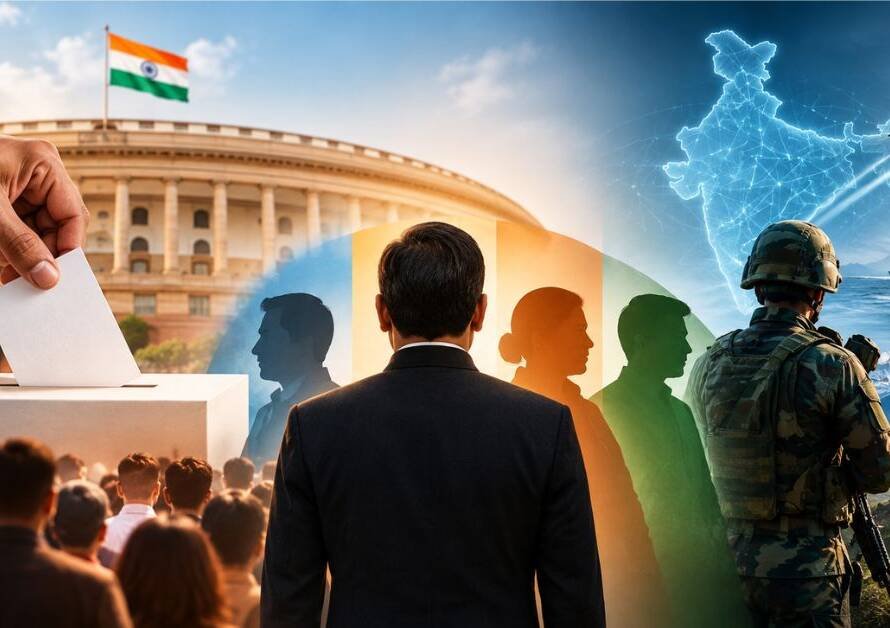
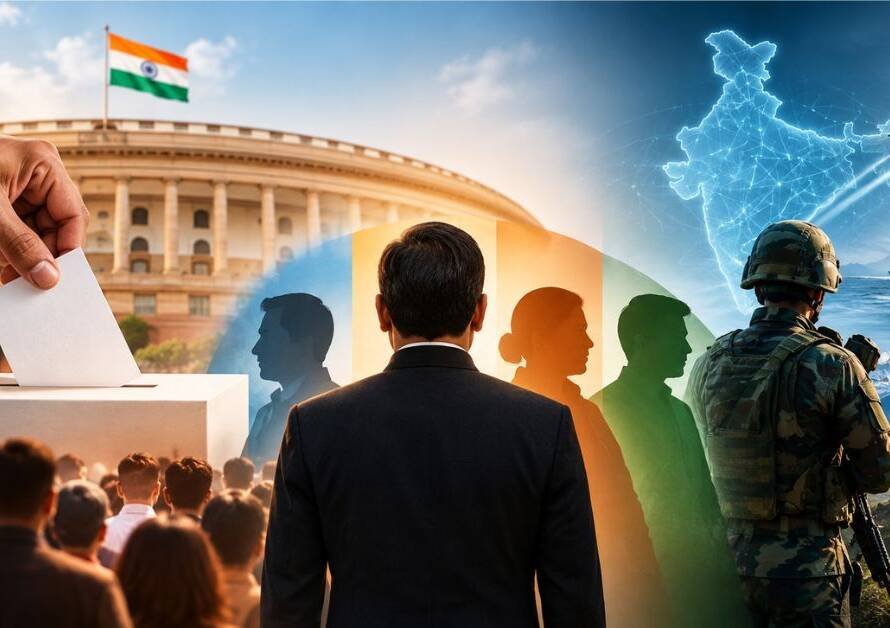
- This comprehensive and in-depth analysis presents an objective and sharp evaluation of the intersections among freedom of expression, constitutional boundaries, and celebrity activism in the contemporary digital landscape.
- Using various public controversies from recent years as a primary case study, this article advocates for an essential balance between the right to dissent granted under Article 19(1)(a) of the Indian Constitution and the imperative to protect national security, public order, and the social fabric under Article 19(2) from unchecked rhetoric and manufactured narratives.
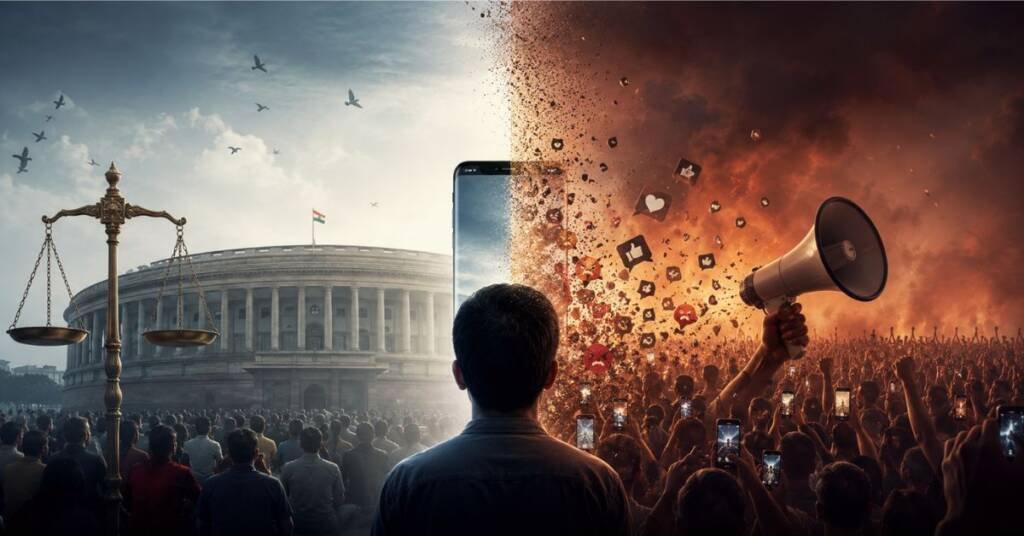
- Freedom of expression is highly valuable and welcome when it is creative, dedicated to societal welfare, and aimed at uncovering administrative loopholes. However, when prominent public figures or social media influencers leverage their reach to launch sweeping and severe institutional accusations without concrete, judicially verifiable evidence, it poses a critical risk of devolving healthy democratic discourse into an unstructured, reactionary “mobocracy.”
- This piece analyzes the legal, social, and strategic dimensions of this sensitive issue and outlines a practical roadmap for implementing accountability to safeguard national interests.
Strategic Subversion in the Digital Era
1. The Anatomy of Unchecked Rhetoric: Celebrity Activism under Scrutiny
In the modern public square, the boundary between constructive social critique and reckless political provocation has become increasingly blurred. Public figures and popular digital commentators alike frequently bypass empirical scrutiny in favor of emotional impact, utilizing their massive reach to amplify highly sensitive socio-political claims.
A. Swift Proliferation of Sensitive Narratives
Recent public remarks by actor-activist Prakash Raj, alleging a systemic, institutionalized agenda targeting Muslim, tribal, and other minority communities, have reignited this furious national debate. The viral trajectory of his statements highlights how high-stakes, sensitive accusations can deeply polarize the public long before any factual verification can occur.
B. The Problem of Broad and Unsubstantiated Accusations
Analytical commentators point out that launching severe, sweeping allegations against state constitutional institutions without concrete, judicially acceptable evidence does not strengthen democracy. Instead, it fosters deep-seated cynicism and erodes civic trust in democratic systems. When institutional bias is claimed without data or proof, it renders the discourse reactionary rather than rational.
C. A Pattern of Continuous Friction
This phenomenon is not isolated to a single statement but is part of a larger, recurring pattern. A wide array of sensitive and significant national subjects—ranging from legislative reforms to highly celebrated national space achievements like the Chandrayaan-3 mission—are routinely subjected to provocative rhetoric and ridicule. This trend raises a fundamental question: at what point does public expression stop being a democratic right and start becoming a tool for societal division?
2. The Constitutional Calibration: Constructive Liberty vs. National Interest
To prevent a democratic system from fracturing, freedom of expression must be understood as a balanced constitutional right, not an absolute license to generate chaos. The Indian Constitution carefully calibrates this right to ensure that individual liberty does not undermine the sovereignty and stability of the state itself.
A. The Idealist Stand: Speech for Societal Welfare
In its truest and purest sense, the freedom of speech under Article 19(1)(a) is the bedrock of a progressive nation. When expression is creative, intellectually honest, and oriented toward the welfare of the citizenry, it drives innovation, uncovers administrative loopholes, and protects marginalized perspectives. A healthy democracy relies on the ability of its people to peacefully voice concerns regarding policy execution, ensuring that governance remains transparent and responsive to the needs of every community, including tribals and minorities.
B. The Realist Counter: The Mandate of Article 19(2) and Protecting Sovereignty
Conversely, the constitutional framework explicitly recognizes that speech can be weaponized against national interests. For this reason, it subjects the right to “reasonable restrictions” under Article 19(2). No liberty can exist without a stable and secure state to guarantee it. Therefore, expressions that compromise the sovereignty and integrity of India, the security of the State, public order, decency, or morality cross a red line from liberty into strategic subversion.
A major vulnerability in contemporary discourse is the manufacturing of false narratives without evidence. When public figures spread fabricated or highly exaggerated claims of institutional bias, they inadvertently validate anti-social elements and undermine national interests on both domestic and global stages.
3. The Slide Into Mobocracy: How Social Media Amplifies Subversive Agendas
The current socio-political landscape faces an acute crisis where the democratization of speech has outpaced the mechanisms of accountability. This imbalance threatens to tilt democratic engagement toward an aggressive, unstructured, and chaotic “mobocracy.”
A. The Strategic Weaponization of Fake News
Algorithms on modern digital platforms are systematically engineered to prioritize outrage, anger, and sensationalism over accuracy and truth. False and emotionally volatile narratives travel faster than objective truths. Consequently, unverified claims begin to dictate the national security and political agenda.
B. Fueling Anti-Social and Anti-National Sentiment
When every individual can broadcast inflammatory statements without facing the fear of consequences or penalties for fabrication, it provides immense strategic leverage to anti-national and anti-social entities. This unchecked digital environment enables malicious actors to organize, polarize communities, and turn online rhetoric into real-world civil unrest and disruption.
C. The Rise of Mob Mentality
In an unguided mobocracy, facts lose their value; only the loudness of the narrative matters. This atmosphere silences rational, moderate, and balanced voices. As a result, structured judicial, legal, or academic debates are replaced by algorithmically driven digital vigilantism and hyper-polarized echo chambers.
4. An Urgent Roadmap for Reform: Reclaiming Accountability
Addressing this systemic slide into a narrative-driven mobocracy is an urgent priority for the nation. If democratic institutions are to be protected, the state and society must co-create a framework where speech is tethered to reality and responsibility.
A. Enforcing Legal and Empirical Accountability
There must be swift, non-partisan, and strict legal consequences for individuals who use public platforms to spread demonstrably false narratives that threaten public order or national security. The burden of proof must be strictly enforced. If a public figure levels severe structural accusations against governance systems or institutions, those claims must be backed by empirical data and verified evidence, rather than ideological rhetoric.
B. Curbing the Economy of Digital Outrage
Social media conglomerates and digital platforms must be held strictly accountable under domestic laws. If their algorithms amplify unverified, defamatory, or anti-national content, they must face stringent penalties. It is essential to have strict punitive provisions for platforms that fail to curb the systemic spread of organized fake narratives.
C. Fostering a Culture of Responsible Expression
The citizenry must actively reject the culture of short-form, superficial, and emotionally manipulative shortcuts to public debate. True democratic resilience requires a return to fact-based dialogue. Public figures must be judged not by how aggressively they provoke or agitate society, but by how constructively they contribute to national integration, social harmony, and societal welfare.
Path Forward
- Freedom of expression is undoubtedly the engine of a thriving democracy, but national integrity, security, and an unyielding commitment to truth form its steering wheel.
- If we allow this engine to run completely unguided and directionless, the system will inevitably derail into a chaotic mobocracy.
- Protecting the nation from internal polarization and strategic subversion requires an urgent, collective commitment to throwing out the culture of false narratives and replacing it with a mature, legally accountable, and fact-based public discourse.
🇮🇳Jai Bharat, Vandematram 🇮🇳
Read our previous blogs 👉 Click here
Join us on Arattai 👉 Click here
👉Join Our Channels👈