Summary:
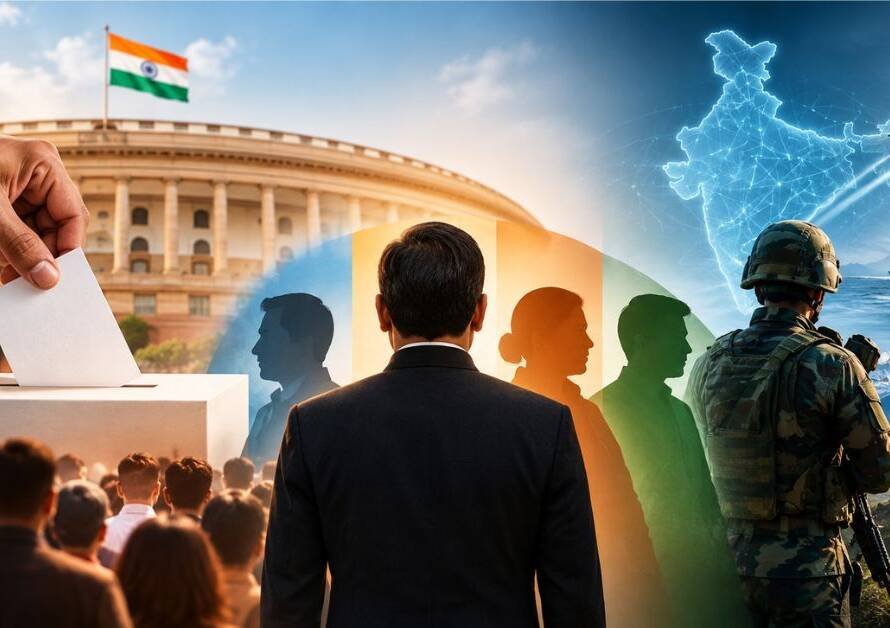
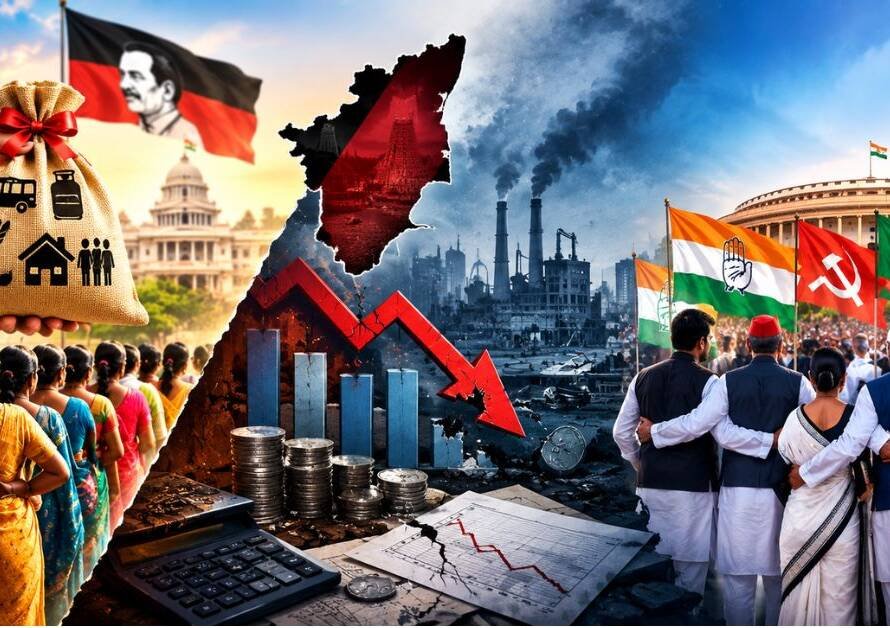
- This in-depth and detailed analysis exposes the unprecedented aggressiveness, negativity, and strategic anarchism adopted by the opposition and its ecosystem in contemporary Indian politics.
- Comparing this with historical precedents, the text highlights how the current political opposition disregards national sovereignty, global reputation, and economic development solely to capture power at any cost.
- It provides an evidence-based analysis of the planned infiltration of extremist and anarchist elements into sponsored ‘pseudo-movements’ under the guise of farmer, student, and labor protests, the shameless political evasion of responsibility, and the double standards practiced in the name of democracy.
- Finally, the text strongly advises the state and administrative setup that traditional methods are no longer effective against this new form of ‘hybrid anarchy’; instead, strict legal frameworks, financial asset recovery, and modern intelligence strategies are the urgent need of the hour.
A Detailed Analysis of India’s Aggressive Opposition, Pseudo-Movements, and Strategic Anarchism
1. The Ideological Decline of Indian Politics: From Constructive Opposition to Violent Anarchy
In Indian democratic history, the opposition always held a respected and constructive position. Stalwart opposition leaders like Dr. Ram Manohar Lohia, Atal Bihari Vajpayee, and Somnath Chatterjee always stood firmly with the nation on questions of sovereignty and border security, even while strongly opposing government policies.
- Eradication of the Core Role of Opposition: In the current scenario, this traditional role of the opposition has vanished entirely. Healthy policy critique has been replaced by personal malice toward the government and strategic efforts to paralyze the state infrastructure.
- Desperation for Power ‘By Any Means Necessary’: Principles, loyalty, and national interest have become secondary for today’s political opposition. Their sole objective is to capture power by any means and at any cost—even if it requires damaging the nation’s global image.
- Attacking India’s Image on the Global Stage: Whenever the country achieves a major milestone—be it self-reliance in defense, a digital revolution, or economic resilience amid global recessions—the opposition views it as a political setback rather than a national victory. Going to international forums and foreign media to demean India’s domestic democracy is a dangerous manifestation of this aggressiveness.
2. The ‘Hybrid Model’ of Sponsored Movements: Pseudo-Movements and Infiltration of Anarchist Elements
In recent years, India has witnessed a new form of political warfare labeled as ‘protests’, whose actual design is to create paralysis and chaos within the nation.
- Hijacking of Genuine Issues: Whether it concerned agricultural reforms, the Citizenship Amendment Act (CAA), or new education and recruitment policies—these issues were initially presented as genuine concerns of the public or affected groups. However, the core issues were quickly pushed to the background, allowing radical, left-wing, and anti-national elements to hijack the platform.
- Holding Public Assets and Daily Life Hostage: The strategy behind these sponsored protests is to freeze ordinary public life. By blocking major national highways, railway tracks, and key entry points to the capital for months, severe damage is inflicted on national economic activity.
- Strategic Violence and Provocation: Events like the violence at the Red Fort during the January 26 tractor rally or the destruction of public property during ‘Rail Roko’ agitations prove that the goal of these movements is not peaceful protest, but to provoke the state into using force so that they can subsequently play the ‘victim card’.
3. Political Shamelessness and Double Standards of Ethics
Today’s opposition ecosystem operates on a strategy where it accepts zero accountability for itself while demanding absolute perfection and restraint from the law enforcement system.
- Organizers’ Strategy of Washing Their Hands: As soon as violence breaks out in an agitation, or life-threatening attacks are launched against police personnel, or public property is set on fire, the self-proclaimed ‘faces’ of the movement immediately issue statements claiming, “These were not our people; they were anti-social elements.”
- Shifting Responsibility onto the Ruling Party: Right after washing their hands of the incident, the blame for the violence is shamelessly shifted onto the government and police administration. Claims are fabricated that the government itself sent rioters to malign the movement. This is a political conspiracy where the crime is committed by one’s own network, while simultaneously pretending to be the victim.
- One-Sided Constitutional Morality: These agitators and opposition parties routinely violate the Constitution, court orders, and the fundamental rights of ordinary citizens (such as the freedom of movement). Yet, the moment law enforcement agencies take action, they immediately raise alarms about the “death of democracy.”
4. The ‘Remove the Government’ Agenda: Farmers, Students, and Youth as Political Pawns
A closer examination of these protests reveals that their actual concern is neither the income of farmers, the future of students, nor the rights of laborers.
- Shifting Goalposts: Whenever the government sits down at the negotiating table with these protest leaders and offers to accept their practical demands, they immediately shift their goalposts or introduce impossible conditions to ensure talks fail. The reason is simple: if the problem gets resolved, their political platform collapses.
- The Industry of Discontent: Farmers, students, and unemployed youth are used merely as human shields. From behind the scenes, this discontent is fueled by foreign funding, suspicious NGOs, and political parties that have proven incapable of defeating the current government directly at the ballot box.
5. Modern Anarchy vs. Legacy Administrative Framework: What the Government Must Do
To counter this new form of ‘ideological and physical warfare’ (Fourth Generation Warfare), the legacy, slow, and traditional administrative machinery is proving entirely inadequate. The government must fundamentally overhaul its strategies:
- Strict Economic Penalties and Asset Recovery Laws: Stringent legislation must be enforced against those who destroy public or private property under the guise of protests. The financial cost of damage must be recovered down to the last penny by attaching and auctioning the assets of the organizers and rioters responsible for the violence (as demonstrated in Uttar Pradesh’s ‘Yogi Model’).
- Deployment of Digital Intelligence and Technology: To unmask the masterminds instigating violence and blocking public transit, Artificial Intelligence (AI), drones, Facial Recognition Systems (FRS), and strict tracking of digital money trails must be deployed.
- Establishment of Fast-Track Courts: Dedicated fast-track courts should be established to handle cases involving national security threats, highway blockades, and attacks on security forces, ensuring that offenders receive convictions within months rather than languishing in endless trials for years.
- Aggressive Information Warfare: To neutralize fake narratives and misinformation spread by the opposition ecosystem, the government must streamline its communication machinery to expose falsehoods before they take root.
6. Aware Citizens Are the Real Guardians of Democracy
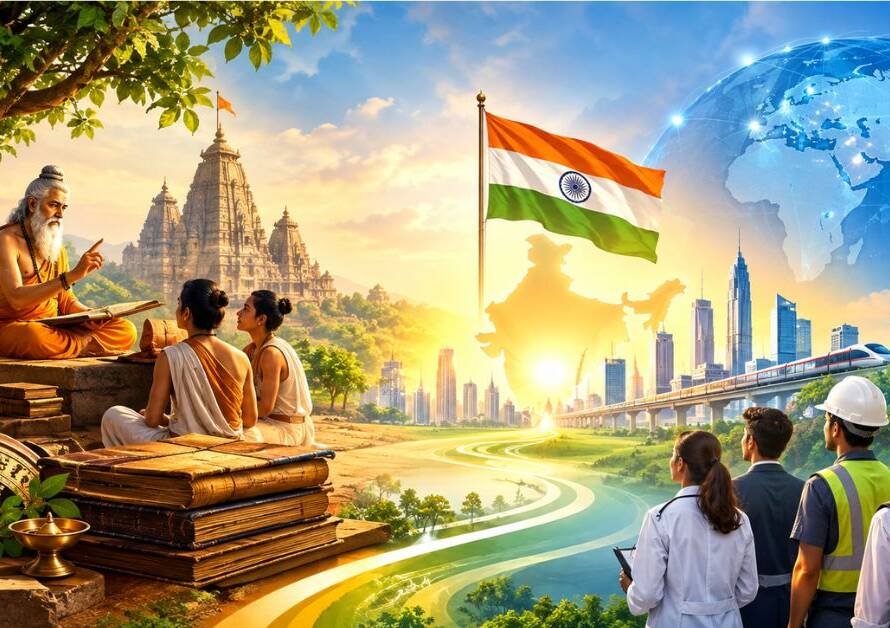
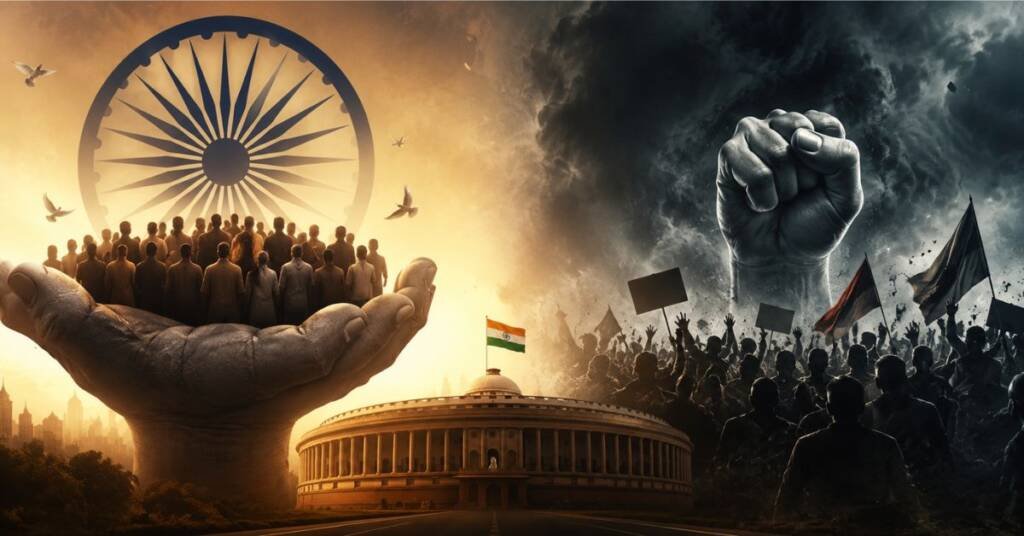
Indian democracy stands at a decisive crossroads today. On one side lies a clear policy of development, self-reliance, and empowerment; on the other lies a negative opposition willing to push the nation into instability, violence, and chaos purely out of a thirst for power.
The citizens of the nation must deeply understand that while the ‘right to protest’ is vital to a democracy, the ‘right to cause anarchy and paralyze the nation’ is written in no constitution. If India is to become a developed and secure nation, ordinary citizens must recognize this sponsored negativity and stand firmly in favor of nation-building.
🇮🇳 Jai Bharat, Vandematram 🇮🇳
Read our previous blogs 👉 Click here
Join us on Arattai 👉 Click here
👉Join Our Channels👈