Summary
- This analysis outlines the triangular security threat to India’s internal sovereignty, tribal heritage, and demographic balance—Left-Wing Extremism (LWE), illegal conversions, and illicit foreign funding, backed by historical political patronage.
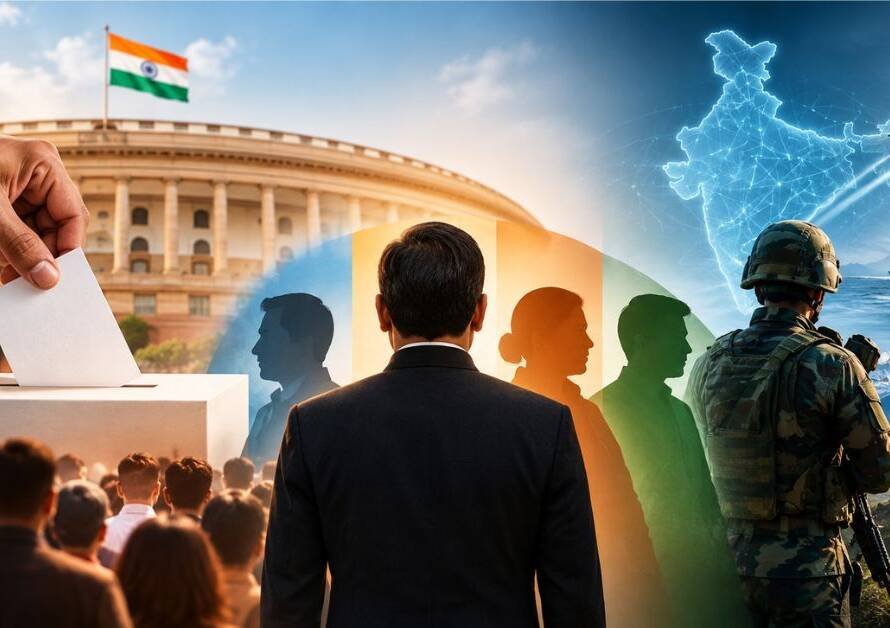
- The first section examines the collapse of the armed ‘Red Corridor’ in strongholds like Bastar and Gadchiroli due to security operations, leading Maoists to pivot toward ‘Urban Naxalism’ across universities, civil rights groups, and legal forums.
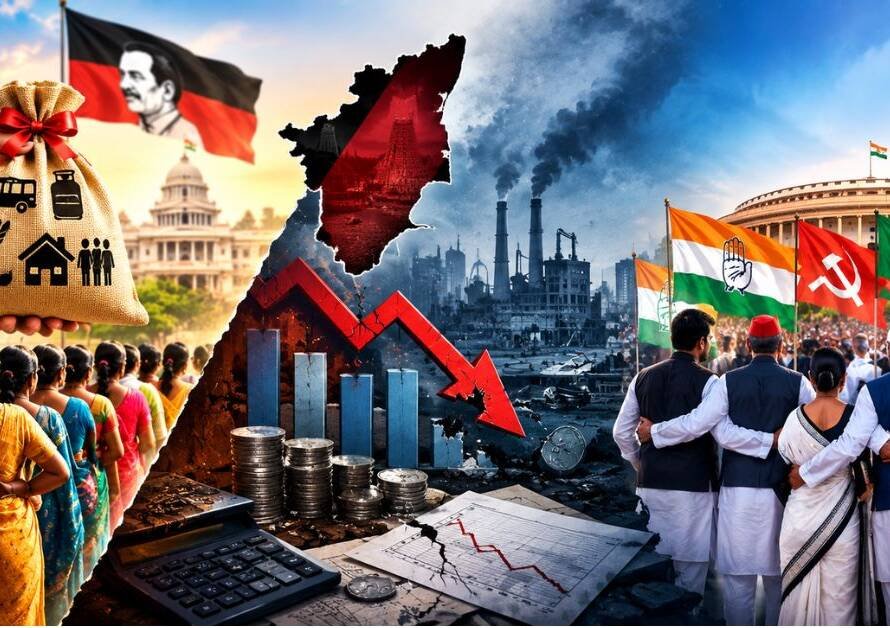
- The second section addresses political dimensions, detailing how previous Congress-led administrations and regional alliances (‘Thagbandhan’) tolerated Naxalites and missionary networks. This created engineered instability to cover up financial scams, block infrastructure, keep tribal populations impoverished, and facilitate mass conversions to satisfy overseas interests.
- The third section outlines the resulting demographic impact, showing how forced conversions and political appeasement diluted indigenous Hindu populations to secure vote banks.
- The final sections detail investigative and judicial proof—such as the June 2026 Timothy Initiative (TTI) FIR in Bengaluru, the Bhima Koregaon case, the Kandhamal Swami Laxmanananda Saraswati assassination, and the Pathalgadi dispute—demonstrating how FCRA violations and insurgent networks threaten national integrity.
Part 1: Collapse of the Red Corridor and Rise of Urban Naxalism
1. The Historical Defeat of Armed Maoism
Originating in West Bengal’s Naxalbari, Maoist insurgency sought to overthrow democratic India through armed revolution:
- Breaking the Red Corridor: Maoists envisioned a continuous corridor from Nepal to Andhra Pradesh. By 2013, terror extended across 182 districts.
- Loss of Life: The conflict claimed over 2,726 security personnel and 4,100 citizens—far exceeding losses in the 1999 Kargil War.
- Security Force Victories: Sustained operations destroyed Maoist strongholds in Gadchiroli, Dantewada, Sukma, and Bijapur, eliminating top leadership.
- Desperate Ceasefire Appeals: Pleasures for peace emerged only when insurgent networks faced complete military collapse.
2. The ‘Urban Naxal’ Network
With forest cadres depleted, strategists shifted focus toward cities under a Gramscian strategy of ‘Cultural Hegemony’:
- Ideological Shift: The network focuses on generating urban discontent to provide legal, moral, and intellectual cover for Maoist ideology.
- Academic Campus Infiltration: Radical Left student groups in premier universities polarize youth under the guise of dissent.
- Issue Cloaking: Front groups infiltrate popular movements by exploiting civic issues like pollution, labor laws, and human rights.
- Glorification of Insurgents: Outfits like ‘CASR’ and ‘BSCEM’ glorify fallen commanders like Madvi Hidma while labeling state actions as ‘atrocities.’
Part 2: Political Patronage, Corruption, and Demographic Engineering
3. Political Patronage Under Previous Regimes
The growth of the Naxal-Missionary ecosystem was enabled by patronage from past Congress-led governments and political alliances (‘Thagbandhan’):
- Engineered Instability for Corruption Cover-Ups: Conflict in resource-rich tribal belts created media distraction, allowing ruling elites to hide major financial scams and resource looting.
- Terrorizing Tribal Communities: Allowing armed insurgents relative impunity kept indigenous populations too intimidated to demand political accountability.
- Blocking Tribal Development: Critical infrastructure projects were stalled under the pretext of security, leaving tribal belts in poverty.
- Prey for Overseas-Funded Evangelists: Depriving tribal areas of state services created ideal conditions for foreign-funded missionaries to conduct mass conversions.
4. Demographic Engineering and Appeasement
This patronage served a political strategy aimed at long-term electoral control:
- Erosion of Indigenous Demographics: Systematic conversions across Chhattisgarh, Jharkhand, and Odisha reduced indigenous Hindu and tribal population shares.
- Appeasement of Extremist Elements: Diluting the Hindu demographic base allowed radical elements to gain political leverage, forming vote-bank coalitions to retain power.
Part 3: The Church-Naxal-Conversion Triangle & Judicial Proof
5. Unearthing ‘The Timothy Initiative’ (TTI)
In June 2026, the Bengaluru Police registered an FIR against US-based ‘The Timothy Initiative’ (TTI) following an Enforcement Directorate (ED) investigation:
- ₹92.55 Crore Illegal Money Trail: Over $9.99 million was brought into India illegally via nearly 1,000 foreign debit cards.
- Funding Insurgent Zones: ₹6.34 crore was funneled directly into sensitive, Naxal-affected belts in Chhattisgarh.
- Indoctrination Agenda: Funds were deployed to brainwash vulnerable populations toward Left-Wing Extremism against the state.
6. Missionary Strategy and Cultural Fragmentation
Seized manuals reveal an organized strategy targeting native cultural identity:
- Denigration of Faith: TTI manuals portray Hindu villages as controlled by “evil spirits,” maligning revered deities like Lord Shiva and Maa Kali.
- Phase-Based Conversion: Preachers receive training to challenge beliefs like karma, gain village access, and introduce Christian doctrines.
- The ‘Joshua Project’: Global databases target tribal communities as ‘Unreached Groups’ to sever them from their heritage.
7. Historical Judicial Evidence
Links between foreign networks, illicit funds, and Maoist cadres are documented in major court cases:
- Kandhamal Assassination (2008): Swami Laxmanananda Saraswati was assassinated by PLGA Maoists. In 2013, courts convicted seven local accused, including Church leader Bhaskar Sunamzhi, alongside insurgents.
- Bhima Koregaon & Stan Swamy (2020): NIA evidence established that Stan Swamy received funds from CPI (Maoist) cadres and co-founded a known Maoist front group.
- Pathalgadi Gang Rape Incident (2018): Five activists were abducted and raped in Khunti, Jharkhand, exposing coordination between Church-affiliated NGOs, Pathalgadi leaders, and PLFI insurgents.
Part 4: FCRA Enforcement and National Security
8. Foreign Funding (FCRA) Action
Tribal regions remain prime targets due to geography and historical isolation:
- Exploitation of Vulnerabilities: Foreign groups enter via educational or medical charities to disrupt local social cohesion.
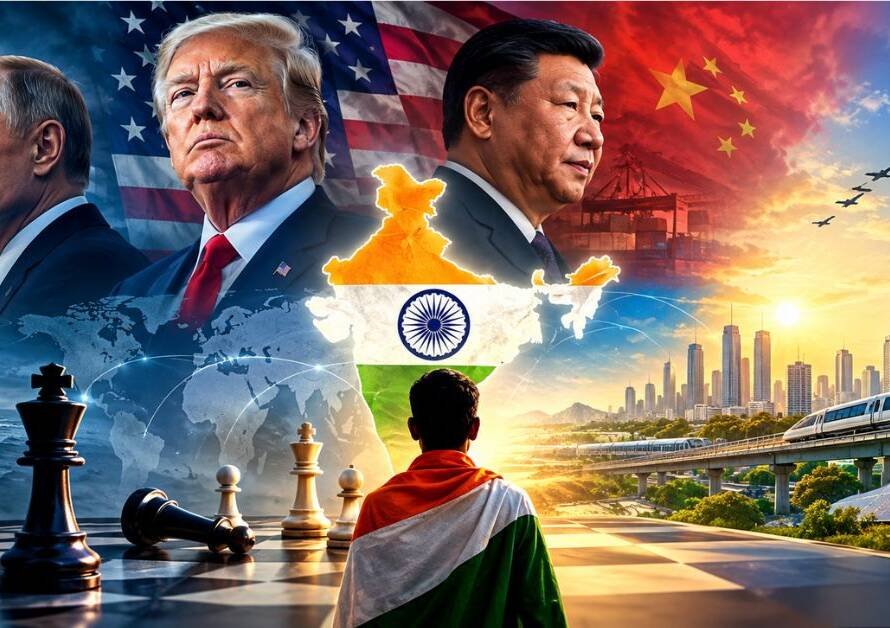
- FCRA Cancellations: Strict enforcement and cancellation of suspicious NGO licenses are essential to block anti-national funding.
India’s integrity rests on its ancient tribal heritage and cultural fabric. Neutralizing this threat requires security agencies to enforce zero tolerance against both armed insurgents in forests and their white-collar political, legal, and financial backers in urban centers.
🇮🇳 Jai Bharat, Vandematram 🇮🇳
Read our previous blogs 👉 Click here
Join us on Arattai 👉 Click here
👉Join Our Channels👈