Summary:
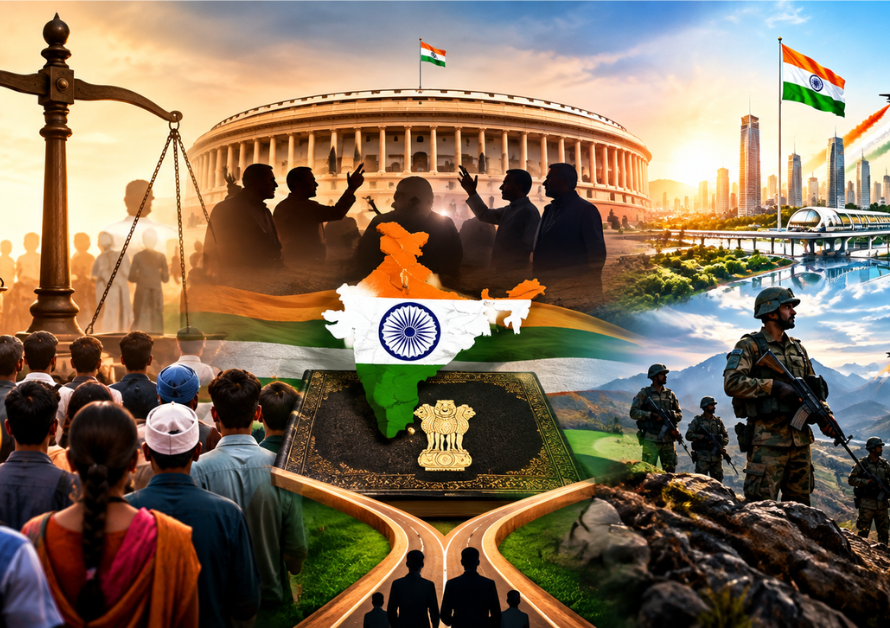
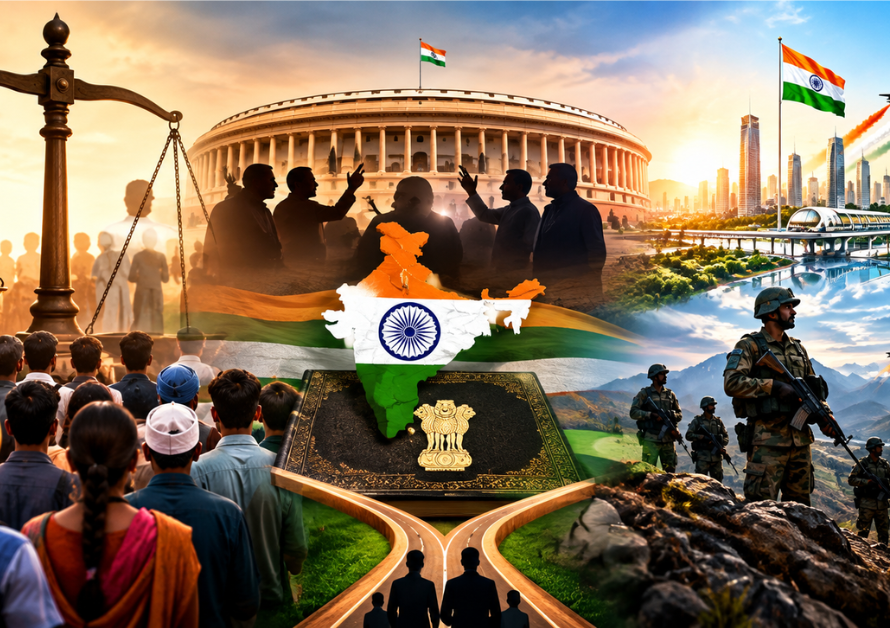
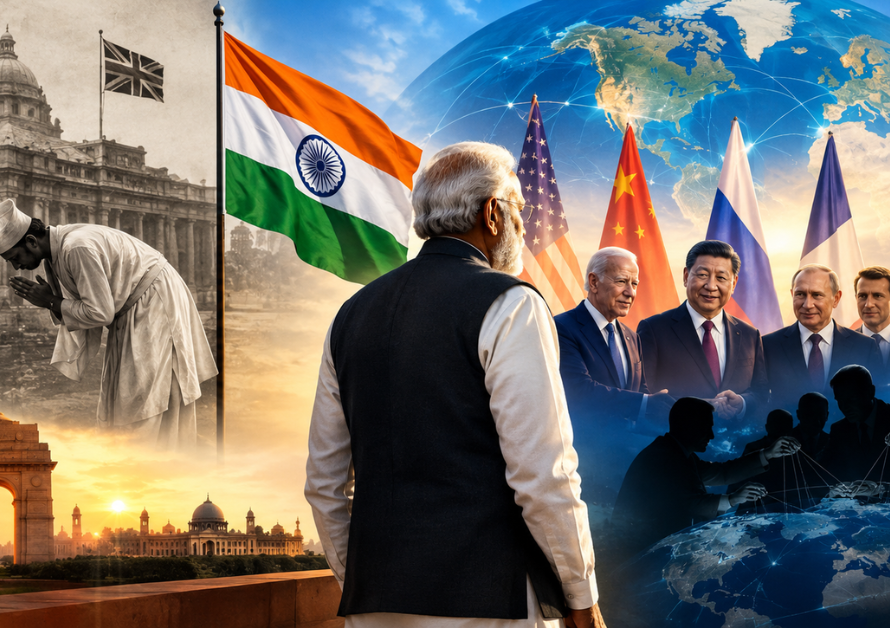
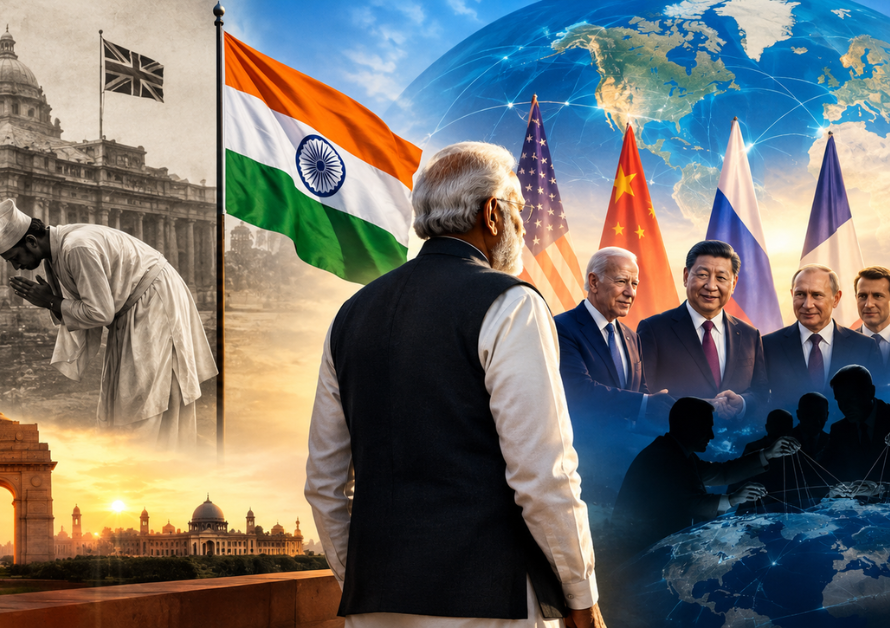
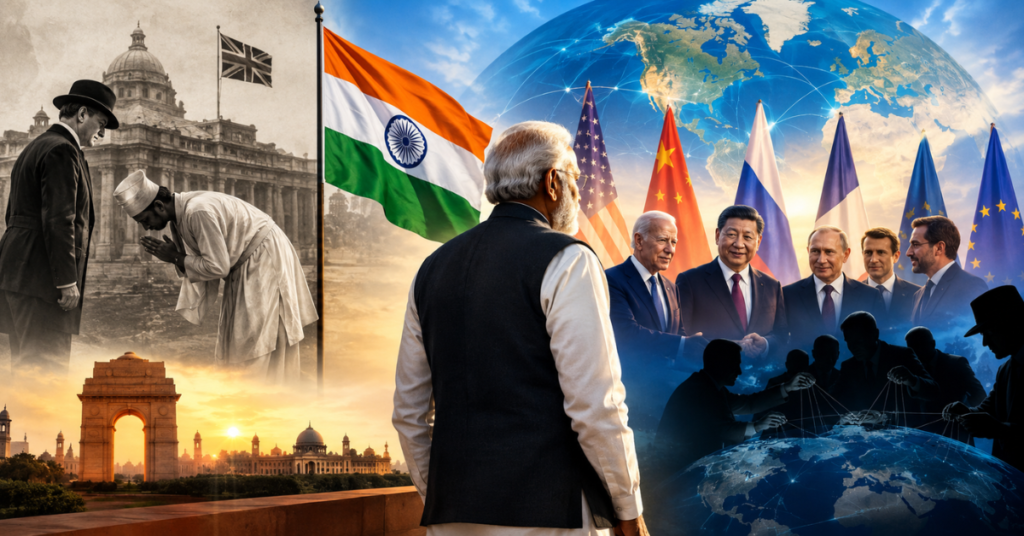
- India’s international diplomatic history is divided into two distinct and opposing eras. One era was marked by weakness under external pressure, where national interests were sacrificed to global appeasement under the guise of diplomacy.
- The second era—anchored by the Vajpayee and Modi dispensations—has prioritized national self-respect above all else, firmly rejecting sanctions, tariff threats, and strategic traps like the F-35 fighter deal from Western superpowers.
- This comprehensive report outlines the historical evolution of Indian diplomacy, India’s assertive bilateral negotiations with the US, the technical reality behind the F-35 jet, and the domestic and international toolkits attempting to undermine India’s energy security through opposition to the E20 ethanol policy.
Analysis Of Transformation In Indian Diplomacy And Global Conspiracies Against India
1. Historical Context: An Era Of Entreaties, Helplessness, And Submission
- Begging for Assistance During the 1962 War: During China’s unprovoked aggression in 1962, then-Prime Minister Jawaharlal Nehru sent 13 highly sensitive letters to US President John F. Kennedy pleading for military and strategic aid. This symbolized an era of diplomatic vulnerability when India depended on foreign goodwill for its survival.
- Dependence on the US and USSR for Food and Defense: During Indira Gandhi’s tenure, India had to accept foreign terms under the PL-480 program for food security and rely heavily on the Soviet Union for defense supplies. Later, under Rajiv Gandhi, India had to make diplomatic rounds to Washington simply to procure a high-capacity supercomputer under strict conditionalities.
- The Fallacy of Mistaking Submission for ‘Diplomacy’: For decades after independence, India’s foreign policy mindset operated on the belief that adapting to Western agendas without causing offense constituted wisdom.
- The Example of Israel: Even a militarily formidable nation like Israel often finds itself constrained by US foreign policy despite receiving billions in military aid. For instance, despite Israel’s strong objections, the US agreed to sell F-35s to Saudi Arabia—proving that purchasing weapons alone does not guarantee strategic autonomy.
2. The Historic Shift Of The Vajpayee Era: “Atal Resolve” And Pokhran-II (1998–2004)
In May 1998, under the leadership of Atal Bihari Vajpayee, India’s foreign policy permanently shifted to put national self-respect first:
- The Fearless Decision of Pokhran-II: Evading the surveillance of the US Central Intelligence Agency (CIA), India successfully conducted five nuclear tests in Pokhran. Vajpayee established India as a declared nuclear-weapons state without seeking permission from any foreign power.
- A Direct, Historic Response to Bill Clinton: When US President Bill Clinton pressured India to sign the Comprehensive Nuclear-Test-Ban Treaty (CTBT) unconditionally, Vajpayee retorted: “When the United States conducts nuclear tests, does it consult or seek permission from the Prime Minister of India?”
- Enduring Three Years of Severe Sanctions: The US imposed harsh economic, trade, and scientific sanctions on India. Western analysts predicted the Indian economy would collapse. A predecessor might have visited Washington to plead for relief, but Vajpayee refused to compromise on national pride.
3. Strategic Hesitation During The Manmohan Singh Years (2004–2014)
- A Period of Diplomatic Indecision: Although India experienced economic growth during Dr. Manmohan Singh’s decade-long tenure, the government repeatedly adopted a defensive posture under Western and American pressure whenever firmness was required on strategic fronts.
- Inaction Following 26/11: After the 2008 Mumbai terror attacks (26/11), the nation expected strong military retaliation against Pakistan. However, under pressure from the Bush administration and Western powers, the Indian government refrained from taking decisive military action. During this era, even a smaller neighbor like Pakistan posed a significant strategic challenge.
- Clinton’s India Visit and Diplomatic Failure: When Bill Clinton visited India in 2000 and proposed that India dismantle its nuclear arsenal during bilateral talks, Vajpayee firmly rejected the demand. Ultimately, in 2001, the George W. Bush administration was forced to lift all sanctions unconditionally.
4. The Modi Era: Transitioning from “Atal Resolve” To Assertive Diplomacy (2014–Present)
With the arrival of Narendra Modi in 2014, Indian diplomacy discarded its defensive stance entirely. The national pride forged during the Vajpayee era became a permanent pillar of Indian foreign policy:
- Addressing Human Rights Concerns to Obama: When President Barack Obama delivered remarks on Indian diversity and Gandhian values during his visit to India, the Indian government officially responded that India was equally concerned about human rights violations and racial injustice against Black Americans in the US.
- Resisting Trump’s Trade Pressure and Protecting Agriculture: During his first term, Donald Trump pressured India to open its vast agriculture and dairy markets to US corporations. The Modi government refused. India absorbed trade tariffs of up to 50% rather than sacrificing the interests of its millions of farmers and dairy producers.
- Independent Energy Policy Under Biden: Following the outbreak of the Ukraine war, the Biden administration and the European Union pressured India to stop purchasing Russian oil. India rejected these Western demands and bought record quantities of Russian crude oil on sovereign terms, safeguarding its energy security and keeping domestic inflation under control.
5. The F-35 Offer, German Technical Inputs, And Exposing The Trap
- The Lure of the F-35 Fighter Jet: The US defense lobby and Washington administration offered India its advanced F-35 stealth fighter jet in an attempt to make the Indian Air Force permanently dependent on US technology.
- Confidential Inputs from German Officials: Strategic discussions between German and Indian defense officials revealed a critical technical truth: the ultimate software control and ‘kill switch’ (power button) for the F-35 remains with the US President. In any conflict, the US could remotely deactivate the aircraft.
- Neutralizing the Trap: Upon learning this, India prioritized its strategic sovereignty, shelved the F-35 proposal, and thwarted the US defense lobby’s long-term trap.
6. Targeted Attacks On Internal Energy Security: The Truth About E20 Ethanol Policy
Having been outmaneuvered on the foreign policy front, international oil interests and their domestic allies have turned their focus toward undermining India’s energy independence:
- Historic Targets for the E20 Policy: India achieved its target of 20% bio-ethanol blending in petrol (E20) ahead of schedule. This initiative reduces crude oil imports by approximately 31 million metric tons annually, saving billions of dollars in foreign exchange reserves.
- Direct Transfer of ₹35,000 Crore to Farmers: Ethanol procurement transfers over ₹35,000 crore annually directly to sugarcane and grain farmers. Between 2014 and 2026, over ₹1.58 lakh crore has been disbursed to sugarcane farmers, stabilizing sugar mills and clearing historical dues.
- Aligned with Global Standards: Modeled alongside international benchmarks like Brazil (E27.5–E30), the US (E10–E15), and the European Union, India’s E20 program is scientifically sound, safe, and fully aligned with global standards.
7. Analyzing Sponsored Opposition: Political Frustration Meets The Foreign Oil Lobby
Recent misinformation campaigns alleging that E20 fuel causes engine damage, reduces mileage, and leads to mechanical failures are driven by five self-interested groups:
- 1. Political Frustration and Disrupted Syphoning: With avenues for corruption and middlemen closed under the current administration, opposition groups are attempting to incite vehicle owners and create public unrest.
- 2. Foreign Oil Cartels (OPEC) and Private Refineries: India’s 20% reduction in crude imports directly impacts the profits of global oil companies and private refiners. These international lobbies fund campaigns to discredit India’s ethanol program.
- 3. Attempting to Create an Artificial Agricultural Crisis: Stopping ethanol procurement would push sugar mills back into financial distress and delay farmer payments—a situation exploited to turn farmers against the government.
4. The Technical and Scientific Reality: Major manufacturers like Maruti Suzuki and Hero MotoCorp, along with testing agencies like ARAI, have clarified that E20 fuel does not cause engine damage. Issues stem primarily from water contamination in petrol pump storage tanks and poor maintenance, not ethanol itself.
8. Conclusion: “Impose Tariffs—We Are Ready”: Victory Belongs To Self-Respect
Whether facing US trade pressure, conditional deals like the F-35, or sponsored toolkit campaigns against E20 fuel, India’s path remains clear:
- Zero Compromise on Agricultural and Energy Sovereignty: India will not open its agricultural market to foreign conglomerates, nor will it retreat from its ethanol blending program under pressure from foreign oil cartels.
- Sanctions Have Always Driven Innovation: History shows that whenever sanctions were imposed on India, its scientists and industry turned them into opportunities to develop indigenous technology—from nuclear capability and supercomputing to defense manufacturing.
- A Confident New India: Where threats from Pakistan once posed major diplomatic challenges, today’s India engages with superpowers like the US and the European Union on equal terms.
India stands prepared to handle trade wars, economic sanctions, and information warfare. From Bill Clinton to Donald Trump, foreign powers have found Indian resolve unyielding. Moving forward, victory belongs to a sovereign, self-reliant India.
🇮🇳 Jai Bharat, Vandematram 🇮🇳
Read our previous blogs 👉 Click here
Join us on Arattai 👉 Click here
👉Join Our Channels👈