Summary:
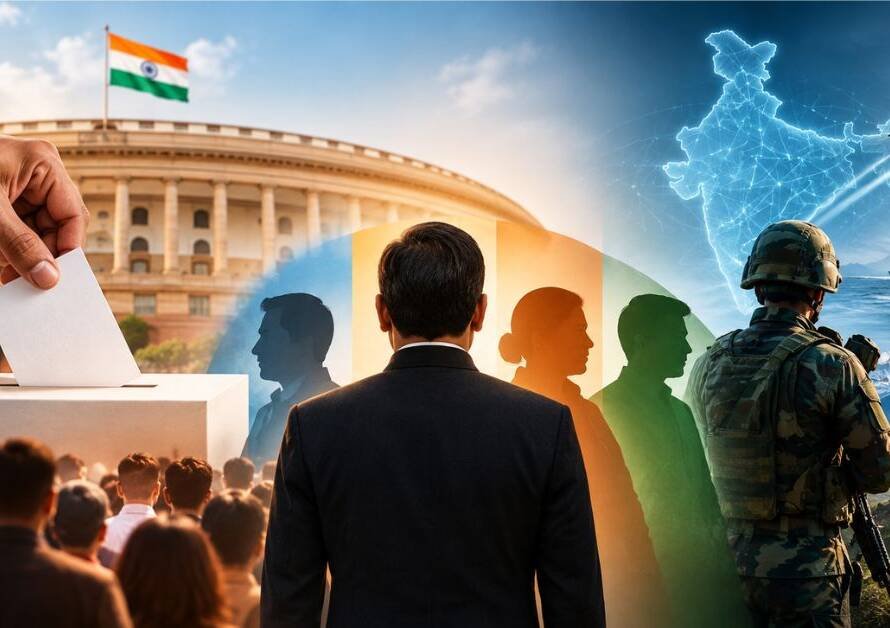
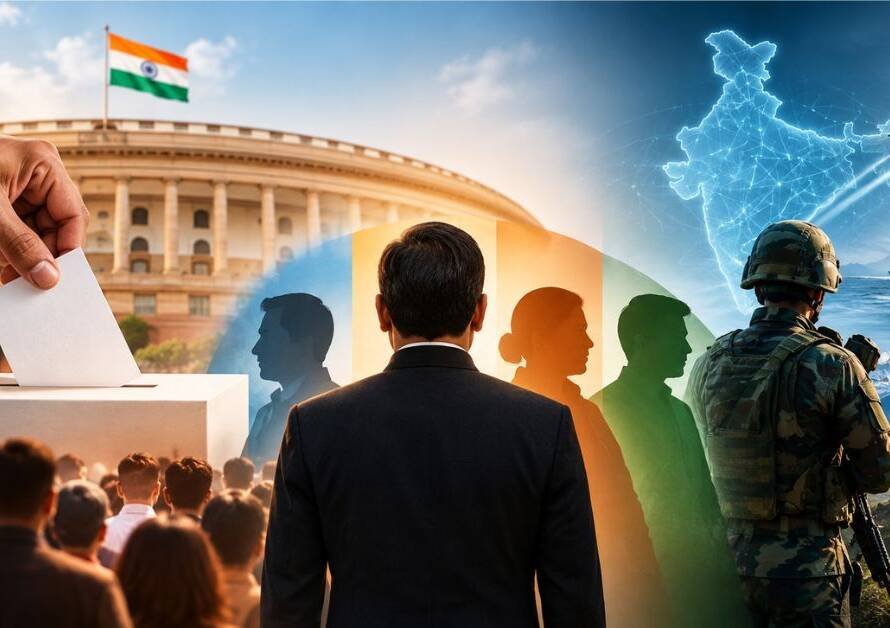
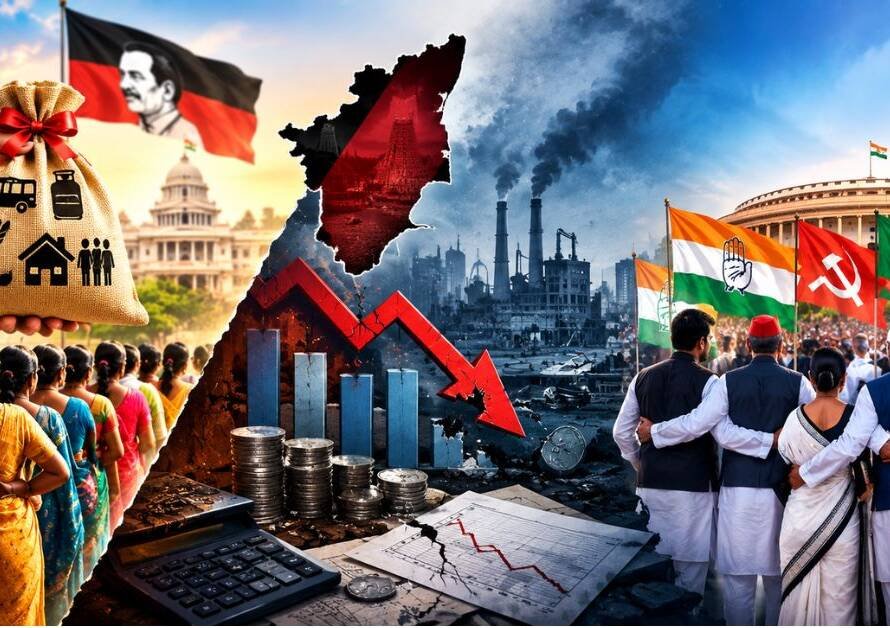
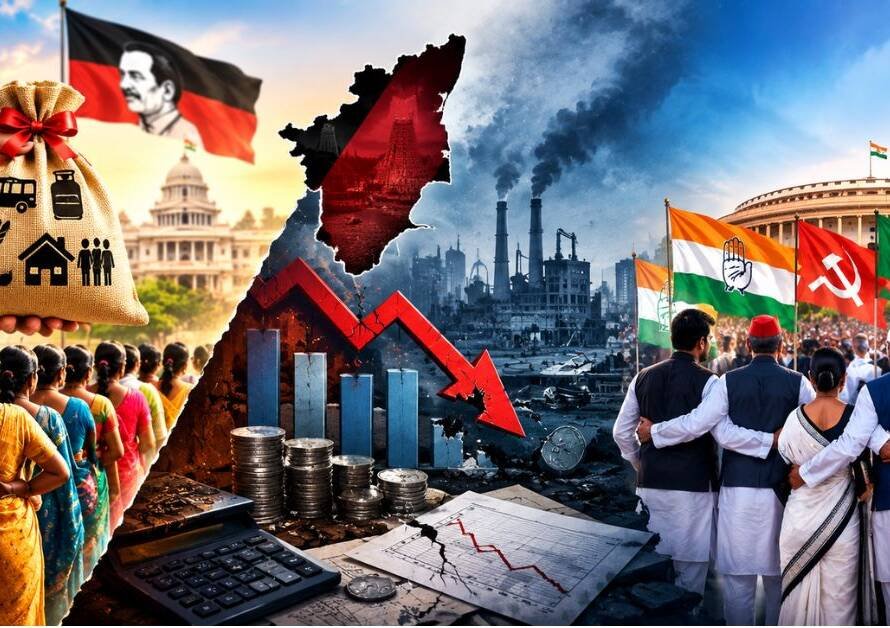
- This extensive and research-backed discourse presents a deep and authentic analysis of India’s political, constitutional, and cultural history.
- It provides an irrefutable documentary analysis of the post-independence politics of appeasement, the unprecedented historical sacrifice made by the princely states for the creation of a united India, the anomalies of the Waqf Act, and the far-sighted vision of the Iron Man, Sardar Vallabhbhai Patel, in contrast to Nehruvian policies.
- This article serves as a powerful medium to awaken national interest and cultural pride while making readers ideologically vigilant.
The Reality of Indian History and Its Reestablishment
I. The Great National Surrender of Sovereignty vs. Institutional Anomalies
The foundation of modern Indian history is built upon unparalleled examples of sacrifice and patriotism. However, the administrative and legal systems created post-independence severely disrupted this balance.
- The Historical Land Surrender by Princely States:
To bind India into a single united thread, the rulers of 565 princely states, especially the Rajput rulers, sacrificed their centuries-old sovereignty. Without any bloodshed, they handed over 4 million acres of fertile land, strategically important 43 major forts, and 18,700 smaller fortresses to the newly formed Union of India. This was the largest voluntary geographical and political surrender in global history, which shaped the map of modern India.
- The Waqf Act and Unilateral Powers:
While the ‘Privy Purses’ (royal allowances) granted to the native rulers who surrendered their properties to the nation were later abolished through constitutional amendments, a parallel institutional system was set up in 1954 by creating the Waqf Act. Following the 1995 amendments, this board was granted such unrestricted powers that it can unilaterally declare any private or government land as its property. This can only be challenged in the Waqf Tribunal and not in the country’s ordinary Civil Courts, which stands as a major anomaly against the civil rights of the majority society
II. The Administrative Structure of Appeasement Post-Religious Partition
When the partition of the country in 1947 took place entirely on a religious and communal basis, logically, the policies of independent India should have been based entirely on a Uniform Civil Code. However, the political leadership of the time continued to grant legal protection to appeasement:
- The Horrors of Geo-Political Partition (1947 and 1971):
The shrinking of India’s borders and the division of its undivided land (the creation of Pakistan and later Bangladesh) were the ultimate results of the same separatist ideology nurtured by the politics of appeasement. Even after the victory in the 1971 war, no permanent solution to the borders and the refugee problem was found due to diplomatic hesitation.
- Article 370 and Constitutional Separatism:
Article 370, added to the Constitution as a ‘temporary’ provision, gave Jammu and Kashmir a special status separate from the mainland of India, along with a separate flag. This not only sheltered separatism and terrorism there but also brutally forced Kashmiri Hindus to displace from their ancestral land.
- Parallel Legal and Educational Systems:
By forming the Muslim Personal Law Board in 1973, two different civil laws were recognized within a single sovereign country. Subsequently, the special legal status granted to institutions like the Ministry of Minority Affairs, Minority Bills, and Aligarh Muslim University (AMU) worked to push the majority society to the margins on their own land. The majority society was kept entangled in endless disputes over castes and reservations so that they could never understand this vast ideological and cultural crisis.
III. Nehruvian Philosophy vs. Patel’s Foresight: Ideological Differences
There were deep and sharp ideological differences between the then Prime Minister Jawaharlal Nehru and the Iron Man Sardar Vallabhbhai Patel in deciding the policy and destiny of independent India, which are authentically recorded in the pages of history.
- The Historical Resistance of Sardar Patel:
Former Prime Minister Morarji Desai, on page 456 of his autobiography “Mera Jeevancharitra”, clearly wrote that he was astonished by Nehru’s dismissive view towards Hindu religion and culture. When the Nehru government brought the ‘Hindu Code Bill’ solely to change the social structure of Hindus, Sardar Patel strongly opposed it. Patel’s argument was that if a reform law is to be brought, it must apply equally to all citizens of the country. He warned that if a unilateral bill was brought, he would resign. This was the reason why this bill could not be passed during Sardar Patel’s lifetime.
- Acharya J.B. Kripalani’s Attack in Parliament:
During the debate on this bill, the famous freedom fighter Acharya J.B. Kripalani completely exposed the ideological hypocrisy of the leadership on the floor of the Parliament. He stated in sharp words:
“If you are truly building a modern, secular, and just nation, why is the government interfering only in the personal laws of Hindus? If you have the courage, bring a Common Civil Code for all religions.”
IV. The Division of the Majority Society and the Current Ideological Crisis
The ruling establishment utilized a special social engineering strategy to prevent the majority Hindu society from uniting ideologically, keeping the nation’s core cultural consciousness dormant for a long time.
- Promoting Caste Politics:
To prevent Hindus from organizing on the basis of religion and nation, they were deeply divided into castes, sub-castes, and regional identities. While the majority society remained entangled in internal caste conflicts and reservation disputes, control over large boards, ministries, and landed properties was established by specific communities in the name of minorities.
- Historical Amnesia and Anomalies:
For decades, the educational and administrative systems of the country were occupied by a specific ecosystem that suppressed real history. As a result, future generations remained ignorant of the truths of their own culture and history, creating a serious crisis for the nation’s internal security and sovereignty.
V. Cultural Renaissance and the Decisive Struggle
Since 2014, a massive transformation has occurred in Indian politics and social consciousness, which has been deeply felt even by unbiased analysts. The famous BBC journalist Mark Tully once highlighted this transition period of Indian politics, stating that to uproot the toxic tree of ideological distortions that had been growing within the country for years, a major and continuous struggle is required.
- Assault on Disruptive Elements:
The current leadership has begun to legally and financially dismantle the leftist, jihadist, Naxalite, and missionary networks embedded within the country’s administrative, educational, and cultural systems. Now that unilateral illegal protection is being removed from the system, these elements are naturally agitated and are fighting an ideological and violent war against the nation’s cultural identity.
- The Need for a Collective Resolve:
This ideological struggle does not belong to a single individual or political party. This is a grand war for the survival of India, the bright future of its children, and the defense of cultural nationalism. To keep this flame of national interest and cultural pride alive, every citizen must stand alert, united, and firm.
An Appeal for Collective Consciousness
- History is witness that a society that does not wake up in time due to its apathy eventually loses its cultural freedom and land. Today, the country is passing through a phase of a major ideological and cultural renaissance.
- The current leadership has made the country alert and aware, ensuring that our Sanatan culture and the integrity of the nation remain secure for future generations.
- It is the duty of every patriotic citizen to become a part of this cultural renaissance, know the truths of history, and make the people around them aware of this cultural crisis. Stay alert to history, break the cycle of appeasement and confusion, and take the nation to its highest peak.
🇮🇳 Jai Bharat, Vandematram 🇮🇳
Read our previous blogs 👉 Click here
Join us on Arattai 👉 Click here
👉Join Our Channels👈