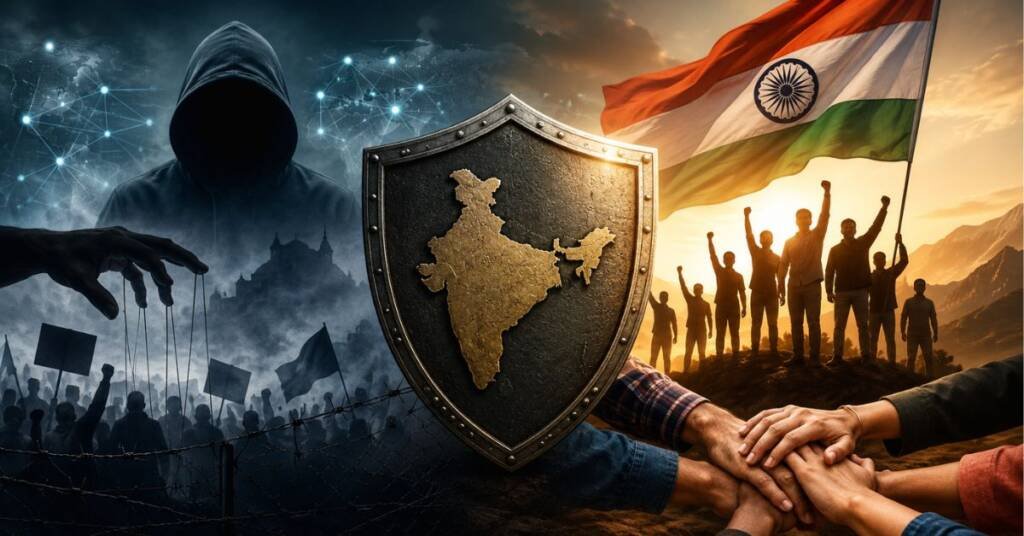
Summary:
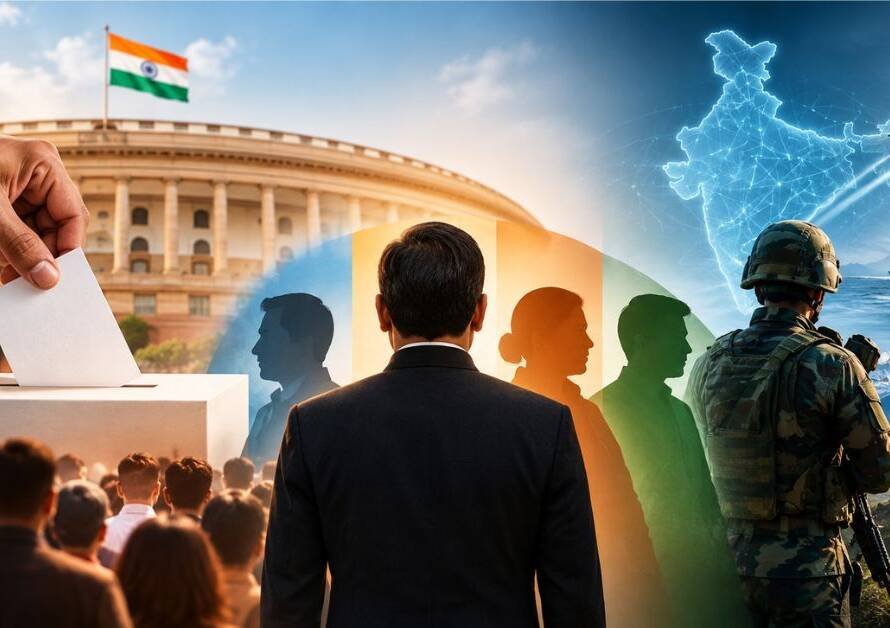
- This detailed analysis highlights the severe challenges facing India’s internal security, national sovereignty, and strategic stability.
- It presents an in-depth study of the attempts by foreign and separatist entities—such as ‘Sikhs for Justice’ (SFJ)—to create chaos through financial, logistical, and strategic interference under the guise of various mass movements.
- The primary objective of these anti-India networks is not constructive opposition to a specific policy or law, but rather to damage India’s international standing, obstruct its economic progress, and tear the social fabric of the nation.
- Therefore, it is critical for every citizen to understand the subtle difference between misinformation and a separatist agenda to safeguard the integrity of the nation from any internal turmoil.
Hybrid Warfare, and Civic Duty
1. Foreign Separatist Networks and International Funding Mechanisms
Recent global and domestic developments clearly indicate that anti-India elements operating from foreign soil are providing large-scale financial assistance and ideological support to incite discontent and escalate protest movements within the country.
- Public Declarations of Foreign Funding by SFJ: Public declarations by Gurpatwant Singh Pannun and his banned organization, ‘Sikhs for Justice’ (SFJ), offering financial assistance—such as $1 million—to various groups, movements, and organizations prove that these activities are not confined to local or administrative issues.
- Strategic Financing (Dark Money and Foreign Inflows): Money arriving through foreign networks and dubious channels provides protesters with long-term logistics, legal aid, media campaigns, and international lobbying. This turns localized or policy-based protests into prolonged national security crises.
- The Separatist Vision of “Fall of India”: The ultimate goal of these anti-India forces is not to bring about reform within the democratic framework. Their stated strategic objective is to ensure the “Fall of India” and fracture the territorial integrity of the nation.
2. Hybrid Warfare and Strategies of Institutional Fragmentation
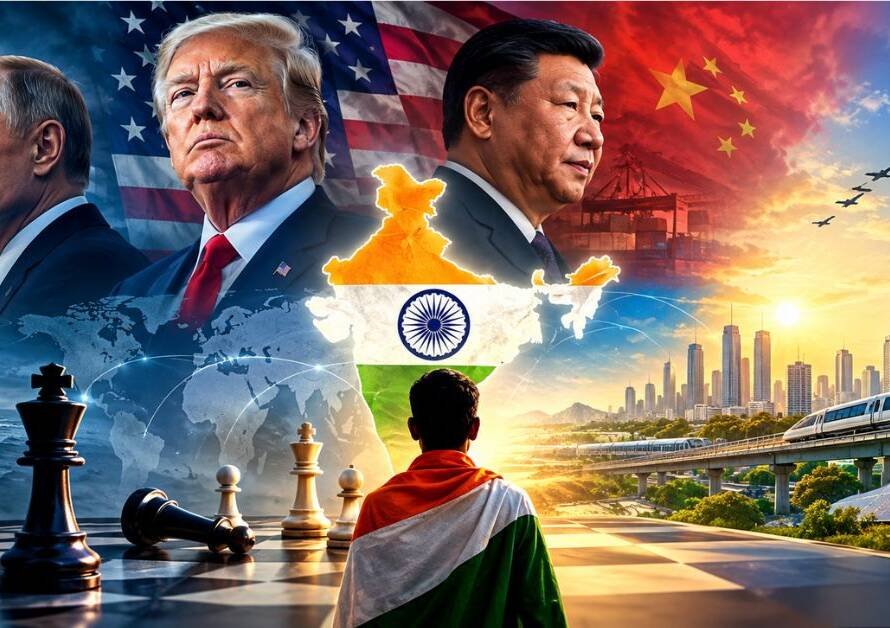
In the modern geopolitical landscape, ‘Hybrid Warfare’ is deployed instead of traditional military conflict. This strategy exploits a country’s internal social, economic, and political fault lines to hollow it out from within.
- Resignations as Merely the First Stage: Demanding the resignation of a minister, administrative official, or an entire government is merely an initial tactic. As soon as one demand is met, new excuses and issues are manufactured to keep the fires of discontent and chaos burning.
- Information Warfare: Social media and distorted narratives are weaponized to exploit public emotions. Separatist elements use the genuine concerns and everyday grievances of citizens as fuel for their broader agenda.
- Assault on Institutional Trust: Undermining the credibility of constitutional bodies—such as the judiciary, security forces, and administrative mechanisms—to foster public distrust in the system is a primary pillar of this hybrid warfare
3. Economic and Social Consequences of Internal Turmoi
When protest movements turn violent or cause prolonged deadlocks, they directly impact the nation’s economy and the pace of its development.
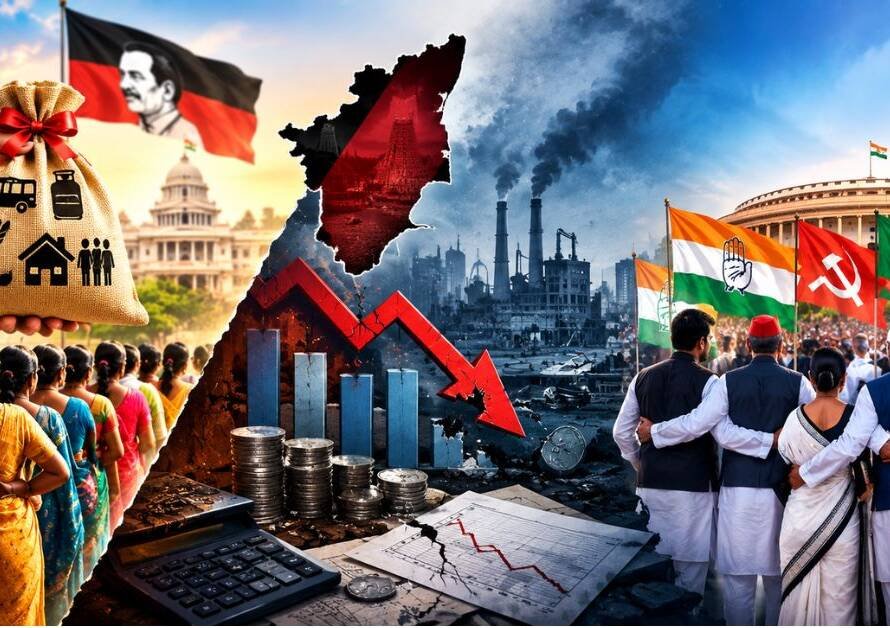
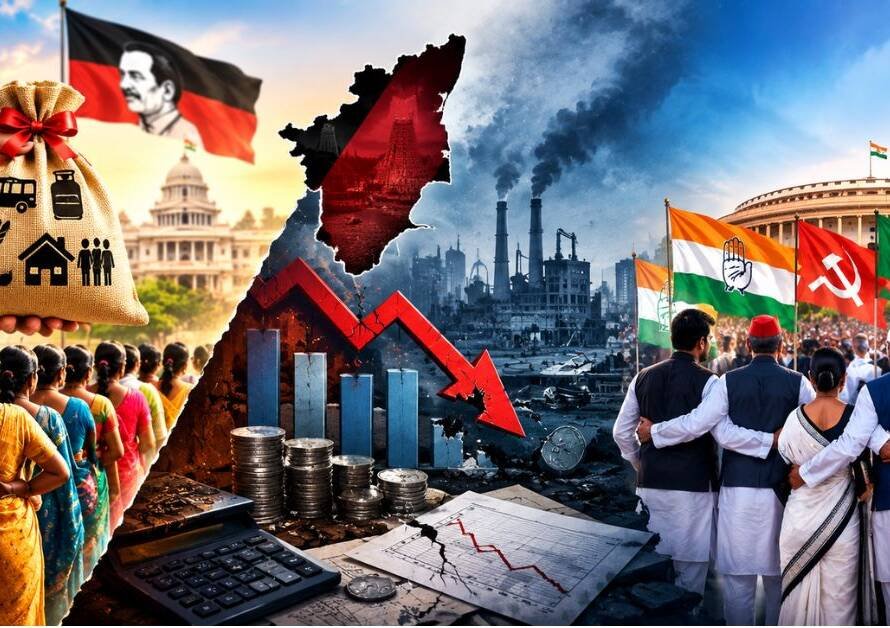
- Damage to Economic Infrastructure: Blocking roads, rail routes, and industrial corridors disrupts daily commerce, supply chains, and foreign investment, ultimately harming everyday citizens.
- Fractures in the Social Fabric: Separatist and radical forces attempt to build walls of mistrust between different communities, endangering the social harmony and mutual brotherhood built over decades.
4. Lessons from Regional Instability and Neighboring Events
History and contemporary South Asian politics bear witness to the fact that when a nation becomes internally fragmented—politically or socially—the consequences are devastating.
- Developments in Neighboring Countries: Recent political upheavals, economic crises, and regime changes across South Asia serve as a warning that when law and order and political stability collapse, citizens’ safety, livelihoods, and fundamental rights are the first to suffer.
- The Danger of Divisive Trends: If society ignores national security due to immediate emotions or narrow identities, chaotic elements gain the upper hand, leading to a breakdown of civil order.
5. The Spirit of Nation-First and Civic Vigilance
In a strong and vibrant democracy, questioning the government, reviewing policies, and raising protests within constitutional boundaries are fundamental democratic rights. However, when these protests are co-opted by foreign powers and separatist networks to challenge national sovereignty, civic vigilance becomes mandatory.
- Conscious and Aware Citizenship: Every citizen must ensure they do not unknowingly become pawns in any disinformation campaign or separatist agenda.
- Sovereignty and Stability as the Foundation of Progress: India’s economic growth, rising international stature, technological progress, and internal peace can only remain secure under a strong, unified system that prioritizes national security above all else.
🇮🇳Jai Bharat, Vandematram 🇮🇳
Read our previous blogs 👉 Click here
Join us on Arattai 👉 Click here
👉Join Our Channels👈