Summary
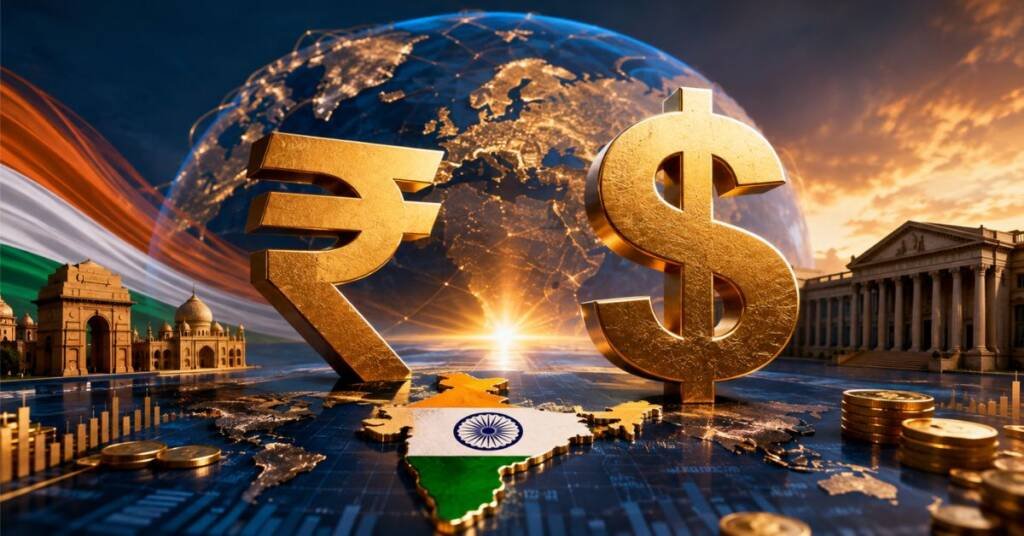
- The global trade system is undergoing a historic shift driven by Western sanctions and the increasing volatility of the US Dollar. In the aftermath of the Russia-Ukraine conflict, severe sanctions imposed on Russia underscored the vulnerabilities and political leverage embedded within the SWIFT banking network. Amid this geopolitical transition, a novel de-dollarization mechanism is taking shape in South Asia, positioned around the Indian Rupee (INR).
- Russia is actively urging Bangladesh to utilize India’s Special Rupee Vostro Account Mechanism to settle debt and bilateral trade linked to the $12 billion Rooppur Nuclear Power Plant project.
- Facing a severe foreign exchange (Forex) crisis and acute dollar shortages, Bangladesh—alongside regional neighbors like Bhutan—is increasingly adopting rupee-denominated trade to safeguard economic stability.
- Introduced by the Reserve Bank of India (RBI) in 2022, this settlement framework remains fully insulated from Western sanctions. These developments demonstrate that India is no longer merely reacting to international financial dynamics, but is actively shaping the global financial agenda.
How the US Dollar Became the World’s Dominant Reserve Currency
1. Dollar Hegemony and the Imperative for De-Dollarization
- The Weaponization of the Dollar: For decades, the US Dollar has dominated global commerce, energy settlements, and foreign exchange reserves. However, Western powers have routinely leveraged dollar-denominated financial infrastructure to exert strategic and political pressure.
- Impact of Sanctions on Russia: The expulsion of major Russian banks from SWIFT and the freezing of Russian foreign reserves signaled to emerging economies that sole reliance on a single currency poses a direct risk to national economic sovereignty.
- Demand for Alternative Frameworks: Sanctions catalyzed a search for non-dollar payment channels among developing nations, leading to a marked increase in demand for international trade settlements conducted in national and regional currencies.
2. The Rooppur Nuclear Project: epicenter of Triangular Rupee Trade
- Project Scale: Constructed by Russia’s state nuclear corporation (Rosatom), the Rooppur Nuclear Power Plant in Bangladesh carries a total project cost of $12 billion, with nearly $8 billion in loan funds already disbursed by Moscow.
- Payment Bottlenecks: Due to Western sanctions, Bangladesh’s state-owned Sonali Bank is unable to directly transfer principal and interest installments to Russia in US Dollars or Euros. Consequently, Bangladeshi Taka equivalent to approximately $1 billion remains stalled within Bangladesh’s domestic banking network.
- The 2027 Repayment Deadline: Principal loan repayments are scheduled to begin in 2027. Failure to establish a viable settlement mechanism poses operational risks to the project’s long-term continuity.
- Russia’s Strategic Proposal: Establishing a direct ‘Taka-Ruble’ payment framework presents high operational complexity and risk. As a result, Russia is advocating for Bangladesh to leverage India’s established Rupee Trade Settlement Mechanism.
3. Vostro Accounts and the Mechanics of Triangular Settlement
- The India-Russia Oil Trade Factor: India’s substantial imports of discounted Russian crude oil have generated a large surplus of Indian Rupees held by Russian entities in Special Vostro Accounts across commercial banks in India.
- Rupee Transfer Mechanism: Russia proposes transferring its surplus INR balances to Bangladesh’s accounts. Bangladesh can then utilize these rupee funds to service its loan obligations to Russia.
- Addressing Bangladesh’s Trade Deficit: Bangladesh maintains a substantial trade deficit with India, importing roughly $8 billion in goods annually. Rupee reserves acquired through this arrangement can simultaneously be used by Dhaka to settle import bills with India.
- Bangladesh’s Forex Strain: Bangladesh faces persistent inflation and low foreign exchange reserves. It lacks adequate US Dollar liquidity to settle debt obligations with Russia or import essential commodities such as fuel, food grains, and fertilizers.
- Energy Security Without Dollar Depletion: Adopting a triangular rupee settlement enables Bangladesh to secure Russian energy supplies and nuclear equipment without drawing down its limited US Dollar reserves.
- Trends in Neighboring Economies: Regional neighbors, including Bhutan, are expanding the use of the Indian Rupee alongside local currencies to insulate their economies from exchange rate volatility.
- Stabilizing Foreign Reserves: Settling regional trade in local currencies mitigates pressure on central bank reserves and offers protection against domestic currency depreciation.
5. The RBI’s Vostro Framework and Sanction Immunity
- Special Rupee Settlement Mechanism (2022): In July 2022, the Reserve Bank of India introduced a framework allowing international trade invoices and settlements to be denominated in INR, aiming to promote global trade growth and internationalize the currency.
- Insulation from External Sanctions: Transactions processed under this mechanism take place entirely within India’s domestic banking system. Because it bypasses Western clearing houses and SWIFT architecture, the framework remains insulated from foreign sanctions.
- Building Global Financial Alternatives: The RBI’s initiative demonstrates that cross-border trade and debt settlements can operate efficiently and securely outside traditional Western financial infrastructure.
- Administrative Hesitation: Political shifts in Bangladesh have introduced temporary delays in policy execution, as transitional administrations typically exercise caution before approving major financial recalibrations.
- Economic Constraints: Despite domestic political changes, persistent dollar shortages and strategic pressure from Moscow create strong incentives for Bangladesh to adopt the rupee settlement framework.
- Long-Term Economic Impact: Delays in finalizing alternative settlement channels prolong economic exposure, whereas adopting INR payments offers immediate relief to foreign exchange reserves.
7. Conclusion: India as an Emerging Global Agenda-Setter
- Impact on Multilateral Forums: As the triangular rupee model is presented at platforms like BRICS and SCO, it offers a functional blueprint for broader de-dollarization strategies among emerging markets.
- Internationalization of the Rupee: Growing acceptance of INR in cross-border settlements highlights its transition from a regional tender toward a recognized international trade currency.
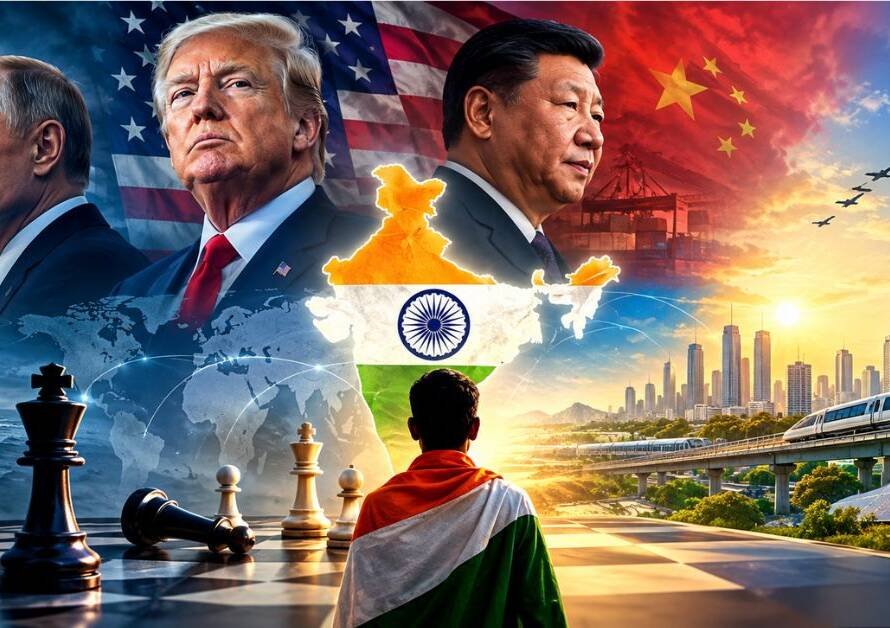
- Strategic Position in Global Governance: These developments indicate that India is expanding its influence in global financial governance, transitioning from a passive participant into an active architect of international monetary arrangements.
🇮🇳Jai Bharat, Vandematram🇮🇳
Read our previous blogs 👉 Click here
Join us on Arattai 👉 Click here
👉Join Our Channels👈
Reads & Views: 123