Summary
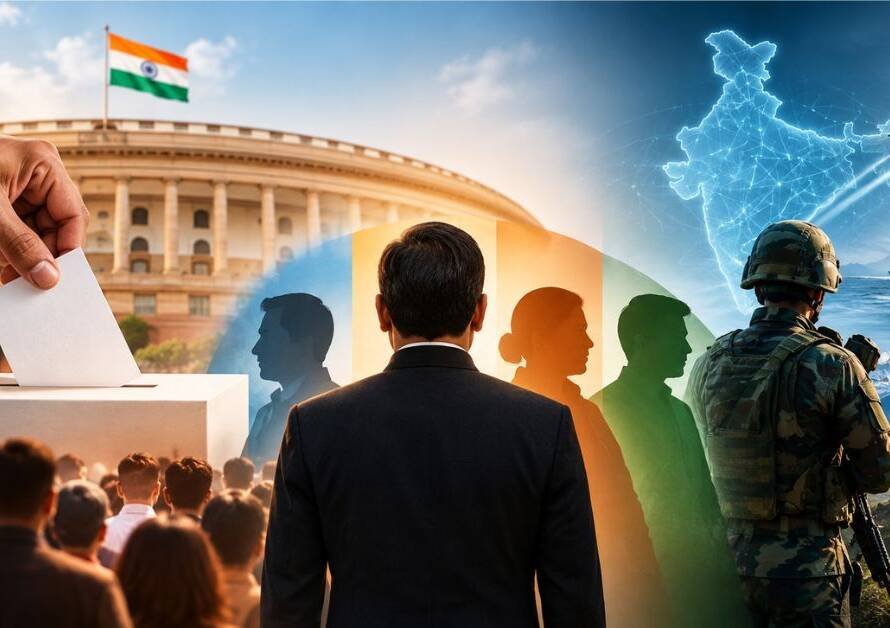
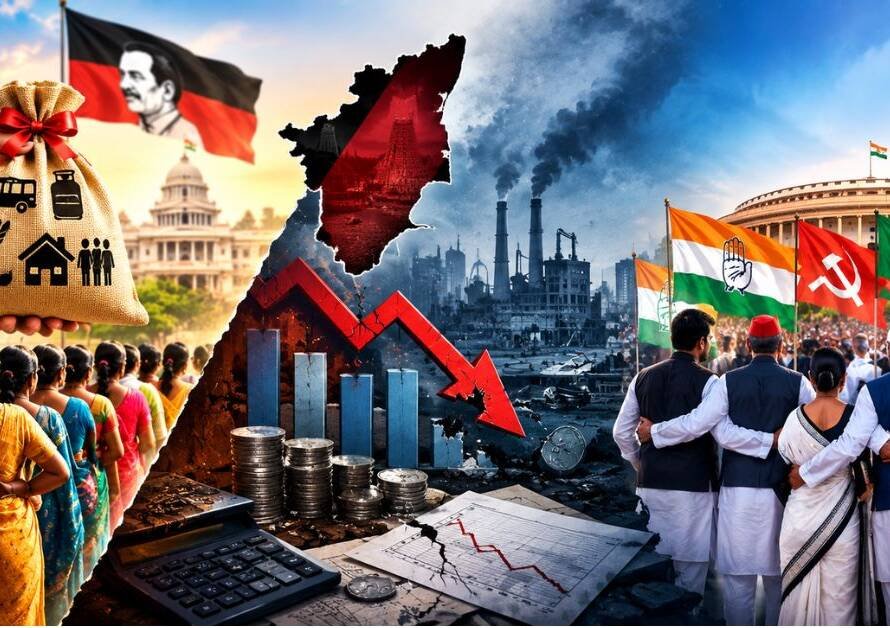
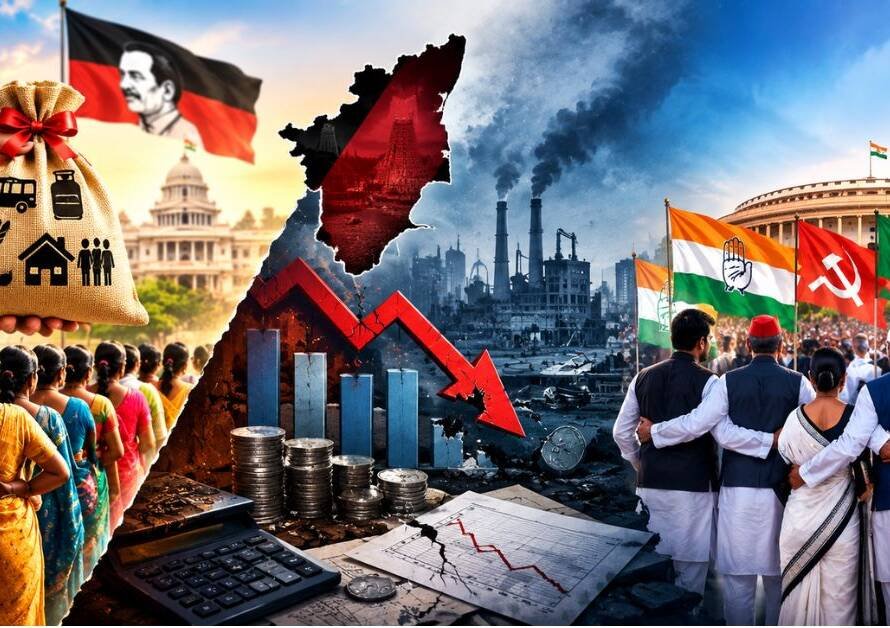
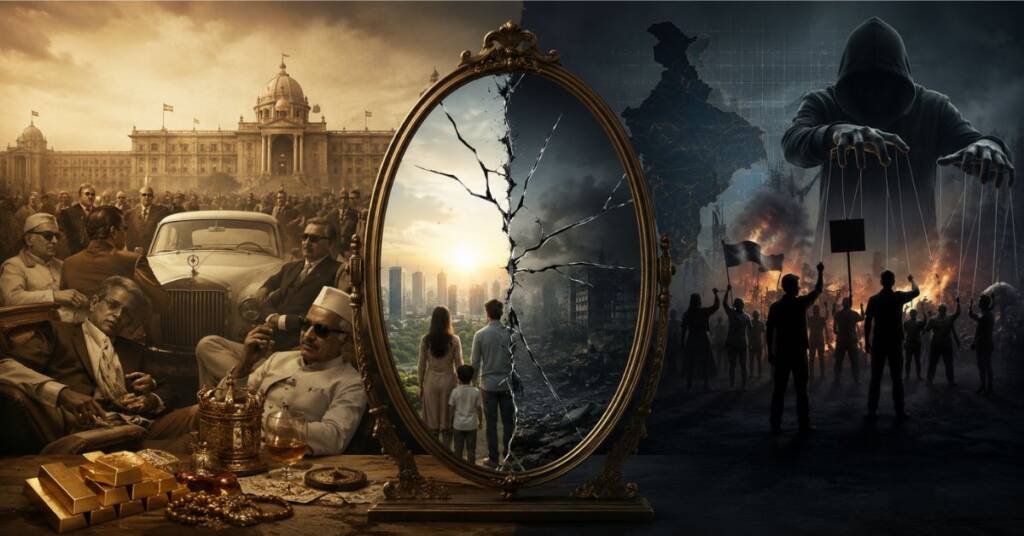
- This narrative employs a satirical and analytical lens to critique the old governance and political era that some individuals seek to romanticize as a “golden age” for their own political convenience.
- Reflecting on a period defined by power outages, unhindered illegal infiltration, crumbling law enforcement, paper leaks, and rampant corruption, this article draws a sharp comparison with the structural transformation seen in the present day.
- Furthermore, it exposes the dangerous “anti-India ecosystem” that has grown frantic over India’s global rise and is actively working to undermine the nation’s sovereignty and security.
- It highlights how attempts to revive those days of appeasement and mismanagement serve solely as an agenda for anti-national and opportunistic forces.
” Anti-National Conspiracies, and Present Reality
1. Open Borders and the Politics of Appeasement: A Blow to National Security
- Visa-Free India: An era when the nation’s borders were entirely porous, allowing individuals from neighboring countries to walk in unhindered simply by crossing a barbed-wire fence—a phenomenon often glorified under the guise of “brotherhood.”
- Vote-Bank Politics: For decades, successive ruling parties nurtured these infiltrators to secure their Muslim vote-banks. Promoting elements that destabilized the demographic balance was a core political strategy of that era.
- Compromising National Security: This casual disregard for borders and persistent appeasement left deep scars on India’s internal security, creating vulnerabilities that remain a serious challenge to this day.
2. The Thrill of “Power’s Back!” and Roads Lost in Potholes
- The Power Crisis: A time when the arrival of electricity in homes felt like a festival, greeted by triumphant shouts of “Power’s back!” across neighborhoods. Power cuts were a daily norm, crippling both households and industries.
- Decimated Infrastructure: Roads were frequently defined by potholes so deep that finding an actual stretch of paved road felt like an anomaly. Development existed only on paper, while reality offered endless despair.
3. “Online” Meaning Standing in Lines, and Rife Corruption
- Ration and Gas Queues: Back then, “online” did not mean digital convenience; it meant standing for hours in blistering heat or rain outside government ration depots and gas agencies, terrified of losing your spot if you moved an inch.
- The Web of Corruption: The common man’s life was an endless struggle for basic necessities, where every trivial administrative task demanded bribes and political patronage.
4. Lawlessness and the Shadow of Insecurity
- The Plight of Women’s Safety: As dusk fell, it became perilous for women to step outside. Those who lecture on women’s empowerment today conveniently forget that law enforcement was once held hostage by criminals and mafia dons.
- Terror and Violence: Bomb blasts and violent incidents were commonplace, with governments offering little more than hollow condemnations. The safety of ordinary citizens was left entirely to fate.
5. Education, Employment, and the Mockery of Systems
- The Culture of Paper Leaks: Question paper leaks were a routine affair, crushing the futures of hardworking and meritorious students while nepotism and corruption strangled true talent.
- Infrastructure Deficit: For decades, major states made do with a handful of premier educational institutions, completely devoid of the political will to expand infrastructure.
- Unpredictable Railways: Waiting for trains at railway stations was an exercise in uncertainty—you knew the date, but the arrival time was anyone’s guess.
6. The Anti-India Ecosystem and Collusion with Foreign Forces
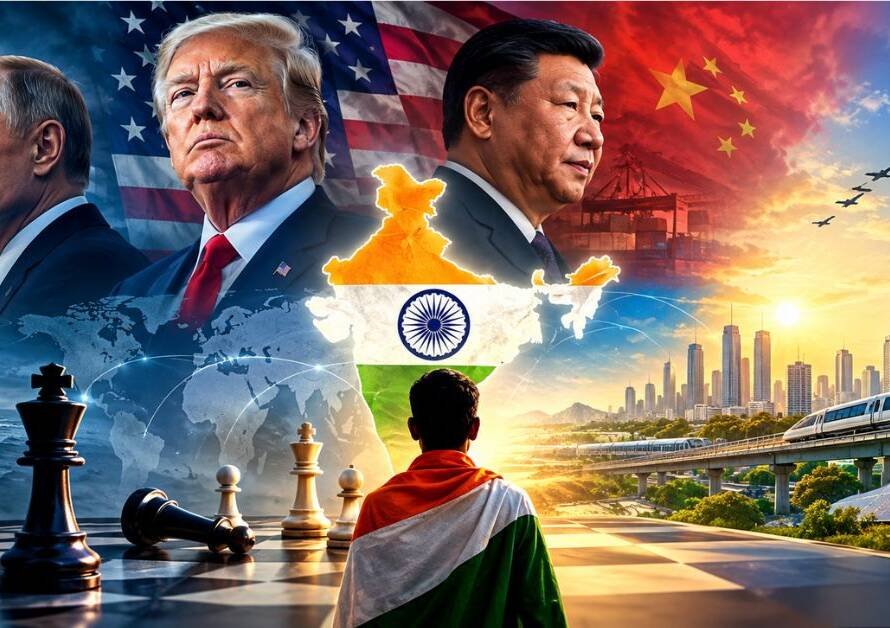
Today, as India achieves unprecedented success in the Modi era and establishes a powerful presence globally, a desperate anti-India ecosystem has gone into overdrive.
- Fabricated Narratives and Propaganda: This network works tirelessly to distort current realities and manufacture fake historical narratives to malign the government both nationally and internationally.
- The Failure of Old Tricks: Before the Modi era, these sinister designs succeeded effortlessly. Today, their outdated tactics no longer work, driving their hunger for power to such dangerous extremes that they have turned against India’s very sovereignty.
- Aligning with Extremists and Foreign Deep States: To fulfill political ambitions, elements within this ecosystem have colluded with foreign vested interests, deep state actors, extremists, and jihadists, engineering manufactured agitations across the country.
- Parliamentary Obstruction and Anarchy: Issues meant to be debated in Parliament are dragged onto the streets as chaos and disruptions, serving foreign enemies and extremists who wish to tear the nation apart.
Who Wants Those Days Back?
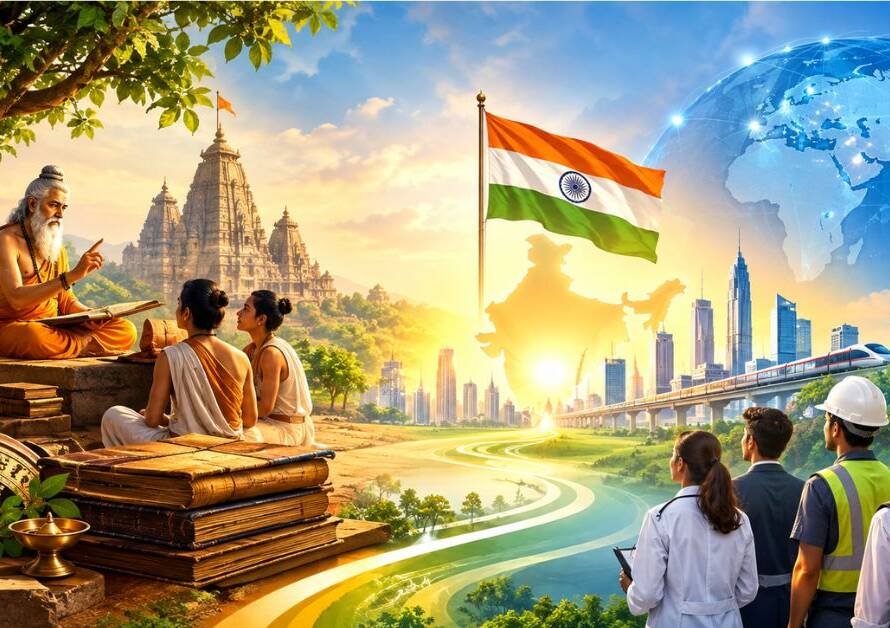
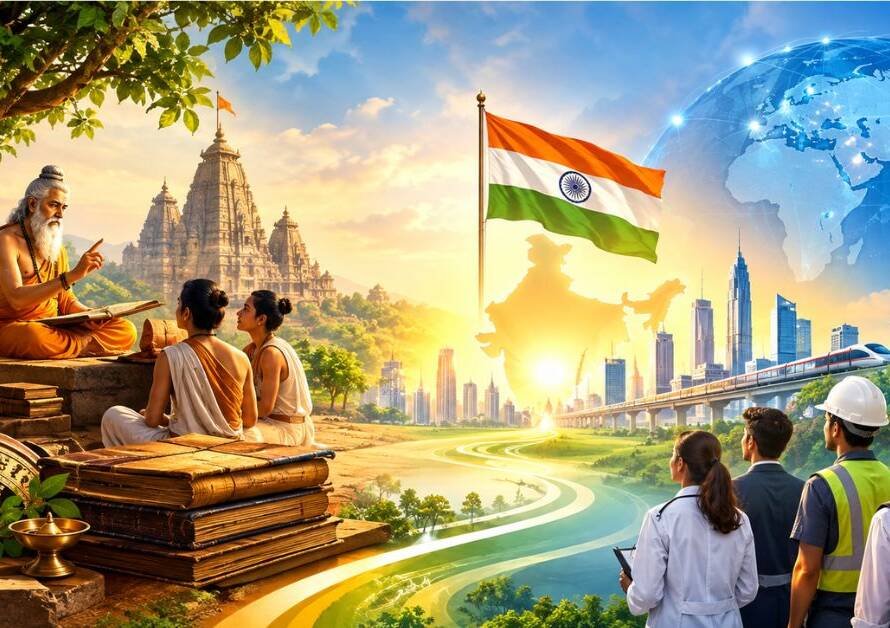
- At a time when India is charging ahead with digital transformation, robust infrastructure, space exploration, and self-reliance, certain political parties and opportunistic alliances wish to drag the country back into the abyss for the sake of power.
- Citizens must remain fiercely vigilant against the propaganda of these anti-national elements. Succumbing to their manipulations would mean writing our own destruction.
- India is an eternal, living civilization that has survived thousands of years of history, including 800 years of brutal invasions by Mughals, the British, and post-independence regimes that bartered national security for vote-bank appeasement.
- As Swami Vivekananda famously exhorted: “Arise, awake, and stop not till the goal is reached”—so that India may rise as a global superpower and Vishwaguru. The nation comes first, and we must stand firmly behind our honest, nationalist government to safeguard our motherland.
- The verdict is clear: we must never permit a return to the dark, failed days of the past.
🇮🇳Jai Bharat, Vandematram🇮🇳
Read our previous blogs 👉 Click here
Join us on Arattai 👉 Click here
👉Join Our Channels👈
Reads & Views: 96