Summary
- This political analysis exposes a hidden dimension of the Bharatiya Janata Party’s (BJP) long-term electoral strategy.
- On the surface, a defeat in a bypoll is perceived as a setback (such as Prashant Kishor and ‘Jan Suraaj’ winning in Bankipur). However, at a strategic level, the BJP utilizes bypolls not merely for immediate victory or defeat, but as a ‘Pressure-Release Valve,’ a ‘Political Laboratory,’ and a tool to ‘Divide the Opposition.’
- Premature, localized victories fuel hyper-confidence (hubris) within the opposition, causing rival factions to fracture—ultimately setting the stage for the BJP’s decisive victories in subsequent major state and general elections.
The Invisible Cycle of BJP’s Electoral Dominance
1. The Bankipur Bypoll: Long-Term Calculus Behind a Short-Term Defeat
Prashant Kishor’s victory in the Bankipur (Bihar) assembly bypoll and the official entry of ‘Jan Suraaj’ serve as a major case study for political analysts. While mainstream media initially framed the result as a collapse of a BJP stronghold, its broader impact on Bihar’s political landscape tells a completely different story:
- End of Opposition Monopoly: Until now, the opposition in Bihar was practically synonymous with Tejashwi Yadav and the Rashtriya Janata Dal (RJD). The Bankipur result shattered the illusion that the RJD is the sole anti-incumbency option. The RJD candidate slipping to third place indicates that the anti-BJP vote has effectively fractured.
- A Logical and Policy-Driven Challenge in the House: Inside and outside the Bihar Assembly, the most articulate, data-driven, and policy-oriented face of the opposition will now be Prashant Kishor. Competing against Kishor’s analytical approach on policy issues will be an uphill battle for Tejashwi Yadav.
- Erosion of RJD’s Core Base: Urban and youth voters dissatisfied with Tejashwi’s leadership—who previously voted for the BJP out of fear of returning to the RJD’s past ‘Jungle Raj’ era—now have a viable non-RJD and non-BJP alternative in Prashant Kishor.
- Zero Impact on Government Stability: Losing the Bankipur seat has zero effect on the majority or stability of the BJP-led government. In exchange for one seat, the BJP gained the massive strategic advantage of splitting the opposition into two mutually hostile camps (RJD vs. Jan Suraaj).
2. The ‘Pressure-Release Valve’ Model: Scientific Management of Anti-Incumbency
Political scientists agree that public dissatisfaction (anti-incumbency) naturally builds up against any government in power over a prolonged period. If this dissatisfaction is suppressed or ignored, it eventually erupts as a massive public wave during major elections, completely overthrowing the government.
The BJP’s long-term methodology involves releasing this dissatisfaction in a controlled manner:
- The Datia Model (Madhya Pradesh): In the Datia bypoll, the seat belonged to the Congress before the election and remained with the Congress afterward. On the surface, nothing changed, but the localized frustration built up against the local administration was safely vented out through that vote. As a result, by the time the main general assembly elections arrived, public anger had completely cooled down.
- The 2018 Gorakhpur Bypoll (A Classic Case): The BJP suffered a high-profile defeat in the Gorakhpur Lok Sabha bypoll—the stronghold of Uttar Pradesh Chief Minister Yogi Adityanath. While opposition camps celebrated, the BJP treated the defeat as a “Strategic Data Point”:
- The party recognized the threat of a Samajwadi Party (SP) and Bahujan Samaj Party (BSP) informal alliance early on.
- It identified booth-level shortcomings and local grievances, correcting them immediately.
- The Result: In the 2019 Lok Sabha elections and subsequent assembly elections, the BJP not only reclaimed Gorakhpur by a massive margin but also formed the government in Uttar Pradesh with a sweeping majority.
3. Neutralizing the ‘EVM Narrative’: A Ideological Victory Without Fighting
A crucial by-product of this strategy is that it completely deflates one of the opposition’s biggest political narratives—allegations of “EVM Tampering.”
- The Crisis of Credibility: After almost every major election loss, opposition parties resort to blaming EVMs and administrative machinery to vent their frustration.
- The Strategic Counter: Following victories by Prashant Kishor in Bankipur or other opposition candidates in localized bypolls, the BJP gains an irrefutable argument: “If EVMs were rigged or the election machinery was biased, how could the ruling party lose a bypoll in its own stronghold?”
- The Outcome: This single bypoll defeat renders the opposition’s EVM allegations completely hollow and irrelevant in the eyes of the public for the next 1 to 2 years.
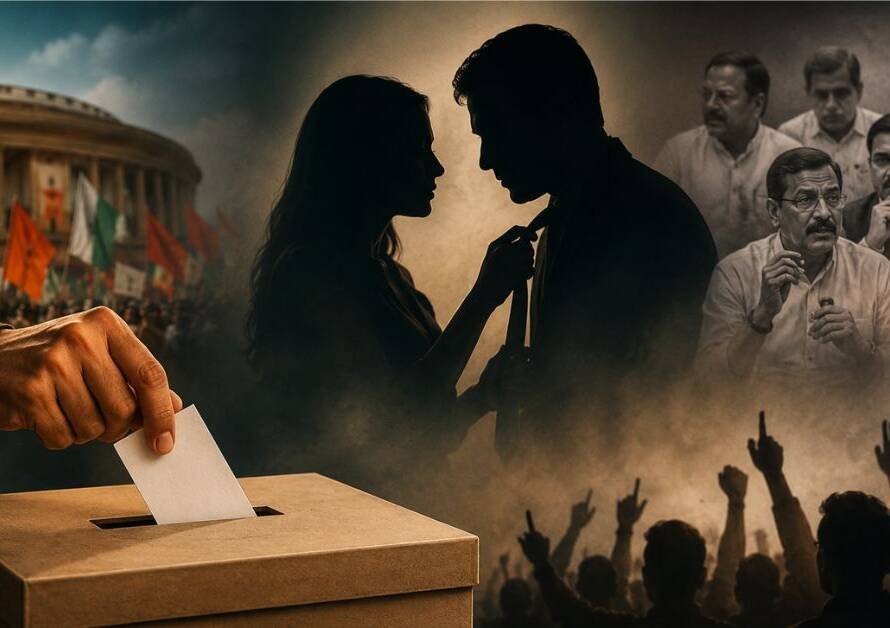
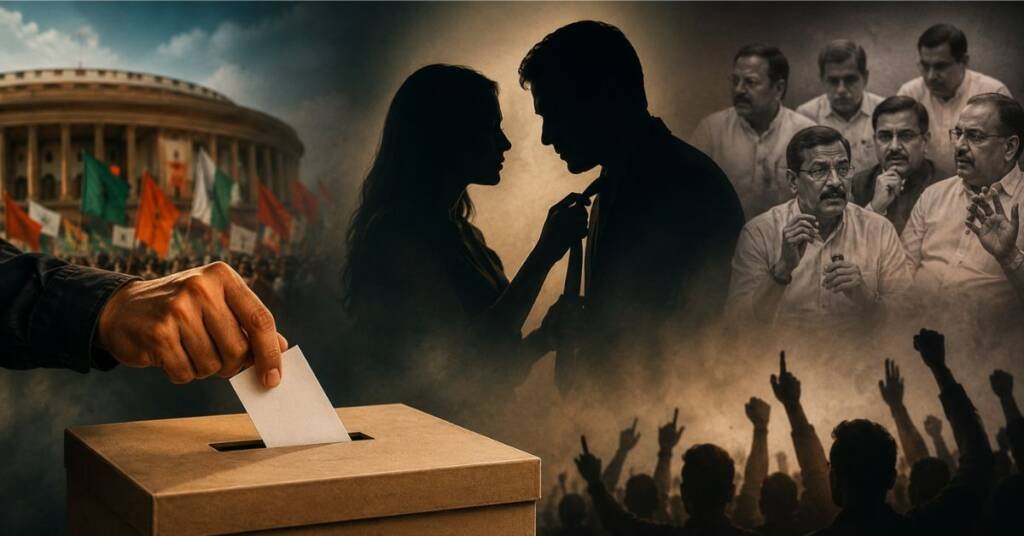
4. The “Honey-Trap” (Premature Triumph): The Destructive Cycle of Early Victory
The BJP’s most lethal weapon is granting its opponents a “Premature Triumph”—a false sense of early victory. When the opposition scores an unexpected victory in a minor bypoll, it falls into a self-destructive psychological trap. This cycle unfolds in three key stages:
- Ego Inflation & Laxity:
Instead of viewing a bypoll win as a localized result, opposition parties misinterpret it as a statewide or nationwide “wave” in their favor. They abandon the tedious groundwork of booth management, cadre building, and policy formulation, drowning instead in social media celebrations and media hype.
- Early Peaking:
In political campaigning, hitting your peak performance long before the main election is strategically fatal. When an opposition party starts celebrating 2 to 3 years early, it gives the ruling party ample time to analyze their operational style, funding sources, key spokespersons, and strategic vulnerabilities.
- Internal Opposition Fractures:
Emboldened by a bypoll win, a internal fight breaks out among opposition leaders over who will be the “Future Chief Minister/Prime Minister.” Rather than fighting the BJP, parties like the RJD and Prashant Kishor’s Jan Suraaj will clash directly with each other to protect their respective voter bases. The BJP simply steps back and enjoys the opposition’s self-destructive infighting.
5. The Main Election (The Final Battlefield): Opposition Trapped in the Net
When the 5-year term ends and the main general or assembly election arrives, the battlefield shifts entirely:
- The Opposition’s Downfall: Opposition coalitions enter the race burdened by the inflated ego of past bypoll wins, organizational decay, and internal contradictions. They failed to invest in grassroot booth management when it mattered.
- Activation of the BJP Machinery: On the other hand, the BJP deploys its entire organizational engine—its Panna Pramukhs (page in-charges), national development narratives, and top-tier leadership appeal.
- The Final Outcome: Overconfident, directionless, and divided among themselves, the opposition walks straight into a political slaughterhouse during the main election, facing a crushing defeat once again.
6. Key Strategic Takeaways
This complex game of political chess yields the following insights:
- Sacrificing Pawns: A political party that exhausts its energy merely protecting minor pawns possesses a short-sighted vision. A party willing to sacrifice small pieces to deliver a ultimate “Checkmate” on the main board is the one that governs for decades.
- Bypolls as Laboratories: For the BJP, bypolls are not just meant for expanding seats; they serve as laboratories to test new strategies and entice opponents into overestimating their own strength.
- Opposition Overconfidence is Their Downfall: Feeding an opponent a “Honey Trap” of early victory induces laxity and indiscipline. When the real war begins, that same overconfident rival enters the battlefield exhausted, fractured, and unprepared.
🇮🇳 Jai Bharat, Vandematram 🇮🇳
Read our previous blogs 👉 Click here
Join us on Arattai 👉 Click here
👉Join Our Channels👈