Summary:
- This comprehensive analytical piece deconstructs the recurring cycle in Indian political discourse where a series of artificially generated narratives—ranging from foreign conspiracy theories and economic fearmongering to tech-skepticism—are systematically exposed and dismantled by ground realities.
- The narrative details how, after the collapse of over a dozen such sponsored agendas, the opposition ecosystem repeatedly falls back on the discredited trope of ‘Vote Theft’ and EVM tampering to evade political accountability and obscure the transformative governance of the post-2014 era.
- In contemporary Indian political discourse, an uncanny and repetitive pattern has emerged over the last few years. A sensationalist narrative is engineered, amplified across social media platforms, and backed by international and domestic lobbies seeking to corner the government. However, the moment these manufactured claims encounter hard data, factual verification, and public scrutiny, the narrative collapses like a house of cards.
- Having seen a dozens-long list of such sponsored agendas fail one after another—as the Indian electorate repeatedly chooses performance, transparency, and national development—the opposition ecosystem inevitably falls back on its ultimate safety net: reviving the dead trope of “Vote Theft” and EVM tampering. Analyzing this political trajectory is vital for understanding the maturity of India’s democratic fabric today.
The Collapse of Political Narratives and the Return of Vote Theft Allegations
1. The Collapse of International Sensationalism and Foreign Agendas
To taint India’s global standing and question its national leadership on the world stage, various foreign-linked agendas were floated with immense fanfare, only to collapse rapidly under the weight of truth.
- The Failed ‘Epstein Files’ Agenda: Malicious attempts were made by certain fringe and foreign-linked elements to drag Indian leadership into the infamous Epstein document disclosures without a shred of evidence. When official documents were released and facts surfaced, the baseless nature of this campaign exposed the desperation behind it.
- The US Trade Deal Misinformation: A false narrative was circulated claiming that India was compromising its sovereign economic interests in trade negotiations with the United States. In reality, India demonstrated unyielding strategic autonomy, protecting its farmers, local industries, and national interests while building balanced global partnerships.
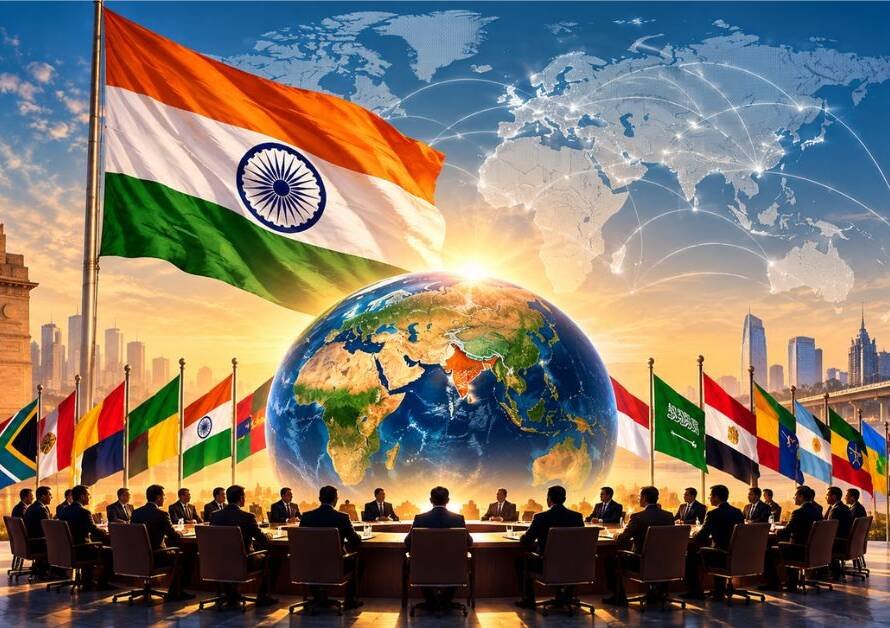
- Attempts to Disrupt India’s Stature at BRICS: Systemic propaganda was unleashed to project India as an obstacle within the BRICS framework and to weaken its leadership of the Global South. This agenda crumbled as India emerged as a pivotal economic bridge and a decisive voice for developing nations.
2. The Breakdown of Economic Fearmongering and Artificial Crises
Repeated attempts to stoke public anxiety and civil unrest by manufacturing artificial economic crises have consistently met with complete failure due to robust government policy execution.
- Fuel Price Propaganda: Despite severe global crude oil volatility, geopolitical conflicts, and supply chain disruptions, the government maintained fuel price stability across the country. This proactive management completely neutralized the opposition’s political weaponization of petrol and diesel prices.
- The LPG Shortage and Inflation Hoax: False alarms regarding acute LPG cylinder shortages and rampant price hikes were repeatedly sounded to panic households. The sheer scale and seamless delivery under the Ujjwala Scheme, backed by transparent supply chains, thoroughly debunked this alarmism.
- The Sugar Prices and Ethanol Blending Myths: Misleading claims surrounding sugar production and the national Ethanol Blending program were thoroughly dismantled by record agricultural output, green energy statistics, and direct financial transfers to sugarcane farmers, eliminating corrupt middlemen.
3. Failed Attacks on Digital Infrastructure, Education, and National Institutions
Critical pillars of India’s technological and social modernization were repeatedly targeted in a bid to sow institutional distrust among citizens.
- Targeting the Integrity of UPI: India’s homegrown digital payment system, UPI, stands as a global gold standard. When campaigns were launched to question its technical security and adoption, the daily real-world usage by hundreds of millions of citizens—from street vendors to mega-corporations—rendered the negative narrative ridiculous.
- The Superficial ‘Fix the Schools’ Rhetoric: Political groups attempting to lecture on education reform found their rhetoric empty in the face of ground-level structural overhauls driven by the National Education Policy (NEP) and the establishment of state-of-the-art PM-SHRI schools.
- Fund Misappropriation Charges and Student Exploitation: Allegations surrounding campaign funding transparency were weaponized by those who had presided over decades of uncounted cash-based politics. Furthermore, cynical attempts to use student groups as human shields for political chaos were flatly rejected by the nation’s youth.
4. Reverting to the ‘Dead Snake’ of Vote Theft and EVM Whining
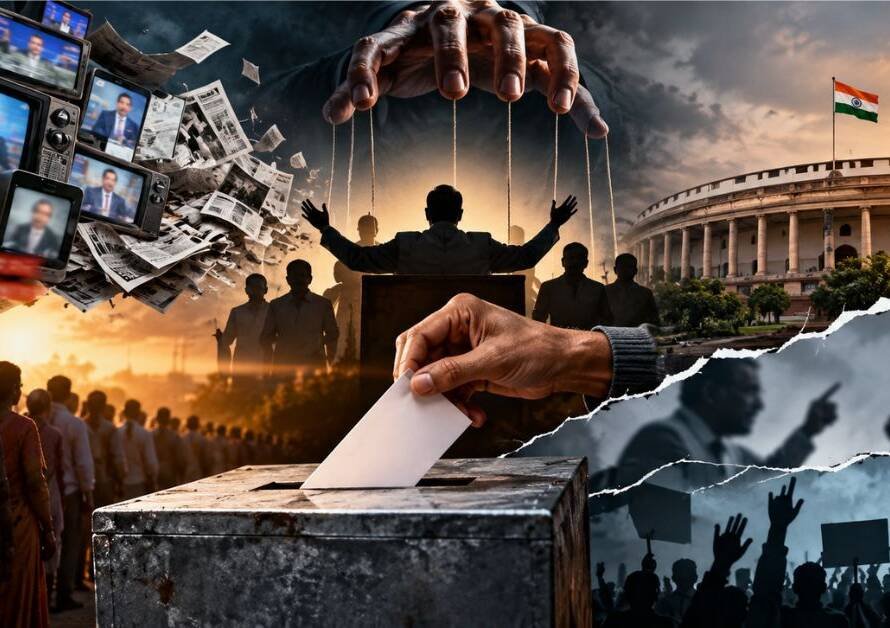
When every single policy attack, economic scare, and manufactured scandal collapsed, the frustrated opposition ecosystem reached into its depleted toolkit and pulled out its oldest, most tired excuse—“Vote Theft” and EVM tampering.
- Attacking Democratic Institutions Out of Desperation: Questioning the credibility of the Election Commission of India and casting doubts on Electronic Voting Machines (EVMs) is the ultimate coping mechanism for parties unable to accept electoral defeat. Whenever the public rejects their negative agendas, they respond by attacking the democratic process itself.
- The Maturity of the Indian Electorate: Modern Indian voters evaluate political parties based on tangible governance outcomes—infrastructure, digital access, direct benefit transfers, national security, and economic stability. Bemoaning ‘vote theft’ after failing to offer a constructive vision only highlights political and ideological bankruptcy.
Conclusion: Positive Governance Over Manufactured Toolkits
- Democracy thrives on public trust, transparent governance, and constructive opposition, not on manufactured toolkits and recycled excuses.
- The progression from the Epstein files hoax to UPI skepticism, and ultimately to the ‘vote theft’ drama, illustrates a clear reality: without a positive vision for nation-building, every sponsored agenda will crumble.
- The citizens of India stand firmly with development, transparency, and self-reliance, and ignoring this reality remains the opposition’s greatest failure.
🇮🇳Jai Bharat, Vandematram 🇮🇳
Read our previous blogs 👉 Click here
Join us on Arattai 👉 Click here
👉Join Our Channels👈