Summary:
- In the evolving geopolitical landscape of the 21st century, traditional Western hegemony, selective morality, and the double standards of international law are facing direct challenges.
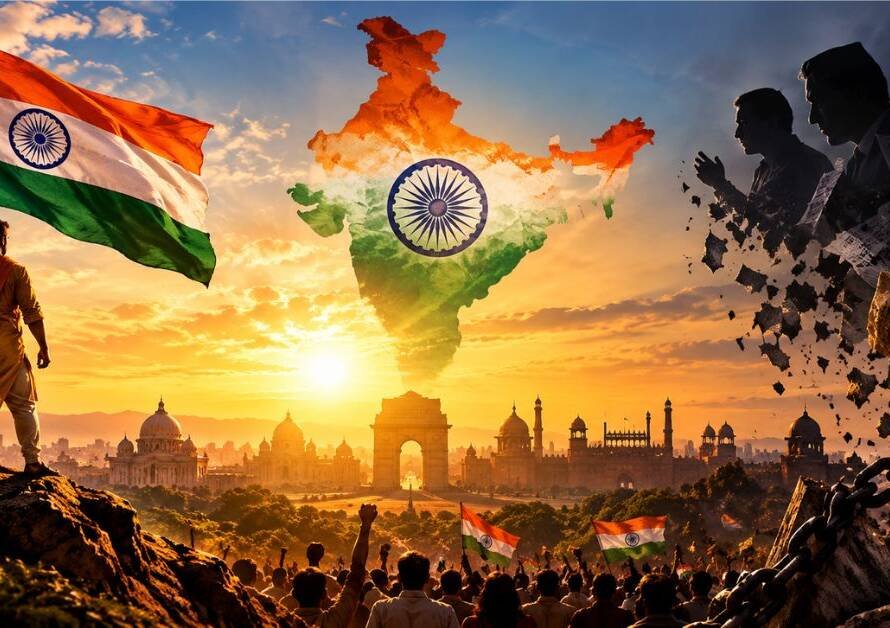
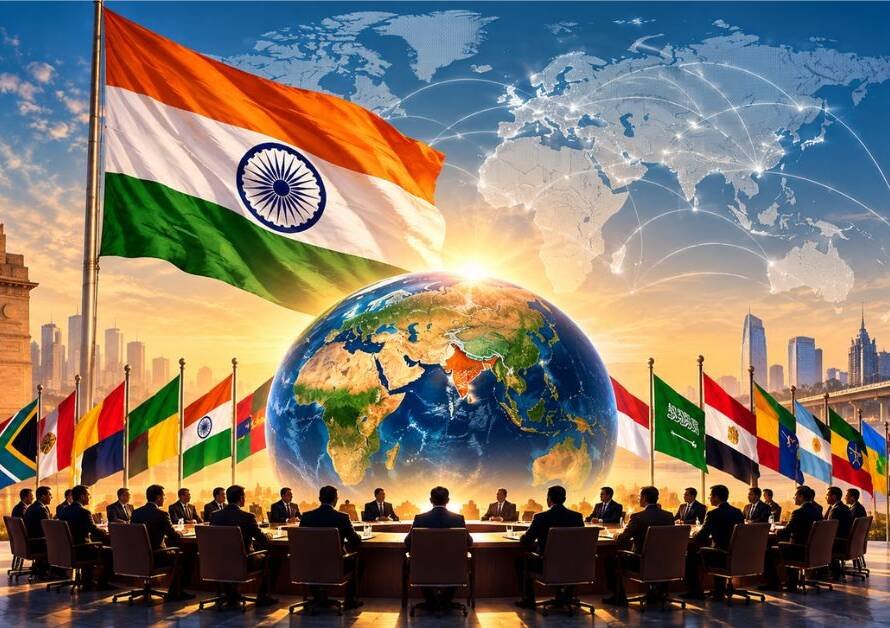
- At the high-level international forum held in Delhi, India presented a bold and explicit vision for global governance—completely rejecting Western narratives on terrorism, sovereignty, and the multipolar world order.
- This comprehensive narrative offers an in-depth strategic and ideological analysis of the hypocrisy embedded in diplomatic vocabulary, India’s emergence as the voice of the ‘Global South’, the threats posed by hybrid information warfare, and the imperative need for an enlightened citizenry.
Global South Leadership and India’s Rising Role in Global Diplomacy
1. The Collapse of Legacy Diplomatic Frameworks
International structures established after World War II operated for decades on a rigid colonial mindset and an asymmetrical balance of power. The primary objective of these forums was to safeguard the interests of Western powers while imposing their policies onto developing nations.
- Exposing Pseudo-Global Principles:
- Slogans such as the “Rules-Based International Order” and “Global Peace” invoked at international conferences have routinely been weaponized merely to serve narrow strategic interests.
- The very superpowers preaching peace are the ones controlling global arms supply chains and engaging in military interventions across sovereign states for political leverage.
- The Historic Significance of the Delhi Forum:
- Top representatives from conflicting geopolitical axes—including Russia, China, Iran, the United States, European nations, and emerging economies—were convened around a single table in Delhi.
- India shattered the comfortable pretense of conventional diplomacy with a direct strike: as long as transparency and uniform standards are absent from global decision-making, talks of world peace remain nothing more than an illusion.
2. Analyzing the Diplomatic Dictionary of Double Standards
The single greatest diplomatic victory of the West and powerful nations has been their long-standing monopoly over the vocabulary of international discourse. India laid bare this linguistic and ideological hypocrisy before the entire world.
- Convenient Definitions of Security and Aggression:
- In international politics, identical actions are given vastly different labels based purely on who performs them:
- Military intervention by Western nations: “Strategic Necessity” or “Humanitarian Intervention”
- Counter-actions by non-Western nations: “Violation of International Law” or “Regional Aggression”
- Economic blockades by powerful blocs: “Targeted Sanctions for Human Rights Protection”
- Trade decisions by developing nations: “Economic Coercion” or “Non-cooperation”
- In international politics, identical actions are given vastly different labels based purely on who performs them:
- Ending the ‘Diplomatic Utility’ of Terrorism:
- The attitude of global powers toward terrorism has consistently been hypocritical. As long as a terrorist group causes devastation in a third country, it is conveniently branded as “freedom fighters” or the “voice of regional resistance.”
- However, the moment those same elements target their own interests, they are instantly reclassified as a “global threat.”
- India firmly asserted that terrorism is strictly terrorism; it carries no passport, no legitimizing ideology, and no diplomatic utility.
3. India’s Ascent: From ‘Rule Taker’ to ‘Rule Maker’
In recent years, India’s foreign policy has discarded the defensive mindset of legacy non-alignment to fearlessly embrace the path of ‘Strategic Autonomy’ and ‘Multi-Alignment.’
- Nation First: Beyond Bloc Politics:
- Today’s India does not make foreign policy decisions under pressure from any global superpower.
- Simultaneously maintaining energy security partnerships with Russia, technological alliances with the United States, commercial linkages with Iran, and strategic ties with Europe stands as a testament to India’s sovereign strength.
- Genuine Leadership of the Global South:
- Developing countries across Asia, Africa, and Latin America have long suffered the fallout of Western economic sanctions, food insecurity, and energy imbalances.
- Emerging as a shield and an assertive voice for these nations, India has demanded that developing countries no longer remain passive ‘Rule Takers’ obeying external mandates, but equal ‘Rule Makers’ in shaping new global frameworks.
4. Information Warfare and Its Interconnection with Domestic Politics
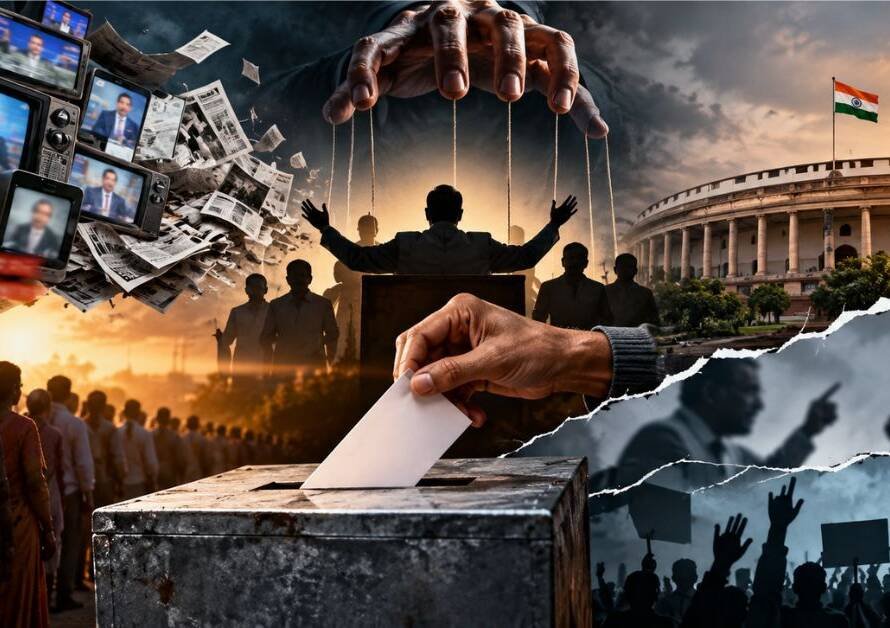
Unsettled by India’s expanding global stature and decisive influence, adversarial international networks and domestic interest groups consistently resort to hybrid warfare and manufactured narratives to destabilize internal cohesion.
- Manufactured Narratives and Internal Subversion:
- As India assumes a decision-making role on the global stage, foreign-funded ecosystems and their domestic allies attempt to foster internal discontent.
- Framing national security measures as a “threat to democracy,” downplaying international achievements, and sowing social division are deliberate components of this calculated strategy.
- The Imperative of an Alert Citizenry:
- India’s strength on foreign platforms can only endure if its domestic social fabric remains resilient.
- Citizens must recognize how the anti-national ecosystem leverages internal vulnerabilities to tarnish India’s image on the global stage.
5. Conclusion: Toward a Just and Multipolar World Order
- The resounding message delivered from the Delhi diplomatic stage makes it clear that India will no longer converse with the world on external terms, but strictly on its own.
- By rejecting double standards and fusing the eternal ethos of Vasudhaiva Kutumbakam with resolute strategy, India has laid the foundation for a new world order—where arrogant displays of power give way to equal justice, mutual respect for sovereignty, and genuine global peace.
🇮🇳Jai Bharat, Vandematram 🇮🇳
Read our previous blogs 👉 Click here
Join us on Arattai 👉 Click here
👉Join Our Channels👈