Executive Summary
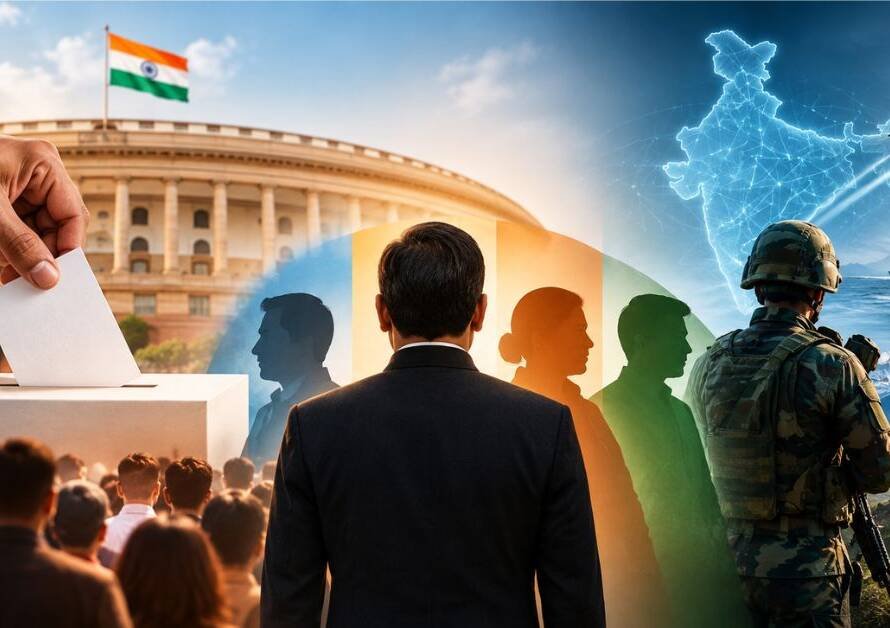
- This comprehensive analysis outlines the shifting paradigms of Indian democracy, comparing the constructive opposition of the pre-2014 era with the negative narratives driving today’s political ecosystem.
- It exposes a coordinated pattern where genuine administrative anomalies, such as the recent NEET controversy and the UGC crisis, are hijacked by a desperate opposition to engineer street-level anarchy.
- The analysis details how these tactics aim to bypass democratic mandates, instigate the youth, and dismantle twelve years of transparent, development-centric governance to restore a regime of systemic corruption.
- Finally, it highlights the intellectual maturity of modern Indian youth, who refuse to be manipulated as political pawns.
What Is the Politics of Negative Narratives?
1. A Historical Paradox: The 2014 Milestone
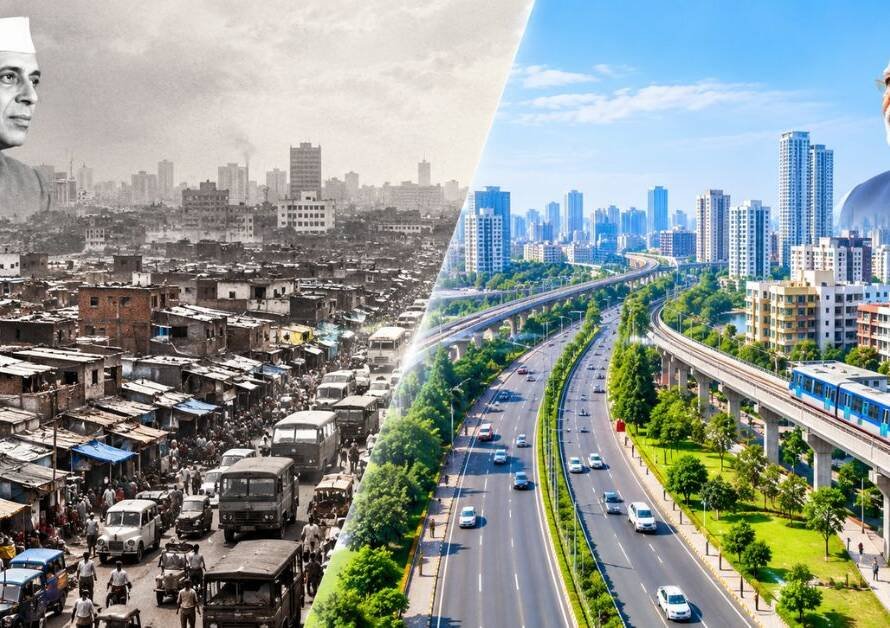
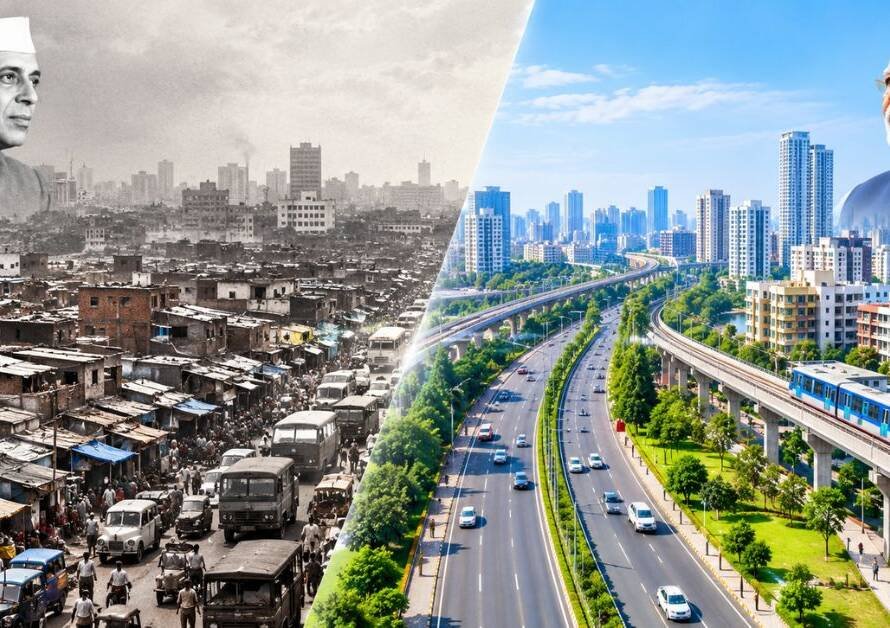
A comparison of two distinct eras in Indian politics reveals a deep paradox that questions the very health of our democracy.
- The Pre-2014 Era: This period can be defined as an era of a strong opposition and a weak, compelled government. At that time, the central government was often forced to make severe compromises on multiple fronts due to coalition politics and selfish interests. However, the defining feature of that era was a powerful and principled opposition. The opposition of that time never compromised on issues of corruption, internal security, or national interest. While their job was to corner the government, their ultimate goal remained the protection of the nation’s security and interests.
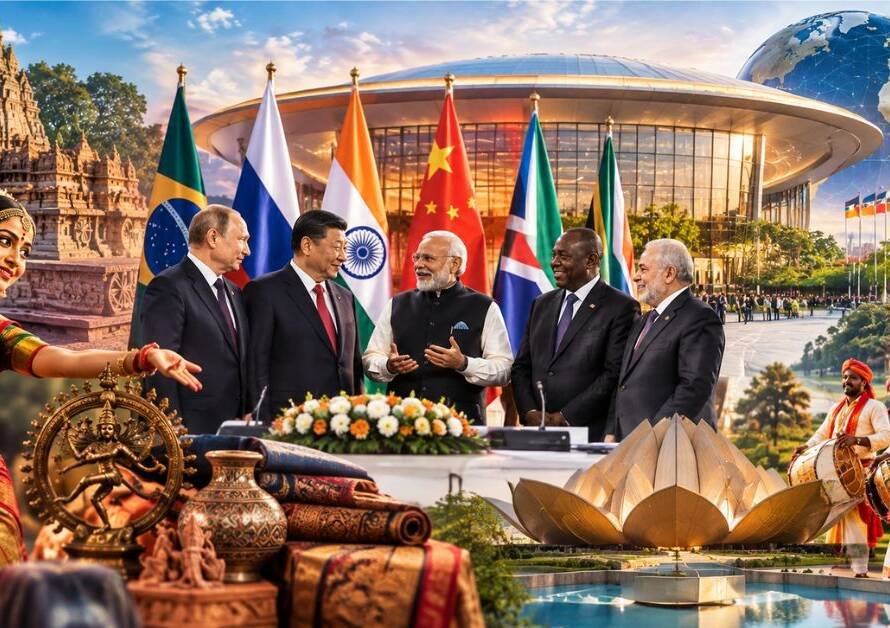
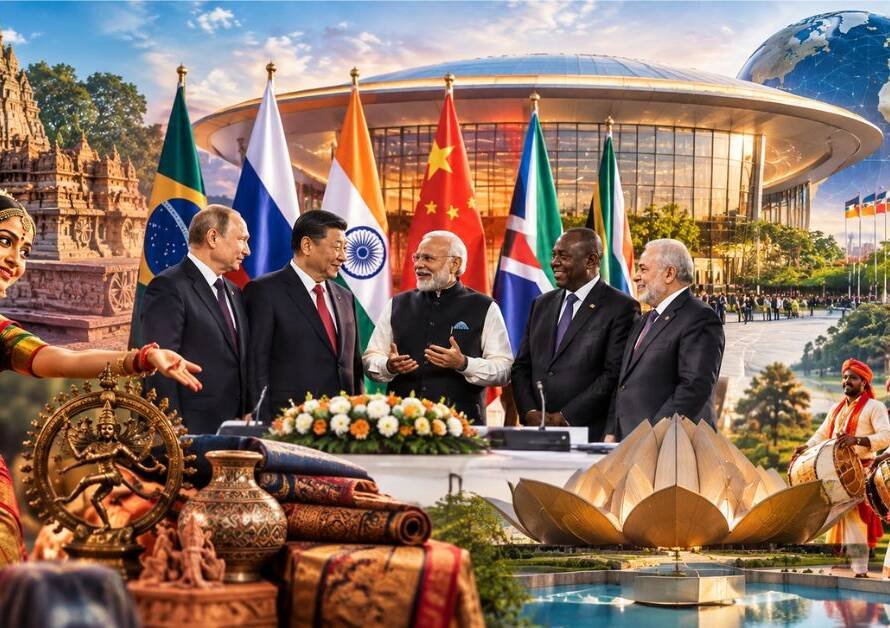
- The Post-2014 Era: This era features a strong government but a completely bewildered opposition. Post-2014 witnessed the rise of a full-majority government operating strictly on the principle of ‘Nation First’. India’s stature on the international stage has grown rapidly, and the capacity to take tough decisions in the nation’s interest has strengthened.
- Yet, today’s opposition suffers from a strange irony. In its blind hatred toward the government, it has lost the ability to distinguish between national interest and political rivalry. Instead of being constructive, today’s opposition has become a hub of negativity, aiming solely to spread confusion among the public to grab power.
2. The Politics of ‘Dynasty’ and ‘Self-Interest’
In today’s political discourse, it is evident that the opposition’s unity is not based on any shared ideology or an alternative development model, but rather on protecting personal and political self-interests.
- Protecting Dynastic Interests: For many political parties, politics is no longer about public service but a family legacy. When this legacy feels threatened by transparent and clean governance, they attempt to turn the entire national atmosphere negative to save their dynasty.
- Selfish Coalitions: The coming together of parties with vastly different ideologies solely for an ‘anti-Modi’ agenda demonstrates that they are more concerned about their political survival than the country’s future.
- Concealing Corruption: It is frequently observed that whenever strict action is taken against institutional corruption, it is immediately labeled as the ‘death of democracy’ to mislead the public and shield illicit wealth.
3. Weapons of Negative Narratives: Misusing the Digital Age
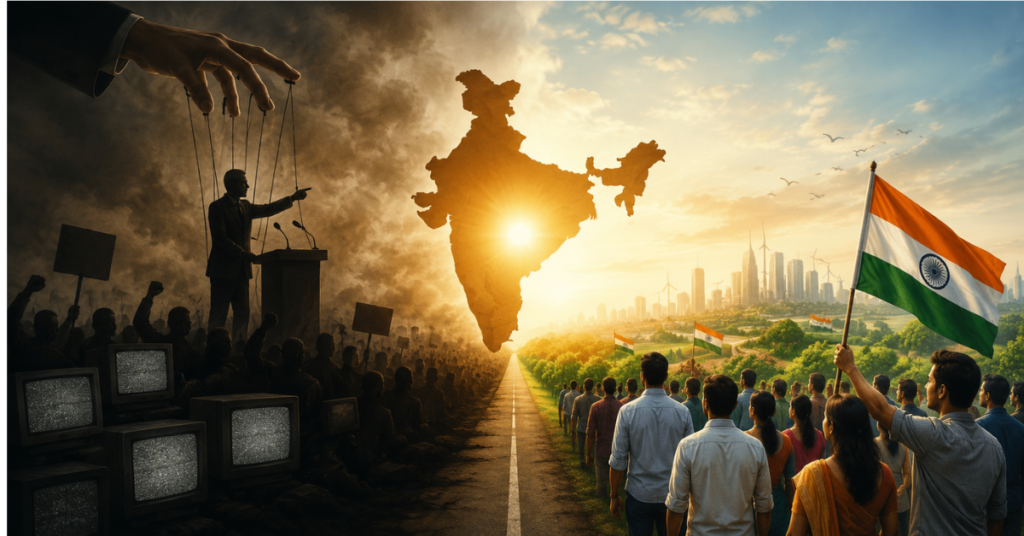
Today’s political battles are fought more on smartphone screens than on the ground, where falsehood has been made the primary weapon to distort public perception.
- Fake News and Edited Videos: Opposition sympathizers and specific IT cells heavily distort government statements to send wrong messages to the public. Showing selective and out-of-context snippets instead of the complete truth has become a staple of their daily strategy.
- The Politics of Fear: Spreading radical narratives like “rights will be snatched away” or “the constitution will be destroyed” regarding public welfare schemes is a deliberately malicious attempt to frighten vulnerable and innocent communities.
- International Conspiracies: Using foreign platforms and biased international media to demean one’s own government is a dangerous trend. This is a calculated attempt to malign India’s internal politics and economic progress at the international level.
4. National Interest vs. Political Opposition
Healthy criticism is welcome in a democracy, but politics fueled by hatred and anti-national sentiments is fatal to the social fabric.
- Mourning Success: When India plants its flag in space, successfully hosts global events like the G-20, or becomes the world’s fifth-largest economy, the opposition looks for flaws in those achievements instead of celebrating national pride.
- Questioning the Armed Forces: Whether it is a surgical strike or border tensions—questioning the valor of the country’s armed forces or demanding proof from them goes against the basic standards of healthy patriotism.
- Obstructing Development: Deliberately sponsoring agitations against critical infrastructure projects, merely so that the government does not get credit, is a direct attempt to halt the country’s progress.
5. Engineering Chaos: The Weaponization of Student Discontent
Failing to counter the government on macroeconomic performance, foreign policy, or infrastructure development, the opposition and its allied anti-national ecosystem have adopted a more dangerous strategy: targeting the education sector through organized agitations.
- Exploiting Vulnerabilities: Administrative or institutional challenges, such as the recent NEET controversy and the UGC crisis, are instantly hijacked by a coordinated network. Instead of seeking structural reforms, this ecosystem works to convert student anxiety into absolute panic.
- Anarchy on the Streets: The core objective of this ecosystem is not to find solutions for the students, but to instigate the country’s youth to hit the streets. By creating large-scale protests and public unrest, they attempt to manufacture an artificial crisis to destabilize a democratically elected government.
- The Agitation-Identity Cycle: Certain political parties born out of street movements, rather than policy-driven governance, lack institutional vision. Whenever they hit a political low or face corruption probes, their default instinct is to exploit an agitation to plunder the nation again—a feat they have been completely unable to pull off during 12 years of transparent governance.
6. The Intellectual Maturity of Indian Youth
The greatest misconception of this anti-national ecosystem is that they view Indian youth as naive. The opposition operates on an outdated template, believing that the younger generation can be easily misled through emotional engineering and provocative content.
- A Discerning Generation: The youth born around or after the mid-2000s have grown up in an aspirational, self-reliant India. They are highly educated, tech-savvy, and fully capable of distinguishing between genuine administrative flaws and politically motivated propaganda.
- Rejecting Radicalization: Unlike the volatile political climates of certain neighboring nations, India’s youth understand that public unrest, riots, and lawlessness directly destroy their own economic future, investments, and employment opportunities. They refuse to be part of any imported ‘regime change’ toolkit.
- Demanding Accountability, Not Anarchy: While the youth hold the government to high standards regarding exam sanctity and institutional transparency, their demand is for administrative accountability, not the overthrow of the state.
- They stand firmly with the nation’s progress, leaving the opposition’s digital armies isolated in their own echo chambers. Indian youth are not foolish; they know what is good and bad for the country, and they can no longer be hoodwinked.
7. Policy Imperatives: The Need for Administrative Precision
While the opposition’s political narratives are bound to fail, the underlying institutional challenges demand absolute seriousness and proactive resolution from the central government.
- The Danger of Complacency: High approval ratings must not breed institutional complacency. Recurring friction within ministries handling national education and examinations points to a critical vulnerability that the government must fix immediately with an iron hand.
- Lessons from History: The historical collapse of past governments often began with unresolved anomalies within specific ministries, which later became symbols of systemic failure. The government must act decisively to clean up examination systems, punish guilty officials, and restore institutional sanctity.
- Neutralizing the Threat: By preemptively fixing administrative loopholes and maintaining a transparent dialogue with the student community, the government can instantly choke the oxygen that the anti-national ecosystem relies on to sustain its negative narratives.
Nation First, Politics Later
- Today’s anti-Modi politics has proven that the opposition possesses no concrete or constructive agenda. In the process of opposing the government, they have ended up opposing India’s progress.
- A strong opposition is vital for democracy, but that strength must not come at the cost of weakening the nation or destabilizing institutions for dynastic and selfish interests.
- The time has come for the public to recognize these negative narratives and support only those who work with the spirit of ‘Nation First’. Clean politics is indispensable for the national interest.
🚩Jai Bharat, Vandemataram 🚩
Read our previous blogs 👉 Click here
Join us on Arattai 👉 Click here
👉Join Our Channels👈