Summary:
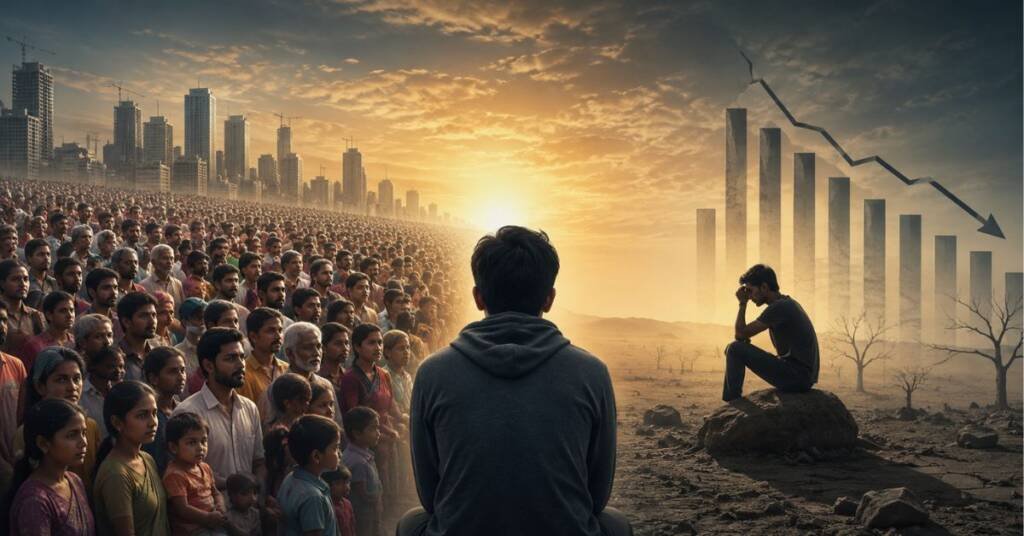
This comprehensive narrative addresses the self-destructive trend of declining birth rates, delayed marriages, and rising singlehood among the majority community under the guise of modernity. It contrasts this with the aggressive demographic strategies of certain groups using polygamy and high birth rates to alter the population balance. The piece details how this shifting demographic burdens state welfare resources and subsidies while paving the way for political control. Recalling the tragic 1947 Lahore massacre, the post serves as a warning: failing to learn from history and strengthen traditional family structures threatens the very survival of the civilization.
Is History on the Verge of Repeating Itself?
I. The Self-Destructive Model of Pseudo-Modernity: Singlehood, the Illusion of ‘Career’, and Biological Toll
The majority community’s embrace of ‘progressiveness’, ‘careerism’, and ‘personal liberty’ is effectively severing its own cultural and biological roots. The robust marriage and family system that sustained Sanatana culture through millennia of adversity is being sacrificed for modern convenience.
- Distance from Marriage and the Career Illusion: Postponing marriage past the natural, optimal age window of 21–25 has become a modern trend. The insistence on “setting up a career first” often turns into a medical and social crisis by age 30–35.
- Biological Consequences and Fertility Decline: Delaying marriage past age 30 has led to a surge in hormonal imbalances, PCOD, depression, low testosterone, and infertility. Ignoring the natural biological clock has resulted in mounting medical reports and a booming multi-billion-dollar IVF industry.
- The TFR Collapse: The Total Fertility Rate (TFR) within the majority community has dropped well below the replacement level (2.1) to around 1.6–1.8. In urban centers, the “one child or none” mindset is pushing the majority population into a steep demographic winter.
- The Isolation Economy: As families fracture, the mental health and therapy industry flourishes. Consumerist forces encourage hyper-individualism because a single individual consumes significantly more market goods and services than a joint family unit. This perceived freedom ultimately produces an isolated and emotionally detached society.
II. Demographic Shift and Resource Exploitation
While the majority community voluntarily downsizes its population, structured and rapid demographic shifts continue to alter the social fabric.
- Unrestricted Birth Rates: High fertility rates and multiple marriages within specific demographics rapidly shift population balances. Beyond socio-economic factors, this sustained population growth functions as an effective long-term demographic mechanism.
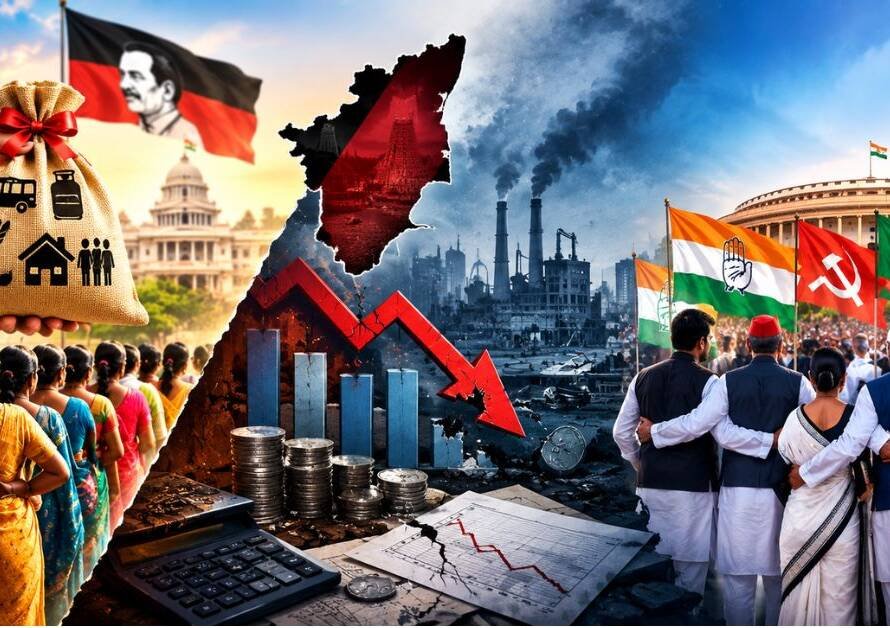
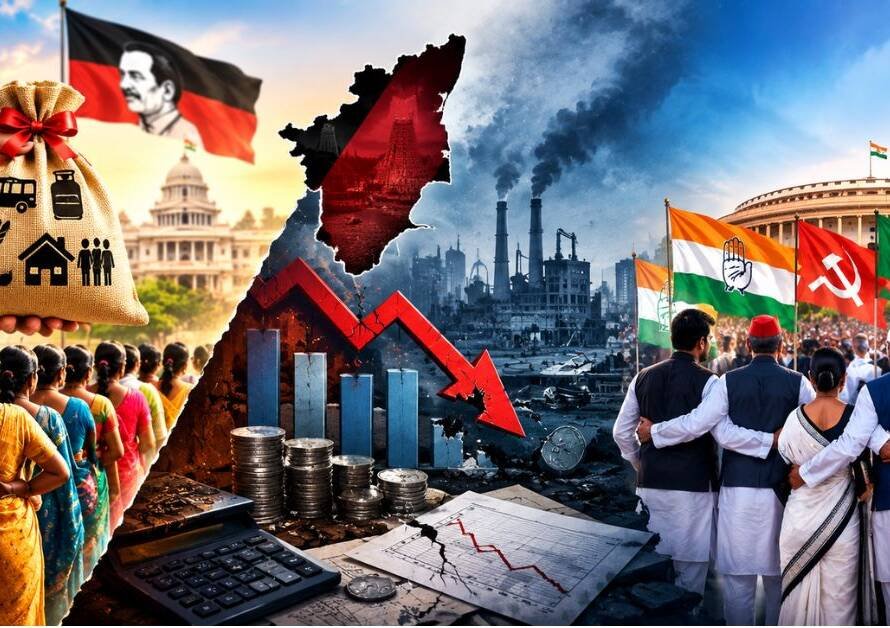
- Strain on Social Resources: Rapidly growing households often rely heavily on state welfare budgets, free rations, healthcare, and taxpayer-funded subsidies. This dynamic places a heavy burden on the nation’s financial and natural resources.
- The Dual Burden on Taxpayers: Working professionals pay significant taxes while raising smaller families, yet their tax contributions disproportionately fund social welfare systems supporting rapid demographic growth that reshapes the social landscape.
- The Need for Uniform Policy: Without a Uniform Civil Code (UCC) and standardized population policies applicable to all citizens equally, unchecked demographic expansion will continue to reshape civil rights and political representation.
III. August 15, 1947, Lahore: Do Not Forget the Lessons of History
Shifting demographic balances are not merely numbers on a census sheet; they directly influence political stability, societal security, and civilizational survival. History shows that whenever demographic majorities shift drastically, the cultural fabric of the original populace faces erasure.
- The Historical Truth of August 15, 1947: During Partition, while the nation celebrated independence, Lahore, Karachi, Rawalpindi, and undivided Punjab witnessed widespread violence against minority populations. Countless lives were lost, families were displaced, and ancestral homelands were abandoned overnight. Lahore, once a thriving center of Hindu trade and culture, lost its minority population almost immediately.
- The Culmination of Demographic Shifts: The tragic events in Lahore were the ultimate outcome of long-term demographic shifts. As long as the community maintained numerical strength, stability prevailed; once the demographic balance tipped, safety collapsed.
- Political Control and Democratic Realities: In any democratic system, numbers determine political outcomes. If the majority population declines significantly in proportion, the shift in political power will permanently alter the governance and cultural identity of the nation.
IV. India 2047: A Nation of Youth or an Aging Wilderness?
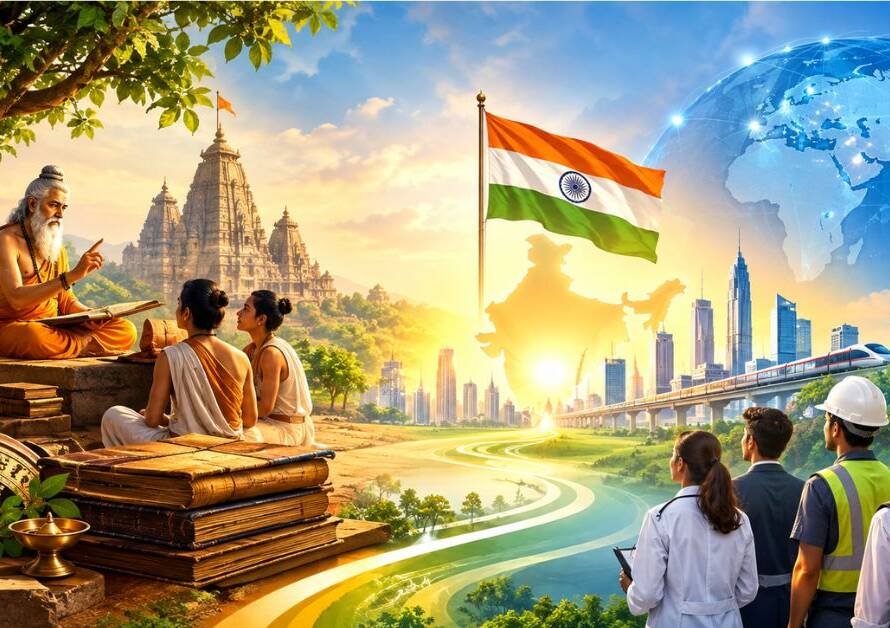
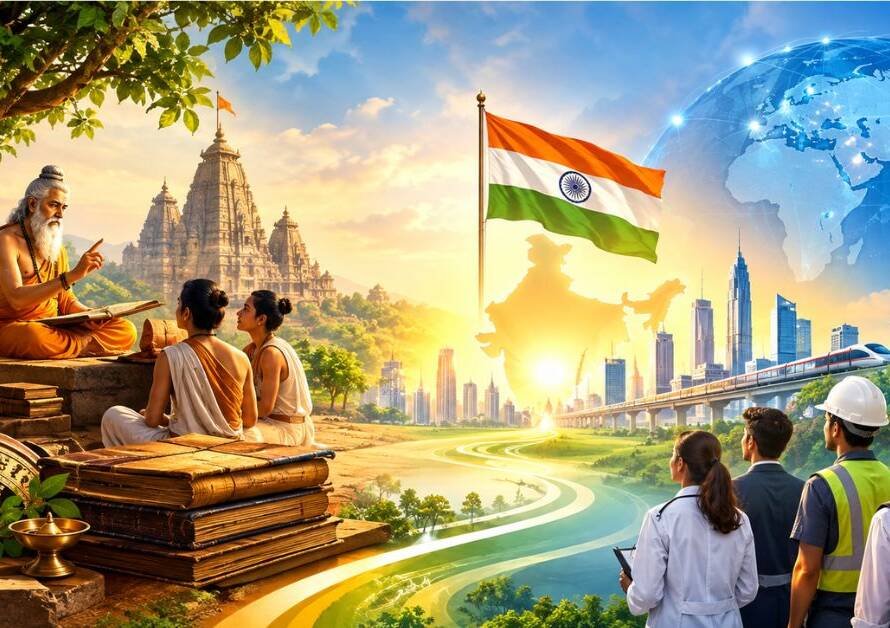
If current demographic trends persist, India’s demographic dividend—currently its greatest global advantage—risks turning into a severe social liability.
- Declining Youth Population: Although India is currently celebrated as a young nation, the majority community’s youth workforce will contract sharply over the next two decades, impacting long-term economic growth.
- An Aging Society by 2047: Projections suggest that as India approaches its centenary of independence in 2047, a large portion of the majority population will be elderly, with a shrinking young generation to support the economy or defend the borders.
- The Silence of Intellectuals: Many modern commentators remain silent on these demographic challenges to avoid being labeled conservative or regressive. However, failing to encourage timely marriages and stable family units will leave future generations in an increasingly isolated and fragile society.
The Final Call to Awaken
History operates on a firm rule: societies that ignore the warnings, tragedies, and lessons of their past are bound to see history repeat itself until they themselves become history.
Final Message:
- To keep India culturally, socially, and politically secure by 2047, the majority community must reassess its priorities.
- Sacrificing family building and marriage for prolonged individualism weakens the social foundation.
- Re-establishing strong family units between the ages of 21 and 25 remains a vital pillar for social stability. Addressing demographic imbalances and the rise of singlehood is essential to safeguarding the future of the nation.
🇮🇳Jai Bharat, Vandematram 🇮🇳
Read our previous blogs 👉 Click here
Join us on Arattai 👉 Click here
👉Join Our Channels👈