Summary:
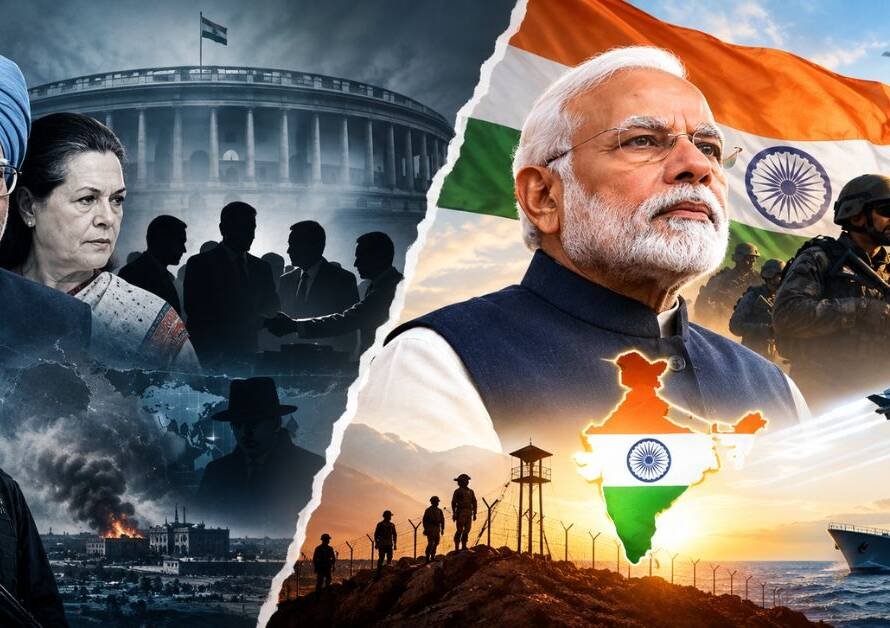
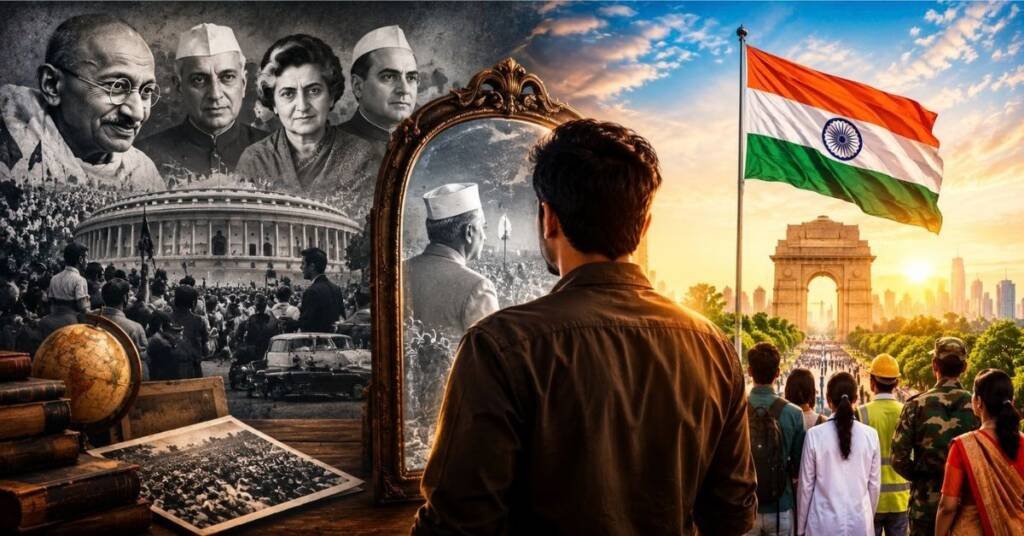
- This analysis contrasts the socio-political, security, economic, and infrastructural paralysis of pre-2014 India with the historical and structural resurgence post-2014.
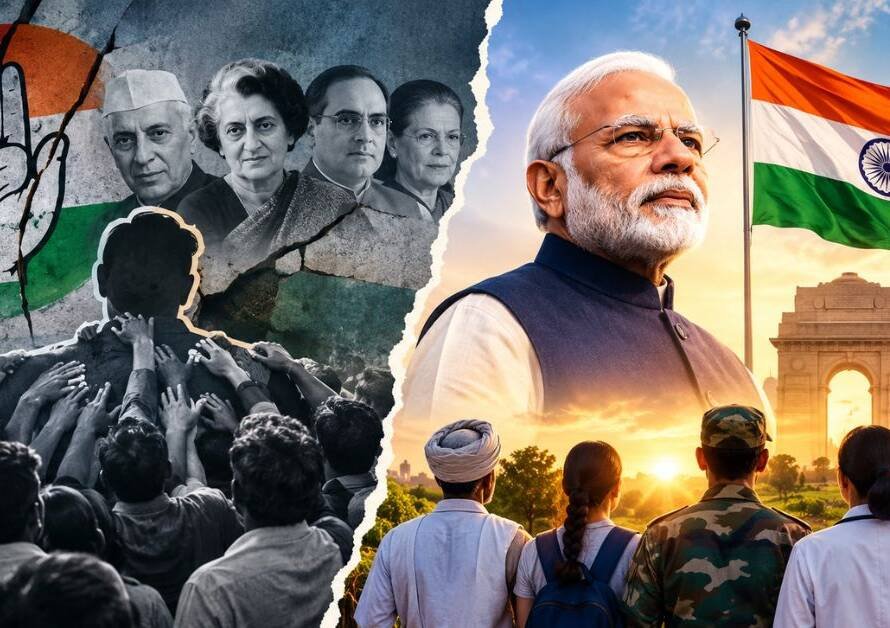
- It exposes the propaganda of former rulers and political dynasties who attempt to conceal their historical misdeeds, mega-scams, appeasement policies, and institutional failures while questioning the unprecedented progress of the last 12 years.
- This document highlights how strong leadership, digital transparency (Aadhaar, DBT, JAM), Atmanirbhar Bharat (Self-Reliant India), and a “Nation First” mindset are steering India away from the grip of middlemen and toward becoming a global superpower.
The Transformation of India
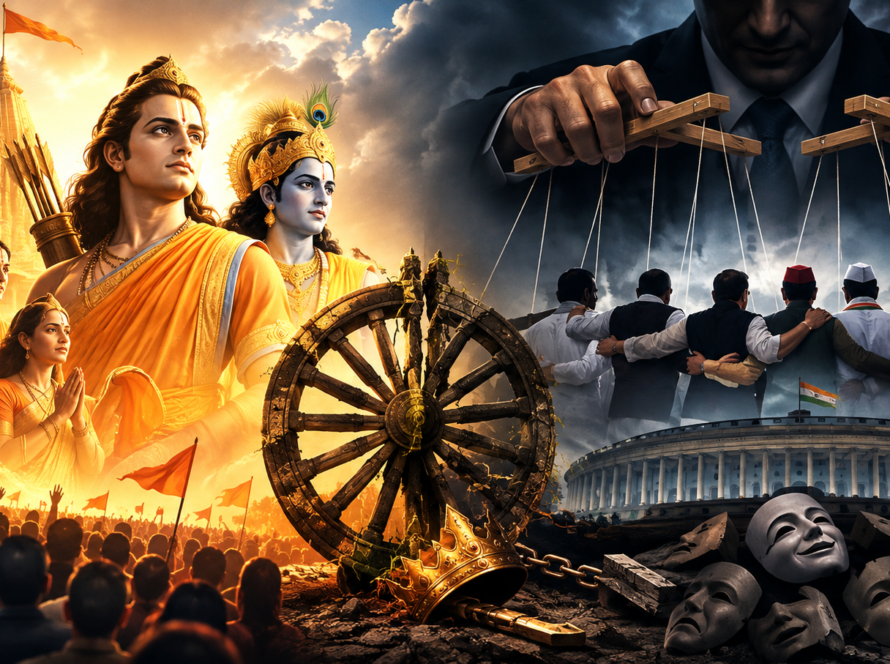
1. Ultimate Political Irony: Dynastic Rhetoric vs. Global Reality
- Dynastic Enrichment and Resource Plunder: For decades prior to 2014, instead of building national assets and durable public infrastructure, the country’s precious resources were systematically diverted to enrich political dynasties and entrench their patronage networks.
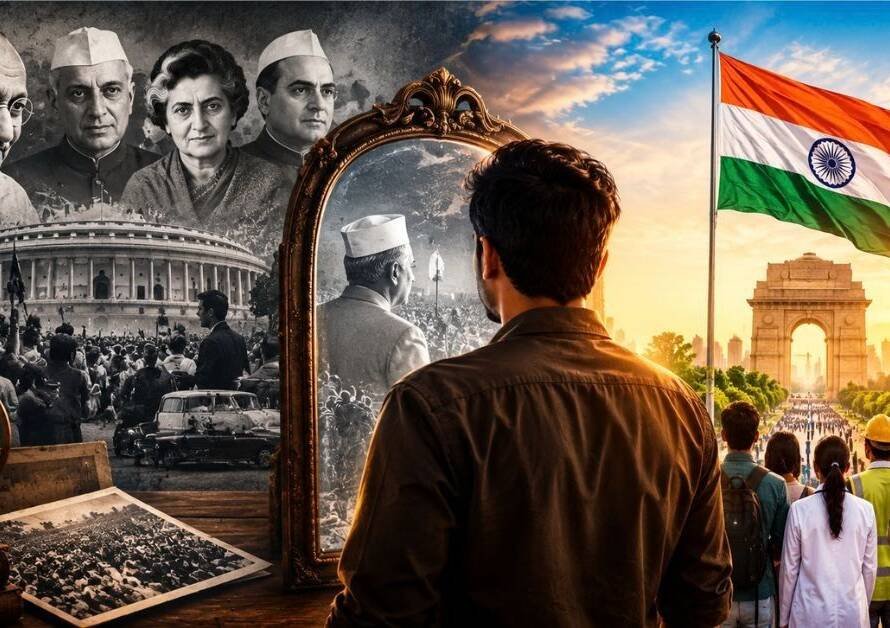
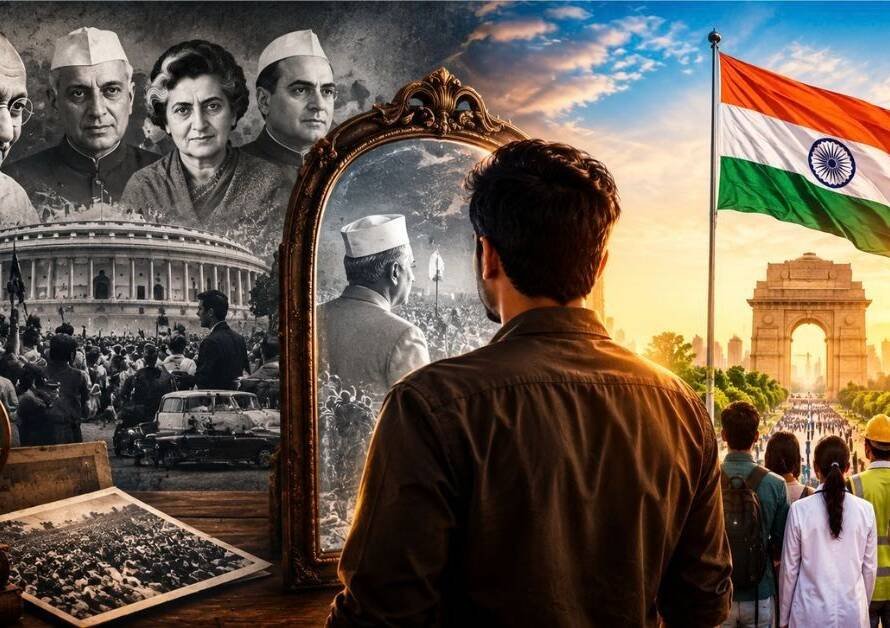
- False Lament Over 12 Years of Development: The very leaders and political families whose tenure saw the country suffer under economic stagnation, policy paralysis, and rampant corruption are today questioning progress and falsely projecting the pre-2014 era as better.
- Ground Realities vs. Opposition Propaganda: While the opposition attempts to rewrite history, the ground reality is that ordinary citizens today directly experience modern infrastructure, digital connectivity, Direct Benefit Transfer (DBT), and a secure environment.
- India’s Unprecedented Rise on the Global Stage: International financial institutions and global economists stand astonished by India’s record economic growth rate post-2014, establishing it as the world’s fastest-growing major economy.
- Journey from “Fragile Five” to Global Engine: Moving permanently out of the pre-2014 “Fragile Five” economies, India has emerged as a primary driver of global growth, innovation, and digital transformation.
2. Historical Repression, Appeasement, and State Failures
- Brutal Firing on Ram Devotees (1990): The violent police assault on unarmed and peaceful Kar Sevaks in Ayodhya remains a painful chapter of state-sponsored repression in modern Indian history.
- Authoritarian Emergency (1975–1977): The nationwide imposition of an authoritarian Emergency, during which fundamental civic rights were suspended, press freedom was crushed, and opposition leaders were jailed.
- 1984 Anti-Sikh Riots: The orchestrated violence and massacre targeting the Sikh community following the assassination of the former Prime Minister, leaving thousands innocent dead and victims waiting decades for basic justice.
- Tragic Displacement of Kashmiri Pandits (1990): The targeted killings and mass exodus of Kashmiri Pandits from the Kashmir Valley, rendering them internal refugees within their own homeland.
- Rampur Tiraha Firing (1994): The brutal police crackdown and severe human rights violations against peaceful activists demanding a separate Uttarakhand state.
- Frequent Urban Bombings: Recurring, unpunished terrorist attacks targeting major metropolitan centers, religious sites, and public markets across cities like Delhi, Mumbai, Jaipur, Ahmedabad, and Varanasi.
- Appeasement and Protection of Anti-National Elements: Soft handling of national security issues for vote-bank politics, political tears shed over terror encounters (such as Batla House), and respectful references used for global terrorists.
- Red Terror and Northeastern Insurgency: Unchecked expansion of Naxalism (LWE) causing heavy casualties among security forces, alongside decades of unresolved ethnic conflicts and violent blockades across the Northeast.
3. Administrative Paralysis, Institutional Corruption, and Mafia Raj
- Long Chain of Mega-Scams: A continuous cycle of massive scandals—including 2G Spectrum, Coal Block allocations, Commonwealth Games (CWG), and AgustaWestland—that drained the national exchequer.
- Culture of Cash-for-Jobs: Public sector recruitment riddled with bribery, nepotism, political patronage, and recurring paper leaks, plunging the future of youth into darkness.
- The Attestation Trap: Mandatory requirement to seek Gazetted Officers’ signatures just to attest basic personal and educational documents, fueling a culture of petty bribery.
- Misuse of Investigating Agencies: Heavy political interference in central investigating agencies, leading the Supreme Court to famously characterize the CBI as a “caged parrot.”
- Political Protection for Mafias: Organized criminals and mafia dons (such as Atiq Ahmed and Mukhtar Ansari) in North India enjoying explicit political protection and electoral influence.
- Communal Riots and Cultural Restrictions: Devastating communal violence, such as the 2013 Muzaffarnagar riots, alongside administrative restrictions placed on traditional religious and cultural processions of the majority community.
- Lack of Technological Surveillance: Absence of basic CCTV and modern surveillance infrastructure enabling rampant crime and organized auto-theft rings operating out of hubs like Sotiganj.
- Cattle Theft and Illegal Smuggling: Widespread cattle theft in rural belts, strengthening illegal slaughterhouses and organized interstate smuggling networks.
4. Infrastructural Deficits, Energy Crisis, and Public Discomfort
- Paralyzed Road Transport: Poor quality, lack of maintenance, and single-lane roads routinely causing a simple 250-kilometer highway journey to take 8 to 9 hours.
- Decaying and Unsafe Railways: Trains running hours late, catastrophic rail accidents, train robberies in remote zones, and unsanitary station facilities.
- Hours of Power Outages and Generator Dependency: Daily 10 to 12-hour load-shedding in rural and semi-urban areas, severely crippling businesses and everyday life.
- Obstacles in Communication: Long queues outside public STD/PCO booths, exorbitant call tariffs, and complete reliance on imported cellular hardware.
- Scarcity Economy: Years-long waiting lists and queues for basic necessities like LPG cylinders, landline phone connections, new SIM cards, and routine banking services.
5. Transparent India: Post-2014 Direct Strike on Corruption
- 1.5 Crore Fake Ration Cards Cancelled: Biometric linking eliminated 1.5 crore paper-based fake ration cards, saving food grains meant for the poor from the black market.
- Over 1 Crore Fake Gas Connections Closed: Through DBT and verification, over 1 crore fake LPG connections were terminated, ensuring subsidies reach real beneficiaries directly into their bank accounts.
- 10 Lakh Fake Beneficiaries Removed: In Maharashtra alone, biometric verification led to the removal of 10 lakh paper-only beneficiaries from the government system in a single year.
- 3 Lakh Shell Companies Closed: Padlocks were put on over 3 lakh bogus shell companies involved in laundering black money and tax evasion.
- Madrasa Scholarship Scam Uncovered: Loot of the public exchequer via nearly 1,95,000 paper-only fake students who never attended school was halted through digital tracking.
- Licenses of 40,000 Fake NGOs Cancelled: 40,000 fake non-governmental organizations running anti-national agendas and siphoning off government and foreign funds were shut down.
- Transparency via E-Tendering and RERA: Commission-seeking in government contracts was eliminated, real estate speculation using black money was checked, and transparent e-tendering was enforced.
- Tax Base Expansion and Strict Accountability: Automated GST systems brought 12 crore new individuals into the tax fold, while biometric attendance checked tardy and corrupt officials.
6. Defense Preparedness, Border Security, and India’s Diplomatic Dominance
- Modernization of Military Equipment: Border fencing was completed, and frontline soldiers were equipped with bulletproof jackets, modern helmets, and advanced ammunition.
- Active Deterrence Policy: By launching surgical and air strikes against cross-border terror launchpads, India signaled a decisive shift in its defense doctrine.
- Border Infrastructure Development: Record-speed construction of all-weather roads, bridges, and tunnels along the Line of Actual Control (LAC) and border zones.
- Defense Self-Reliance (Make in India Defense): Reducing dependency on foreign arms by accelerating indigenous defense production (such as INS Vikrant and Tejas) and boosting defense exports.
- End of the 1991 Economic Crisis Mindset: Transitioning from an economy that had to pledge gold reserves in 1991 to a nation backed by robust foreign exchange reserves today.
- Rapid Disaster Response: Departing from past delays during natural calamities (such as the 2013 Kedarnath tragedy), rapid and coordinated relief operations are now executed using modern technologies and dedicated forces.
7. Resolution of Patriots vs. Desperation of the ‘Thugbandhan’
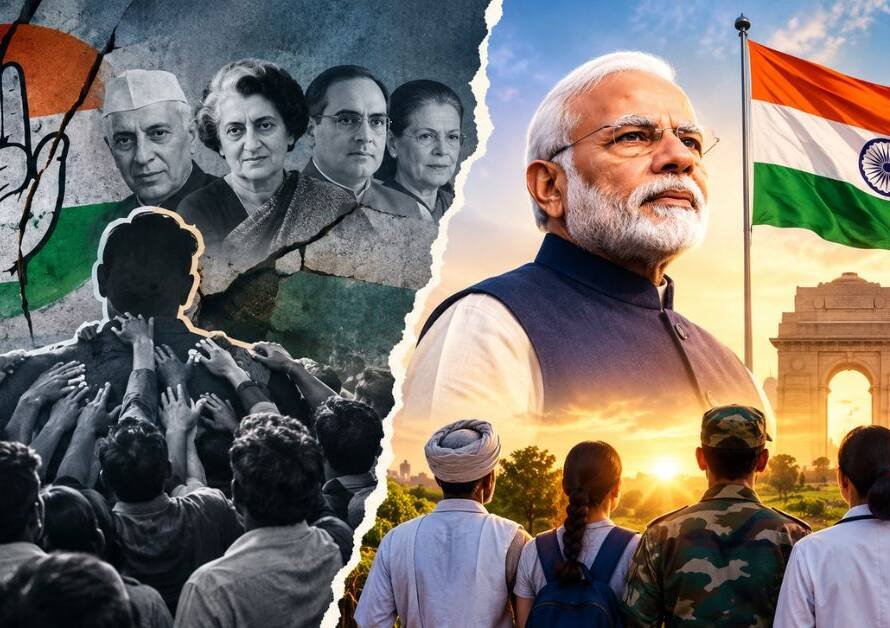
- ‘Nation First’ vs. ‘Thugbandhan’ Conflict: Today’s struggle is not merely between two political parties, but between the “Nation First” ideology strengthening the country and a desperate alliance (“Thugbandhan”) stooping to any level for power.
- Mindset of Labeling Patriots as “Andhbhakts”: Any citizen who supports the country’s development, the valor of the armed forces, and transparent governance is mockingly labeled an “Andhbhakt” by the Congress and its alliance partners.
- Minority Appeasement and Protection for Anti-Nationals: Desperate to regain power, Congress and its allies play appeasement politics and extend protection to forces seeking to divide the nation.
- Permanent Farewell to the Era of Scams and Loot: Patriotic citizens will never want the country to return to the dark era of 2G, coal scams, rule of middlemen, and terror attacks.
- Unshakable Faith in Modi Ji and the BJP: The citizens of the nation stand firmly with Prime Minister Narendra Modi to transform India into a global superpower.
- Door Closed to Power for Decades: An awakened and patriotic citizenry will not allow Congress and this alliance to taste power for decades to come.
8. The Way Forward: Shift from Passive Criticism to Active Citizenship
- Active Civic Duty: Citizens must move away from being passive armchair critics who merely point out flaws, actively collaborating with government initiatives and fulfilling civic duties.
- Unwavering National Commitment: Contributing to national development by supporting domestic industries (Vocal for Local), protecting public property, maintaining cleanliness, and enhancing economic productivity.
- Economic & Technological Autonomy: Expanding domestic manufacturing (Atmanirbhar Bharat) and boosting investment in future domains like AI, semiconductors, and green energy.
- Cultural Renaissance and Vision 2047: Taking pride in Bharat’s rich cultural heritage, maintaining unity, and committing to building a fully developed nation by 2047 (Viksit Bharat @2047).
🇮🇳 Jai Bharat, Vandematram 🇮🇳
Read our previous blogs 👉 Click here
Join us on Arattai 👉 Click here
👉Join Our Channels👈
Reads & Views: 92