Summary
- At the intersection of international relations and national politics, restraint in language, historical understanding, and the dignity of diplomatic protocol are paramount.
- In recent days, the criticism leveled by the main opposition leadership against Prime Minister Narendra Modi’s global visits, the derogatory remarks made in the context of Italian Prime Minister Giorgia Meloni, and the attack on the foundational principles of India’s foreign policy have sparked a serious ideological debate.
- This article presents an in-depth analysis of the core principles of diplomacy, the importance of setting an encouraging environment (Diplomatic Personal Chemistry), the nuances of a ‘Tough Negotiator’ style, and the Nehru-Gandhi family’s own historical diplomatic conduct.
- It clarifies that there is a fine line between political opposition and ridiculing the country’s representation on international platforms—a line that, when crossed, ultimately raises questions about one’s own political legacy.
Diplomatic Dignity and Leadership Maturity: Lessons from the Truth of History
1. Introduction: The Importance of Dignity and Language in International Relations
Diplomacy is not limited merely to agreements signed behind closed doors between heads of state; it also depends heavily on how these leaders conduct themselves in public.
- Gender Sensitivity and the Dignity of Office: Making sarcastic or derogatory remarks on international platforms regarding any head of state—especially a female foreign prime minister—is not just political levity; it inadvertently displays a misogynistic mindset.
- Political Opposition vs. National Interest: Sharp accusations and counter-accusations are part of a democratic setup in domestic politics. However, when this politics begins to mock global diplomacy, India’s international image, and the formal protocol of bilateral relations, it damages the nation’s global standing.
- India as a Center of Global Attention: Today, India is viewed as a decisive power on global platforms (such as the G20, G7 partner outreach, and the Quad). Under these circumstances, ridiculing every diplomatic move of the Indian leadership raises serious questions about the opposition’s grasp of international affairs.
2. The Diplomatic Process: From ‘Personal Chemistry’ to ‘Table Negotiation’
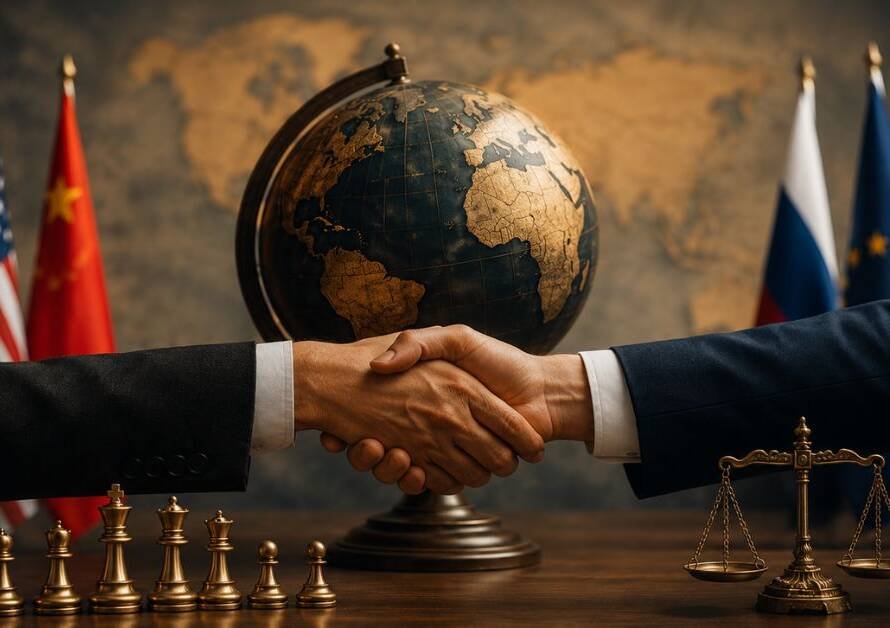
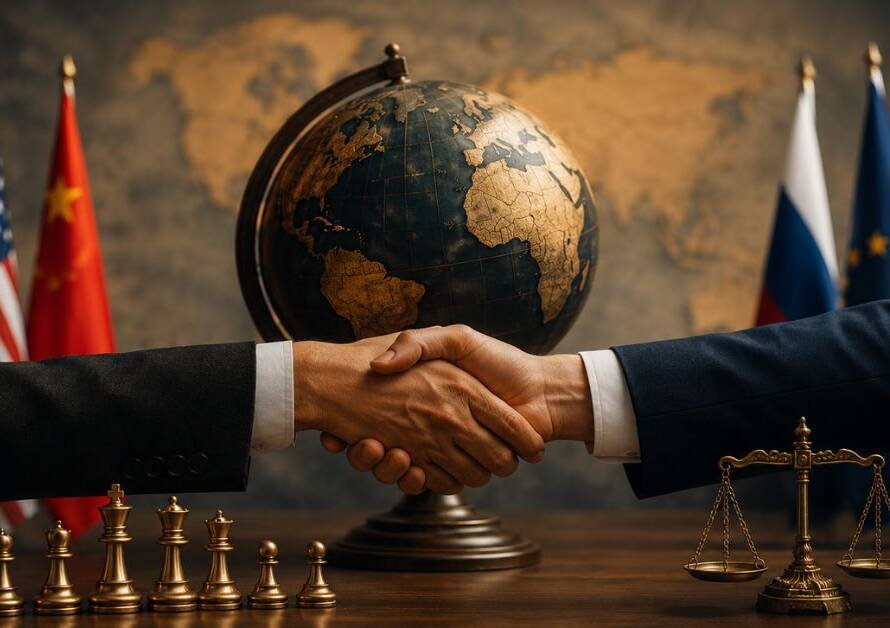
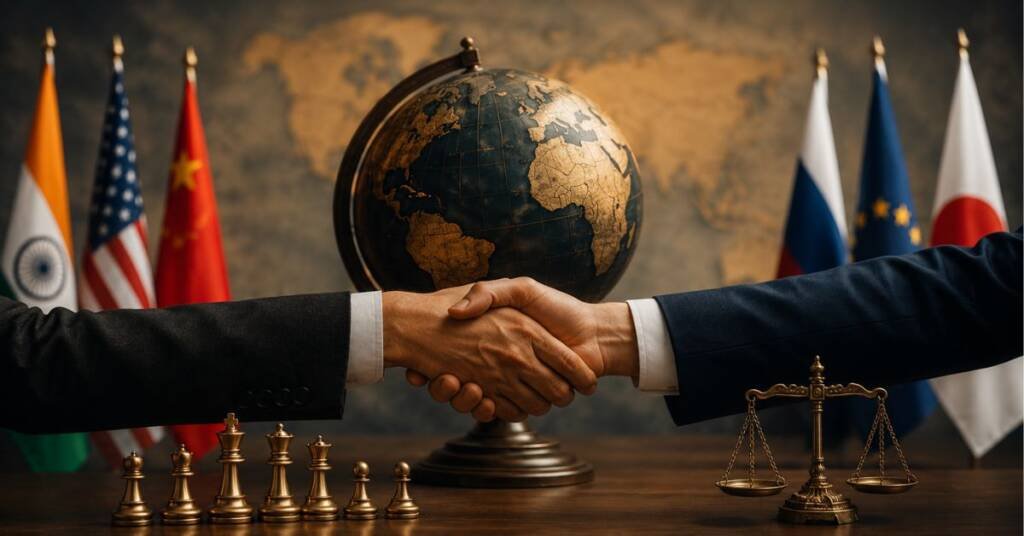
In global summits and bilateral talks, meetings between top leaders, handshakes, and warm hugs (Diplomatic Hugs) are often dismissed as mere political showmanship. However, those who understand the nuances of diplomacy know that these actions are part of a well-calibrated strategy.
A. Setting the Atmosphere
- Easing Tensions: Creating a comfortable and relaxed environment before bilateral meetings is essential for both sides. Starting in a warm atmosphere makes even the most difficult negotiations easier to navigate.
- Building Trust: Personal chemistry between top leaders helps accelerate complex negotiation processes happening at the bureaucratic level.
- A Primary Step, Not the Whole Policy: Creating an encouraging environment is the starting point (Primary Step) of foreign policy, not the entire policy itself. Detailed policy, strategic, and trade discussions begin only after this foundation is laid.
B. Strategic Bargaining at the Table (Negotiations)
- Bureaucratic Framework: Months before diplomatic talks, the framework is meticulously prepared by the foreign ministries, national security advisors, and administrative officials of both nations.
- Final Directives (Red Lines): Clear instructions are issued by the political leadership to the administration regarding how far to advance on a specific issue and where to hold firm (Flexibility vs Resistance) to protect national interests.
- National Interest Above All: Several rounds of talks take place before a final draft is ready. A leader who secures maximum benefit while safeguarding their nation’s economic and strategic interests is considered a truly skilled diplomat.
3. Prime Minister Modi’s Global Identity as a ‘Tough Negotiator’
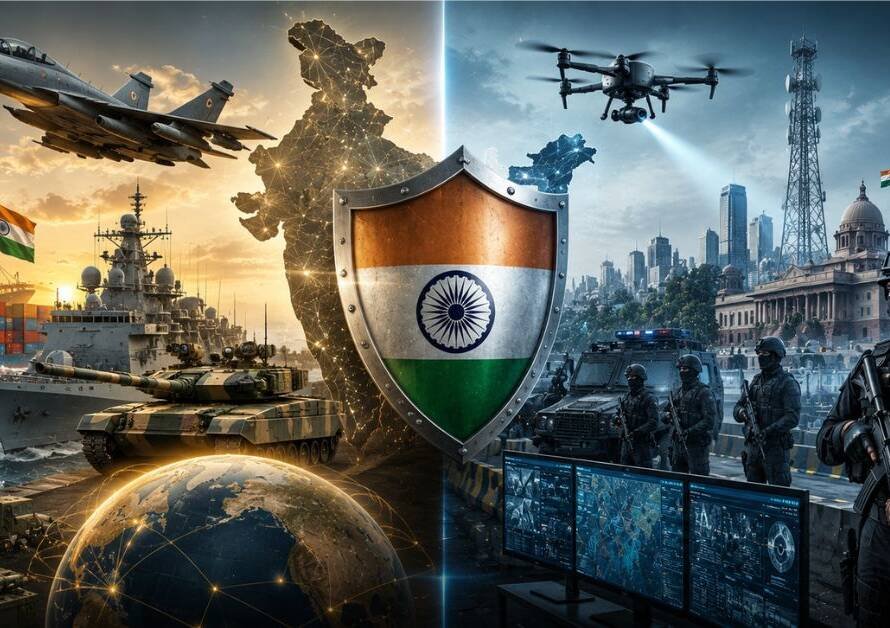
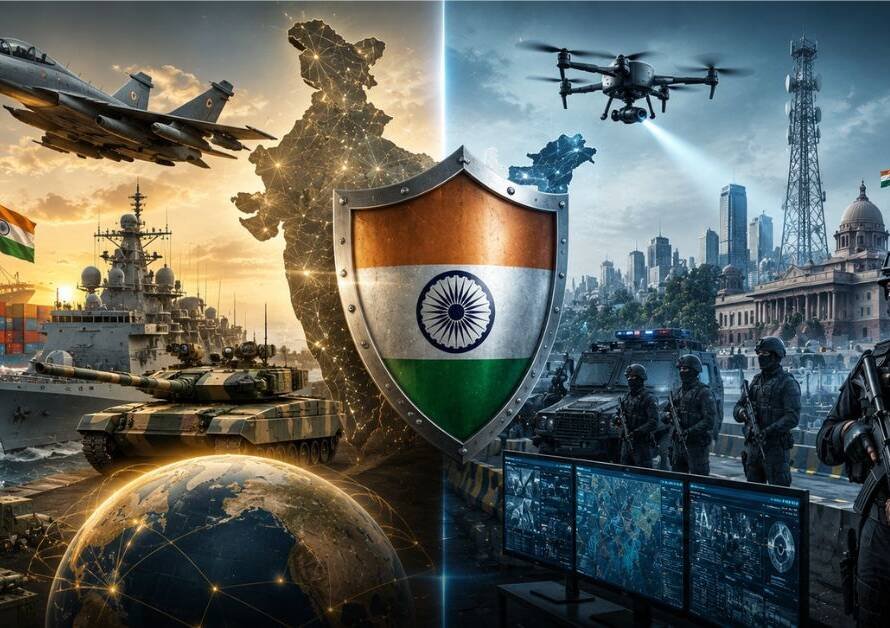
In recent years, India has pursued a path of “Strategic Autonomy” in its foreign policy. Under the leadership of Prime Minister Narendra Modi, India has engaged with global powers on equal terms.
- Donald Trump’s Assessment: Former U.S. President Donald Trump described Prime Minister Narendra Modi as a ‘Tough Negotiator’ on multiple occasions. This signifies that India no longer yields to global pressure when entering trade or defense agreements.
- Level of Equality: Whether dealing with the U.S., Russia, China, or the European Union, India has consistently prioritized its economic gains, energy security, and national sovereignty.
- The Example of Russian Oil: Purchasing discounted Russian oil in the interest of its citizens despite global sanctions and Western pressure—while simultaneously maintaining strong ties with Western nations—serves as direct proof of India’s strong negotiating capability.
4. Historical Paradox: Nehru, Indira, and Diplomatic Traditions
Rahul Gandhi’s mockery of Prime Minister Modi’s diplomatic style turns out to be a step that ultimately puts his own family’s historical contributions and the Congress Party’s history in the dock.
A. Indira Gandhi’s Diplomatic Style and Global Ties
- Warm Welcome to Global Leaders: Former Prime Minister Late Indira Gandhi met global leaders—whether Soviet leaders or heads of Non-Aligned Movement nations—with great warmth and cordiality. Iconic diplomatic photographs from her era remain a part of history today.
- Personal Relations and National Interest: Indira Gandhi understood well that building personal rapport and a conducive environment is the first chapter of diplomacy. If Rahul Gandhi mocks this warmth today, he is inadvertently questioning the foreign policy of his own grandmother and former prime minister.
B. Historical Paradox (Self-Inflicted Damage)
- From Nehru to Rajiv Gandhi: Pandit Jawaharlal Nehru’s personal charisma with global leaders, Rajiv Gandhi’s informal interactions during foreign tours, and Sonia Gandhi’s international contacts were all built on this very diplomatic ease.
- Ignoring History: When Rahul Gandhi makes lighthearted remarks on current diplomatic protocols, the public and political analysts immediately look back at history and ask: Is Rahul Gandhi rejecting the policies of his own ancestors?
5. Challenges in Opposition Leadership and Rejection within the I.N.D.I.A. Alliance
Levity displayed on diplomatic stages not only causes damage internationally, but it also raises serious questions about a leader’s maturity in domestic politics.
- Discomfort at the Global Table: Rahul Gandhi’s statement makes it evident that he feels deeply uncomfortable at the table of global affairs, trade deals, and international protocol.
- Skepticism Within the Alliance: Other constituent parties within the I.N.D.I.A. alliance (such as the Trinamool Congress, DMK, or Left parties) have also been seen distancing themselves from such statements made by Rahul Gandhi. Instead of emerging as a mature national alternative, such remarks diminish his overall acceptability.
- Lack of Seriousness: Flippant remarks on sensitive issues like national security, foreign policy, and the global economy fail to build the serious image required to run an alternative government.
6. The Need for Mature Statesmanship Beyond Immaturity
India is rapidly advancing as one of the world’s leading economies. At such a juncture, a high degree of maturity is expected from both the nation’s governance and its opposition.
- Diplomacy Transcends Party Politics: Governments come and go, but India’s foreign policy and international standing are a continuous process. Respecting the Prime Minister’s representation on foreign soil is not about respecting an individual; it is about respecting the mandate of 1.4 billion Indians.
- Refraining from Improper Remarks: Rahul Gandhi and his advisors must realize that there is no room for “levity” or “insensitivity” in international relations.
- Need for Self-Introspection: If the opposition truly wishes to present a strong alternative, it must understand the fundamental principles of foreign policy, use respectful language toward women leaders, and avoid inadvertently disrespecting its own historical legacy.
🇮🇳Jai Bharat, Vandematram 🇮🇳
Join us on Arattai 👉 Click here
👉Join Our Channels👈