Executive Summary
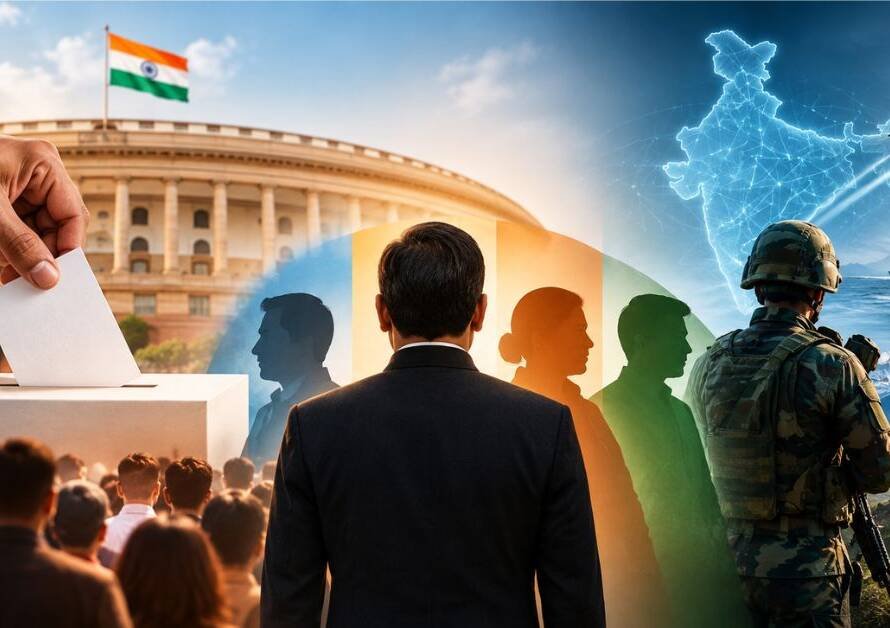
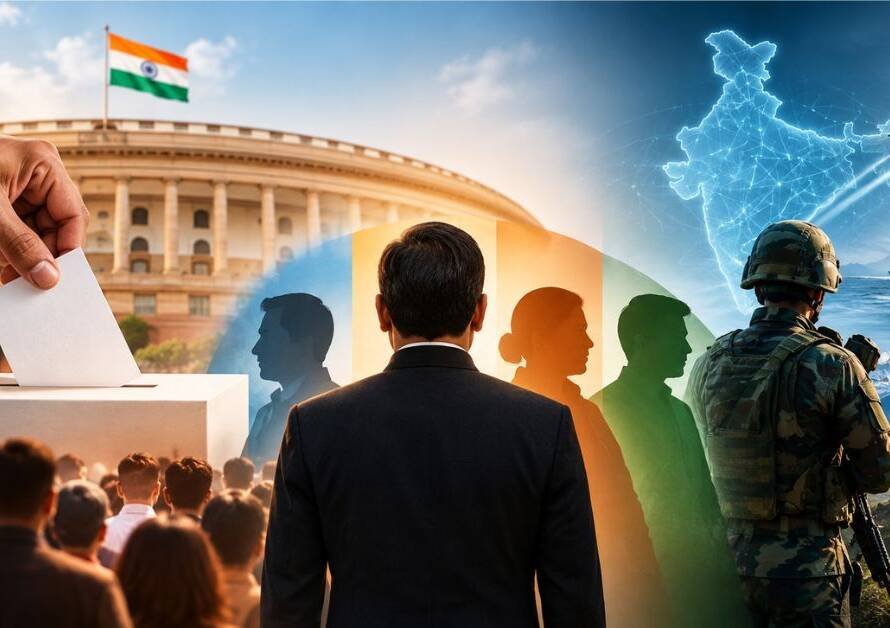
- This narrative functions as a strategic manifesto on Economic Nationalism and Civilizational Resilience, framing a leader’s call for civic restraint as an activation of India’s “Economic Defense System.” Set against the backdrop of global geopolitical volatility and supply chain disruptions in the Middle East, the text decodes the macroeconomic motives behind state appeals for energy conservation and reduced gold consumption.
- It breaks down the critical vulnerabilities of the global economy, specifically highlighting the significance of the Strait of Hormuz and the volatility of foreign exchange reserves. By advocating for a shift from a consumer mindset to that of an “Economic Warrior,” the text presents solutions like digital resilience (Work from Home), supply chain sovereignty, and voluntary austerity.
- The ultimate thesis is that modern warfare is fought in the kitchens, pockets, and digital infrastructure of a nation, and absolute self-reliance (Atmanirbhar Bharat) is the only viable survival doctrine when globalization collapses under geopolitical stress.
THE SILENT FRONT: ECONOMIC WARFARE AND THE CITIZEN AS A STRATEGIC FORTRESS
I. The Ominous Calm: Deciphering the Call for Restraint
The global geopolitical landscape is currently experiencing the heavy, suffocating silence that invariably precedes a historical tempest. When the leadership of a rising global power repeatedly appeals for civic restraint, it signals a shift from peace-time governance to crisis-preparedness.
- Beyond the Visible Horizon: The warnings issued are not merely about fluctuating fuel prices or temporary trade delays; they are early indicators of an impending global financial realignment.
- Activating the Economic Defense System: A nation’s security apparatus is not restricted to its military borders. In a hyper-connected world, the first line of defense is the stability of its domestic economy.
- The Shift in Warfare: Modern conflicts are asymmetric and non-linear. Before a single missile is fired on a battlefield, wars are won or lost in the financial markets, supply lines, and energy reserves of competing nations.
II. Guarding the War Chest: The Macroeconomics of the Forex Reserve
A country’s sovereignty is directly proportional to the strength of its foreign exchange reserves. Every financial decision made by a citizen either depletes or fortifies this collective shield.
- The Tragedy of the Dollar Drain: As a net energy importer, India must settle its international oil accounts in US Dollars. When geopolitical conflicts flare up in oil-producing regions, the dollar automatically strengthens, causing a massive financial drain on developing economies.
- Gold as an Internal Financial Leak: While individual citizens view gold as a traditional safe-haven asset, from a macroeconomic perspective, massive gold imports represent a severe outflow of valuable foreign currency.
- The “Wallet” Metaphor: Imagine a household’s emergency medical fund. If that fund is squandered on luxury items during a period of stability, the household is left entirely defenseless when an actual emergency strikes.
- The Gold Embargo Strategy: Urging citizens to halt non-essential gold purchases is a non-invasive, surgical intervention designed to lock down and protect the nation’s foreign exchange capital for existential emergencies.
III. The Geometry of Choke Points: The Vulnerability of Global Supply Chains
The physical flow of global wealth is bottlenecked at a few critical geographic coordinates. The most dangerous of these is the maritime highway of the Middle East.
- The Strait of Hormuz Factor: This narrow strip of water connecting the Persian Gulf and the Gulf of Oman is the jugular vein of global energy. Nearly a third of the world’s total liquefied natural gas and a quarter of its oil passes through this single chokepoint.
- The Ripple Effect of a Single Spark: A localized conflict or a single targeted strike in this region has the potential to instantly fracture global supply chains, plunging dependent nations into immediate energy poverty.
- Strategic Fuel Reserves: Directives aimed at fuel conservation, carpooling, and reducing unnecessary transit are structural hoarding mechanisms. They are designed to stretch the lifespan of existing national fuel reserves, ensuring the country remains mobile even if external supplies are cut off.
IV. The Digital Stress Test: Securing Productivity via Infrastructure
Traditional brick-and-mortar economies are highly vulnerable to physical blockades, resource scarcity, and energy blackouts. A mature digital infrastructure provides an evolutionary alternative.
- Decoupling Output from Crude Oil: When a workforce shifts to a decentralized, digital model (Work from Home), corporate and national productivity is instantly decoupled from physical fuel consumption.
- Testing National Resilience: This structural shift acts as a live stress test for the digital economy. It evaluates whether the nation’s service and knowledge sectors can sustain the GDP exclusively through fiber-optic networks, bypassing the vulnerabilities of physical transportation.
- The Virtual Bastion: Building a resilient digital work culture ensures that even if external transport sectors are paralyzed by global fuel shortages, the intellectual engine of the nation remains fully operational.
V. The Death of Globalization and the Imperative of ‘Glocalization’
The idealistic concept of an open, globalized village is a luxury that functions only during prolonged periods of global peace. When geopolitics fragments, globalization collapses into a weaponized trade war.
- The Myth of Interdependence: Depending on external nations for essential resources—such as food, technology, defense, or energy—is an existential liability during global crises.
- Supply Chain Sovereignty: The transition to locally manufactured goods is no longer an emotional or patriotic choice; it is an absolute survival instinct. If a nation cannot feed, protect, and power itself locally, it cannot maintain an independent foreign policy.
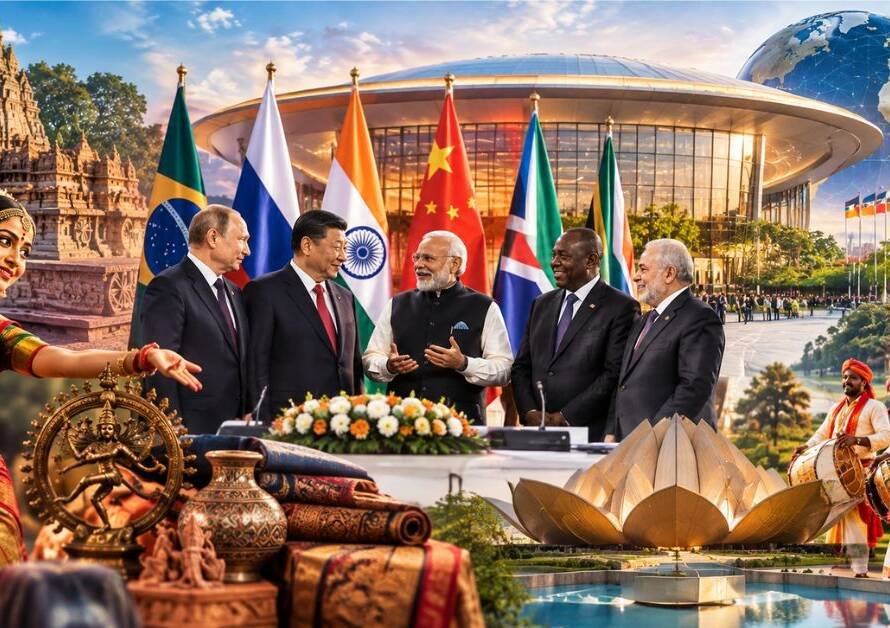
- The Atmanirbhar Doctrine: True self-reliance means domesticating critical supply chains so that a crisis in Eastern Europe or Western Asia has zero capacity to freeze the daily lives of citizens thousands of miles away.
VI. The Transformation: From Passive Consumer to Economic Warrior
The ultimate victory of a nation depends on transforming its demographic mass from a liabilities-driven consumer base into a disciplined collective of economic stakeholders.
- The Financial Battlefield: In this new paradigm of silent warfare, a citizen standing at a petrol pump or a jewelry shop is a combatant. Choosing restraint directly funds the nation’s strategic autonomy.
- Voluntary Austerity as Power: Historically, the societies that survived systemic global collapses were those capable of practicing voluntary collective discipline before the crisis manifested in full scale.
- The Defensive Armor: Every drop of fuel saved, every local product purchased over an imported alternative, and every delayed luxury purchase acts as an invisible thread weaving a bulletproof vest around the nation’s financial credibility.
VII. Writing a New Paradigm of Sovereignty
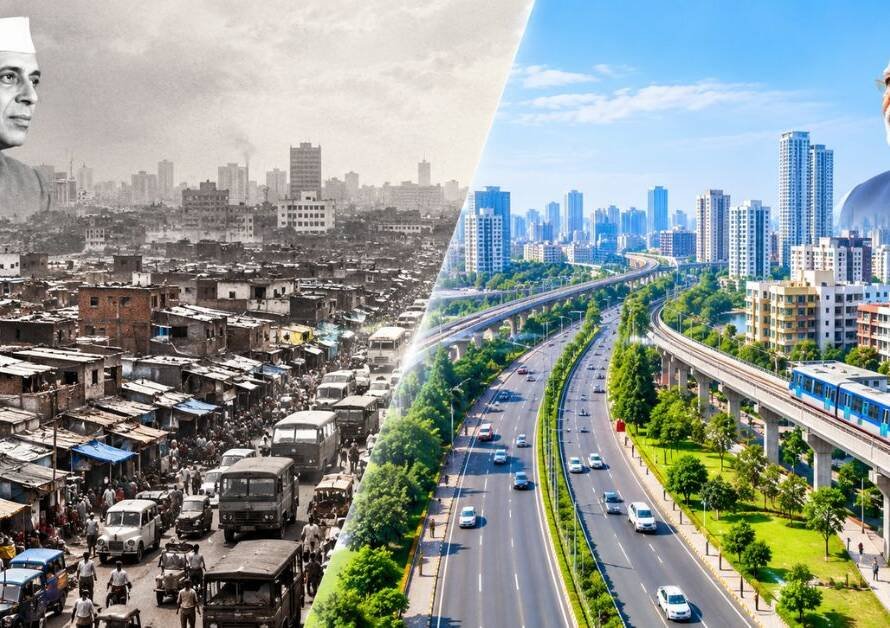
India stands at a historic crossroads where it must choose between the reckless indulgence of a consumerist society or the calculated discipline of a rising superpower.
- The Path Forward: The current global instability is a warning shot. It demands an absolute mental and structural overhaul of how we view national resources.
- The Final Reality: While the rest of the world continues to exhaust its resources and stability in external conflicts, a disciplined India can utilize this period of global friction to anchor its roots so deeply into self-reliance that no geopolitical storm can ever shake its foundations.
- The future belongs to the prepared, the self-contained, and the disciplined. Choose to be an economic warrior for your nation.
🇮🇳 Jai Bharat, Vandematram 🇮🇳
Read our previous blogs 👉 Click here
Join us on Arattai 👉 Click here
👉Join Our Channels👈