Summary
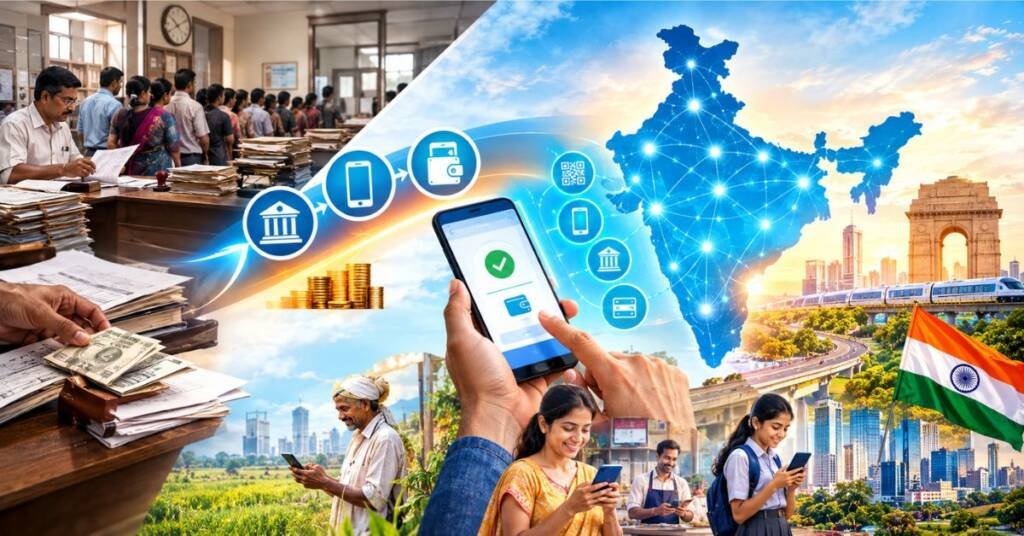
- The transformation of India’s payment ecosystem represents one of the most remarkable administrative and technological shifts in modern economic history. For decades, sending money across distances was characterized by high transaction costs, physical friction, systemic leakage, and significant lost productivity.
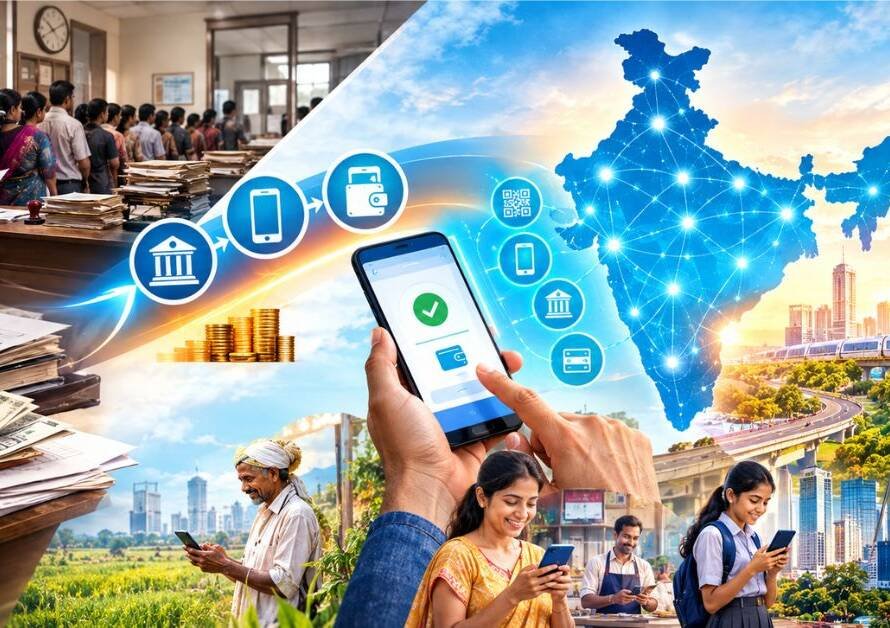
- The structural transition from traditional, high-friction remittance mechanisms—specifically postal Money Orders and bank Demand Drafts—to the modern era powered by the Unified Payments Interface (UPI) is a living metaphor for India’s broader transformation over the past 12 years.
- By eliminating intermediaries, processing charges, and physical queues, India’s digital public infrastructure has democratized financial access and established a global benchmark for financial inclusion.
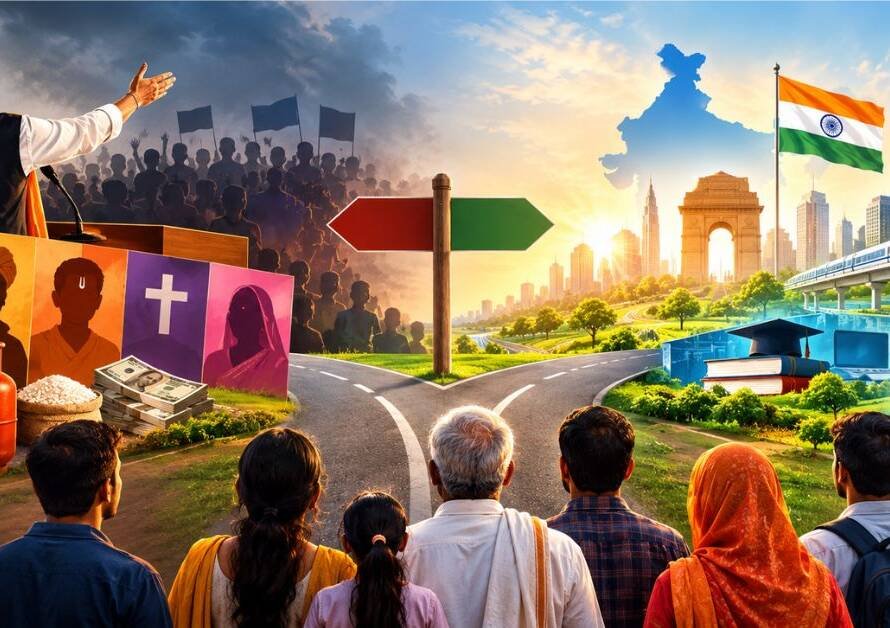
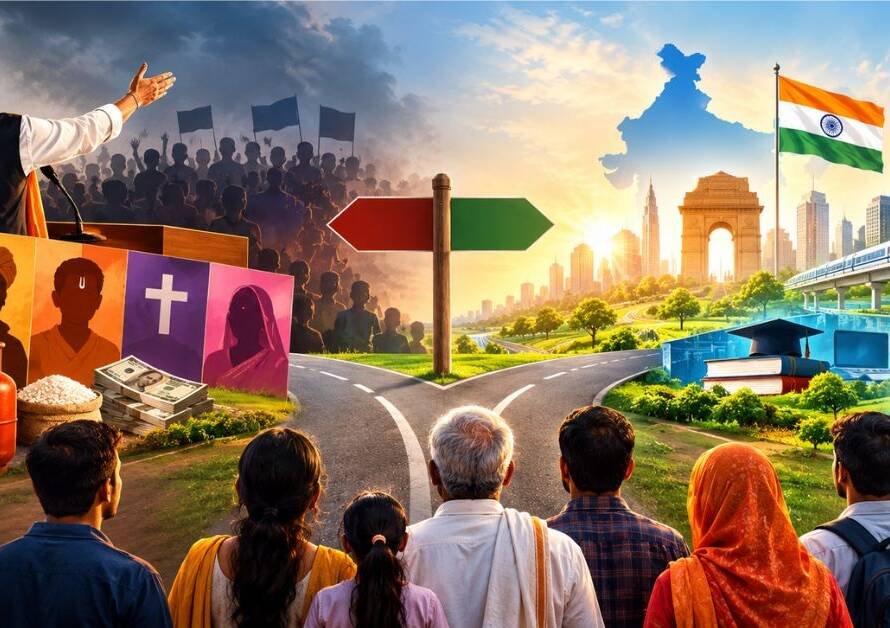
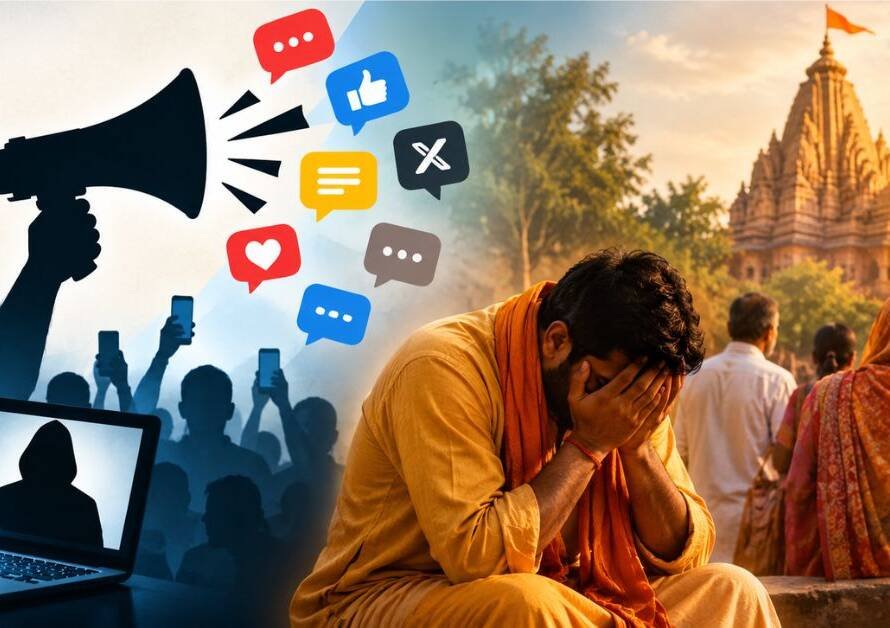
- While global institutions express astonishment at the scale and speed of India’s progress, a displaced political elite and an entrenched anti-national ecosystem remain trapped in denial, grieving the loss of an old order that served their private interests at the nation’s expense.
The Evolution of Money Transfer and India’s National Resurgence
1. The Era of Physical Friction: Money Orders and Systemic Tolls
In the pre-digital era, sending money across India was a grueling process that imposed a heavy financial burden on migrant workers, students, and rural families who could least afford it.
- Exorbitant Official Tariffs: Sending a postal Money Order incurred a government commission fee of up to 5 percent. A modest remittance of ₹1,000 required paying ₹50 just in official fees—functioning as a steep administrative tax on the working class.
- Informal Extortion at the Last Mile: Delivery depended entirely on the physical presence of the local postman, where informal “convenience fees” became an accepted norm. Postmen frequently demanded ₹2 to ₹5 per hundred rupees—and in some regions up to ₹10 per hundred—simply to deliver the funds and return the physical acknowledgment receipt.
- Deductions at Source: In many instances, cash was quietly deducted from the principal amount before being handed over to the recipient. Citizens routinely accepted these unauthorized leakages as an unavoidable price of using the state-run financial network.
2. The Demand Draft Era: Bureaucratic Roadblocks and Lost Productivity
For students submitting examination applications or citizens dealing with government paperwork, obtaining a bank Demand Draft (DD) was a multi-day logistical ordeal that consumed time, energy, and financial resources.
- Excessive Processing Charges: Securing a small DD of ₹100 for an application fee often attracted up to ₹20 in additional bank service charges—representing a staggering 20% surcharge on basic administrative tasks.
- Day 1 (The Banking Barrier): Applicants spent entire days crowded inside banking halls, filling out paper vouchers and standing in long queues, only to receive the physical draft after 3:00 PM when public counter hours closed.
- Day 2 (The Postal Barrier): Obtaining the physical DD was only half the struggle. The following day required standing in another long queue at the post office to dispatch the draft via registered or speed post, incurring another ₹20 to ₹25 in postal fees and wasting a second full day of productivity.
3. The Digital Leap: How UPI Redefined Daily Life
Today, the Unified Payments Interface (UPI) has dismantled this entire framework of bureaucratic friction, replacing multi-day logistics with instantaneous, zero-cost transfers.
- Seconds Instead of Days: What once required two full days of physical effort, bank queues, and postal runs is now completed in seconds directly from a smartphone.
- Zero Transaction Friction: The extortionate commissions, bank processing fees, and mandatory “convenience charges” of the past have been replaced by a direct, transparent peer-to-peer network.
- From Luxury to Daily Utility: Digital payment is no longer merely a convenience for the urban elite; it has become an indispensable daily necessity powering micro-transactions across every corner of the country, from small street vendors to large commercial enterprises.
4. Beyond Money Transfers: Comprehensive Progress Across Key Sectors (2014–2026)
The evolution of money transfers is merely one chapter in a comprehensive structural overhaul across every major sector of the Indian state over the last 12 years:
A. Physical Infrastructure and Connectivity
- Highways and Expressways: Highway construction speeds have accelerated dramatically, expanding modern multi-lane expressways across the nation and connecting remote regions to economic hubs.
- Railways Revolution: Traditional, slow-moving rail networks have been modernized through 100% electrification, dedicated freight corridors, and the rapid deployment of high-speed Vande Bharat trains.
- Aviation Access: Under the UDAN scheme, the number of operational airports in India has nearly doubled, making air travel accessible to tier-2 and tier-3 cities.
B. Health, Sanitation, and Social Welfare
- Ayushman Bharat: The world’s largest government-funded healthcare scheme provides free health coverage of up to ₹5 lakh per family per year to over 500 million vulnerable citizens.
- Basic Human Dignity: Over 110 million household toilets constructed under the Swachh Bharat Abhiyan and over 140 million tap water connections provided under the Jal Jeevan Mission have transformed rural living standards.
- Direct Welfare Delivery: By opening over 500 million Jan Dhan accounts linked with Aadhaar and mobile numbers (the JAM Trinity), Direct Benefit Transfer (DBT) has routed government welfare directly to citizens, ending the era where only 15 paise of every rupee reached the intended beneficiary.
C. National Security, Defense, and Global Standing
- Defense Indigenization: India has shifted from being one of the world’s largest defense importers to manufacturing advanced fighter jets, naval frigates, and missile systems domestically, while exporting defense hardware globally.
- Zero Tolerance for Terror: Firm responses to cross-border threats, along with the abrogation of Article 370 in Jammu & Kashmir, have integrated the region into the national economic mainstream and brought unprecedented stability.
- Global Recognition: International bodies including the IMF, World Bank, and United Nations consistently highlight India as a global economic “bright spot” and a pioneer in digital public infrastructure.
5. The Grief of the Old Order: Why the Opposition Mourns the Past
The persistent outrage from the opposition and an entrenched anti-national ecosystem is not rooted in a genuine policy dispute, but in the total disruption of their historical business model.
- Loss of the “Loot Ecosystem”: Under previous regimes, opaque procurement, cash-based real estate transactions, unmonitored welfare allocations, and discretionary banking practices allowed corrupt networks to extract wealth from public funds.
- Transparency as a Threat: Universal digitization, geo-tagging of assets, direct benefit transfers, and advanced data analytics have eliminated fake beneficiaries and ghost accounts, effectively shutting down the dockets of illicit income.
- Disruption of Political Rent-Seeking: For decades, the old elite maintained political influence by acting as gatekeepers to basic state services. With automated digital delivery, citizens no longer require political patrons or middlemen to receive pensions, housing, or healthcare benefits.
- Out of Work and Out of Ideas: Deprived of illicit revenue streams and unable to match the speed of modern governance, the entrenched ecosystem resorts to beating its breast, claiming that the old order was “better”—because it was indeed better for those who enriched themselves by fooling the public.
Conclusion
- The evolution of money transfer in India stands as a powerful testament to the impact of citizen-centric technological innovation and resolute political willpower.
- What was once a multi-day ordeal fraught with middleman extortion has been converted into a split-second action available to every citizen.
- While the old political order continues to grieve the loss of its privileged corrupt mechanisms, 1.4 billion citizens are moving forward, enjoying the fruits of a sovereign, transparent, and rapidly progressing nation.
🇮🇳Jai Bharat, Vandematram 🇮🇳
Read our previous blogs 👉 Click here
Join us on Arattai 👉 Click here
👉Join Our Channels👈