Executive Summary
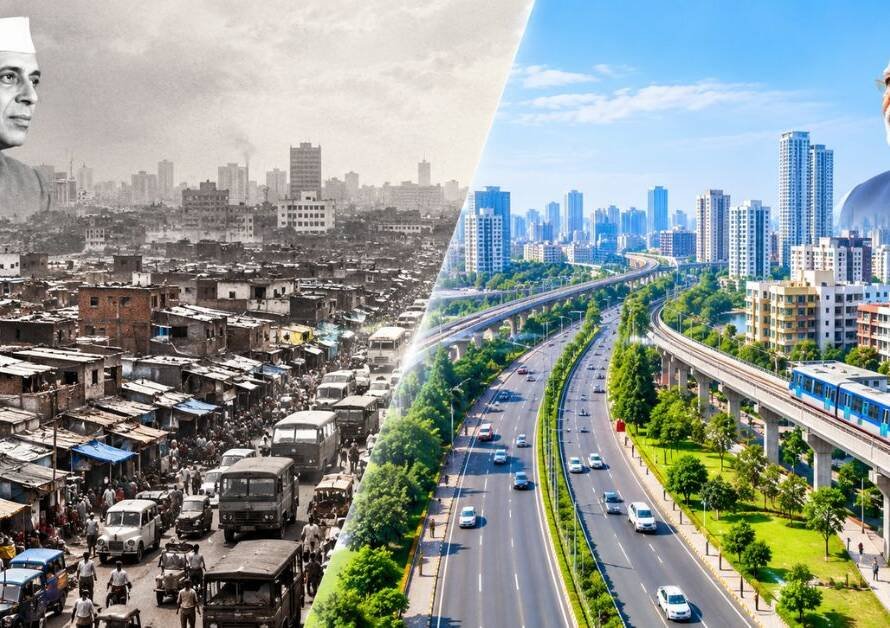
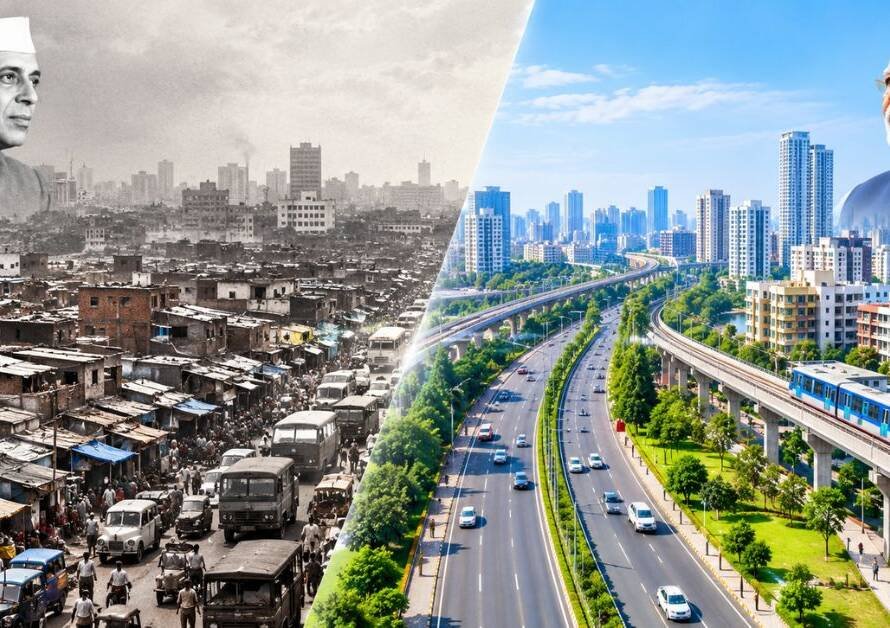
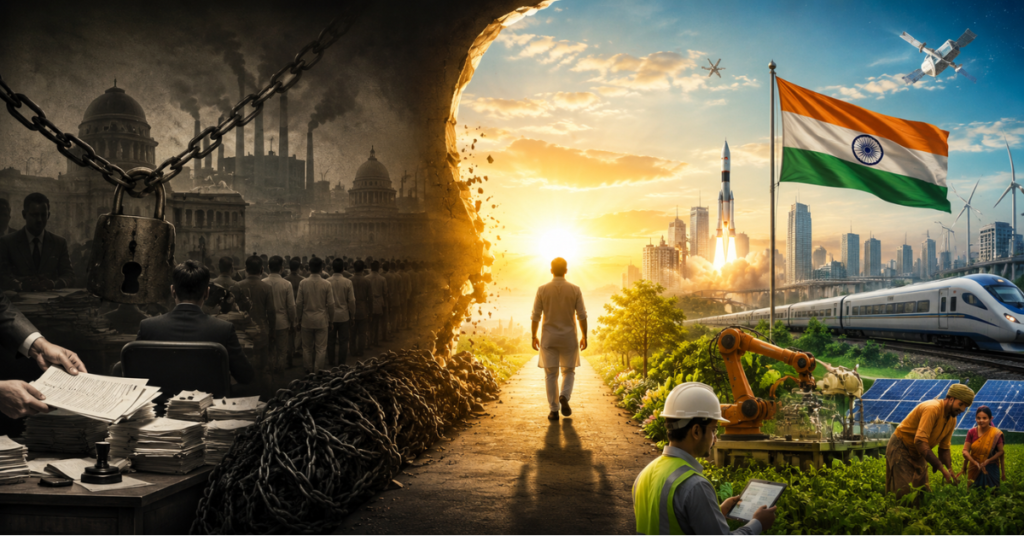
- This comprehensive policy and historical analysis offers a deep, factual, and comparative evaluation of India’s economic, political, social, and administrative landscape from independence to the contemporary era. It highlights how, for decades under the guise of the “License-Permit Raj” and “Nehruvian Socialism,” the capacity for domestic manufacturing was intentionally stifled.
- Instead, foreign imports were continuously promoted because this artificial system perfectly suited the organized economic exploitation, institutional plunder, corruption, and kickbacks favored by legacy policymakers and rulers.
- Post-2014, the nationalist administration rooted in timeless principles of statecraft—reminiscent of Chanakya and Vidur—has used technology and political will to permanently cut off the “oxygen supply” (illegal revenues) of this parasitic middlemen culture. Consequently, an entrenched global and domestic elite has been deeply unsettled, triggering the spread of false narratives across social media and international platforms to destabilize India’s growth.
- However, an aware electorate has recognized this hypocrisy and systematically dismantled this corrupt apparatus through democratic elections. This discourse documents Bharat’s transformation into a self-reliant, sovereign, and global economic and military superpower.
The End of the Middlemen Culture and the Clarion Call of Nationalism
I. The License Raj and the Politics of Import: A Model of Institutional Plunder
From the 1950s through the 1990s, India’s economic policies were designed under a pseudo-socialist and welfare-state cover to ensure that genuine self-reliance and industrial freedom could never take root. Stifling domestic industries and local manufacturing while maintaining an absolute dependence on foreign imports was a deliberate, calculated strategy by elite policymakers.
Stifling Domestic Manufacturing and the “Kickback” Model
- The growth of domestic manufacturing industries was systematically crippled through rigid government quotas, extreme red tapism, and a predatory Inspector Raj. The underlying economic motive was simple: rulers derived no personal or covert financial benefit from increasing domestic production.
- Conversely, massive foreign imports, heavy machinery procurement, and international defense deals offered endless opportunities for kickbacks, cuts, and clandestine deals in foreign bank accounts. This import-centric model was perfectly optimized to enrich ruling dynasties and their favored industrialists, leaving national security and prosperity compromised at the altar of foreign entities and middlemen.
The Rise and Consolidations of a Parallel Middlemen Culture
- This distorted policy framework gave rise to a powerful, impenetrable parallel ecosystem where nothing moved without brokers and middlemen.
- From the corridors of Lutyens’ Delhi and the central secretariats down to the state and local administrative levels, a highly influential class of brokers flourished under direct state patronage.
- This class plundered the nation’s resources by charging premiums to clear files, secure licenses, and approve manufacturing quotas. Merit, talent, and honesty were marginalized, making “networking” and political access the sole metrics of commercial success.
Artificial Scarcity and the Erosion of Economic Sovereignty
- Despite possessing abundant human capital, brilliant engineers, and entrepreneurial talent, strict quotas and prohibitions were legally imposed on domestic production.
- Citizens had to endure decade-long waiting lists for basic goods, such as a Bajaj scooter or an Ambassador car. The hidden objective was to maintain an artificial scarcity in the market.
- When supply is kept artificially lower than demand, black marketing and premium extortion thrive, ensuring that the industry of corruption remains uninterrupted. This policy relegated India to an economic beggar state on the global stage.
II. The Post-2014 Paradigm Shift: Permanently Locking the Doors of Corruption
The unprecedented leadership transition in 2014 delivered the first, most severe, and decisive blow to this decades-old, corrupt, and exploitative architecture. Upon assuming office, Prime Minister Narendra Modi pledged to dismantle this entire plunder model and liberate the nation’s administration from the grip of middlemen.
Digital Governance (Digital India) and Cutting the Oxygen Supply
- The administration moved beyond mere rhetoric, adopting technology as its primary weapon against corruption. Through the “Digital India” revolution, the Jan Dhan-Aadhaar-Mobile (JAM Trinity) architecture, and Direct Benefit Transfer (DBT), a vast army of middlemen was excised from the administrative ecosystem overnight.
- Where citizens once faced endless delays, predatory clerks, and demanding brokers to claim pensions, clear subsidies, or secure business permits, transparent online systems and faceless assessments have erased these hurdles. By transferring benefits directly to citizens’ bank accounts, the “oxygen supply”—the unearned, corrupt black money of these elements—was completely severed.
Social Media Meltdown and the Fabrication of Toolkit Narratives
- As the lucrative industries of plunder, scams, illegal land grabs, and bureaucratic transfer-posting rackets were permanently shut down, a deeply displaced elite—including legacy political factions, compromised media structures, pseudo-intellectuals, and their protected networks of brokers—fell into severe distress.
- Because they cannot publicly admit that their illicit revenues and feudal privileges have vanished, they have pivoted to alternate battlegrounds. These elements work relentlessly across social media, foreign publications, and digital platforms to manufacture false, divisive, and deceptive narratives targeting the Indian state, its security forces, and constitutional bodies to trigger internal instability.
III. Democratic Erasure and the Exit from a Sinking Ship
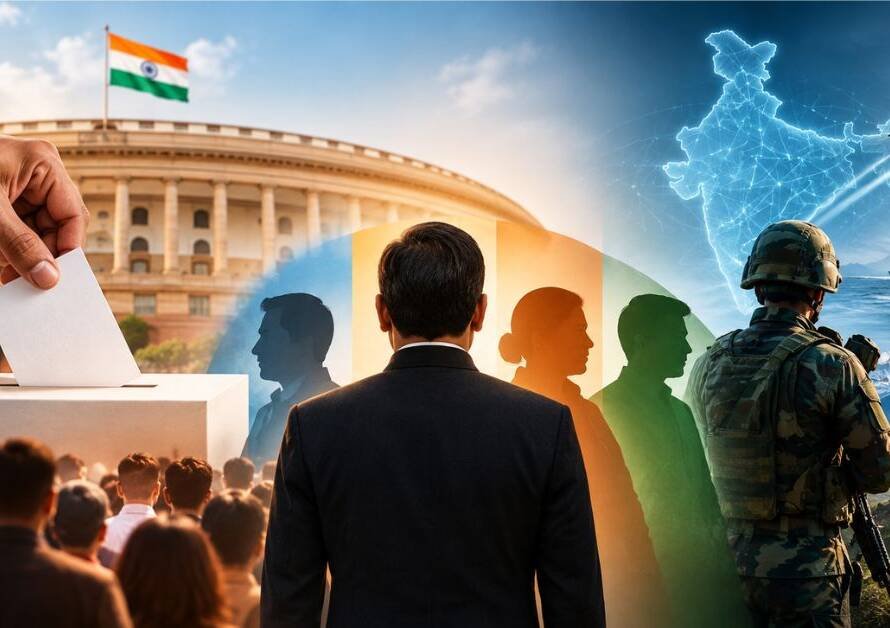
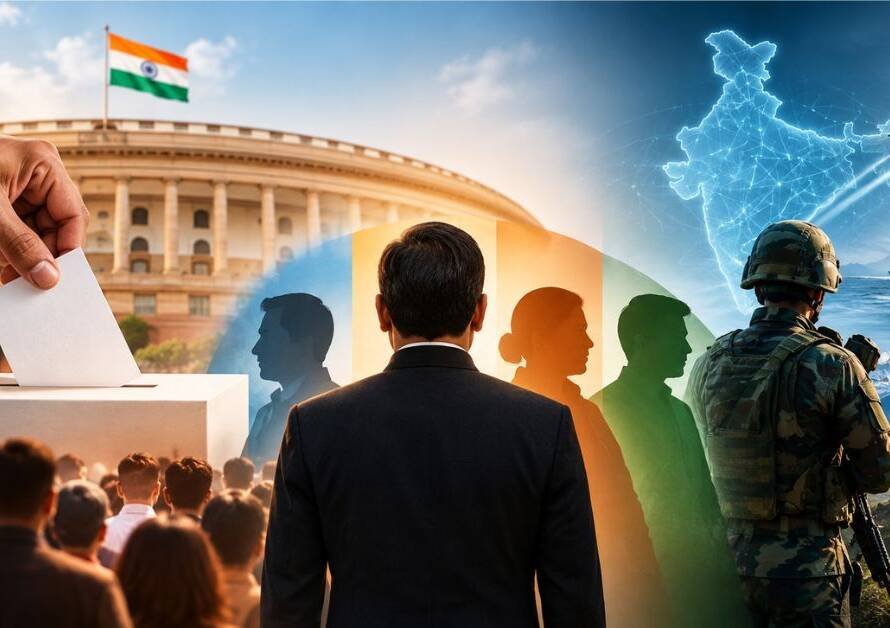
The average Indian citizen, who was the greatest victim of the License-Permit Raj for decades, has thoroughly understood the hypocrisy and anti-national character of this legacy political apparatus. Consequently, a newly aware, mature electorate has emerged in Indian democracy.
The Collapse of Appeasement and Middlemen Politics
- Recent election results across local bodies, state assemblies, and the national parliament demonstrate that conscious voters have completely rejected casteism, regional chauvinism, religious appeasement, and middlemen-driven politics.
- The wave of nationalism and development-oriented governance has systematically swept away this corrupt apparatus. Facing continuous defeats and a total loss of credibility among the masses, the opposition’s morale and ideological framework have shattered.
Political Flight from a Sinking Ship
- The remaining ground-level, pragmatic, and visionary leaders within legacy parties have recognized this unyielding political and social reality. They understand that a political model built on dynastic rule, institutional corruption, and anti-India rhetoric has no future in modern regular politics.
- To safeguard their political relevance, dignity, and connection with the national mainstream, these leaders are exiting these crumbling structures in large numbers, seeking out nationalist alternatives.
IV. A Sanatan Administration Guided by Chanakya and Vidur Neeti
Instead of viewing governance through an imported, Western colonial lens, the current administration has re-anchored India’s statecraft and foreign policy in its own ancient, time-tested wisdom—specifically the principles of Chanakya Neeti and Vidur Neeti. This is the living manifestation of a “Nation-First” policy.
Economic and Technological Renaissance
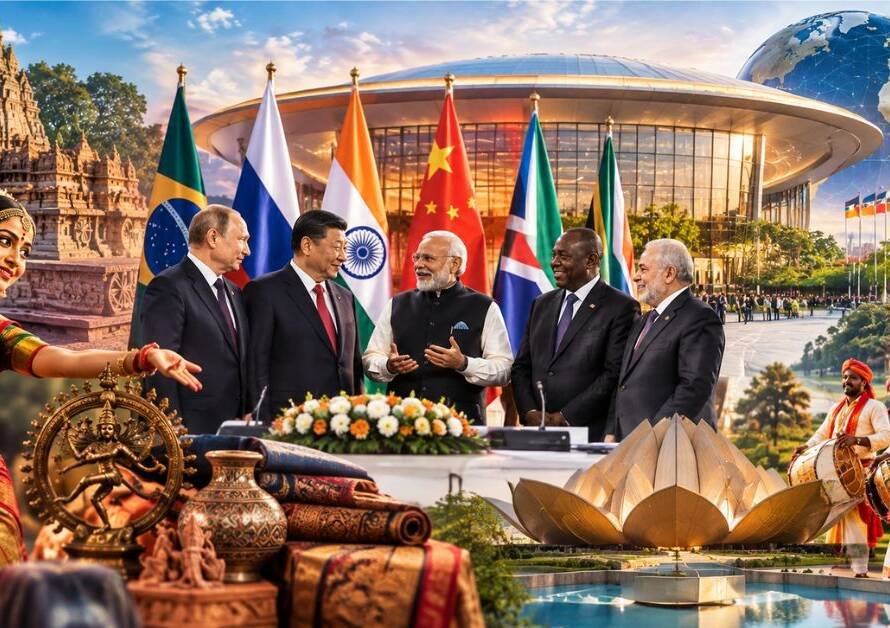
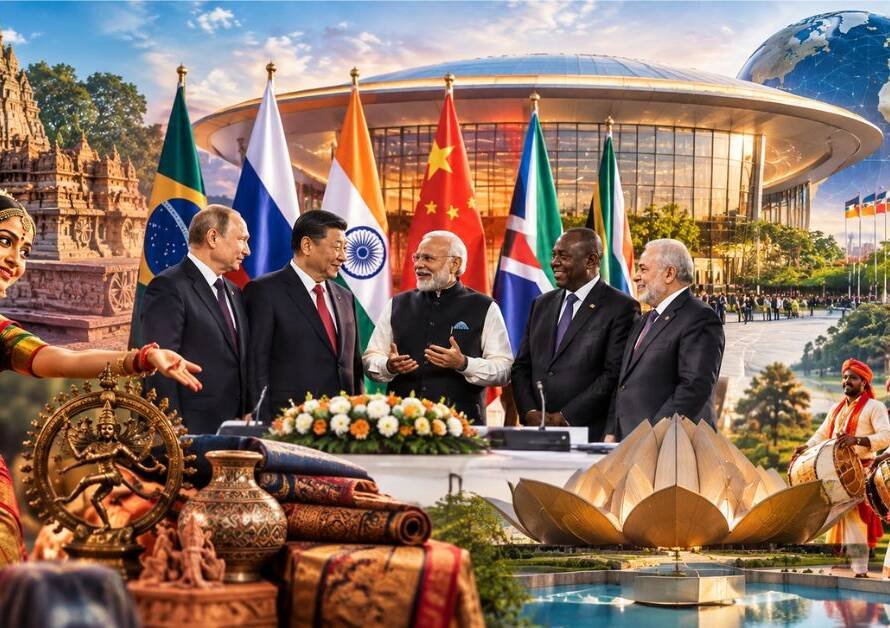
- This principled, decisive, and Sanatan-rooted administration has driven an unprecedented economic, technological, and cultural renaissance over the past decade. India is currently the fifth-largest economy in the world and is rapidly tracking toward the top three.
- The nation is no longer just a consumer of global technology; through UPI, 5G rollouts, and advanced Digital Public Infrastructure (DPI), India is leading global digital deployment. Cultural pride and economic progress are now advancing hand in hand.
Self-Reliance in Defense and Emergence as a Global Military Superpower
- Previous regimes treated the defense sector as a breeding ground for scams and brokerages, leaving the armed forces starved of modern hardware.
- The current administration broke these chains of import dependency by establishing dedicated domestic Defense Corridors under the “Atmanirbhar Bharat” and “Make in India” initiatives. Today, India designs, manufactures, and exports state-of-the-art fighter jets (Tejas), cruise missiles (BrahMos), light combat helicopters (Prachand), and massive aircraft carriers (INS Vikrant).
- As an unyielding global military superpower, India possesses the absolute capability to secure its borders and deliver severe responses to adversaries via cross-border operations.
V. Advancing Through Global and Domestic Obstacles
This historic march toward progress was never smooth or unimpeded. Every step taken by this nationalist leadership was met with unprecedented blockades erected by internal and external adversaries.
Thwarting the Coordinated Anti-National Toolkit Ecosystem
- Corrupt elements of the old order, ideologically compromised sections of the deep-state bureaucracy, desperate political factions, and external international networks hostile to India’s rise pooled their resources to halt, divert, or block this growth trajectory.
- From weaponizing the CAA transition to fuel civil unrest, blockading vital economic corridors under the pretext of agrarian protests, to deploying global rating agencies to tarnish India’s fiscal credibility—the conspiracies were vast. However, backed by absolute political clarity and an unyielding will, the administration successfully neutralized these localized and international toolkits.
VI. The Responsibility of a Unified Society: The Sole Formula for a Secure Future
While monumental successes have been achieved across economic, technological, military, and judicial fronts—particularly through historic, rapid legal and administrative reforms implemented in the last six months that broke the legal shield of anti-national actors—the final completion of this civilizational core rests upon one primary factor: the unity of the society itself.
Transcending Artificial Fault Lines for Unconditional Unity
To ensure that this economic prosperity, internal security, and spiritual freedom remain permanent across generations, the patriotic fabric of society must stand like an impenetrable fortress behind this nationalist leadership, entirely free from internal friction. Anti-India forces are spending billions of dollars to fracture the majority population into superficial caste, sub-caste, and regional divisions.
Overcoming Divisive and Fractious Forces
Forgetting engineered differences and remaining intellectually, ideologically, and politically vigilant against fractious, separatist, and regressive forces is the highest “civic duty” of our times. This remains the verified, tested, and infallible formula to guarantee a secure, dignified, and prosperous future for our children, our sacred heritage, and our motherland. Choosing internal division today means inviting civilizational erasure tomorrow.
VII. An Era of Resilient Glory
- Global history proves that regimes built on deception, exploitation, and appeasement inevitably collapse. The wounds inflicted on India’s soul and economy by the License-Permit Raj and its middlemen culture are being decisively healed by a resurgent nationalism grounded in native values, modern technology, and sovereign strength.
- Ensuring that future generations thrive in a secure, self-respecting, and prosperous India is our collective civilizational duty.
May the nationalist leadership flourish across eras! May our timeless heritage endure forever! Bharat Mata Ki Jai!
🇮🇳 Jai Bharat, Vandematram 🇮🇳
Read our previous blogs 👉 Click here
Join us on Arattai 👉 Click here
👉Join Our Channels👈