The Goodness Hidden Among a Crowd of Enemies
1. The Anatomy of Political Friction
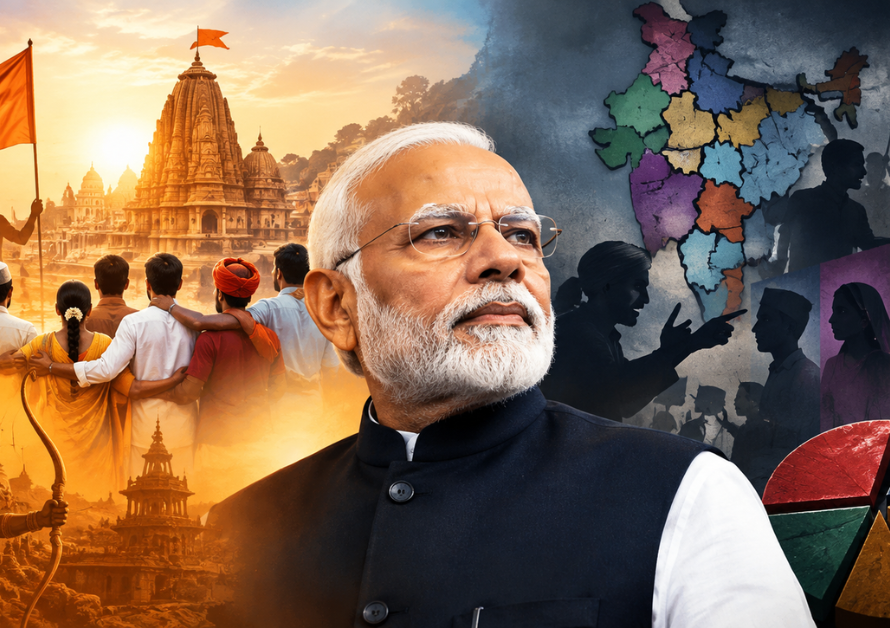
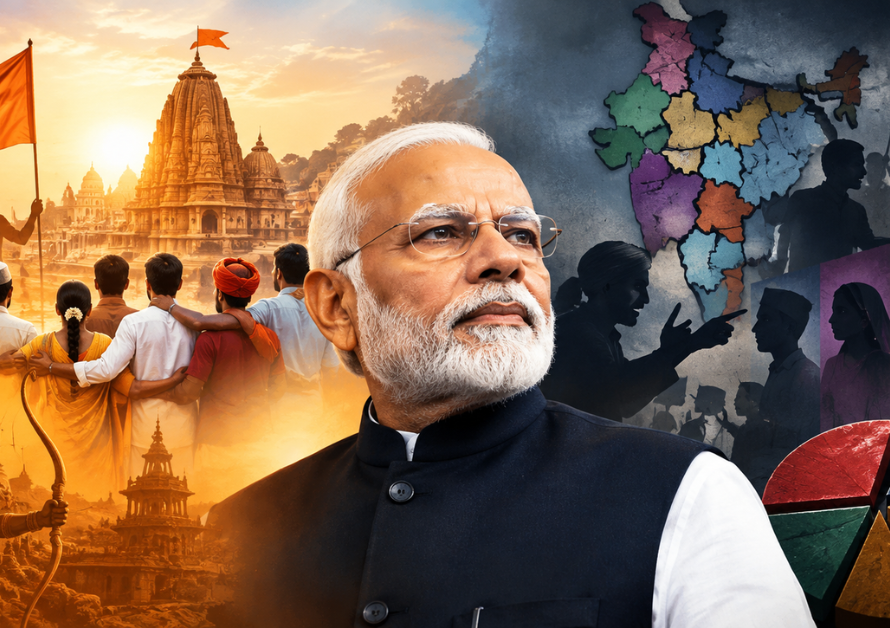
- There is a long-standing principle in political strategy: the intensity of opposition is a direct measure of how effectively status quo structures are being disrupted. When a leadership model transitions from passive administration to assertive, structural transformation, it inherently shifts the national balance of power.
- According to the core proverb—when you have too many enemies, a good job is being done—the sheer scale of hostility faced by a reformist government is the clearest indicator of its success. A government that pleases every vested interest is usually accomplishing very little; conversely, unified pushback demonstrates that fundamental, impactful reform is actively taking place.
- When key leaders face relentless criticism from political opponents, entrenched media networks, or opportunistic alliances, it confirms that their policy decisions are making a deep, irreversible impact on the existing system.
2. Key Figures and the Pillars of National Transformation
Narendra Modi: Disruption of Entrenched Ecosystems
- Direct-Benefit Paradigm: By building a digital public infrastructure and enforcing Direct Benefit Transfers (DBT), Prime Minister Modi bypassed middleman networks that historically drained state resources.
- Institutional Centralization: Decisive policy shifts—such as major tax overhauls, formalizing the economy, and executing long-pending constitutional changes—dismantled old patronage structures.
- Absorbing Opposition Fire: Because these sweeping changes strip power away from legacy political elites, the central leadership naturally absorbs the brunt of coordinated political resistance, validating that the reform engine is operating at full capacity.
Amit Shah: Firm Institutional Control and Legislative Will
- Uncompromising Enforcement: As Home Minister, Amit Shah’s administrative strategy centers on absolute legislative clarity, legal modernization, and firm enforcement.
- Internal Security Overhaul: Pushing through long-delayed national directives and tightening border integrity removes legal and operational ambiguities that were previously exploited.
- Redrawing Boundaries: The intense friction generated from competing political factions reflects the reality that the state’s legal and administrative boundaries are being permanently re-established.
Ajit Doval: Proactive National Security Architecture
- Paradigm Shift in Defense: Under National Security Advisor Ajit Doval, India’s security posture evolved from reactive containment to proactive strategic deterrence.
- Plugging Vulnerabilities: Firm posture along international borders and zero-tolerance policies toward internal subversion force hostile actors onto the defensive.
- Countering External & Internal Noise: Continuous pushback from critics underlines that traditional strategic vulnerabilities have been systematically closed, drawing fire precisely because the security apparatus is working effectively.
Yogi Adityanath: Executive Power and Law Enforcement
- Dismantling Syndicates: In Uttar Pradesh, Chief Minister Yogi Adityanath’s governance model prioritized the systematic breakdown of organized crime, illegal land monopolies, and administrative corruption.
- Foundational Stability: Establishing strict law and order has created an environment conducive to massive infrastructure development, industrial investment, and economic growth.
- Reaction of Disrupted Interests: The high volume of critical rhetoric against this model demonstrates how deeply it disrupted local patronage networks that operated with impunity for decades.
Dharmendra Pradhan: Systemic Policy and Educational Overhauls
- Standardizing National Frameworks: Managing portfolios like Education and Skill Development requires modernizing fragmented, legacy institutions.
- National Education Policy (NEP): Implementing the NEP and unifying entrance frameworks aligns national human capital with futuristic economic needs.
- Overcoming Institutional Resistance: Centralized standardization inevitably draws resistance from local institutional gatekeepers who prefer regional leverage over unified national benchmarks, proving that systemic cleanup is underway.
Gyanesh Kumar: Institutional Integrity Under Scrutiny
- Constitutional Neutrality: Constitutional figures tasked with managing electoral integrity—such as Chief Election Commissioner Gyanesh Kumar—must maintain strict administrative neutrality.
- Absorbing Political Attacks: When administrative oversight bodies enforce statutory mandates without concession, political actors unable to sway outcomes often attempt to discredit the institution itself.
- Refusing to Tilt: Standing firm in the middle of heated political contests validates that constitutional referees are successfully resisting partisan pressures and upholding the rule of law.
3. Overcoming Roadblocks on the Path to Vishwaguru
The coordinated noise generated by political alliances—frequently characterized by supporters as an opportunistic “Thugbandhan”—alongside anti-national narratives, represents the predictable friction that accompanies civilizational resurgence.
- Navigating Manufactured Controversies: When political rivals lack an alternative developmental vision, political debate often shifts from policy critique to rhetoric aimed at disrupting institutional confidence.
- Sovereign & Resilient Governance: By maintaining focus on core infrastructure, economic self-reliance (Atmanirbhar Bharat), and national defense, the central leadership continues to advance national interests despite external and internal commentary.
The March to Civilizational Leadership: The convergence of disparate opposition factions against a core team of decision-makers is not a sign of administrative vulnerability. It is the ultimate confirmation of the proverb: when you face an ever-growing line of adversaries1. The Anatomy of Political Friction
- There is a long-standing principle in political strategy: the intensity of opposition is a direct measure of how effectively status quo structures are being disrupted. When a leadership model transitions from passive administration to assertive, structural transformation, it inherently shifts the national balance of power.
- According to the core proverb—when you have too many enemies, a good job is being done—the sheer scale of hostility faced by a reformist government is the clearest indicator of its success. A government that pleases every vested interest is usually accomplishing very little; conversely, unified pushback demonstrates that fundamental, impactful reform is actively taking place.
- When key leaders face relentless criticism from political opponents, entrenched media networks, or opportunistic alliances, it confirms that their policy decisions are making a deep, irreversible impact on the existing system.
2. Key Figures and the Pillars of National Transformation
Narendra Modi: Disruption of Entrenched Ecosystems
- Direct-Benefit Paradigm: By building a digital public infrastructure and enforcing Direct Benefit Transfers (DBT), Prime Minister Modi bypassed middleman networks that historically drained state resources.
- Institutional Centralization: Decisive policy shifts—such as major tax overhauls, formalizing the economy, and executing long-pending constitutional changes—dismantled old patronage structures.
- Absorbing Opposition Fire: Because these sweeping changes strip power away from legacy political elites, the central leadership naturally absorbs the brunt of coordinated political resistance, validating that the reform engine is operating at full capacity.
Amit Shah: Firm Institutional Control and Legislative Will
- Uncompromising Enforcement: As Home Minister, Amit Shah’s administrative strategy centers on absolute legislative clarity, legal modernization, and firm enforcement.
- Internal Security Overhaul: Pushing through long-delayed national directives and tightening border integrity removes legal and operational ambiguities that were previously exploited.
- Redrawing Boundaries: The intense friction generated from competing political factions reflects the reality that the state’s legal and administrative boundaries are being permanently re-established.
Ajit Doval: Proactive National Security Architecture
- Paradigm Shift in Defense: Under National Security Advisor Ajit Doval, India’s security posture evolved from reactive containment to proactive strategic deterrence.
- Plugging Vulnerabilities: Firm posture along international borders and zero-tolerance policies toward internal subversion force hostile actors onto the defensive.
- Countering External & Internal Noise: Continuous pushback from critics underlines that traditional strategic vulnerabilities have been systematically closed, drawing fire precisely because the security apparatus is working effectively.
Yogi Adityanath: Executive Power and Law Enforcement
- Dismantling Syndicates: In Uttar Pradesh, Chief Minister Yogi Adityanath’s governance model prioritized the systematic breakdown of organized crime, illegal land monopolies, and administrative corruption.
- Foundational Stability: Establishing strict law and order has created an environment conducive to massive infrastructure development, industrial investment, and economic growth.
- Reaction of Disrupted Interests: The high volume of critical rhetoric against this model demonstrates how deeply it disrupted local patronage networks that operated with impunity for decades.
Dharmendra Pradhan: Systemic Policy and Educational Overhauls
- Standardizing National Frameworks: Managing portfolios like Education and Skill Development requires modernizing fragmented, legacy institutions.
- National Education Policy (NEP): Implementing the NEP and unifying entrance frameworks aligns national human capital with futuristic economic needs.
- Overcoming Institutional Resistance: Centralized standardization inevitably draws resistance from local institutional gatekeepers who prefer regional leverage over unified national benchmarks, proving that systemic cleanup is underway.
Gyanesh Kumar: Institutional Integrity Under Scrutiny
- Constitutional Neutrality: Constitutional figures tasked with managing electoral integrity—such as Chief Election Commissioner Gyanesh Kumar—must maintain strict administrative neutrality.
- Absorbing Political Attacks: When administrative oversight bodies enforce statutory mandates without concession, political actors unable to sway outcomes often attempt to discredit the institution itself.
- Refusing to Tilt: Standing firm in the middle of heated political contests validates that constitutional referees are successfully resisting partisan pressures and upholding the rule of law.
3. Overcoming Roadblocks on the Path to Vishwaguru
The coordinated noise generated by political alliances—frequently characterized by supporters as an opportunistic “Thugbandhan”—alongside anti-national narratives, represents the predictable friction that accompanies civilizational resurgence.
- Navigating Manufactured Controversies: When political rivals lack an alternative developmental vision, political debate often shifts from policy critique to rhetoric aimed at disrupting institutional confidence.
- Sovereign & Resilient Governance: By maintaining focus on core infrastructure, economic self-reliance (Atmanirbhar Bharat), and national defense, the central leadership continues to advance national interests despite external and internal commentary.
- The March to Civilizational Leadership: The convergence of disparate opposition factions against a core team of decision-makers is not a sign of administrative vulnerability. It is the ultimate confirmation of the proverb: when you face an ever-growing line of adversaries, it is because the work being done is genuinely transforming the nation, steadily guiding India toward its destiny as a sovereign superpower and a global beacon—a true Vishwaguru.
🇮🇳 Jai Bharat, Vandematram 🇮🇳
Read our previous blogs 👉 Click here
Join us on Arattai 👉 Click here
👉Join Our Channels👈