Summary
- India and many developing countries face a persistent challenge of generating employment for rapidly growing populations. Traditional reliance on government jobs and large corporate industries cannot provide opportunities for millions of young people entering the workforce every year.
- The most practical and sustainable solution lies in promoting self-employment, entrepreneurship, and innovation through cottage, micro, and small industries.
- Since 1994, Laghu Udyog Bharati, an initiative emerging from the broader social ecosystem of Rashtriya Swayamsevak Sangh, has been actively working to strengthen grassroots entrepreneurship across India.
- The organization focuses on skill development, promotion of cottage industries, and support for micro and small enterprises, helping transform local skills into sustainable livelihoods.
- While entrepreneurs earlier struggled with license-raj, inspector-raj, complex regulations, and limited credit availability, recent reforms under Narendra Modi have improved the entrepreneurial ecosystem through ease of doing business reforms, simplified compliance systems, micro-credit expansion, MSME financing, and large-scale skill development programs. These efforts are gradually creating a more supportive environment for entrepreneurs and small enterprises.
Self-Employment at the Grassroots Level
1️⃣ Employment Challenges in India and Developing Economies
- India’s demographic profile presents both an opportunity and a challenge. A large youth population can drive economic growth, but only if adequate employment opportunities are created.
Key structural issues
- Millions of young people entering the workforce annually
- Limited capacity of government employment
- Automation reducing labor demand in large industries
- Migration pressures on major cities
- Underutilization of rural skills and resources
Why self-employment is essential
Government jobs and large corporations alone cannot absorb such a vast workforce. Therefore:
- Entrepreneurship must become a major employment generator
- Small industries must serve as engines of decentralized economic growth
2️⃣ Small Industries: The Backbone of Employment
- After agriculture, the MSME sector is one of the largest sources of employment in India.
Advantages of small and cottage industries
• Low capital requirements
• High labor absorption capacity
• Ability to operate in rural and semi-urban regions
• Utilization of local skills and resources
• Flexibility and innovation
By encouraging small enterprises, economic opportunities can reach even remote areas of the country.
3️⃣ Laghu Udyog Bharati: Building an Entrepreneurial Ecosystem
- Since its establishment in 1994, Laghu Udyog Bharati has worked to organize and empower small entrepreneurs across India.
Organizational reach
- Active in hundreds of districts nationwide
- More than 250 units functioning across India
- Thousands of small and medium entrepreneurs associated with the organization
Key initiatives
• Entrepreneur training programs
- Providing training in modern technology, business management, marketing, and financial literacy.
• Skill development programs
- Helping youth and artisans upgrade their skills and transform them into sustainable enterprises.
• Promotion of cottage and rural industries
- Encouraging decentralized industrial development in villages and small towns.
• Women entrepreneurship initiative
- Supporting women to establish and expand their own businesses.
• Policy advocacy
- Engaging with government ministries to highlight MSME issues and suggest policy improvements.
These efforts aim to convert local talent and traditional skills into productive economic activity.
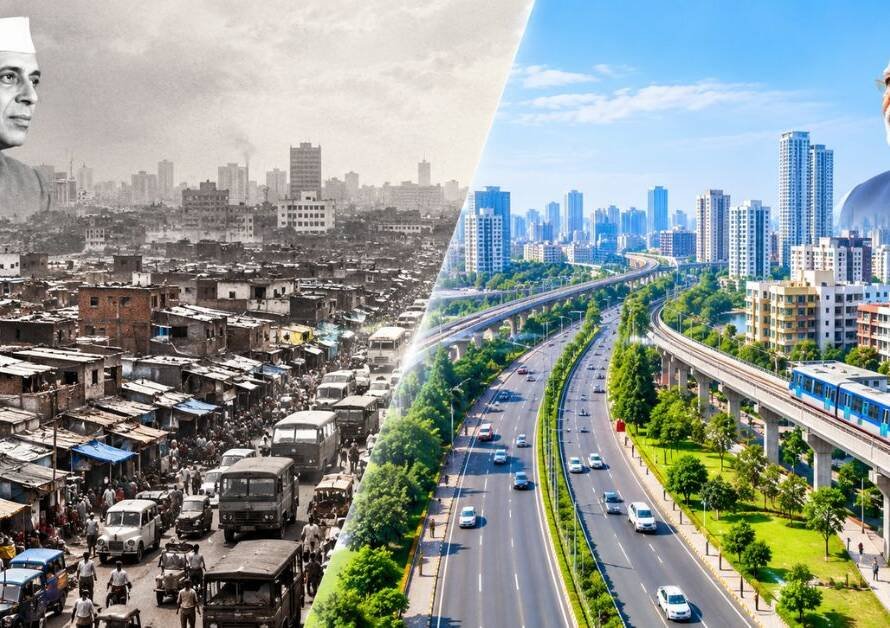
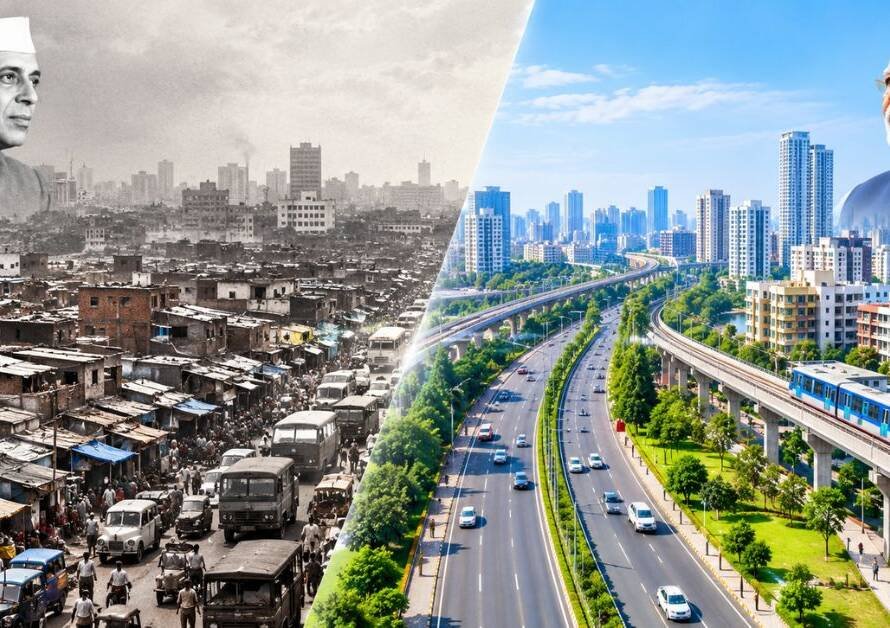
4️⃣ Challenges Faced by Entrepreneurs Before 2014
- For several decades, small entrepreneurs faced numerous regulatory and financial obstacles.
Major barriers included
• License-Raj – multiple approvals required to start businesses
• Inspector-Raj – excessive inspections and compliance burdens
• Limited access to institutional credit
• Complex regulatory frameworks
• Lack of organized skill training
These factors discouraged entrepreneurship and prevented many small businesses from growing.
5️⃣ Policy Improvements and Entrepreneurial Support After 2014
- Over the past decade, significant policy changes have aimed to improve the environment for entrepreneurs.
- Under the leadership of Narendra Modi, the government has emphasized ease of doing business and MSME development.
Key reforms
✔ Reduction in unnecessary permits and regulatory procedures
✔ Digital platforms for business registration and compliance
✔ Improved access to micro-credit and MSME loans
✔ Expansion of startup and innovation ecosystems
✔ Large-scale skill development initiatives
These reforms are gradually making the business environment more transparent, efficient, and entrepreneur-friendly.
6️⃣ Innovation: Transforming Small Enterprises
- Innovation is crucial for ensuring long-term sustainability of small industries.
Key areas of innovation
• Digital marketing and e-commerce platforms
• Product design and value addition
• Adoption of modern production technologies
• Integration of traditional crafts with global markets
• Sustainable and eco-friendly manufacturing methods
Innovation allows small enterprises to remain competitive while preserving their local identity.
7️⃣ Women Entrepreneurship: Unlocking New Economic Potential
- Women represent a major but underutilized economic resource.
Supporting women entrepreneurs leads to
- Increased household incomes
- Community economic development
- Greater financial independence
- Social empowerment
Organizations like Laghu Udyog Bharati play an important role in encouraging women to participate in entrepreneurship.
8️⃣ A Development Model for the Developing World
- The model of self-employment driven growth through MSMEs is highly relevant for many developing countries.
Such economies can benefit from:
• Decentralized industrial development
• Local entrepreneurship networks
• Skill-based micro enterprises
• Innovation in traditional industries
This model allows nations to generate employment while efficiently utilizing local resources.
- The employment challenge in India and other developing countries cannot be solved solely through government jobs or large corporations.
The long-term solution lies in:
- Encouraging entrepreneurship and self-employment
- Strengthening cottage and small industries
- Promoting skill development and innovation
- Ensuring easy access to finance and simplified regulations
Since 1994, Laghu Udyog Bharati has played a crucial role in promoting grassroots entrepreneurship and economic self-reliance.
- With continued policy support, innovation, and skill development, small enterprises can become the largest engines of employment, inclusive growth, and national economic strength.
The future of developing economies will be built not only by job seekers, but by millions of entrepreneurs creating opportunities for others.
🇮🇳 Jai Bharat, Vandematram 🇮🇳
Read our previous blogs 👉 Click here
Join us on Arattai 👉 Click here
👉Join Our Channels 👈