Summary
- This comprehensive analysis evaluates the fundamental and historic transformation across India’s geopolitical, cultural, strategic, and economic landscapes over the past decade (10–12 years).
- It provides a detailed examination of how India has transcended traditional defensive diplomacy and appeasement politics to embrace an assertive, self-reliant, and sovereign national policy.
- From engaging global superpowers like the United States and China on equal terms to executing a zero-tolerance stance against terrorism, awakening a deep cultural consciousness among millions through the construction of the grand Shri Ram Mandir, and driving rapid economic expansion—this document analyzes the core pillars that have laid the foundation for a developed India (Viksit Bharat) in the 21st century.
India’s Decade of Strategic, Cultural & Economic Change
1. Geopolitical Realignment and India’s Growing Global Stature
- Equal-Footing Dialogue with Superpowers: India’s foreign policy is no longer governed by post-colonial hesitation or external ideological pressure. India now engages with major global power centers—including the United States, Europe, and Russia—as an equal partner based on national interests and mutual respect.
- Deterring Expansionist Threats: Through rapid infrastructure development along the Line of Actual Control (LAC) and an unyielding border posture, India has sent an unequivocal message that its territorial integrity and national borders are non-negotiable.
- Diplomatic Success on Multilateral Platforms: India’s economic and diplomatic leverage across multilateral forums has grown to a point where major global or regional decisions cannot be finalized without incorporating India’s stance.
- Emergence as a Global Leader: From delivering swift aid during international crises to acting as the voice of the Global South, India has solidified its standing as a responsible, resilient, and proactive global power.
2. National Security, Counter-Terrorism, and Diplomatic Isolation
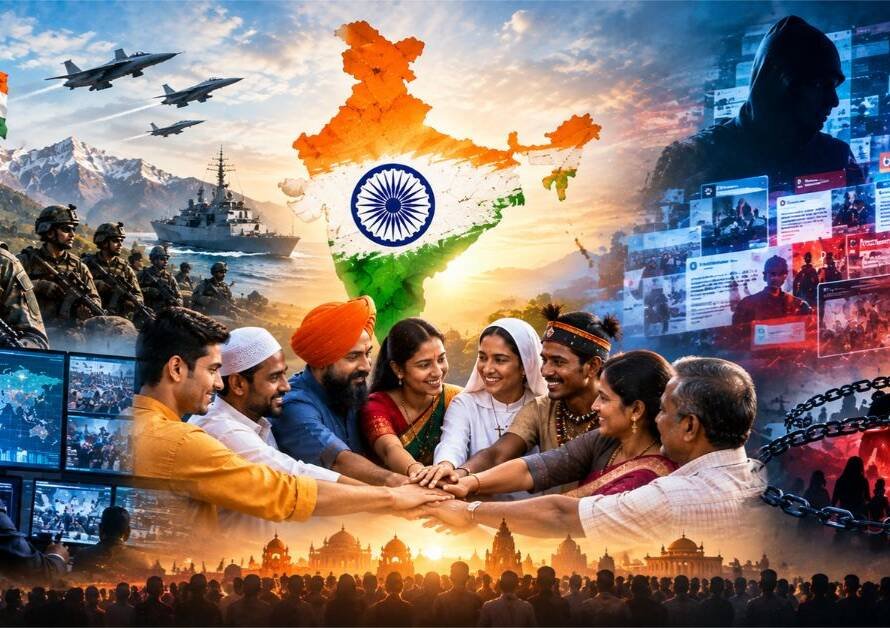
- Decisive Shift in Security Doctrine: India’s anti-terrorism stance has moved far beyond symbolic press releases and diplomatic notes. Surgical strikes, air strikes, and cross-border counter-actions have established a new security paradigm.
- Neutralization of Cross-Border Terror Hubs: Hostile neighbors sponsoring state terrorism have been diplomatically isolated worldwide. Severe financial distress alongside international scrutiny has dismantled the operational backbone of these terror networks.
- Unprecedented Internal Security Improvements: Insurgency and subversion levels across the Northeast, Jammu & Kashmir, and Left-Wing Extremism (LWE) corridors have dropped to historic lows, paving the way for sustained peace and accelerated regional development.
- Dismantling Subversive Networks: Through policy reforms and coordinated actions by law enforcement agencies, anti-national funding channels, covert support networks, and radicalization ecosystems have been effectively neutralized.
3. Cultural Resurgence and the Rise of Sanatani Consciousness
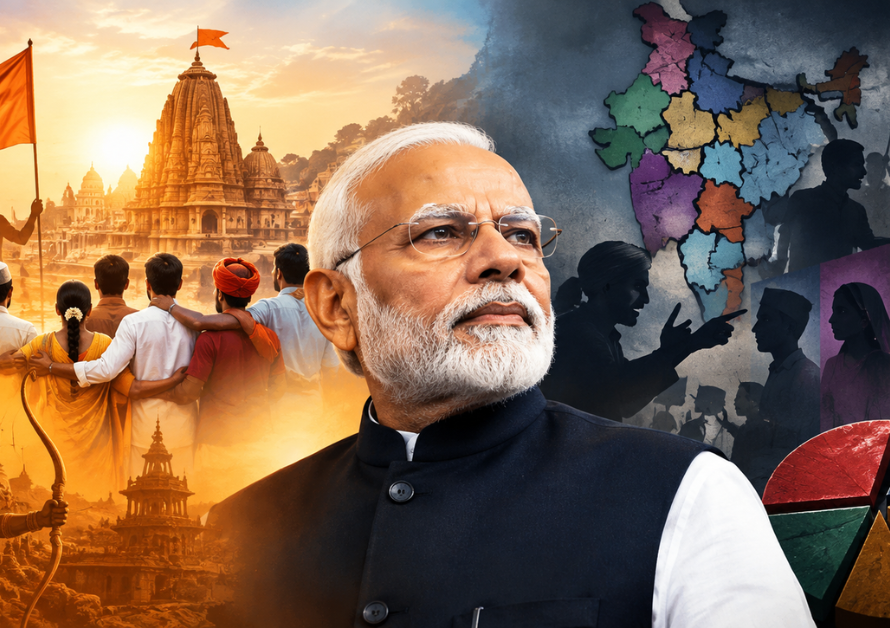
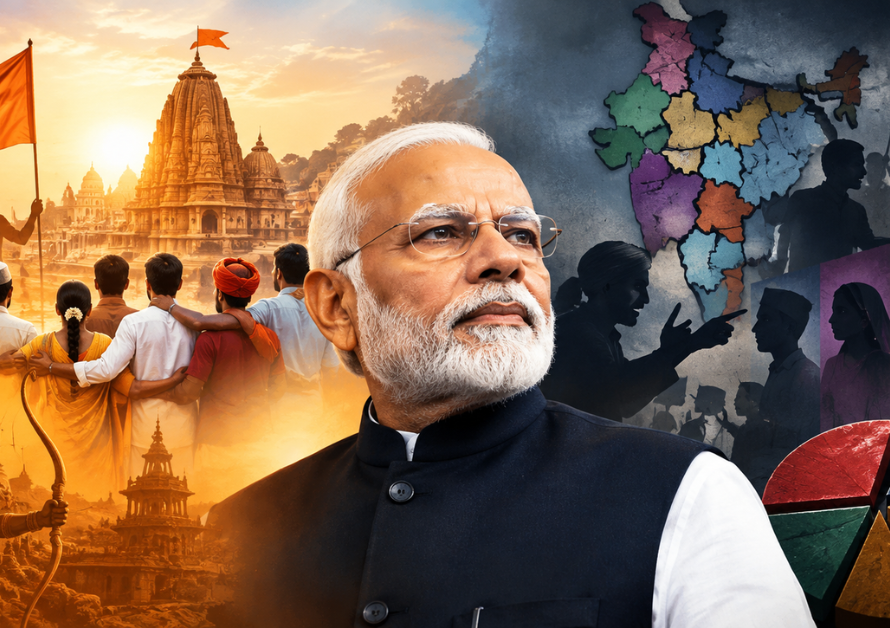
- Construction of the Historic Ram Mandir: The resolution and grand consecration of the Shri Ram Janmabhoomi Temple stands as a monumental milestone in post-independence history, restoring cultural pride and civilizational self-respect.
- Revitalization of Civilizational Heritage: Comprehensive redevelopment initiatives across major spiritual corridors—including Kashi Vishwanath Dham, Ujjain’s Mahakal Lok, and Kedarnath Dham—have breathed new life into national pride regarding India’s heritage.
- Awakening Across Millions: A profound sense of awareness and solidarity has swept through Sanatani society. Citizens are reconnecting with their ancestral roots, philosophy, and history, forging a cohesive civilizational identity that transcends caste lines.
- Exposing Appeasement Frameworks: Political factions and ideological groups that relied on selective secularism and vote-bank appeasement are witnessing their narratives dismantled by an informed citizenry.
4. Economic Modernization and the Flight Toward “Viksit Bharat”
- Leading Global Economic Growth: India has consistently outperformed expectations to become one of the fastest-growing major economies globally, steadily advancing toward becoming the world’s third-largest economy.
- Digital Public Infrastructure (DPI) Revolution: Through UPI, Aadhaar, and paperless governance, India has presented a globally acclaimed model of digital inclusion, transparency, and administrative efficiency.
- World-Class Infrastructure Expansion: Rapid construction of national highways, expressways, modern rail networks (such as Vande Bharat), airports, and deep-water ports has dramatically enhanced the nation’s logistical capacity and economic speed.
- Self-Reliance and “Make in India”: From defense manufacturing to smartphone and electronics production, India is transitioning from a consumer-import economy to a global hub for high-value manufacturing and exports.
5. Dismantling Hostile Narratives and Political Shift
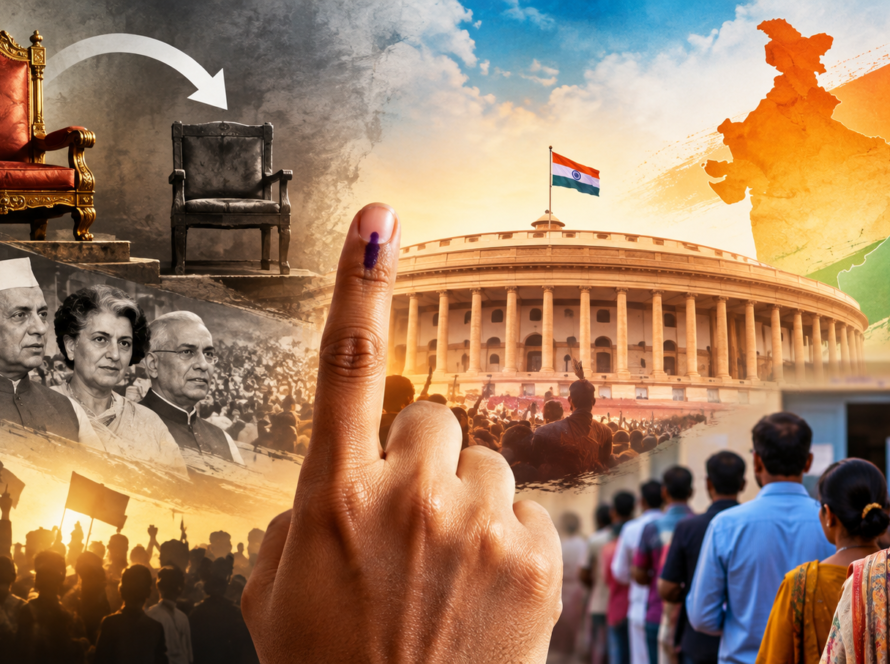
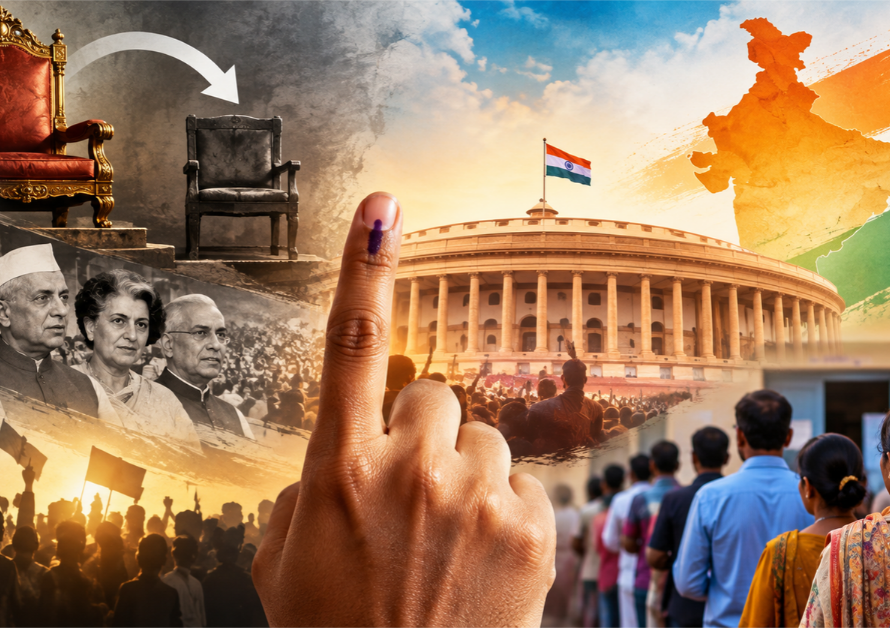
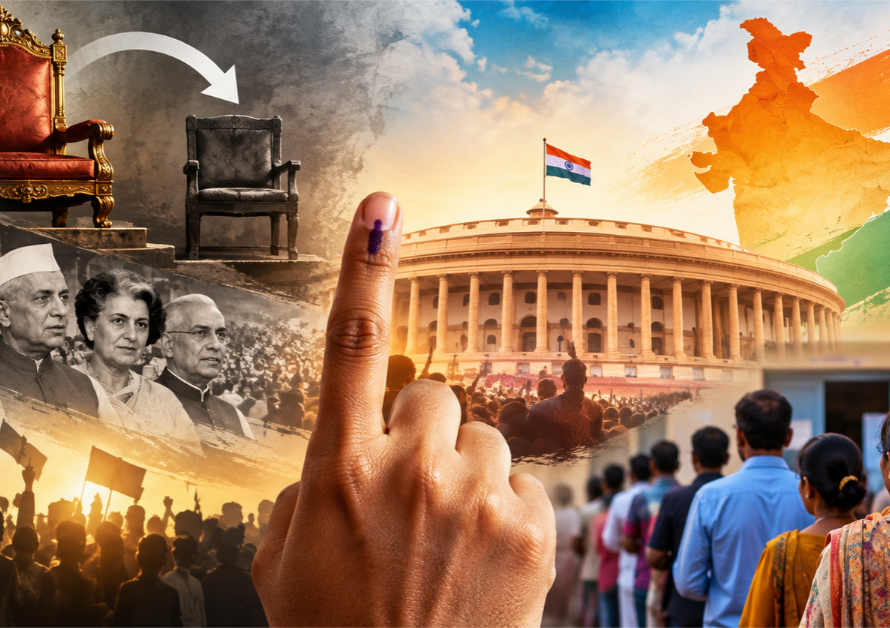
- Rejection of Opportunistic Politics: The era of dividing society through artificial fault lines and manufactured outrage is giving way to a political discourse focused on tangible development, national security, and civilizational pride.
- Electoral Maturity: Indian voters are increasingly prioritizing concrete results, decisive leadership, and long-term vision over misleading promises or foreign-funded narratives.
- Neutralizing Artificial Agitations: As outdated strategies fail, subversive elements repeatedly attempt to engineer artificial crises. However, a vigilant, aware, and discerning citizenry continues to identify and reject these maneuvers.
6. Building an Organized, Sovereign, and Self-Respecting Nation
- Unity Over Caste Fragmentations: Building a resilient nation requires citizens to rise above narrow caste or regional divides and embrace the overarching principle of “Nation First” and “Civilization First.”
- Cultivating National Pride in Youth: Today’s youth are not only pursuing global economic opportunities, but are also deeply connected to their history, scriptures, and national identity with pride.
- A Secure and Independent Future: The confluence of economic growth, diplomatic respect, and cultural resurgence has secured India’s position as a sovereign power fully capable of protecting its borders, people, and heritage.
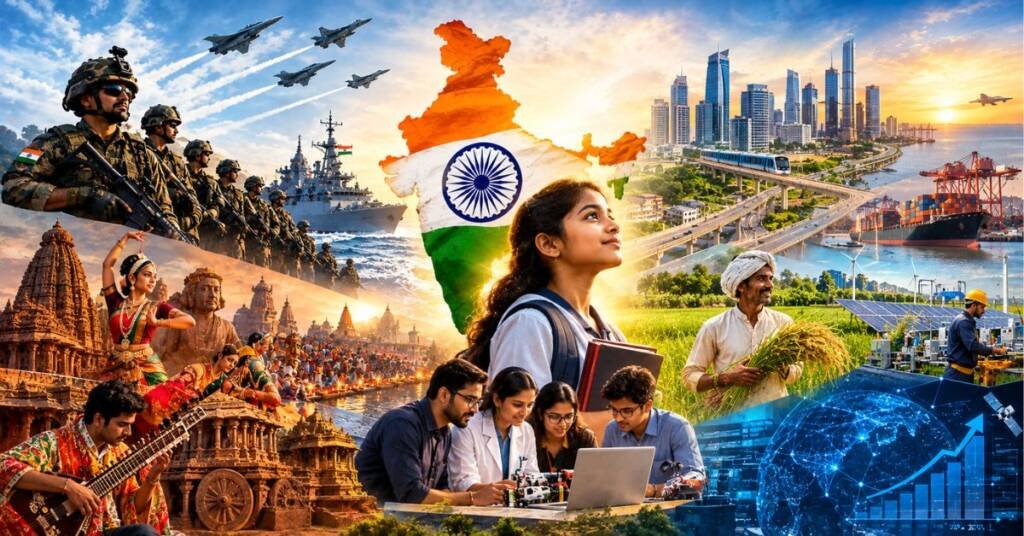
- The journey of the past decade is not merely a change in governance; it represents a golden era of cultural resurgence, strategic strength, and economic advancement for India.
- Grounded in strong leadership, a zero-tolerance defense apparatus, and an awakened society, India has demonstrated that it can remain anchored in its ancient heritage while decisively striding toward its destination as a developed power (Viksit Bharat).
🇮🇳Jai Bharat, Vandematram 🇮🇳
Read our previous blogs 👉 Click here
Join us on Arattai 👉 Click here
👉Join Our Channels👈
Reads & Views: 69