Executive Summary
- This extensive analysis deconstructs the resilience of India’s energy security and independent foreign policy against the backdrop of unilateral American sanctions and Western media propaganda.
- It details how India bypassed the global dollar hegemony by engineering an alternative Rupee-Ruble payment architecture, dismantled Western hypocrisy through assertive diplomacy, and maintained absolute sovereign integrity by systematically crushing foreign-funded internal subversion.
The rise of a multipolar world
1. International Sanctions and the Reality of ‘New India’
In the geopolitical theater of the 21st century, sovereignty is neither a theoretical concept nor a mere diplomatic luxury. It is the living, breathing internal strength of a nation that empowers it to safeguard the vital interests of its 1.4 billion citizens without succumbing to external coercion, intimidation, or geopolitical bullying.
- The Fallacy of Historical Precedent: The American administration operated under the outdated assumption that New Delhi was still governed by the vulnerable, indecisive, and remote-controlled political apparatus of 1974 or 2012—a system that would alter its core energy policies at the mere hint of a phone call or financial threat from the West. When policymakers in Washington unilaterally drafted and enforced their latest sanctions regime, they fundamentally miscalculated the geopolitical ascension of a self-reliant and awakened India.
- The Paradigm of Strategic Autonomy: India has repeatedly demonstrated on global platforms that its foreign policy is not dictated by the political agendas or neo-colonial mindsets of Western superpowers. Instead, it is anchored entirely in indigenous national interests, public welfare, and long-term economic security.
- The Failed Blueprint: The decision to terminate the waiver period for sanctions on Russian crude oil (Urals Crude) was calculated to trigger nationwide panic within the Indian economy. Washington anticipated an immediate collapse of India’s energy supply chains, but this diplomatic offensive shattered completely upon impact with New Delhi’s strategic resolve.
2. Western Media’s Psychological Warfare and the Collapse of the Toolkit
The moment Washington announced the expiration of the sanctions waivers, global media conglomerates, closely coordinated with their ideological proxies inside India, launched a highly sophisticated psychological warfare campaign designed to manufacture artificial panic within domestic and global markets.
- Fabricated Narratives from Unnamed Sources: Western news agencies like Bloomberg and Reuters flooded the global discourse with sensational headlines predicting the absolute disintegration of the Indian economy. Relying on anonymous “internal sources,” they went so far as to claim that top Indian bureaucrats were privately pleading that the nation must capitulate to Washington to save itself from financial ruin.
- Desperation Within Domestic Proxies: Left-wing digital outlets and self-proclaimed intellectuals operating on foreign funding instantly weaponized this disinformation. Their coordinated objective was to induce panic in the stock market, trigger artificial fuel shortages, and hand the political opposition a manufactured crisis to disrupt parliamentary proceedings.
- Humiliation on the International Stage: When these domestic machinations failed to move the state, the global ecosystem attempted to weaponize international forums. In Norway, a carefully staged event featured a so-called human rights journalist attacking India’s democratic foundations and freedom of speech. However, when confronted with the razor-sharp, logical, and unyielding counter-questions of Indian representatives, the propaganda crumbled, forcing the instigators to flee the stage in public embarrassment.
3. Sujata Sharma’s On-Camera Verdict: Dismantling Western Hypocrisy
The definitive collapse of this massive Western disinformation machine occurred when Sujata Sharma, Joint Secretary in India’s Ministry of Petroleum, directly confronted the international press corps and articulated India’s unshakeable position.
- Looking the West in the Eye: Speaking directly into the lenses of international cameras, Joint Secretary Sharma stated with zero diplomatic ambiguity that India had purchased Russian crude oil before the sanctions, continued to purchase it during the sanctions, and would resolutely continue to purchase it in the future to fulfill its sovereign requirements.
- The Irrelevance of American Waivers: She made it explicitly clear that India, as a sovereign powerhouse, places absolutely no legal or moral value on unilateral American “waivers.” India recognizes only multilateral sanctions mandated by the United Nations (UN) Security Council, viewing individual country mandates as violations of international law.
- A Record-Breaking Market Share: Today, India alone imports nearly 40% of Russia’s total seaborne crude oil exports. The velocity of this maritime energy pipeline is faster than the natural flow of water, effectively rendering the entire Western sanctions apparatus obsolete and toothless.
4. Bypassing the Dollar Empire: Core Pillars of Rupee-Ruble Diplomacy
The true global hegemony of the United States lies not in its conventional military or its nuclear arsenal, but in the institutional monopoly of the US Dollar as the default global reserve currency. Whenever a nation dissents, Washington weaponizes its financial plumbing by freezing accounts. India and Russia bypassed this exact vulnerability by engineering an unassailable financial architecture.
- Direct Rupee-Ruble Trade Architecture: Both nations systematically purged the US Dollar from their bilateral energy trade. Indian refiners settle their massive energy invoices in Indian Rupees (INR), Russian Rubles (RUB), or mutually agreed non-Western currencies via Special Vostro Accounts, completely insulated from the oversight of the US Federal Reserve.
- Neutralizing the London Maritime Insurance Monopoly: Historically, marine insurance and hull protection indemnity (P&I clubs) were monopolized by London-based financial systems. The West banned these firms from insuring any vessel carrying Russian crude, intending to paralyze global shipping. India neutralized this move by deploying its domestic public-sector giants (such as GIC). Today, these vessels are fully insured and reinsured by Indian entities, reducing London’s financial relevance to zero.
- Sovereign Logistics and the Shadow Fleet: India did not merely alter its payment mechanisms; it collaborated with Moscow to establish independent maritime corridors, secure dedicated tanker fleets, and manage transport networks entirely outside the jurisdictional reach of Western naval forces or regulatory bodies.
5. Jaishankar’s Sharp Diplomacy and Russia’s Unwavering Trust
Behind this monumental strategic victory stands the formidable, highly articulate, and fiercely nationalistic diplomacy of External Affairs Minister Dr. S. Jaishankar, who has consistently exposed the structural hypocrisy of the Western world.
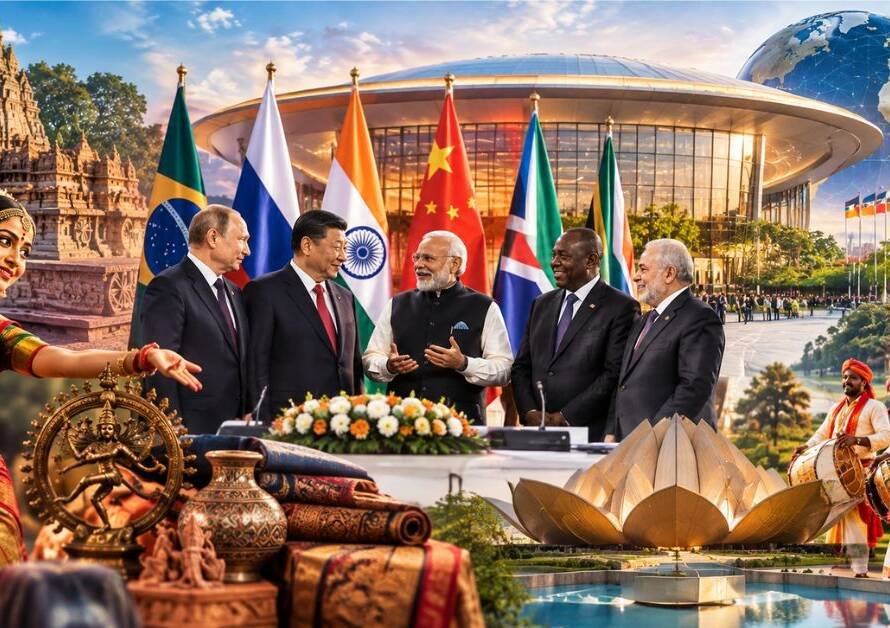
- The Ultimatum at the BRICS Summit: On the global stage, Dr. Jaishankar unequivocally declared that the attempt by a singular country or bloc to dictate where sovereign nations buy their energy, what currency they use, or how they manage internal affairs is fundamentally illegal and represents a mutated form of Neo-Colonialism.
- Sergei Lavrov’s Absolute Guarantee: This diplomatic resilience was met with an equally potent assurance from Moscow. Speaking from Indian soil, Russia’s veteran Foreign Minister Sergei Lavrov guaranteed to the global press that regardless of escalating Western pressures, Russia will never disrupt or diminish the supply of crude oil and strategic resources to India.
- The Irreversible Rise of Multipolarity: This alliance transcends a standard buyer-seller arrangement. It is the synchronized strategic alignment of two ancient civilizations actively dismantling a unipolar world order to build an equitable, balanced, and multipolar global architecture.
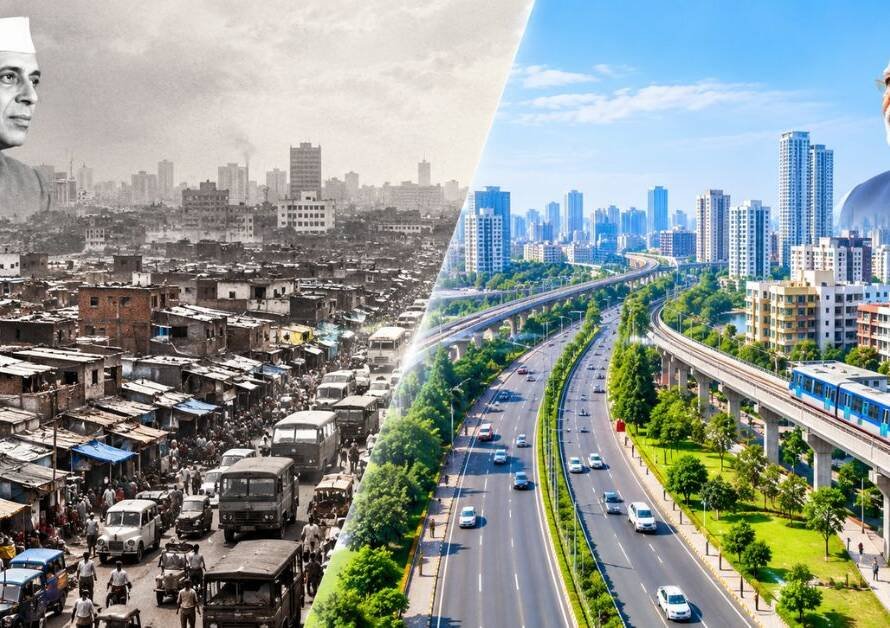
6. A Tale of Two Eras: The Vulnerability of 2012 vs. the Defiance of 2026
To comprehend the sheer magnitude of India’s current geopolitical defiance, one must analyze the dark chapters of history when the nation’s foreign policy was dictated by external pressure rather than public interest.
- The Capitulation of the 2012 Regime: In 2012, when the United States imposed unilateral sanctions on Iran, the vulnerable administration of that era surrendered without a shred of diplomatic resistance, completely halting India’s historic, highly lucrative, and proximity-based oil imports from Tehran.
- The Catastrophic Cost of Appeasement: That capitulation crippled the Indian economy. India was forced to source exponentially more expensive crude from alternative nations, causing the fiscal deficit to spiral out of control, draining foreign exchange reserves, and ultimately triggering a devastating devaluation of the Indian Rupee against the US Dollar.
- The Supreme Interest of 1.4 Billion Citizens: The contemporary leadership operates on the absolute premise that the economic prosperity, industrial output, agricultural subsidies, and energy bills of its citizens cannot be sacrificed to soothe the political ego of a foreign president. India is not a client state or an economic dependency that shifts its sovereign policies at the snap of Washington’s fingers.
7. The Dignity of Purchasing Power: Leaving Washington Answerless
When special envoys from Washington arrived in New Delhi to apply diplomatic pressure, demanding that India cease purchasing Russian oil and switch to American energy suppliers, India delivered the most pragmatic, commercial, and devastating counter-proposal in modern diplomatic history.
- The Mathematics of National Interest: India placed a transparent economic calculation on the table: “Russia is providing us with high-grade crude at a massive 30% discount below the global market rate. If the United States is truly a committed strategic partner, match this price or provide a written guarantee to supply oil at a lower rate.”
- The West Silenced by Logic: No American diplomat, strategist, or economist could answer this raw commercial logic. India demonstrated that its foreign policy is not a tool for ideological camp-following or Cold War era alliances; it is driven entirely by unyielding national interest.
- An Economic Armor: The structural benefits of this independent stance are vividly evident across the domestic economy. While the Western world and Europe grapple with an unprecedented global energy crisis, with electricity and natural gas prices skyrocketing by 300% to 400%, Indian industries are operating seamlessly 24/7 without a single disruption.
8. The Global Energy Crisis and the Fate of Fragile Neighbors
India’s visionary and courageous energy architecture has completely insulated the nation from the catastrophic economic ruin that has devoured several countries, particularly within our immediate neighborhood.
- The Living Warning of Pakistan: Due to a toxic combination of blind adherence to Western fiscal dictates and profound internal administrative incompetence, Pakistan’s energy grid has utterly collapsed. The situation is so dire that gas stations shut down early by decree, factories are permanently dark, foreign reserves are depleted, and the state exists in a permanent condition of insolvency, begging international lenders for survival.
- The Ultimate Goal of Western Monopolies: The foundational strategy of Washington has always been to neutralize independent refining centers and decentralized energy networks globally, ensuring that the United States emerges as the undisputed mega-exporter of oil and gas, thereby holding global sovereignty hostage.
- India’s Ascension as a Global Refining Hub: New Delhi anticipated this trap. By aggressively scaling its domestic refining infrastructure into the most advanced network on earth, India transformed itself into a global energy epicenter. Today, India does not merely consume oil; it refines Russian crude and exports it back into European markets as refined fuel, securing massive economic premiums for the national exchequer.
9. Internal Security, Foreign Assaults, and the Human Rights Smokescreen
When Western powers fail to break India on economic, military, or diplomatic battlefields, they invariably pivot to asymmetric, covert, and subterranean tactics designed to destabilize the nation from within.
- The Search for Fabricated Pretexts: Failing to intercept India’s economic growth, the West is actively preparing artificial pretexts—ranging from punitive Carbon Border Taxes to orchestrated reports lamenting the decline of human rights and freedoms to tarnish India’s global rating.
- Striking the Anchors of Internal Subversion: The real-time execution of this foreign propaganda is highly visible in strategic border states like West Bengal. When central investigative agencies and national law enforcement clamp down on syndicates engaged in illegal demographic subversion, state-sponsored land grabs, and horrific atrocities like Sandeshkhali, the Western media apparatus instantly activates.
- The Real Cause of Foreign Grief: International newspapers immediately publish synchronized editorials characterizing routine criminal enforcement as the suppression of political dissent or the erosion of civil liberties. The true source of their grief has nothing to do with human rights; it stems from the reality that the internal proxies who once triggered domestic unrest at the behest of foreign handlers are being systematically uprooted by a resilient national state. The West is mourning its lost leverage over a sovereign India.
10. The Unbroken Resolve of a Sovereign Nation
The contemporary global reality is set in stone: the unipolar world order, where a single superpower dictates terms while the rest of the world watches as passive spectators, is dead. The locus of global power has permanently shifted from the West to the East, converging directly upon the sovereign geography of India.
- Architects of Our Own Destiny: India has made it explicitly clear to the global hierarchy that we will determine our own future, our own domestic policies, and our own bilateral trade relationships. Our energy will be sourced exclusively from wherever we obtain fair pricing, uninterrupted supply chains, and zero political conditionalities.
- An Unstoppable Trajectory: This is the era of a New India, where national security, energy self-reliance, and public welfare are completely non-negotiable. No matter how aggressively foreign disinformation networks attempt to subvert this march, India’s developmental trajectory remains absolute, invincible, and permanent.
🚩Jai Bharat, Vandemataram 🚩
Read our previous blogs 👉 Click here
Join us on Arattai 👉 Click here
👉Join Our Channels👈