Summary:
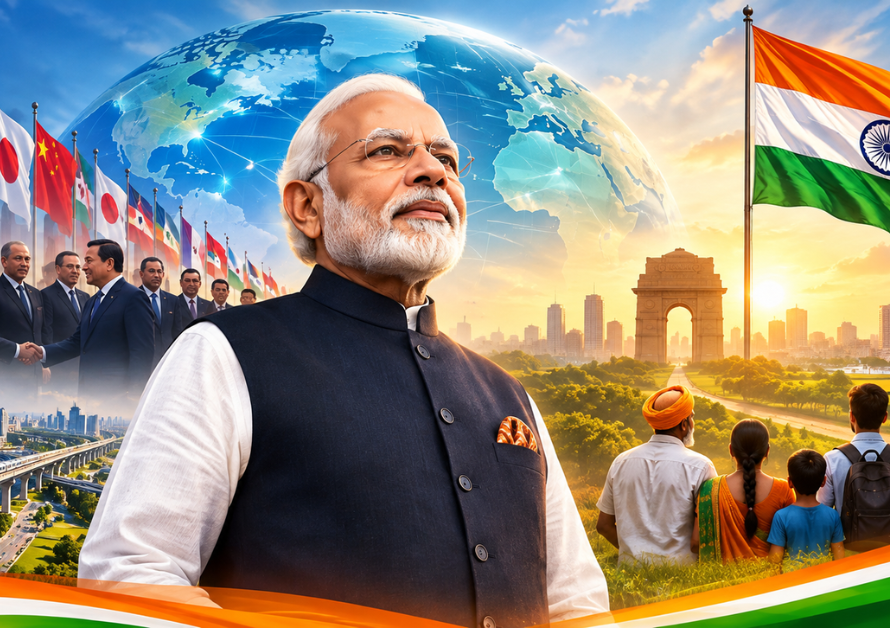
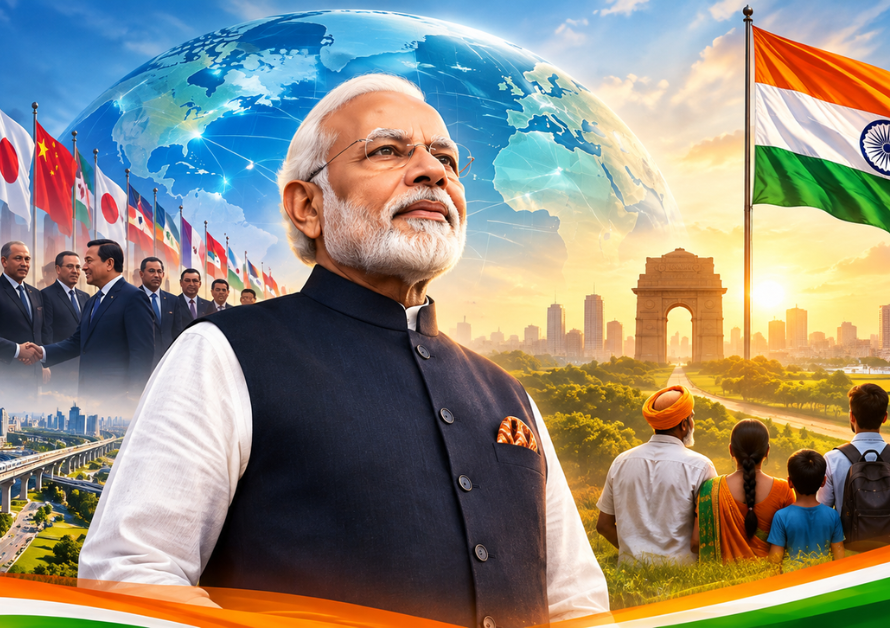
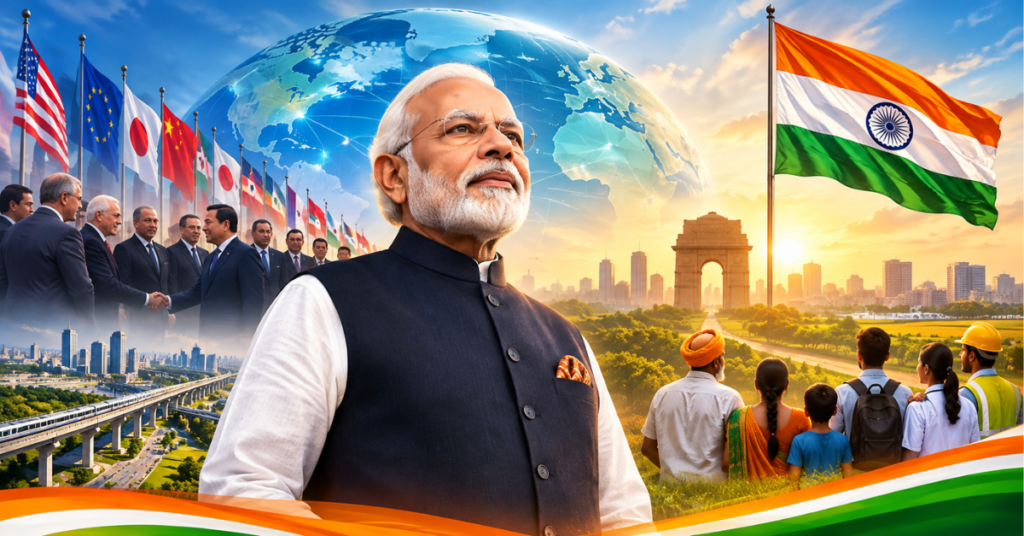
- This comprehensive overview outlines India’s global rise, the success of Prime Minister Narendra Modi’s “Vishwabandhu” diplomacy, and the social and political awareness required to realize India’s vision as a “Vishwaguru” (Global Teacher).
- It highlights Russian President Vladimir Putin’s public praise—on the occasion of Mahatma Gandhi’s birth anniversary—for PM Modi’s peace efforts, alongside India’s leadership in high-stakes rescue missions (such as Operations Ganga, Kaveri, and Devi Shakti) and international humanitarian operations (including Operations Dost, Maitri, and Vaccine Maitri).
- Furthermore, this narrative contrasts the pre-2014 era of political paralysis (“Fragile Five”) and policy missteps with today’s secure, self-reliant, and sovereign India, calling upon patriotic citizens to remain vigilant and support national progress.
Modi Diplomacy, National Stability, And The Resolve Of Patriotic Unity
1. Mahatma Gandhi’s Birth Anniversary And Putin’s Global Peace Message
When top global leaders acknowledge India’s dedication to international peace, it marks a moment of immense national pride and diplomatic validation:
- The Historic Occasion of Gandhi Jayanti:
- A Convergence of Non-Violence and Modern Diplomacy: On Mahatma Gandhi’s birth anniversary, Russian President Vladimir Putin publicly commended PM Modi’s thoughtful approach to peace (“Good Ideas for Ukraine Peace”), demonstrating that India’s foundational values of non-violence remain directly relevant to modern geopolitical resolution.
- A Trusted Global Mediator: India has emerged as a unique major power capable of maintaining constructive, results-oriented dialogue across opposing global blocs, including Russia, Ukraine, the United States, and Western allies.
- Global Acceptance as ‘Vishwabandhu’ (Friend to the World):
Decisive Leadership: In moments of international uncertainty, global forums increasingly look to India’s principled stance and balanced perspective to foster constructive consensus.
2. “Today’s Era Is Not An Era Of War”: Diplomatic Milestones In Geopolitical Crises
Under PM Modi’s strategic vision, India has moved beyond passive stance-taking to actively shape global peace frameworks:
- The Russia–Ukraine Conflict and Back-Channel Diplomacy:
- A Universal Message for Peace: PM Modi’s landmark statement in Samarkand—“Today’s era is not an era of war”—became a cornerstone for declarations at the G20 and international peace summits.
- Preventing Humanitarian Disasters: Through sustained back-channel channels, India contributed constructively toward securing critical infrastructure, such as the Zaporizhzhia nuclear plant, and facilitating essential food and fuel supply corridors.
- A Balanced Approach to the Middle East (West Asia) Conflict:
- Principled Clarity: India has maintained a firm zero-tolerance policy against terrorism while consistently supporting a two-state solution and delivering unhindered humanitarian assistance to affected populations in Gaza and neighboring regions.
3. Historic Evacuation And Disaster Relief Operations (Evacuation & HADR Diplomacy)
Translating the philosophy of “Vasudhaiva Kutumbakam” (The World Is One Family) into direct operational action, India serves as a dependable first responder during international emergencies:
- Rescue Missions in Active Conflict Zones:
- Operation Ganga (2022): Successfully evacuated over 22,000 Indian students along with foreign nationals amidst active conflict in Ukraine.
- Operation Kaveri (2023) & Operation Devi Shakti (2021): Safely evacuated over 3,900 citizens from civil strife in Sudan and facilitated complex evacuations from Kabul following the Taliban takeover.
- Global Disaster Response and Health Diplomacy:
- Operation Dost (2023) & Operation Maitri: Deployed NDRF search-and-rescue teams and field hospitals within hours of the devastating earthquake in Turkey and Syria, alongside rapid relief deployments in Nepal.
Vaccine Maitri (COVID-19): Delivered over 300 million doses of made-in-India vaccines and medical supplies to more than 100 nations across the Global South.
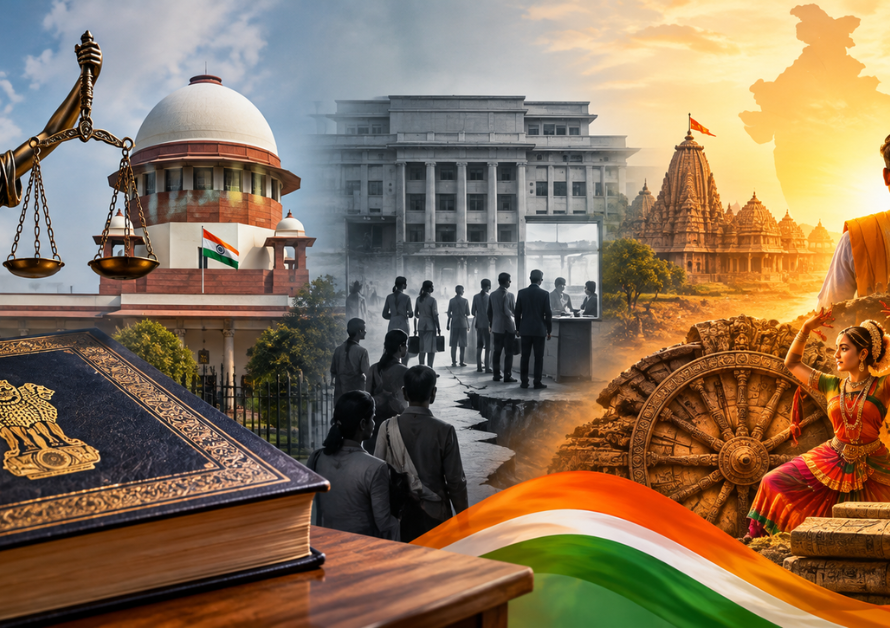
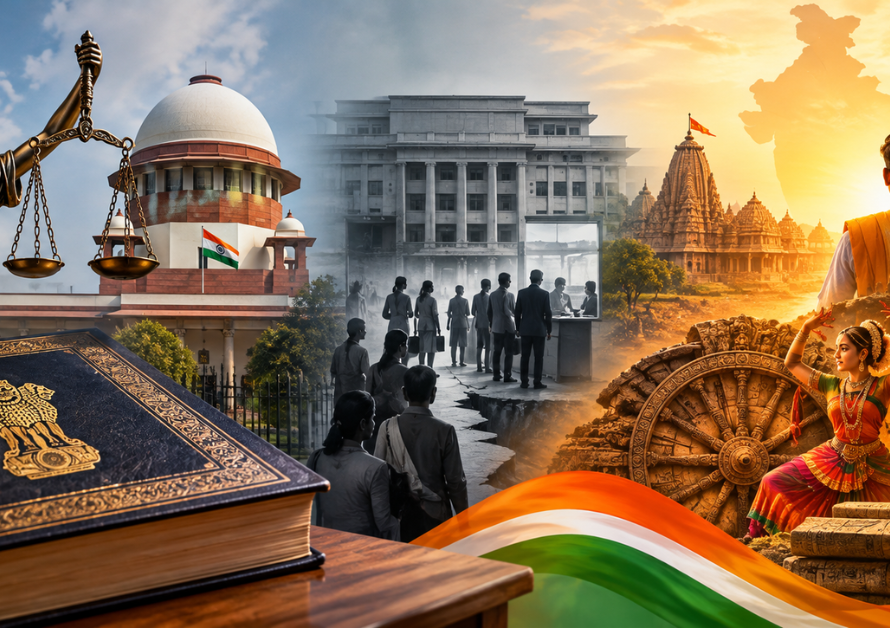
4. The Transformation: Pre-2014 Instability Vs. Present-Day Resilient India
Understanding India’s trajectory requires a clear comparison between past vulnerabilities and current strategic strengths:
- The Pre-2014 Landscape:
- Economic Fragility: Prior to 2014, India was categorized among the “Fragile Five” global economies, constrained by policy paralysis and economic instability.
- Governance Challenges: Persistent corruption scandals, uncoordinated foreign policy postures, and institutional drift hindered long-term national development.
- Internal Security Deficits: A lenient stance on internal threats and anti-social elements compromised overall national security and stability.
- The Post-2014 Era of Transformation:
- Economic Superpower Trajectory: Transitioned into the world’s 5th largest economy, supported by digital infrastructure, massive capital expenditure, and the Aatmanirbhar Bharat (Self-Reliant India) initiative.
- Robust Security Framework: Implemented zero-tolerance policies toward cross-border terrorism, backed by decisive defense modernization and firm border security measures.
5. Realizing ‘Vishwaguru’: Civic Responsibility And National Vigilance
Under Prime Minister Narendra Modi’s dynamic leadership, India is well-poised on its path toward becoming a global superpower and Vishwaguru. Fulfilling this vision requires active civic commitment, political stability, and social cohesion:
- Social and Political Support as a Civic Duty:
- A Nation-First Approach: To sustain rapid economic growth and geopolitical influence, patriots and citizens hold a responsibility to actively support transformative national policies across social, intellectual, and political platforms.
- Vigilance Against Destabilizing Ecosystems:
- Countering Manufactured Narratives: Citizens must remain vigilant against fake narratives, foreign-funded agendas, and manufactured protests aimed at creating internal instability or disrupting progress.
- Sustaining National Unity: Strong public unity has consistently defeated attempts to derail development, highlighting the need for continued civic awareness and active engagement.
- Safeguarding Against Past Vulnerabilities:
Preventing Political Paralysis: Returning to fragmented political coalitions or unstable governance models risks derailing economic growth and reverting the nation toward fragile economic conditions seen in unstable regional neighbors.
Conclusion
Prime Minister Narendra Modi’s dynamic leadership, strategic vision, and global respect have placed India firmly on the path to becoming a global superpower and Vishwaguru. Acknowledged by international figures and trusted as a Vishwabandhu during crisis situations, India stands as an anchor of global stability. By overcoming division and prioritizing national progress, a united citizenry ensures that India continues its journey toward security, prosperity, and global leadership.
🇮🇳 Jai Bharat, Vandematram 🇮🇳
Read our previous blogs 👉 Click here
Join us on Arattai 👉 Click here
👉Join Our Channels👈